The No Contact Rule in Magic

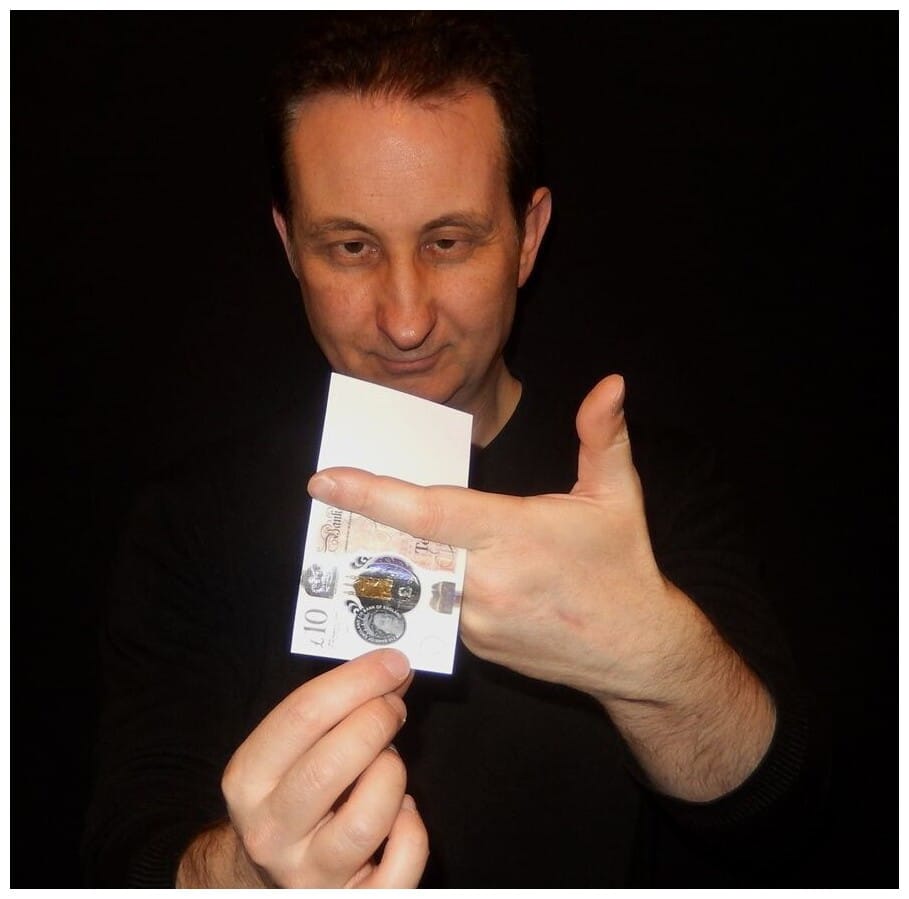
Andy Field is a professional magician with more than a quarter of a century of experience performing close up magic at weddings, parties, corporate events and private celebrations. He has performed at more than 1,000 weddings and is a two-time S.A.M.S. Champion of Close-Up Magic with more than 20,000,000 views on his YouTube and an array of Google reviews.
The No Contact Rule in Magic: Why Objects Should Not Touch

Andy Field demonstrates the visual transformation of paper into money.
After more than a quarter of a century as a professional magician, performing at more than 1,000 weddings and countless private and corporate events, I've learned that some of the strongest moments in magic come from very simple conditions.
One of those conditions is what I call the no contact rule.
In magic, the idea is straightforward: if one object appears to influence, affect or interact with another, the objects should not need to touch.
That separation can make a magical moment considerably more impossible.
I'm Andy Field, a professional magician based just outside Bristol.
I'm a two-time S.A.M.S. Champion of Close-Up Magic, have performed powerful close-up magic with strong showmanship and comedy for more than two decades, and have had more than 20 million views on YouTube.
I've also worked as a magic consultant and hand double on the BBC series Hustle. My work has been recognised through hundreds of Google reviews and recommendations from clients and audiences.
That experience has taught me that great magic isn't simply about knowing difficult tricks.
It is about conditions, clarity, timing, psychology and showmanship.
And sometimes, one of the most powerful conditions you can establish is that two objects never touch.
What is the no contact rule in magic?
The no contact rule isn't an official law of magic written down in some ancient magician's handbook.
It is better understood as a performance principle.
The principle is that when one object appears to cause something to happen to another object, keeping those objects visibly separate can make the effect much harder for the spectator to explain.
Imagine watching one object move another.
If the two objects are touching, your brain immediately has a possible explanation.
Perhaps there is a physical connection.
Perhaps one object is controlling the other.
Perhaps the contact itself is responsible for what is happening.
But if the objects remain visibly apart, those explanations become much harder to hold onto.
That is where the magic becomes interesting.
The magician isn't simply making something happen.
The magician is making something happen under conditions that appear to rule out the obvious explanations.
And that is a huge part of creating convincing magic.
Whether I'm performing close-up magic at a wedding in Bristol, entertaining guests at a venue in Cheltenham, or performing at an event in Oxford, the same principle applies: the clearer the conditions, the harder the magic is to explain.
Why does separation make magic stronger?
Separation can make a magical effect more impossible by removing an obvious physical connection.
Magic works partly because the audience is constantly trying to work out what happened.
They may not consciously be analysing every movement, but their brains are looking for a sensible explanation.
If two objects touch, there is a potential physical connection.
If they remain apart, the audience has to look elsewhere.
That is why separation can be so powerful.
The further apart two objects remain while apparently affecting one another, the more difficult it becomes for the spectator to understand the relationship between them.
This doesn't mean that simply keeping two objects apart automatically creates great magic.
It doesn't.
The separation has to matter to the effect.
It needs to be clear enough that the audience understands what they are seeing.
That is where presentation becomes important.
A magician shouldn't merely say:
"Look, these two objects aren't touching."
That can actually make the situation feel suspicious.
The stronger approach is to establish the conditions naturally and allow the audience to see the separation for themselves.
This is one reason clarity in magic matters so much.
Magic depends upon conditions
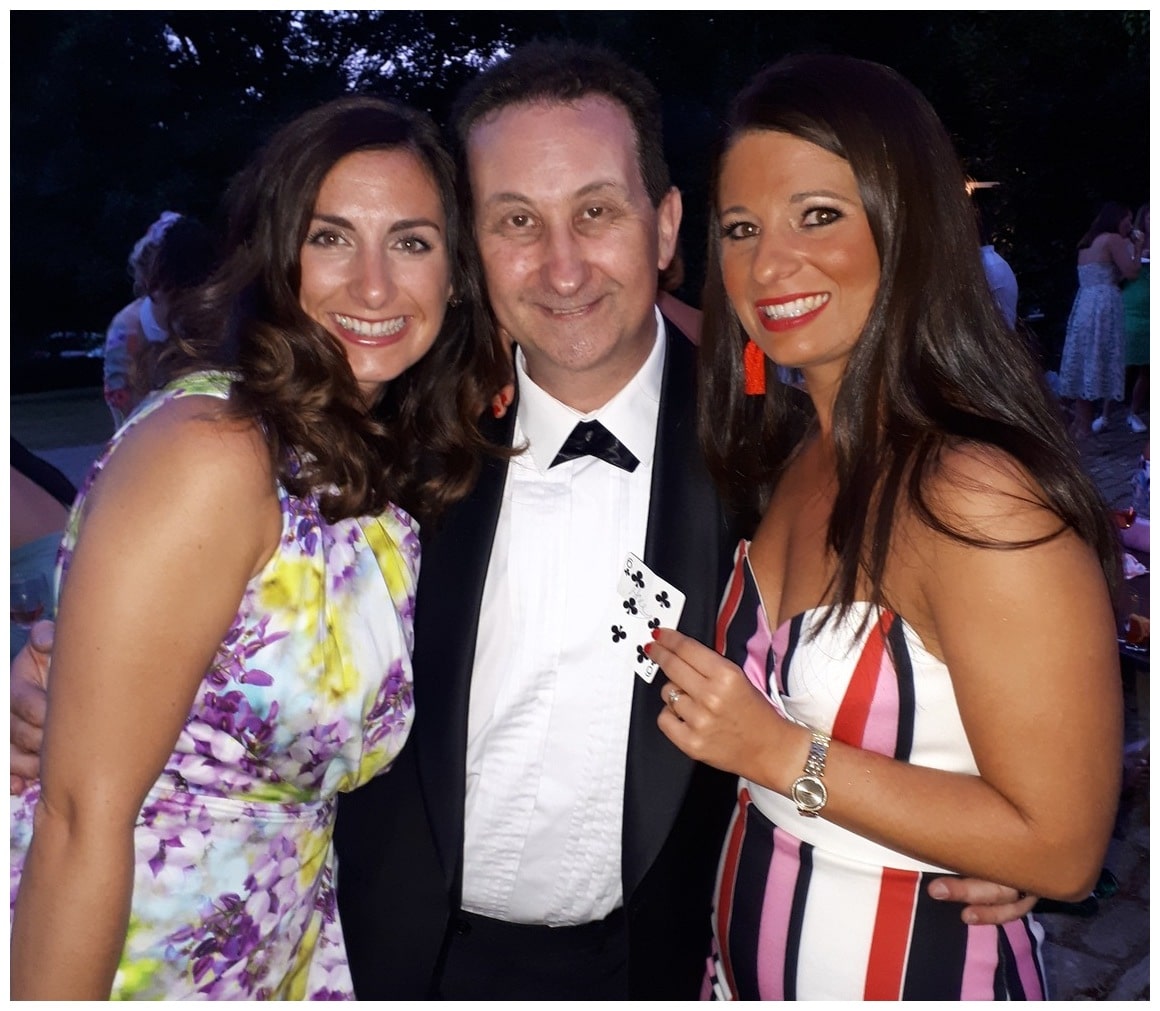
The conditions surrounding a magical effect can make the impossible feel even more convincing.
One of the most important principles in professional magic is establishing exactly what the audience believes is possible.
Before an impossible event can feel impossible, the spectator needs to understand the conditions surrounding it.
This is something I explore in more detail in Clarity in Magic.
If a card changes while everyone believes it is in the spectator's hand, that condition matters.
If a borrowed object disappears while the spectator is holding it, that condition matters.
If two objects apparently affect each other while remaining separate, the lack of contact matters.
The condition becomes part of the impossibility.
This is why experienced magicians don't simply concentrate on the secret method behind an effect.
They think about what the audience will remember.
And what the audience remembers is often not the method.
It is the conditions.
"I was holding it."
"We checked it."
"Those two things weren't touching."
"I could see everything."
Those are the memories that make a magical experience difficult to explain afterwards.
The audience is always looking for a connection
 Spectators are clever.
They may not know how a particular magic trick works, but they know that things normally need some form of physical connection to influence one another.
If I pick up a glass and move it across a table, there is no mystery.
My hand is connected to the glass.
If a magnet attracts something, there is an understandable relationship.
If two objects are physically connected, the audience has a potential explanation.
Magic becomes much more interesting when that apparent connection disappears.
The audience sees one object here.
Another object there.
There is a visible gap between them.
And yet something happens.
That gap becomes important.
The magician has effectively removed one of the most obvious explanations before the audience has even had time to think about it.
The difference between contact and influence
 This is where the no contact principle becomes particularly interesting.
Magic often involves the apparent influence of one thing upon another.
Something moves.
Something changes.
Something disappears.
Something travels.
Something penetrates.
Something appears to respond.
The audience naturally wants to know what caused it.
If the two objects touch, the physical relationship provides a possible answer.
If they don't, the mystery becomes stronger.
This is one of the fundamental ideas behind what makes close-up magic so fascinating.
In Close-Up Magic Explained, I talk about why being close to the action changes the experience for the audience.
The spectator isn't sitting thirty feet away watching a stage illusion.
They're often standing right next to the magician.
They can see the objects.
They can watch the hands.
They can sometimes hold the props themselves.
That makes conditions such as separation even more important.
Let the audience see the separation

Letting spectators clearly see the separation can make the magical moment more impossible.
There is a big difference between telling spectators that two objects aren't touching and allowing them to see it naturally.
The latter is far more powerful.
Good magic doesn't need a running commentary explaining every suspicious detail.
If the conditions are genuinely clear, the audience should be able to register them without being beaten over the head with them.
This is where showmanship comes in.
A magician needs to know when to emphasise something and when to leave it alone.
That is part of showmanship in magic.
The magician controls attention, but shouldn't make the performance feel like a lecture.
The audience should experience the impossibility rather than being given a technical description of it.
The no contact rule and building impossibility
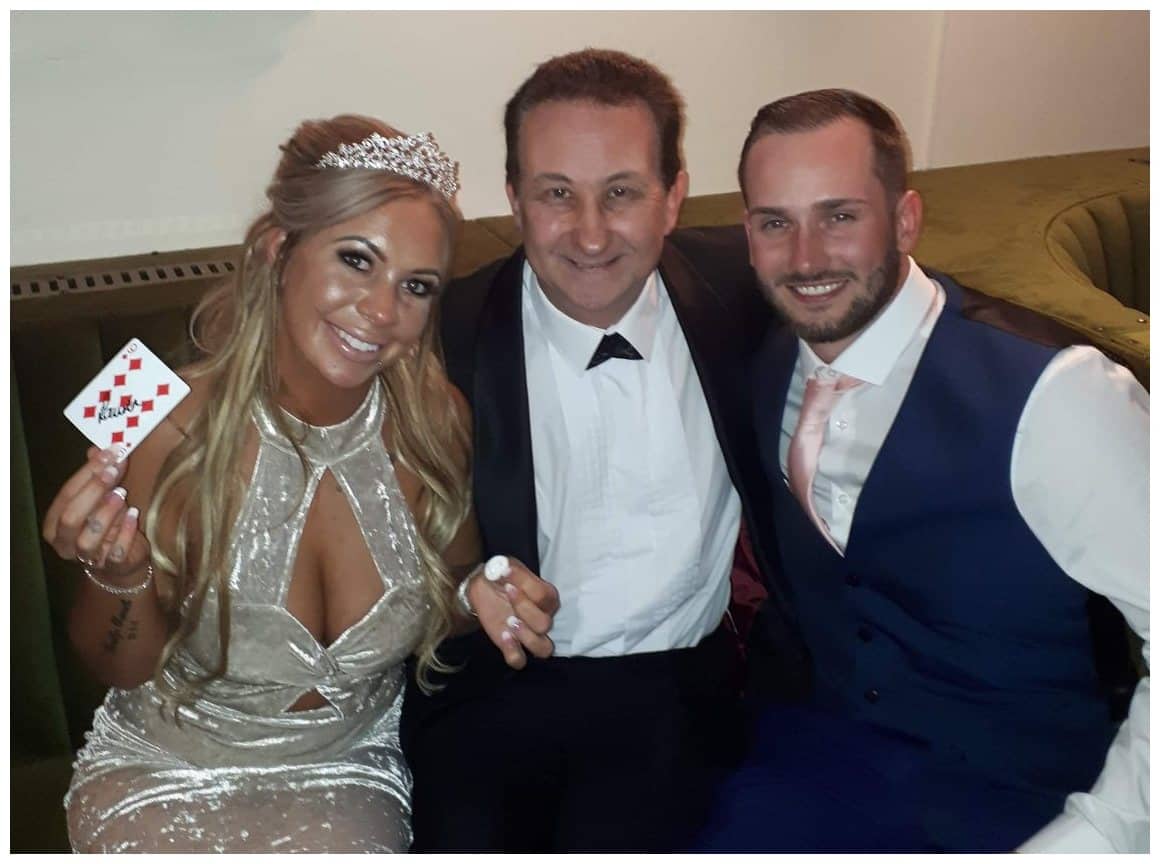
Strong magic builds impossibility by gradually removing the audience’s possible explanations.
One of the most useful ways to think about this principle is through building impossibility.
A strong magical effect often becomes more impossible as possible explanations are gradually removed.
The object is examined.
The spectator holds it.
The conditions are established.
The objects are separated.
Nothing apparently connects them.
Then something impossible happens.
Each condition takes something away from the audience's list of potential explanations.
This is why simply knowing a difficult sleight isn't enough.
Sleight of Hand Explained explores the skill involved in manipulating objects secretly, but technical ability is only part of professional magic.
The audience doesn't award points for how difficult the secret technique was.
They remember what they experienced.
The sleight has to disappear.
The conditions have to make sense.
And the final impossibility has to feel clean.
The no contact rule in close-up magic
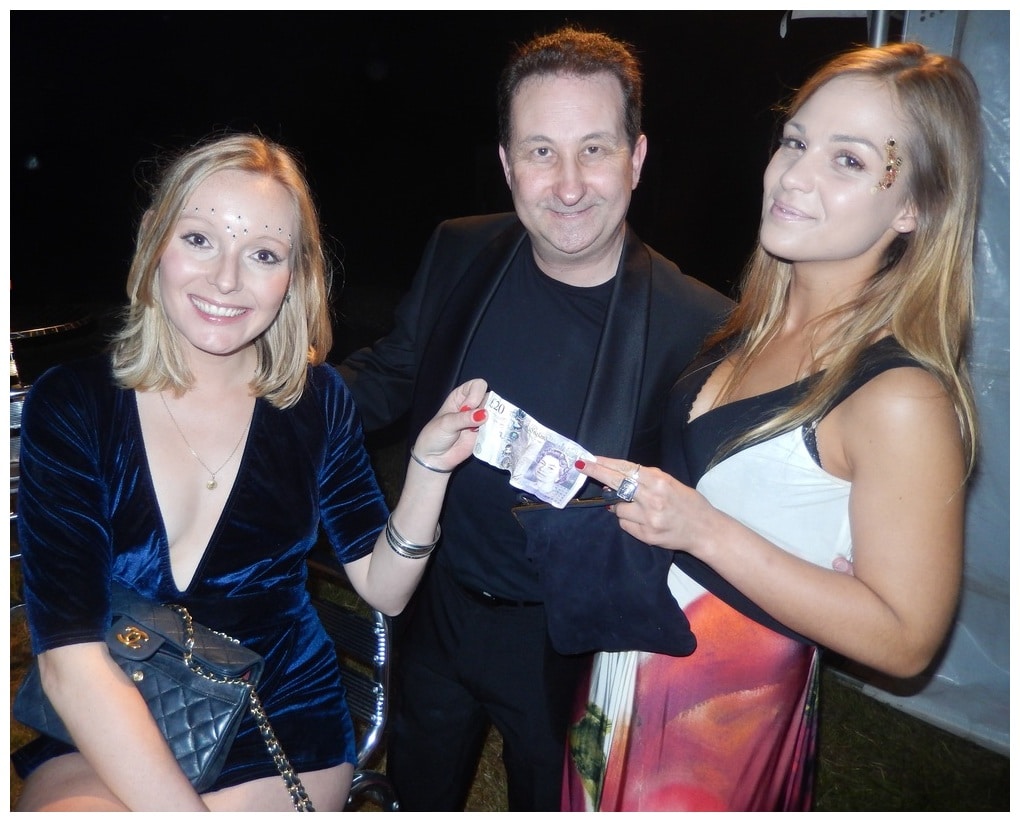
The no contact principle can make a close-up magic effect more impossible by removing an obvious physical connection.
Close-up magic is particularly well suited to this principle because the audience is so close to the props.
There is nowhere for a magician to hide behind a huge stage set.
The spectator can see the table.
They can see the objects.
They can see the magician's hands.
Sometimes they are even holding one of the objects themselves.
That creates a different kind of responsibility for the performer.
The magic needs to survive scrutiny.
This doesn't mean that everything has to be examined before and after every effect.
That would become tedious very quickly.
It means that the magician needs to understand what conditions actually matter.
If the fact that two objects never touch is important, make that condition clear.
If it isn't important, don't turn it into a performance about not touching.
The distinction matters.
Cards, coins, ropes and everyday objects
 The principle can appear in many different forms of magic.
Cards can appear to move, change or respond to something without an obvious physical connection.
Coins can apparently travel or influence one another despite being separated.
Ropes can appear to interact in ways that challenge the normal relationship between physical objects.
Even ordinary borrowed objects can become fascinating when the audience believes they are genuinely separated from whatever appears to affect them.
The specific method isn't the interesting part here.
In fact, revealing methods would completely miss the point.
The interesting part is the relationship between the conditions and the impossibility.
A magician can take something completely ordinary and create a situation where the audience starts asking:
"How could that possibly have happened when those things weren't even touching?"
That question is gold.
The no contact rule and misdirection
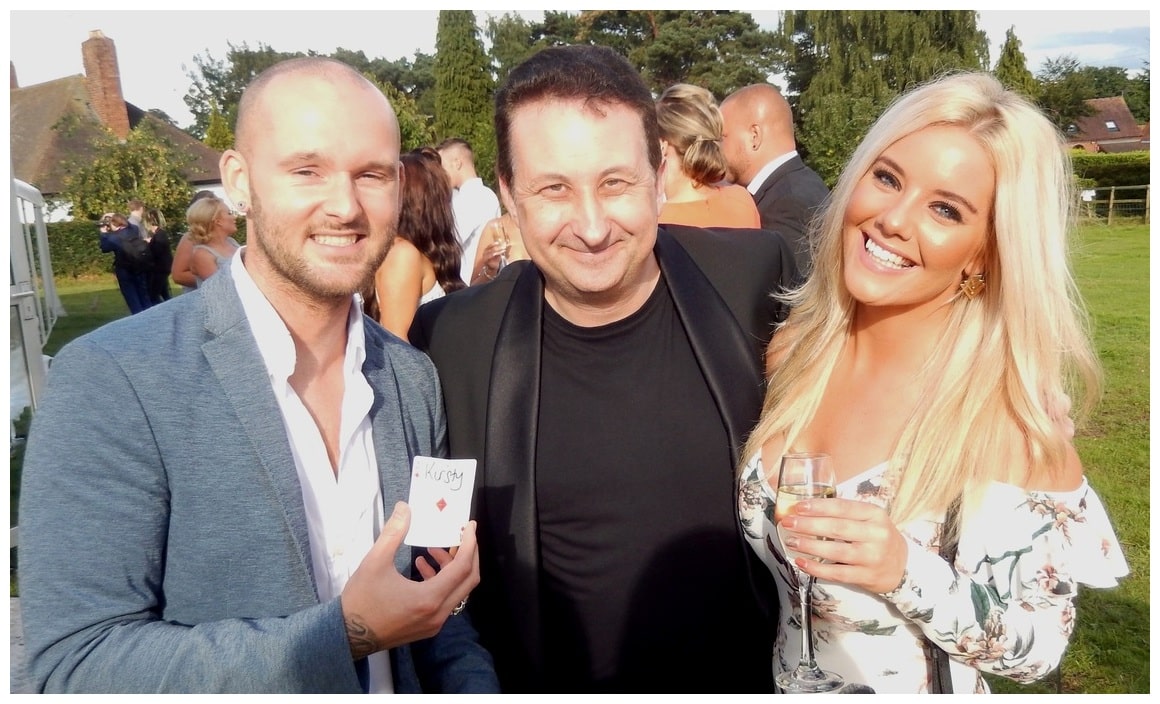
Misdirection helps shape what spectators notice while the objects remain visibly separate.
Keeping objects apart doesn't eliminate the need for misdirection.
Far from it.
Misdirection in Magic explains why controlling attention is much more sophisticated than simply getting somebody to look in the wrong direction.
The audience can be looking directly at the objects and still misunderstand what they are seeing.
That's one of the great strengths of good magic.
The magician doesn't necessarily need the audience to miss something obvious.
Instead, the magician can make sure that the audience interprets what they see in the wrong way.
The no contact principle can help with that because it establishes a very strong visual condition.
The audience sees separation.
They become confident that there is no physical connection.
That confidence can become part of the impossibility.
Why psychology matters
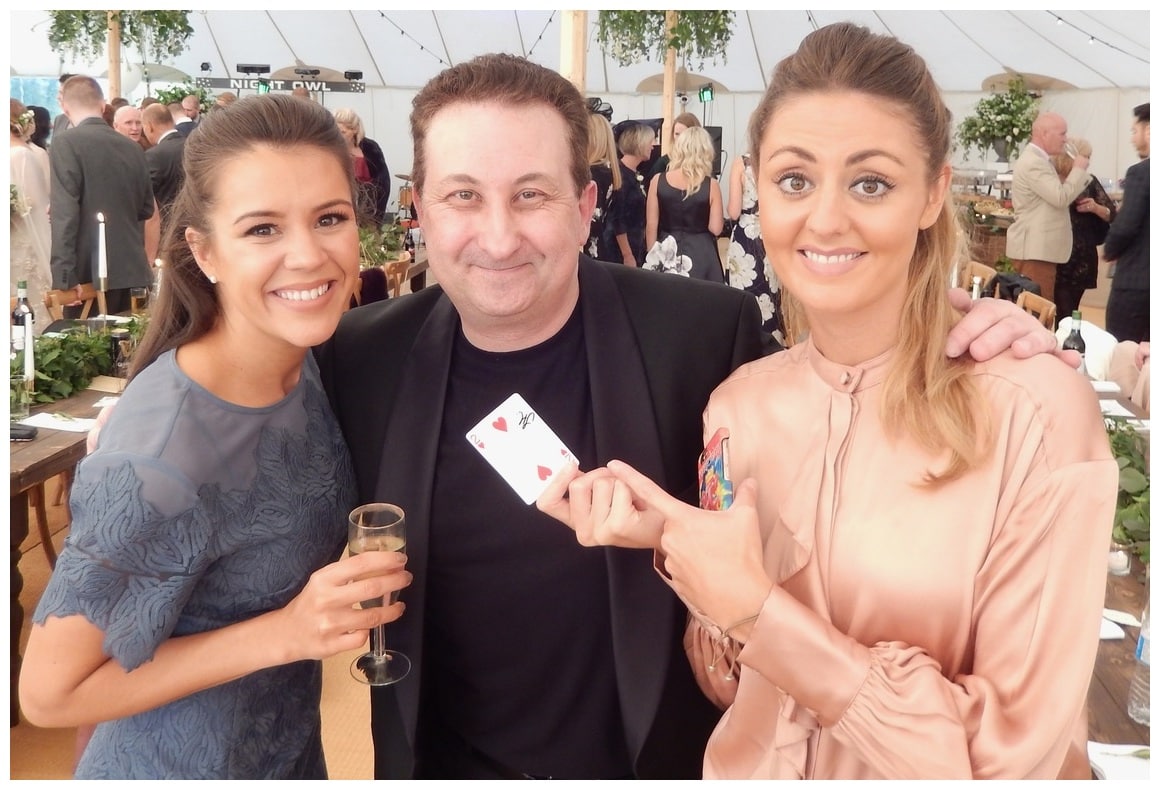
Psychology helps a magician influence attention, expectation and how spectators experience an impossible moment.
There is also a psychological element to all of this.
Psychology in Magic explores the way magicians use expectation, attention and human behaviour to shape an experience.
Spectators don't approach magic as blank pieces of paper.
They arrive with assumptions about how the world works.
Objects normally need physical relationships to affect one another.
People can't normally make things happen simply by looking at them.
A card doesn't normally know what someone is thinking.
A coin doesn't normally disappear from one hand and appear somewhere impossible.
Magic works by exploiting the gap between what the spectator knows should happen and what they actually experience.
The no contact principle is powerful because it takes advantage of one of those assumptions.
If there is no physical connection, how did the influence occur?
The question is more important than the answer.
Contact can sometimes make an effect weaker
 This is worth understanding.
If the entire point of an effect is that two objects apparently affect each other from a distance, allowing them to touch at the crucial moment can weaken the mystery.
The audience may immediately wonder whether the contact caused the result.
That doesn't mean contact is always bad.
It means the magician needs to understand what the audience is supposed to believe.
If contact is irrelevant, it doesn't matter.
If contact is part of the impossibility, it can become extremely important.
Good magic is about controlling those conditions deliberately.
Sometimes breaking the rule makes the magic stronger
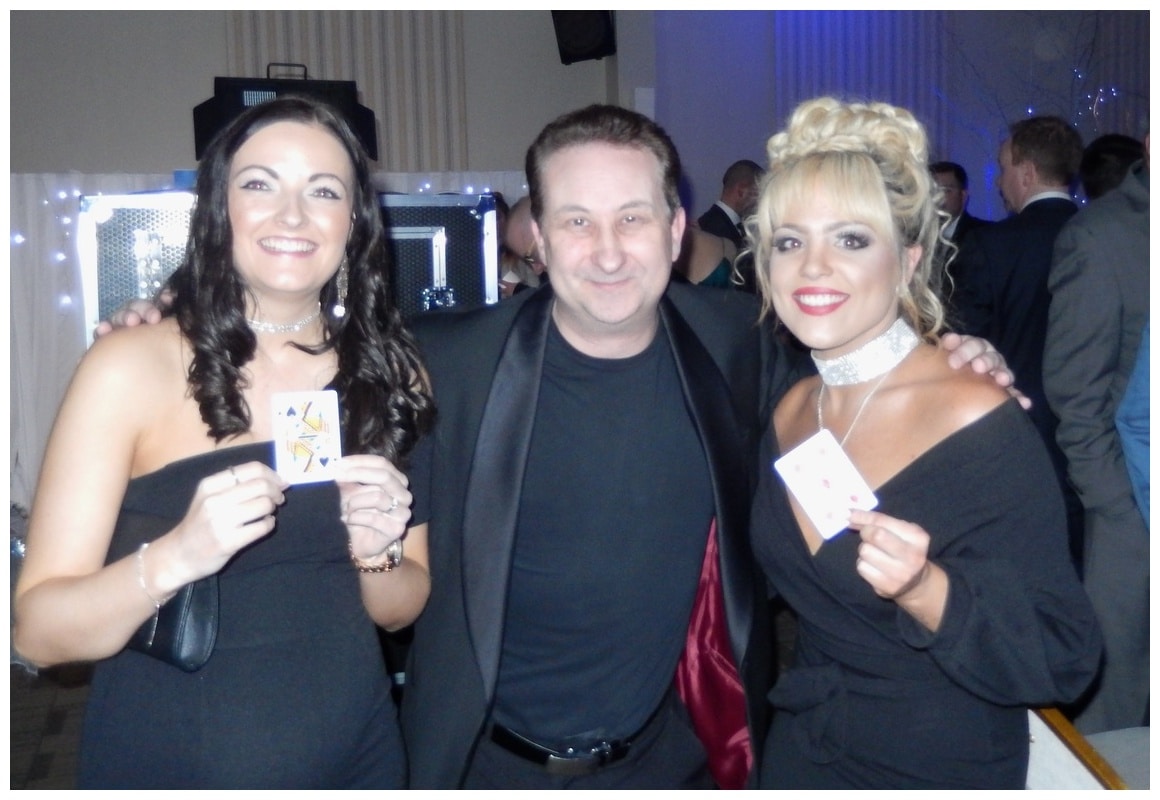
Sometimes deliberately breaking the no contact rule can make the magic even stronger.
The no contact rule isn't an absolute.
In fact, one of the clever things a magician can do is deliberately establish separation and then introduce contact at a moment when the audience believes the magic should no longer be possible.
That can make the eventual separation even stronger.
This is why magic principles shouldn't be treated like rigid commandments.
They're tools.
A professional magician learns the principle, understands why it works and then learns when to follow it and when to break it.
That's part of experience.
It's also why What Type of Magician Should I Hire? isn't simply a question about whether somebody knows lots of tricks.
The quality of the performance depends upon far more than the number of effects in a magician's repertoire.
The spectator should understand the conditions
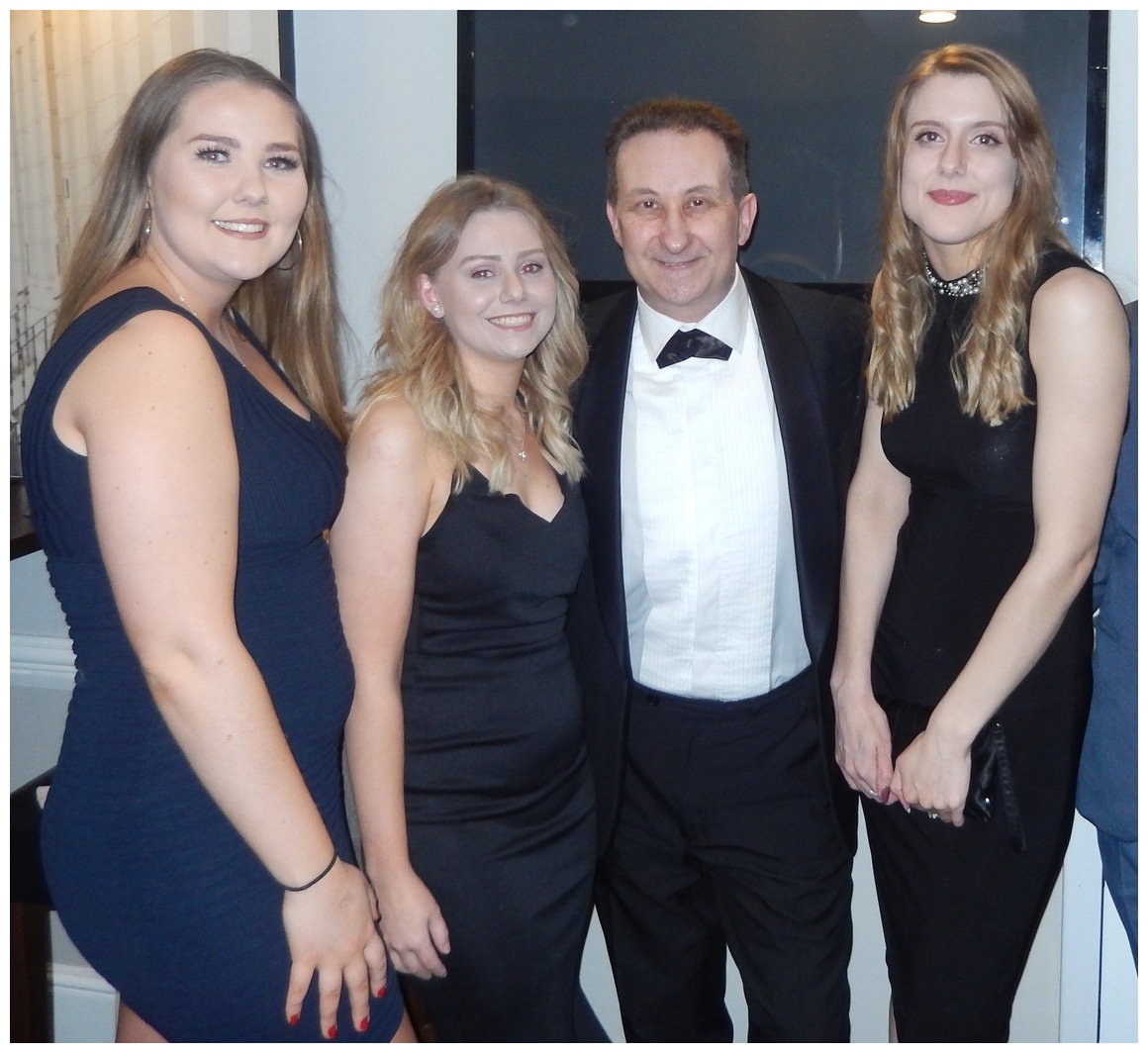
Clear conditions help spectators understand exactly what makes the magical moment impossible.
One of the biggest mistakes a magician can make is creating conditions that are technically clean but confusing.
The audience shouldn't have to work out what the magician is trying to prove.
If the effect relies upon two objects being separated, that separation needs to be obvious.
If the spectator needs to remember something, make it memorable.
If they need to hold something, let them hold it.
If the magician wants to create a sense of impossibility, the conditions need to be simple enough that the audience can follow them.
This is another reason I put so much emphasis on showmanship.
The technical method might be complicated.
The experience shouldn't be.
The no contact rule and audience participation
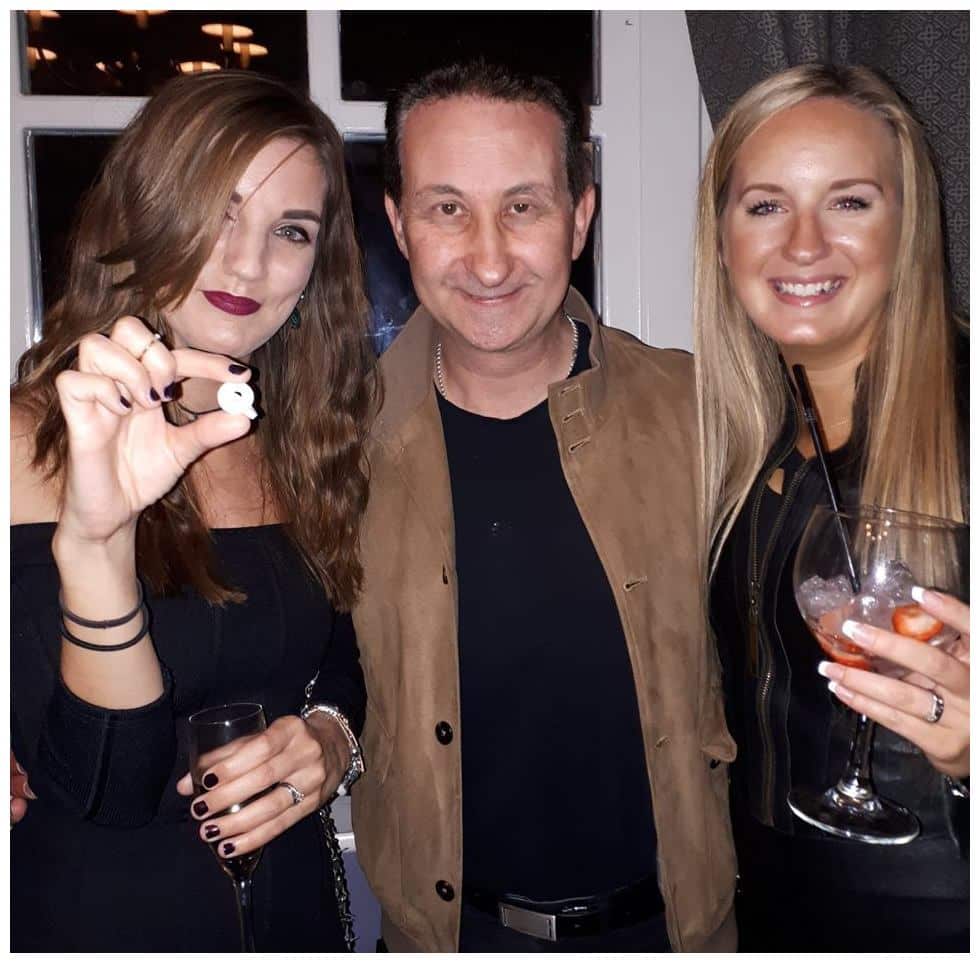
Audience participation can make a magical experience more personal, memorable and impossible to explain.
Audience participation can make the no contact principle even stronger.
Imagine the spectator is holding one object while another remains visibly separate.
Now the magician isn't simply asking the audience to trust what they see.
The spectator is physically involved in the conditions.
That can make the memory of the effect considerably stronger.
They don't simply remember watching a trick.
They remember:
"I was holding it."
"It was over there."
"They weren't touching."
"And then it happened."
That is the kind of experience people talk about afterwards.
It is also one reason close-up magic works so well at weddings and private events.
The magic can happen with people rather than simply in front of them.
The no contact rule at weddings

The no contact principle can create memorable moments of close-up magic for wedding guests.
At a wedding, there is another consideration.
A magician isn't performing in a laboratory.
Guests are talking.
Drinks are being served.
Photographs are being taken.
People arrive and leave.
The magician has to adapt.
That is why the structure of the performance matters.
In The Structure of a Wedding Magician Act, I look at how opening, timing, interaction, variety, escalation and the finish all contribute to the overall performance.
The same principle applies to individual magical effects.
The conditions need to be established quickly enough for the guests to follow them, but naturally enough that the performance doesn't feel like a demonstration.
A wedding magician needs to entertain.
The magic needs to be strong.
The presentation needs to be clear.
And, ideally, somebody should laugh along the way.
Because this is still entertainment.
Strong magic doesn't need to shout

Strong magic can create a powerful reaction through clear conditions, timing and presentation without overplaying the moment.
One of the things I have learned after performing professionally for more than two decades is that the strongest moments aren't always the most complicated.
Sometimes the most powerful reaction comes from something extremely simple.
Two objects are apart.
The audience can see the gap.
Nothing appears to connect them.
Then something happens that shouldn't happen.
There doesn't need to be smoke.
There doesn't need to be dramatic music.
There doesn't need to be a magician shouting that something is impossible.
The conditions can do the work.
That's where strong showmanship matters.
The magician knows when to let a moment breathe.
When to add a joke.
When to allow the spectator to react.
When to move on.
And when to leave the audience sitting there wondering what on earth just happened.
The Cups and Balls and the importance of conditions

The Cups and Balls demonstrates how clear conditions and strong presentation can create an impossible magical experience.
Classic magic provides countless examples of how conditions can shape an audience's perception.
Cups and Balls is one of the great examples because the audience is constantly trying to understand the relationship between the cups, the balls and the magician's hands.
The secret isn't simply about where an object is.
It is about what the audience believes they have seen.
That distinction is central to professional magic.
A magician can technically perform an effect perfectly and still produce a weak experience if the audience doesn't understand the conditions.
Conversely, a beautifully structured performance can make a relatively simple effect feel extraordinary.
No contact, no confusion
 There is an important difference between impossibility and confusion.
If the audience doesn't understand what happened because the magician performed too quickly, that's not necessarily strong magic.
If they don't understand because the conditions were unclear, that's not strong magic either.
The ideal is different.
The spectator understands exactly what happened.
They understand where the objects were.
They understand that they were separate.
They understand what changed.
And they still can't explain it.
That's real impossibility.
The audience should leave thinking:
"I know exactly what happened. I just don't know how."
That is a much stronger reaction than:
"I haven't got a clue what I was supposed to be watching."
Why this principle matters to a professional magician
 After thousands of performances, you start to realise that audiences don't experience magic in the same way magicians think about it.
Magicians think about methods, techniques, sleights and structure.
Spectators experience moments.
They remember the impossible things that happened while they were standing there.
They remember being involved.
They remember the laugh.
They remember the person beside them reacting.
They remember the moment when something impossible happened right in front of them.
That is why I have always put so much emphasis on powerful magic, strong showmanship and comedy.
The trick is important.
But the experience is bigger than the trick.
The no contact rule is really about removing explanations

Powerful magic combines strong conditions, clear presentation and engaging showmanship to create a memorable experience.
Ultimately, the no contact rule is not really about distance.
It is about eliminating explanations.
If two objects are touching, the audience has a potential physical explanation.
If they are clearly separated, that explanation disappears.
If the spectator is holding one object, another explanation disappears.
If the objects are examined, another explanation disappears.
If the magician's hands are apparently empty, another explanation disappears.
One condition at a time, the magician can build an impossible situation.
That's why the best magic often feels so clean.
The magician isn't simply adding more mystery.
They're taking explanations away.
The best magic makes the conditions memorable
 The no contact rule is a simple idea, but it reveals something much bigger about magic.
A good magical effect isn't simply a secret technique hidden behind a presentation.
It is a carefully constructed experience.
The audience needs to understand the conditions.
The magician needs to control attention.
The timing needs to be right.
The presentation needs to be engaging.
The spectator needs to know what matters.
And the impossible event needs to happen under conditions that make it difficult to explain.
Sometimes that condition is as simple as two objects remaining apart.
No wires.
No visible connection.
No obvious physical explanation.
Just a gap between two objects — and something impossible happening across it.
That is the beauty of the no contact rule.
The objects don't touch.
And somehow, they still seem to affect each other.
That's when magic becomes really interesting.
About Andy Field
 I'm Andy Field, a professional magician with more than 25 years of experience performing powerful close-up magic with strong showmanship and comedy at weddings, parties, corporate events and private functions.
I've performed at more than 1,000 weddings, am a two-time S.A.M.S. Champion of Close-Up Magic, and my magic videos have received more than 20 million views on YouTube.
I have also worked as a magic consultant and hand double on the BBC series Hustle.
If you'd like to learn more about my approach to professional magic, you can read About Andy Field.
Where I've Performed
I've performed magic at venues and events throughout Bristol, Gloucestershire, Cheltenham, Bath, Oxford, the Cotswolds and beyond. I also provide professional close-up magic for weddings, parties and corporate events in the West Midlands, including Coventry.
You can see more examples on Where I've Performed Magic, including some of the venues and events where I've entertained guests.
For weddings, you may also find The Best Time for a Wedding Magician and How Magicians Create Impossible Moments at Weddings useful.
And if you're wondering what a magician actually brings to an event, How a Magician Can Benefit Your Event explains why professional magic can add much more than simply filling a gap in the schedule.
Andy Field Magician Service Areas
I regularly provide close up magic for weddings, parties, corporate events and special occasions across the South West and surrounding areas. You can find out more about my magic services in the following locations:
- Bristol Magician
- Gloucester Magician
- Cheltenham Magician
- Swindon Magician
- Somerset Magician
- Magician Oxford
- Magician Bath
- Magician Worcester
- Magician Cotswolds
- Magician Coventry