Sleight of Hand Explained: The Complete Guide to the Art of Magic

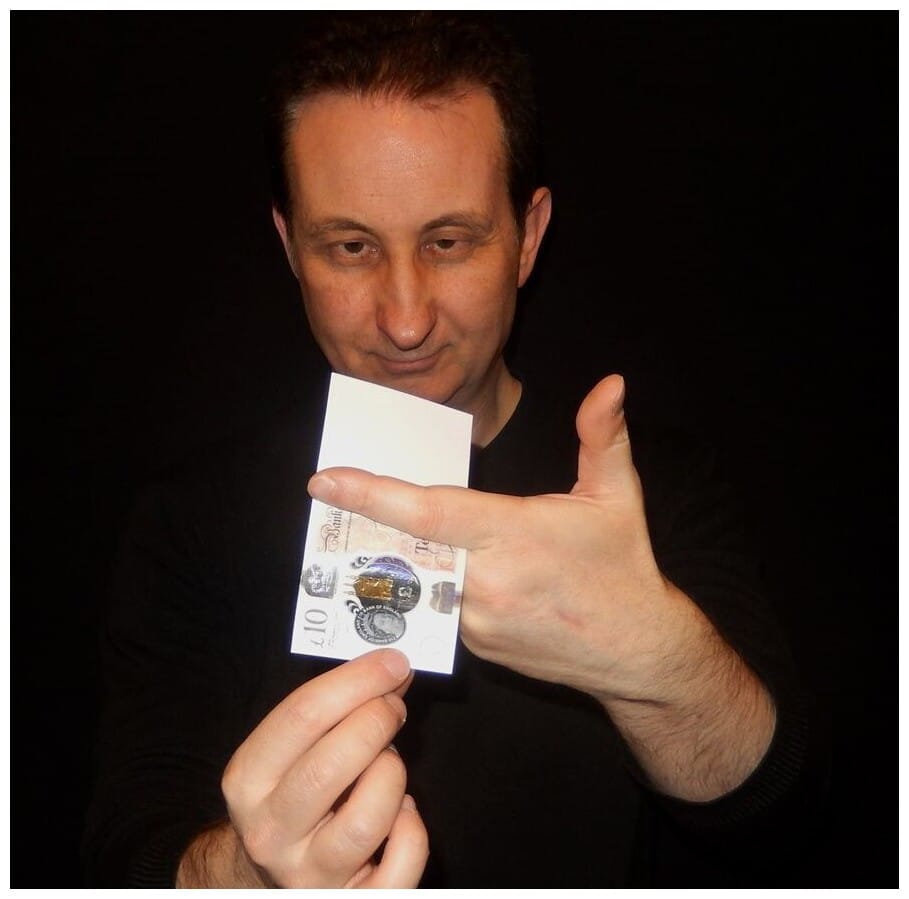
Andy Field is a professional magician, offering table top magic, sleight of hand illusions, mind reading and more, for a variety of occasions. Over the years Andy has built a strong global following, boasting over 20,000,000 views on his YouTube channel and an array of reviews across multiple platforms. Having amassed experience as a wedding magician, party magician & close up magician, Andy is seen as one of the industries most tried and tested professional magicians.
Introduction: The Real Secret Behind Sleight of Hand Magic
People often ask me:
“Andy, how do you do that?”
It’s usually followed by one of three things:
“Your hands must be incredibly fast.”
“You must have a special deck of cards.”
“You must have some sort of secret gadget hidden somewhere.”
I always enjoy these questions because they reveal one of the biggest misunderstandings about magic.
Sleight of hand is not really about having lightning-fast fingers.
It is not about waving your hands around like you’re trying to dry them after washing up.
And no, I don’t have tiny robots living inside my sleeves doing the work for me. Although after 20 years performing close-up magic, I have occasionally considered hiring some.
The true art of sleight of hand magic is about skill, timing, psychology, confidence and understanding human attention.
A great magician does not simply fool your eyes.
They controls what you think you saw.
That is where the real magic happens.
I’m Andy Field, a professional UK close-up magician specialising in powerful, entertaining magic using ordinary objects such as playing cards, coins, borrowed rings, money, phones and everyday items. Feel free to see how Google reviews me!
The best magic is not about the secret move.
The best magic is about the moment.
It’s about the look on someone’s face when something impossible happens right in front of them.
What Is Sleight of Hand Magic?
sleight of hand is the art of manipulating objects secretly to create the illusion of impossible events.
The phrase comes from the old meaning of “sleight”, meaning skill, dexterity or cleverness.
It is sometimes described as “manual deception”, but that description makes it sound like something suspicious.
Magic is not about cheating people.
A magician is not trying to take something from you.
Apart from perhaps your ability to explain what just happened!
Sleight of hand is a performance art where the magician uses:
- Natural movements
- Secret techniques
- Misdirection
- Timing
- Psychology
- Presentation
to create an experience that feels impossible.
A playing card appears somewhere impossible.
A borrowed ring disappears and reappears.
The signed object travels from one place to another.
A prediction becomes reality.
The method might be complicated, but the experience should feel simple.
If you'd like to explore how sleight of hand fits into the wider world of professional magic, including the different styles, techniques and performance approaches used by magicians, take a look at Andy's complete guide to professional magic.
That is the difference between knowing a trick and being a magician.
One of the oldest known pieces of sleight of hand is the Cups and Balls.
Sleight of Hand Is More Than Fast Fingers

One of the biggest myths about magic is that speed is everything.
It isn’t.
If speed was the secret, the fastest person in the world would automatically be the greatest magician.
Imagine watching someone shuffle cards at incredible speed.
Amazing?
Possibly.
Entertaining?
Maybe for about ten seconds.
But magic is not a speed competition.
Nobody goes to a wedding thinking:
“Hopefully the magician has a world-record card shuffle.”
They want to experience something memorable.
They want to laugh and be surprised.
The secret to great sleight of hand is making difficult things look effortless.
A professional magician spends countless hours practising moves until they become natural.
The audience should never see the work.
It should look like nothing happened.
That is the real skill.
That is the real skill — and it is something I bring to every performance as a professional Bath Magician
Sleight of hand is also controlling attention, timing and the spectator's interpretation of what they see.
Three Card Monte is a perfect example of this technique. It combines misdirection and psychology to make someone believe they have followed a card when they haven't.
The Four Foundations of Sleight of Hand
After many years performing close-up magic, I believe every great sleight of hand magician relies on four important foundations.
1. Technique
Obviously, a magician needs technical ability.
This includes learning moves such as:
- False shuffles
- False cuts
- Palming
- Controls
- Vanishes
- Productions
- Switches
- Secret transfers
These techniques allow the magician to secretly control objects while appearing completely fair.
For example, with card magic, a magician may appear to lose a spectator’s chosen card somewhere in the deck.
A moment later, the card appears somewhere impossible.
The secret is not just the move.
The secret is making the audience believe everything happened exactly as they saw it.
2. Misdirection
misdirection is one of the most misunderstood parts of magic.
Many people think misdirection means making someone look away.
It doesn’t.
A good magician does not usually need someone to look somewhere else.
Instead, they influence where someone places their attention.
There is a big difference.
Human attention is limited.
You might be looking directly at my hands, but your brain is also processing:
- My words
- My expression
- Your expectations
- The situation around you
A magician uses this natural behaviour to create impossible moments.
Sometimes the strongest misdirection is not looking away.
Sometimes it is making you look exactly where you think the secret is happening.
As a professional Gloucester Magician, I use this understanding of attention and psychology to make the magic feel completely impossible.
The Psychology Behind Sleight of Hand Magic

Many people believe magic is all about the hands.
The truth is, the hands are only one part of the equation.
The greatest weapon a magician has is not their fingers.
It is their understanding of people.
A magician who only practises moves can become technically brilliant but still create a disappointing performance.
A magician who understands psychology can take a simple moment and turn it into something unforgettable.
This is why two magicians can perform exactly the same trick, using the same method, but one leaves people amazed while the other leaves them thinking:
“Was that it?”
The difference is rarely the secret.
The difference is the performer.
Magic Happens in the Mind, Not Just the Hands
When I perform close up magic people often say:
“I was watching your hands the whole time!”
That is one of the greatest compliments a magician can receive.
But there is usually a funny little problem.
They were watching my hands...
but they weren’t seeing everything my hands were doing.
The human brain does not record reality like a video camera.
It fills in gaps.
It makes assumptions.
Plus it decides what is important and what is not.
And magicians use this natural human behaviour to create moments of wonder.
Your brain is actually helping the magician.
Thank you very much, brain.
Very helpful.
If you're looking for a Swindon Magician, this same understanding of human attention is what helps turn a simple trick into a genuinely memorable experience.
Attention: The Magician’s Greatest Tool
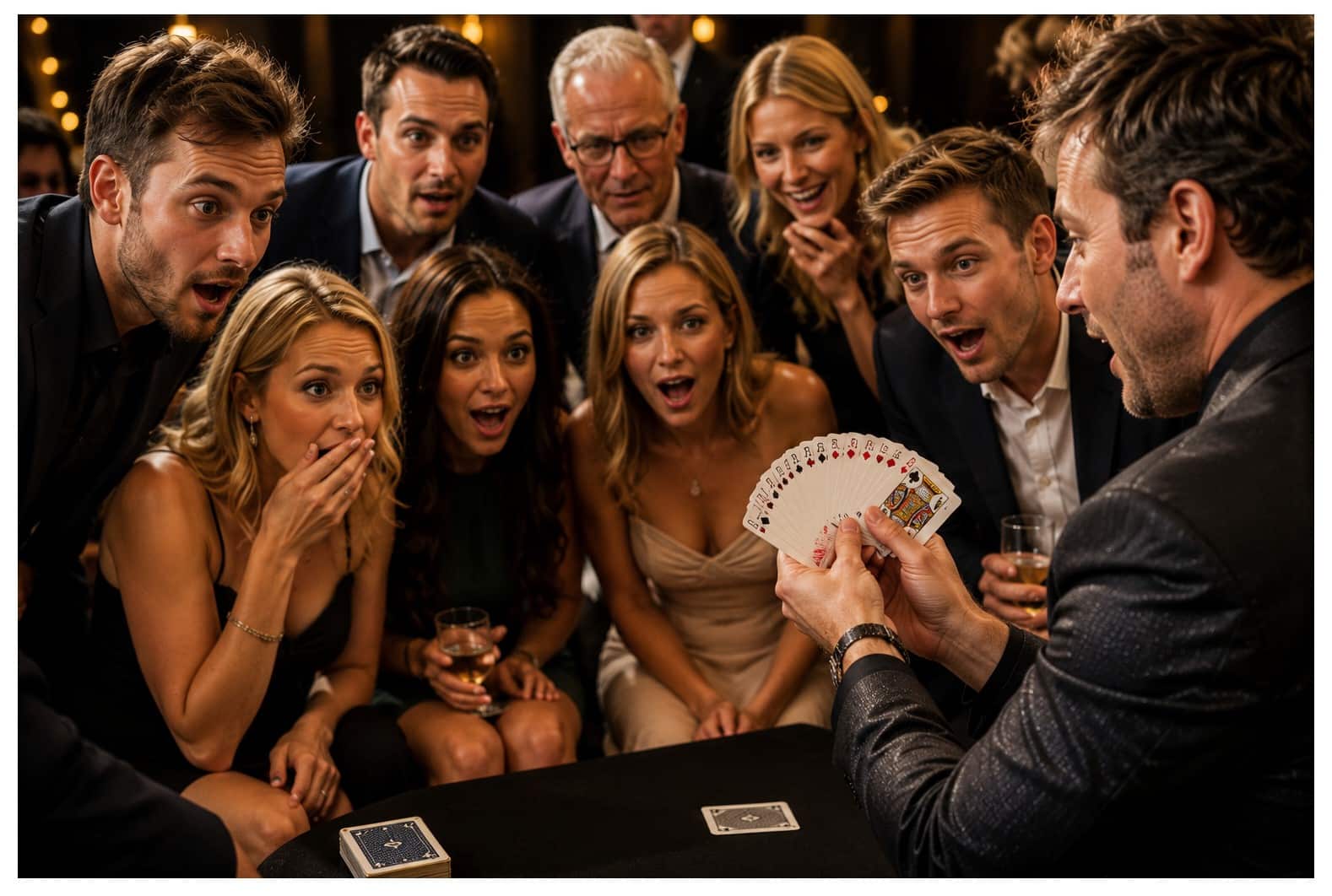
Imagine you are watching a magician perform a card trick.
You believe you are concentrating on everything.
But your attention is constantly moving.
You are listening to the magician speak.
You are watching their facial expressions.
You are thinking about what might happen next.
You are remembering what happened a few seconds earlier.
Your brain is busy.
This gives the magician opportunities.
A skilled performer understands that people do not simply watch magic.
They experience magic.
The magic controls the story.
They decide what information the audience receives.
They create expectations.
This builds curiosity.
Then they deliver the impossible moment.
The Importance of Timing in Sleight of Hand
One of the hardest things for a magician to learn is timing.
A beginner magician often thinks:
“The secret move has to be incredibly fast.”
A professional magician thinks:
“The secret move has to happen at exactly the right moment.”
There is a huge difference.
Sometimes the perfect time to do something secret is not when everyone is looking away.
Sometimes it is when everyone is looking directly at you.
That sounds impossible, but that is the beauty of good magic.
The audience sees what they expect to see.
If a movement looks natural, the brain accepts it.
If something looks suspicious, the brain becomes a detective.
And believe me, everyone becomes Sherlock Holmes when they think they are about to discover a magic secret!
Suddenly, the person who normally forgets where they left their glasses is analysing your every finger movement.
Why Confidence Matters in Magic

Confidence is another important part of sleight of hand.
A magician who looks nervous makes the audience nervous.
If the performer seems unsure, people naturally start searching for the method.
But a confident magician creates a relaxed atmosphere.
The audience trusts the performer.
They enjoy the experience.
This does not mean pretending to be arrogant.
Nobody likes a magician who behaves like they personally invented the universe.
Magic is about sharing a moment with people. As a professional Oxford Magician. I believe the best magic should feel personal, engaging and completely impossible.
Magic is about sharing a moment with people.
The best performers make the audience feel involved.
The spectator should feel like they helped create the miracle.
The Role of Storytelling in Sleight of Hand
A common mistake beginners make is focusing only on the trick.
They learn a difficult move.
They practise hundreds of times.
Next finally perform it.
Then they wonder why the reaction is disappointing.
The problem?
A trick without a story is just a puzzle.
People enjoy solving puzzles.
But they remember experiences.
For example, making a coin disappear is interesting.
But making a borrowed coin disappear and appear somewhere impossible, connected to a funny story about trust, memory or imagination, becomes something people remember.
The magic is not just:
“Look, the coin vanished.”
The magic is:
“How did that happen right in front of me?”
Different Types of Sleight of Hand
Sleight of hand covers many different areas of magic.
Although I specialise in close-up magic, the principles are used across many styles.
Card Sleight of Hand

Card magic is probably the most famous area of sleight of hand.
A deck of cards is a perfect magical object because everyone understands the rules.
A card is selected.
It is lost.
It appears somewhere impossible.
The simplicity creates the mystery.
Some common card techniques include:
- Controlling a chosen card
- Secretly changing cards
- Making cards appear or vanish
- Creating impossible predictions
- Producing visual transformations
The best card magic looks effortless.
The audience should not be thinking:
“How did he manipulate the cards?”
They should be thinking:
“How is that possible?”
If you're particularly interested in card magic, I've also written a detailed guide to Card Trick Magician Bath.
Coin Sleight of Hand
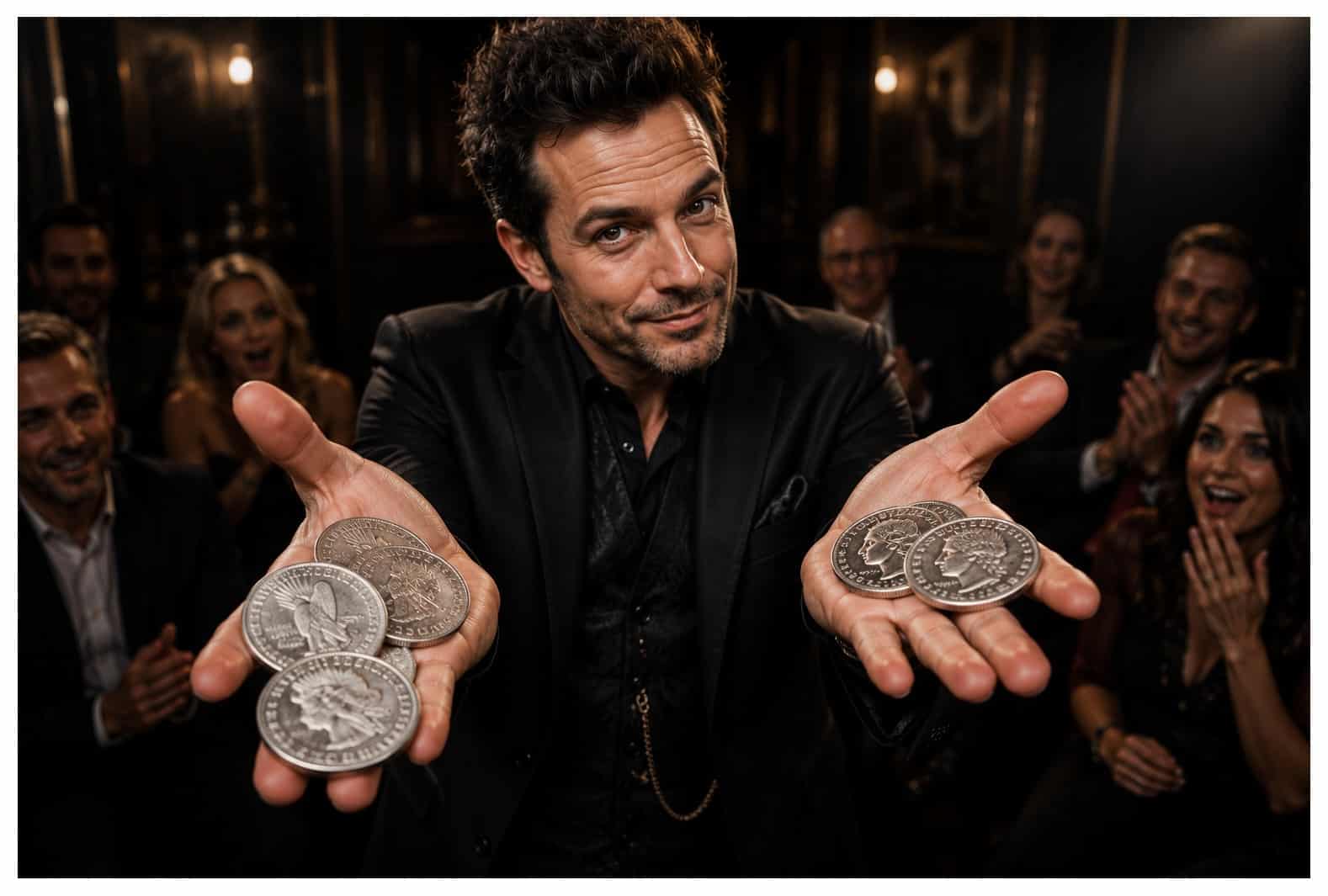
Coins create incredibly powerful magic because they are ordinary objects.
Everyone knows what a coin is.
There are no special markings.
No unusual equipment.
Just a small piece of metal.
This creates a stronger feeling of impossibility.
Coin magic often involves:
- Vanishes
- Appearances
- Transfers
- Penetrations
- Productions
A coin disappearing from one hand and appearing somewhere impossible creates a very strong reaction because people feel they understand the object.
Then suddenly, they don’t.
Object Magic
Some of my favourite magic uses borrowed objects.
A spectator’s ring.
A mobile phone.
Even a banknote.
Something that belongs to them.
Why?
Because it removes the feeling that the magician brought something specially prepared.
The object is real.
The situation is real.
Then the impossibility feels much stronger.
Why Do People Love Sleight of Hand?

Magic creates something we rarely experience as adults:
A genuine feeling of wonder.
As children, we naturally believe impossible things can happen.
Then life teaches us:
- Gravity exists.
- Objects stay where we put them.
- Things cannot disappear.
- People cannot read minds.
Then a magician walks into the room and politely ruins everything.
For a few moments, the impossible becomes possible.
That is why magic remains popular after thousands of years.
People do not want to know everything.
Sometimes they just want to be amazed.
Sometimes they just want to be amazed — and that is exactly what a professional Bristol Magician can bring to an event.
The Basic Techniques Behind Sleight of Hand Magic
When people watch a professional magician perform, they often imagine there must be one incredible secret move that explains everything.
The reality is very different.
Great magic is usually built from many small skills combined together.
A magician might spend months practising a tiny movement that lasts less than a second during a performance.
That might sound excessive.
But think about a musician.
A guitarist does not practise a song once and hope for the best.
A footballer does not train only on match day.
And a magician certainly does not pick up a deck of cards five minutes before a wedding reception and think:
“Right, let’s see what happens.”
Although that would certainly make an interesting evening.
Professional sleight of hand is built through repetition, discipline and understanding how people react.
Palming: Making Objects Disappear

One of the most famous sleight of hand techniques is palming.
Palming allows a magician to secretly hold an object in a hidden position while apparently showing their hand empty.
This technique is often associated with card magic, but it can be used with many objects.
The important thing about palming is not hiding something.
Most of all the important thing is making the hiding look natural.
A beginner often thinks:
“I need to hide the object.”
A professional thinks:
“I need to make nobody care that the object is there.”
That difference is huge.
If someone suspects you are hiding something, they become focused on your hands.
If everything feels relaxed and natural, they enjoy the experience.
The Art of the Vanish
A vanish is one of the most powerful moments in magic.
An object disappears.
But why is that so fascinating?
Because disappearance challenges something we all understand about the world.
Objects do not simply stop existing.
A coin does not normally vanish.
A playing card does not normally disappear from someone’s hand.
The borrowed ring does not normally travel somewhere impossible.
Yet the magician creates that experience.
A good vanish is not about making something invisible.
It is about making the audience believe they witnessed something impossible.
The technique might happen quickly.
The memory of the moment lasts much longer.
The Secret Power of a Transformation

Transformation magic is another classic area of sleight of hand.
Something changes into something else.
A card becomes another card.
A borrowed note changes value.
And a prediction becomes reality.
Humans are fascinated by change.
We understand that objects have fixed identities.
When a magician breaks that rule, the brain struggles to explain what happened.
It creates that wonderful moment where someone says:
“Wait... what?”
And that “wait... what?” moment is exactly what magicians are looking for.
Controls: Secretly Controlling the Impossible
In card magic, one of the most important skills is controlling a chosen card.
A spectator might genuinely select a card and place it somewhere in the deck.
The magician then finds it.
The secret is often not about finding the card.
The secret is controlling information.
The magician secretly knows something the audience does not.
This is where psychology becomes important.
As a professional Cheltenham Magician, understanding how people remember and interpret what they see is an important part of creating convincing close-up magic.
This is where psychology becomes important.
The spectator remembers:
“I put the card in the middle.”
The magician knows:
“Yes, but I secretly controlled where it really is.”
The miracle happens because the audience’s memory and understanding are different from reality.
False Shuffles and False Cuts
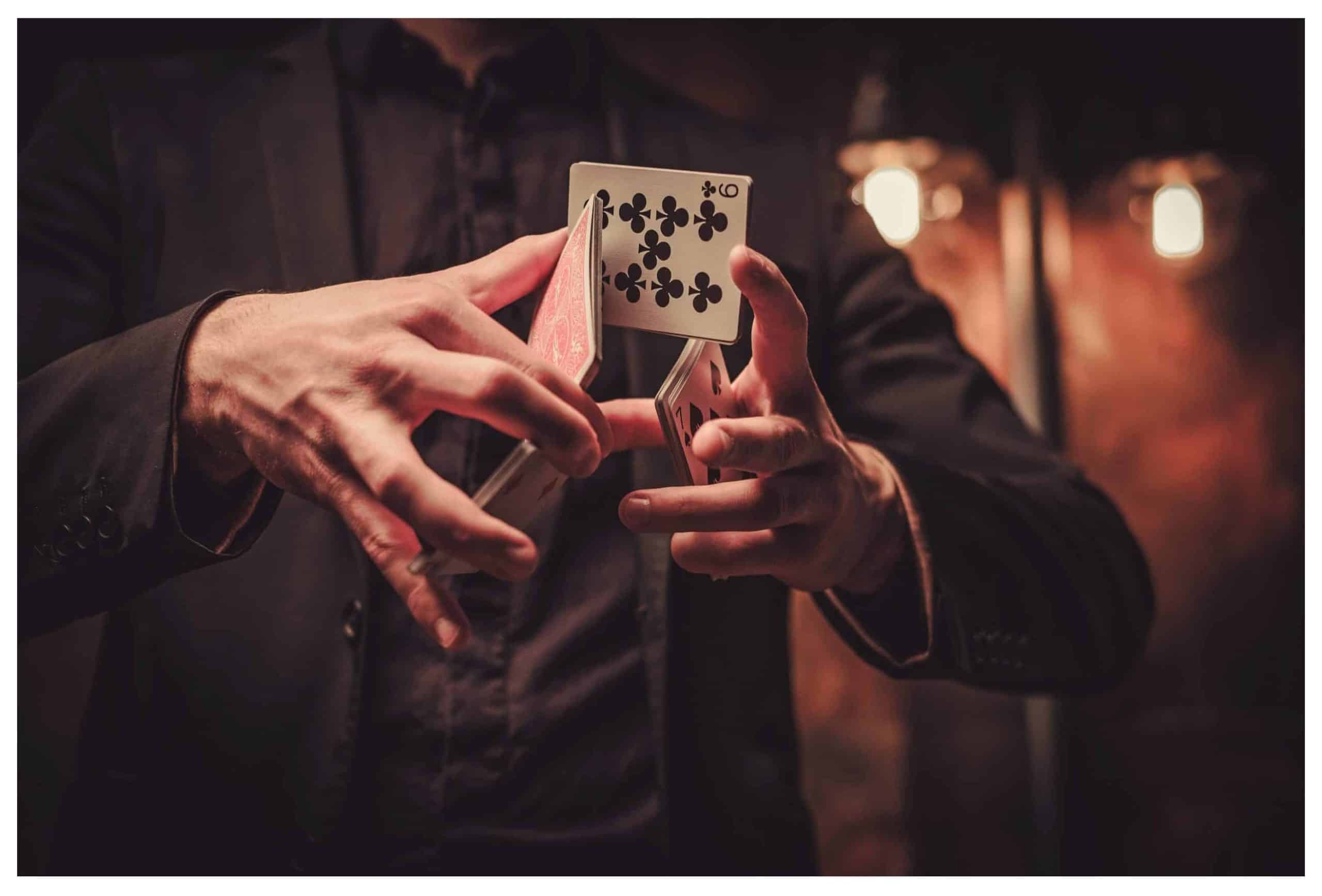
A false shuffle is a technique where the magician appears to mix the cards while secretly maintaining control.
A false cut creates the same illusion.
These techniques are powerful because they increase fairness.
The audience thinks:
“Surely the cards have been completely mixed.”
That feeling of fairness makes the final effect much stronger.
Magic works best when the audience believes there is no possible explanation.
The more impossible it feels, the stronger the reaction.
How Professional Magicians Practice Sleight of Hand
People often ask me:
“How long did it take you to learn that?”
The honest answer is:
Longer than you think.
Much longer.
A magician may practise a single move hundreds or thousands of times.
But practice is not just repeating a movement.
Good practice involves:
1. Learning the Mechanics
First, the magician learns how the move physically works.
Where should the fingers go?
How much pressure is needed?
What movement feels natural?
This is the technical stage.
2. Making It Invisible
The next stage is making the move look natural.
A beginner might think:
“Can I do the move?”
A professional asks:
“Can anyone tell I am doing a move?”
There is a big difference.
The audience should never feel like they are watching a technique.
They should feel like they are watching something impossible happen.
3. Adding Presentation
This is where real magic begins.
A technically perfect trick with no personality can feel empty.
A simple trick performed with humour, confidence and storytelling can become unforgettable.
This is why some magicians can take a simple idea and receive an incredible reaction.
They are not just performing a trick.
They are creating a moment.
The Difference Between Amateur and Professional Magic

An amateur magician often asks:
“How difficult is this trick?”
A professional magician asks:
“How will this make someone feel?”
That difference separates learning magic from performing magic.
Anyone can learn a secret.
Not everyone can create wonder.
A professional magician understands:
- When to speak
- When to pause
- When to let silence create tension
- How to involve spectators
- How to make people laugh
- How to create memories
As a professional Cotswolds Magician, I believe those moments of interaction and connection are what turn a magic performance into something people genuinely remember.
The method is only the engine.
The performance is the journey.
Nobody remembers the engine of a great car journey.
They remember where it took them.
Why Presentation Beats Technique
I have seen incredibly skilled magicians who could perform unbelievably difficult moves.
But sometimes the reaction was small.
Why?
Because skill alone is not enough.
Imagine someone playing the fastest piano piece in the world but showing no emotion.
Impressive?
Yes.
Moving?
Maybe not.
Magic is the same.
A spectator does not care how difficult something was.
They care how amazing it felt.
The best compliment a magician can receive is not:
“That was a difficult move.”
It is:
“I have absolutely no idea how you did that.”
Sleight of Hand and Comedy
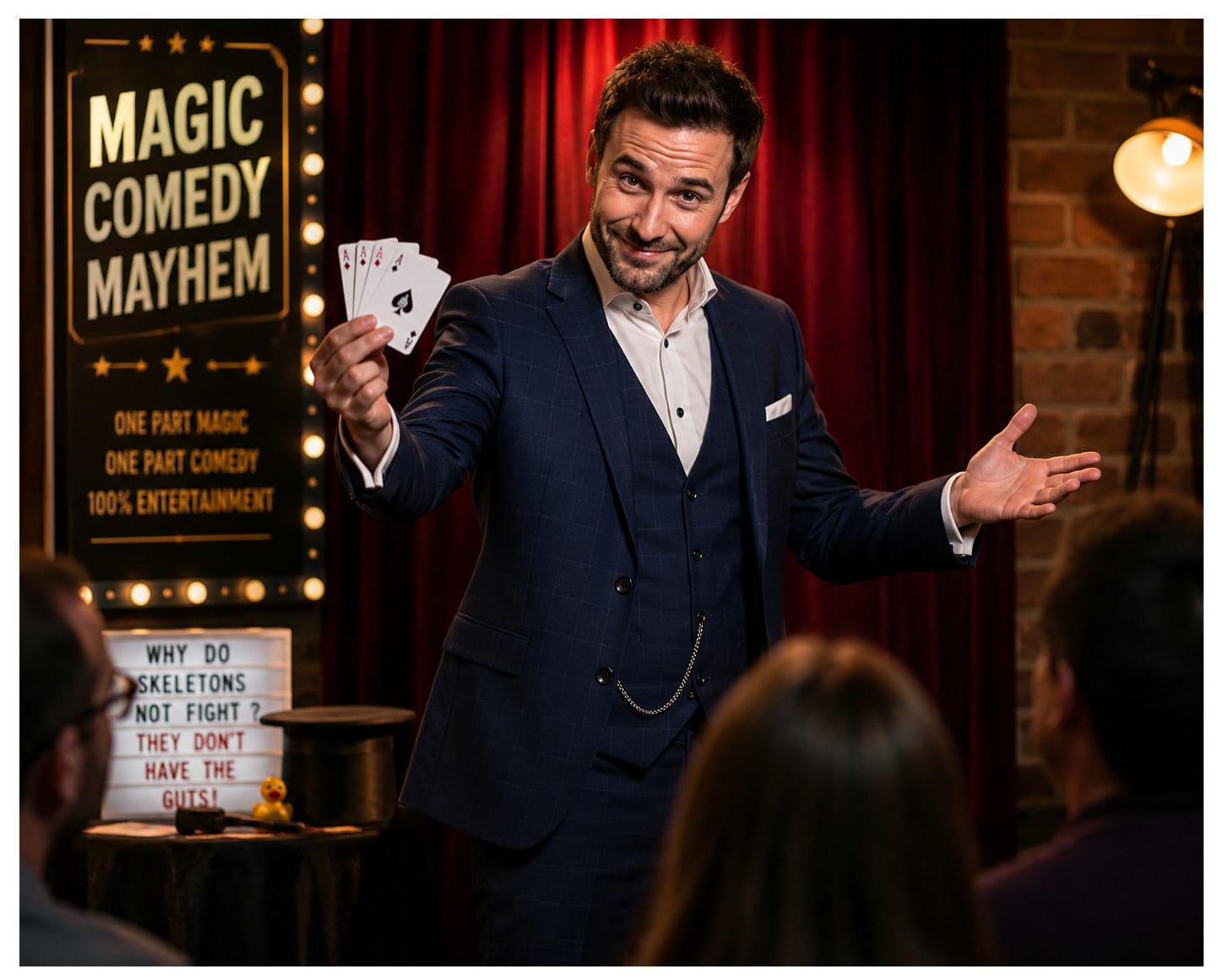
For me, magic and humour belong together.
A laugh relaxes people.
It creates connection.
It turns a performance from a demonstration into entertainment.
I have always believed that people remember how you make them feel.
A perfect trick might impress someone for a few minutes.
A great experience can be remembered for years.
And if you can make someone laugh while making something impossible happen?
That is a very powerful combination.
Although I should mention:
Making someone laugh is usually easier than making their borrowed ring disappear.
Especially when it’s their wedding ring.
That is when the pressure suddenly goes up!
A Brief History of Sleight of Hand Magic
sleight of hand magic is not a modern invention.
People have been fascinated by impossible things for thousands of years.
Long before television, YouTube and social media, magicians were entertaining audiences with clever techniques, storytelling and mystery.
The desire to experience wonder is something that has always been part of human nature.
Ancient performers used simple objects:
- Cups
- Balls
- Coins
- Ropes
- Everyday items
The methods may have changed over time, but the basic idea remains the same:
Take something ordinary and make it extraordinary.
And that is still what makes close-up magic so powerful today.
A magician does not need explosions, smoke machines or a stage full of equipment.
Sometimes the strongest magic happens with nothing more than a borrowed coin or a pack of playing cards.
The Cups and Balls: One of Magic’s Oldest Secrets
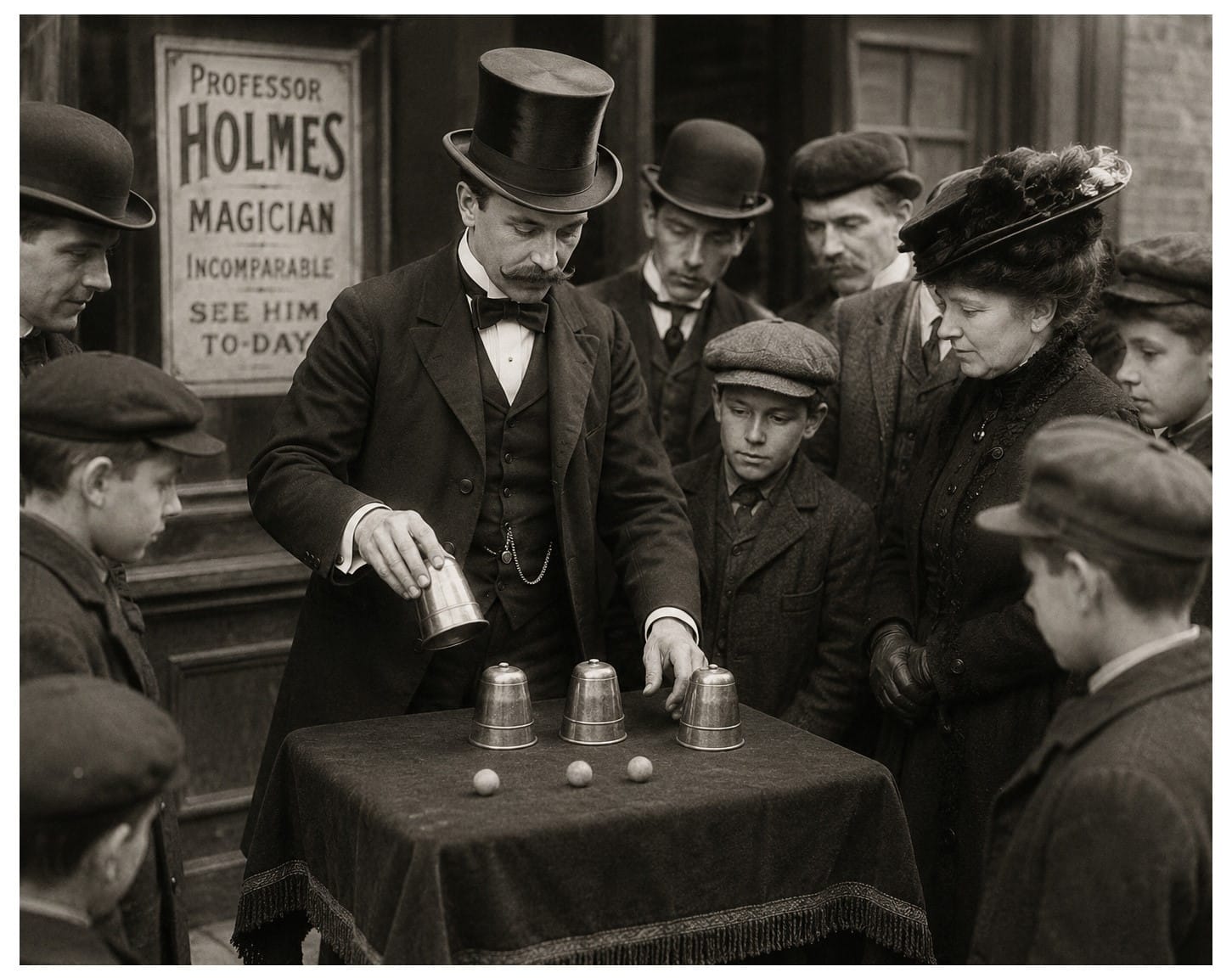
One of the oldest known pieces of sleight of hand is the Cups and Balls.
The effect is simple:
Balls disappear.
Balls appear.
They travel from one place to another.
The audience watches closely, yet the magician creates impossible moments right in front of them.
The beauty of the Cups and Balls is that it demonstrates the foundations of all great magic:
- Timing
- Misdirection
- Psychology
- Audience management
- Presentation
Even after centuries, it remains a favourite among professional magicians.
Why?
Because the method may be old, but the emotions are timeless.
People still love being surprised.
The Golden Age of Magic
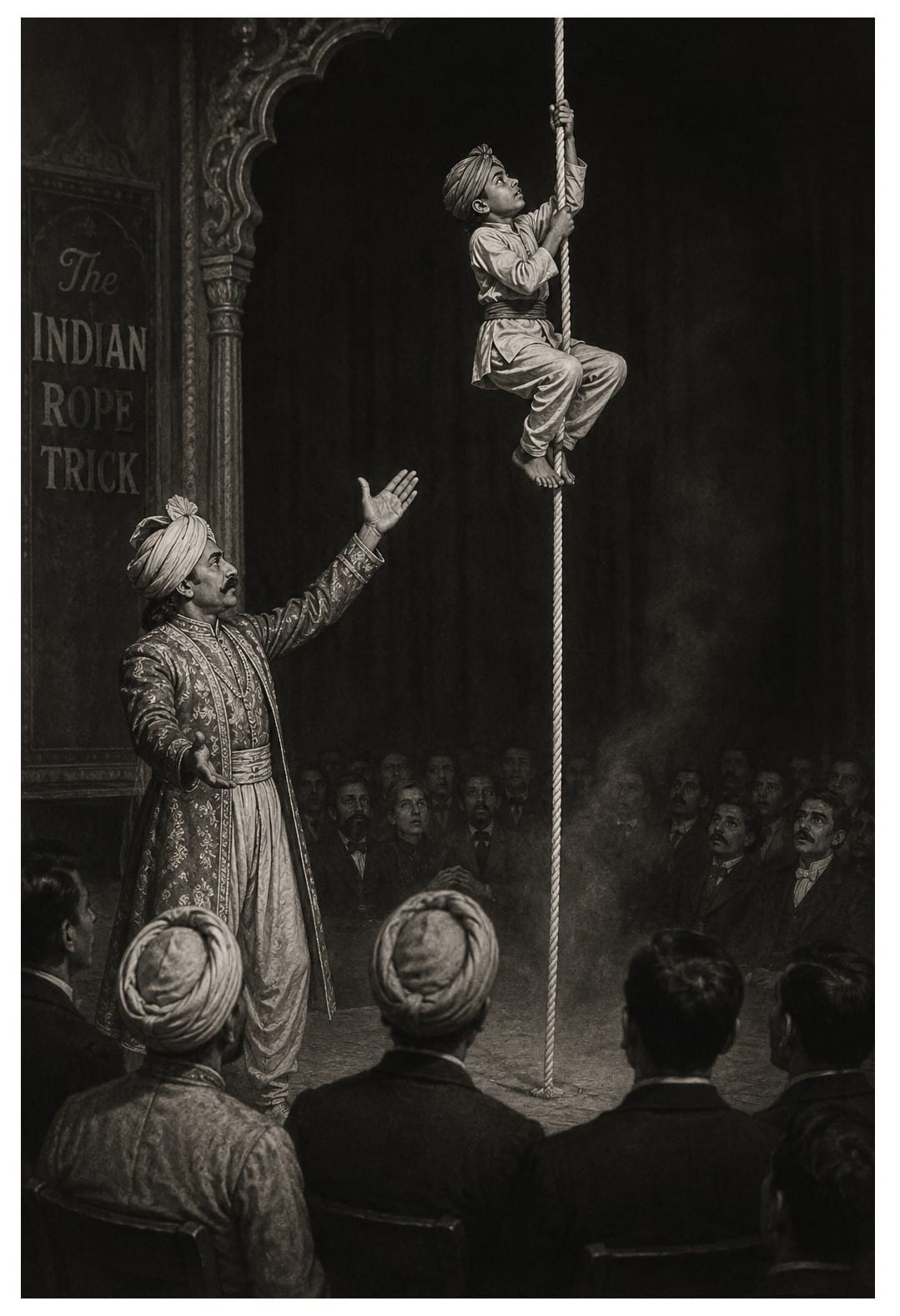
The late 1800s and early 1900s are often called the Golden Age of Magic.
This was when famous performers developed magic into a major entertainment art form.
Magicians began creating larger stage illusions, elaborate performances and theatrical presentations.
But even during this period, close-up magic remained incredibly important.
The greatest performers understood something:
Magic is not about the equipment.
Magic is about the experience.
A huge stage illusion might amaze thousands of people.
But a small miracle happening in someone’s own hands creates a very personal connection.
Famous Magicians Who Changed the Art
Throughout history, many performers have influenced how magic is presented.
Harry Houdini

Harry Houdini became one of the most famous names in magic history.
Although best known for his incredible escapes, Houdini understood something important:
The secret alone does not create fame.
The performance does.
He created drama, excitement and a sense of danger around his acts.
He was not simply escaping from objects.
Above all he was creating unforgettable moments.
Dai Vernon
Dai Vernon is one of the most respected figures in close-up magic.
Known as “The Professor”, he influenced generations of magicians through his work with cards and sleight of hand.
His approach focused on naturalness.
The magic should not look like a magician performing a move.
It should look like something impossible happening naturally.
That idea is still central to modern close-up magic.
David Copperfield
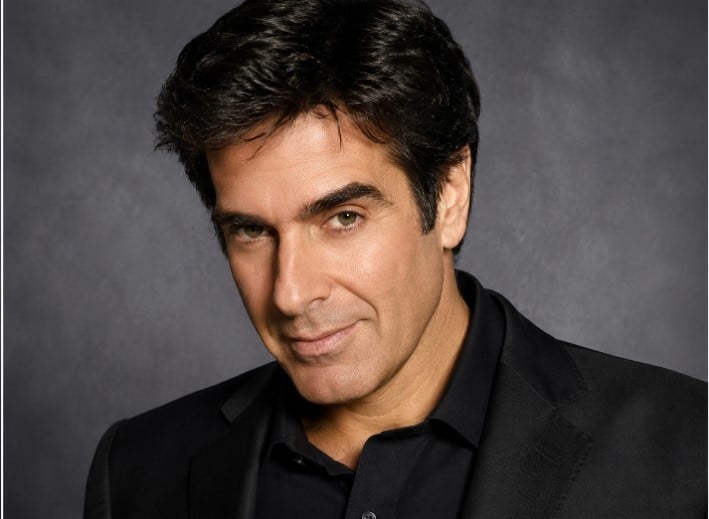 David Copperfield brought magic to huge audiences around the world through television and spectacular stage shows.
His performances showed that magic could be emotional, theatrical and story-driven.
He proved that audiences do not just want to see something impossible.
They want to experience a journey.
Modern Close-Up Magicians
Today, close-up magic continues to grow.
Television, social media and online videos have introduced millions of people to sleight of hand.
But there is still something special about seeing magic performed live.
A video can show you a trick.
A live magician can create a memory.
That difference is huge.
There is also a fascinating middle ground between close-up magic and a traditional stage show.
Parlour magic allows a magician to perform for a slightly larger group while keeping the interaction, personality and sleight of hand that make close-up magic so engaging.
There is also a fascinating middle ground between close-up magic and a traditional stage show. Parlour magic in Cheltenham allows a magician to perform for a slightly larger group while keeping the interaction, personality and sleight of hand that make close-up magic so engaging.
I’ve also written about parlour magic in Bristol and how it can work particularly well for private parties, corporate events and other occasions.
Why Close-Up Magic Is So Powerful
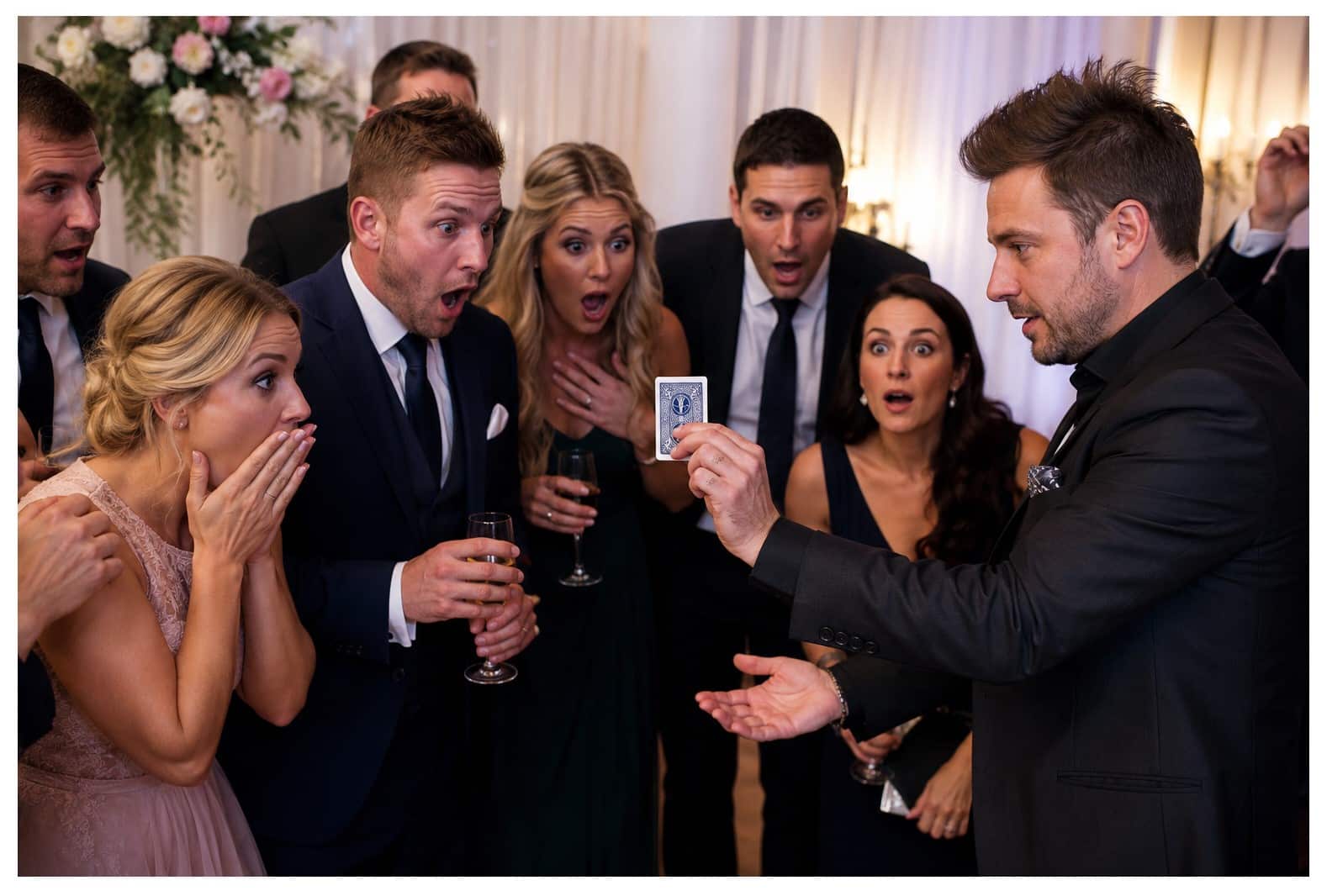
Close-up magic creates a unique connection because there is nowhere to hide.
The audience is close.
Sometimes only inches away.
The magician uses everyday objects.
There are no complicated stage props.
No dramatic lighting.
No special effects.
Just a performer and a spectator sharing a moment.
This creates a very different feeling from watching a stage illusion.
When a card changes colour in front of someone’s eyes, they know they saw it happen.
When a borrowed ring disappears and appears somewhere impossible, they know it was their ring.
Even when a signed card appears in a place it could not possibly be, they know something extraordinary happened.
That personal connection is what makes close-up magic so memorable.
There is also a fascinating middle ground between close-up magic and a traditional stage show. Parlour magic in Oxford allows a magician to perform for a slightly larger group while keeping the interaction, personality and sleight of hand that make close-up magic so engaging.
It can be particularly effective for weddings, private parties and other occasions where guests can gather together and enjoy the performance as a group.
Modern Sleight of Hand: Magic for Today’s Audience
Magic has changed because audiences have changed.
People today are used to seeing incredible things every day.
They watch films with amazing special effects.
They see edited videos online.
They experience technology that would have seemed impossible decades ago.
So how does a magician compete?
By doing something technology cannot replace.
Human connection.
A real magician standing in front of you creates a shared experience.
There is no replay button.
No editing.
No camera trick.
Just a genuine moment of astonishment.
My Approach to Sleight of Hand Magic

As a professional close-up magician, I believe the secret to great magic is combining skill with entertainment.
You can also learn more about Andy Field, his background and professional experience and the journey that has shaped his approach to magic.
The technical side matters.
Years of practice matter.
Understanding sleight of hand matters.
But the final performance is about people.
When I perform, I am not simply trying to fool someone.
I want them to enjoy themselves.
I want them to laugh. Plus experience something they will remember.
A great reaction is not just someone saying:
“How did you do that?”
It is the smile afterwards.
It is the person immediately grabbing their friend and saying:
“You have to see this!”
That is the real reward.
Sleight of Hand at Weddings and Events
One of the reasons close-up magic works so well at weddings and corporate events is because it fits naturally into the occasion.
For businesses planning an event, a Corporate Magician Worcester can provide interactive close-up magic that gets people talking, creates natural interaction between guests and adds entertainment without interrupting the flow of the even
For couples planning a wedding, a Wedding Magician Worcester can provide entertaining close-up magic while guests are enjoying the reception and celebrating together.
If you are planning a party my Worcester party magician guide will help.
People are already there to celebrate.
They are already socialising.
Magic creates instant conversations.
At a wedding, guests who may not know each other suddenly have something to talk about. If you're hiring a magician in Bristol for your wedding or event, close-up magic gives guests a natural way to interact and enjoy the occasion together.
“Did you see that?”
“How did he do that?”
“Show me your hands!”
(Which, by the way, is the quickest way to make a magician feel like they are being inspected by airport security.)
Close-up magic breaks the ice and brings people together.
If you're planning your budget and wondering how much a Worcester magician costs, I've also put together a guide explaining what affects magician prices.
The Future of Sleight of Hand Magic
Although magic has a long history, the future is exciting.
New generations of magicians continue developing:
- New techniques
- Original routines
- Creative presentations
- Modern approaches
But the foundation remains unchanged.
A person.
A moment.
Something impossible.
That is why sleight of hand has survived for centuries.
Because people will always enjoy being amazed.
Can Anyone Learn Sleight of Hand Magic?
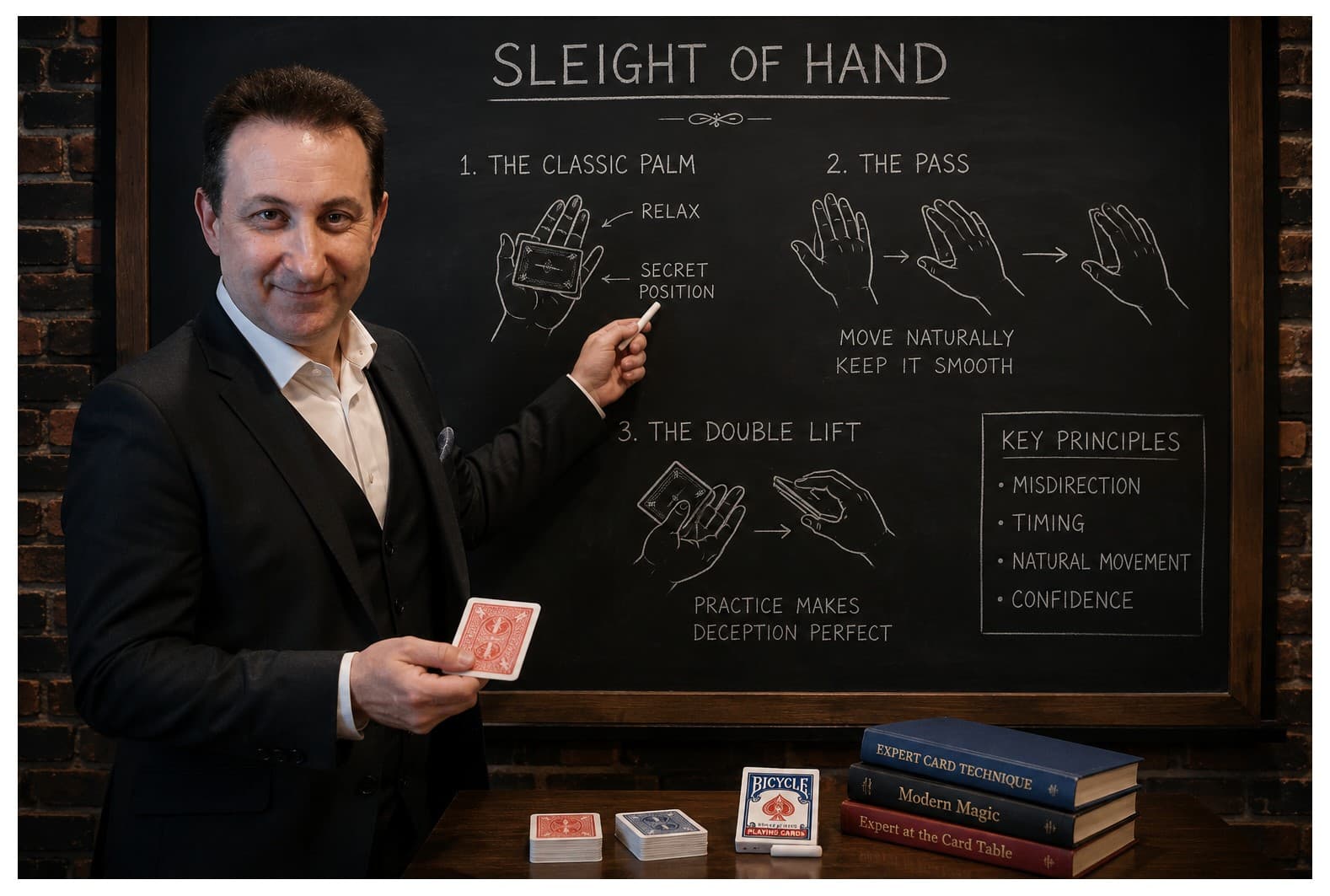
One of the questions I get asked most often is:
“Can anyone learn magic?”
The answer is yes.
Anyone can learn the basics of sleight of hand.
You do not need naturally gifted hands.
You do not need to be born with special abilities.
As already mentioned you do not need fingers that move faster than a computer keyboard.
Thankfully, because if that was the requirement, most of us would have given up before finishing our first card trick.
What you do need is:
- Patience
- Practice
- Curiosity
- The willingness to make mistakes
- A desire to entertain people
Learning magic is a journey.
The first time you try a sleight of hand technique, it may feel impossible.
Your fingers seem to have forgotten how fingers work.
The cards feel awkward.
The move looks unnatural.
That is completely normal.
Every professional magician started there.
How Do Magicians Learn Sleight of Hand?
Learning sleight of hand is similar to learning a musical instrument.
Nobody becomes an excellent guitarist by watching someone else play for five minutes.
The same applies to magic.
A magician develops their skills gradually.
Step 1: Learn the Foundations
Before attempting complicated techniques, beginners need to understand the basics.
This includes:
- How to hold objects naturally
- How to handle cards confidently
- How to move without looking suspicious
- How to control attention
- How to communicate with spectators
The basics may not look exciting, but they create the foundation for everything else.
A house needs strong foundations.
Magic is exactly the same.
Step 2: Practise Slowly
One of the biggest mistakes beginners make is trying to perform too quickly.
They think:
“If I move fast, people won’t notice.”
Usually, the opposite happens.
Fast, unnatural movements attract attention.
Professional magicians practise slowly.
Very slowly.
They repeat movements until they become comfortable.
Then they repeat them again.
And again.
And probably again after that.
There is a reason magicians have large collections of playing cards.
Although explaining to your family why you have 47 decks of cards can sometimes be challenging.
Common Mistakes Beginner Magicians Make
Mistake 1: Focusing Only on the Secret
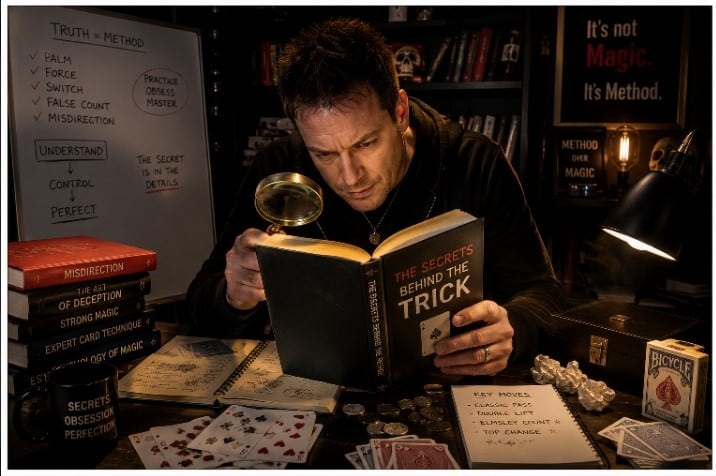 A beginner often thinks:
“If I learn the method, I can perform the trick.”
Not quite.
Knowing the secret is only the beginning.
A magician needs to understand:
- When to perform the effect
- How to introduce it
- How to involve people
- How to create emotion
- How to finish strongly
The secret creates the possibility.
The performance creates the magic.
Mistake 2: Trying to Impress Instead of Entertain
 This is a very common problem.
A magician learns a difficult move and immediately wants to show everyone.
But audiences do not care how difficult something is.
They care how it feels.
A spectator does not go home thinking:
“Wow, that magician had excellent finger dexterity.”
They go home thinking:
“That was amazing!”
or:
“I still cannot believe what happened.”
Magic is communication.
It is not a gymnastics competition for your fingers.
Mistake 3: Performing Too Many Tricks
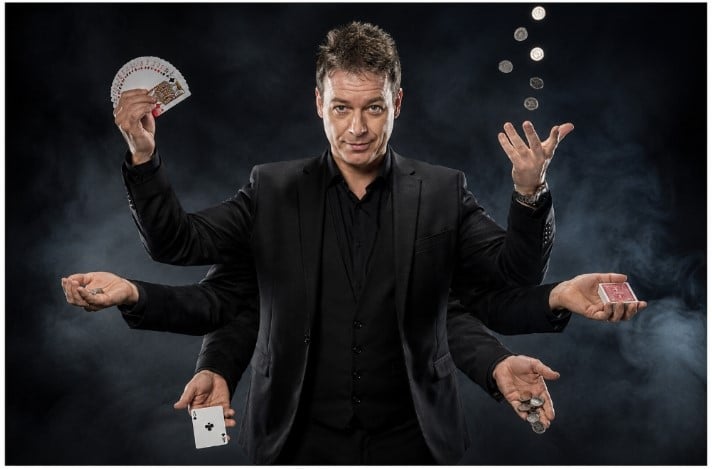 Many beginners make the mistake of learning hundreds of tricks but never mastering any.
A professional magician might perform a relatively small number of routines.
The difference?
Those routines have been refined.
Improved.
Tested.
Adjusted.
A great routine is like a favourite song.
It becomes better every time you perform it.
How Long Does It Take to Master Sleight of Hand?
This is a difficult question because everyone learns differently.
Some basic techniques can be learned relatively quickly.
But mastering sleight of hand takes years.
Even experienced magicians continue learning.
That is one of the fascinating things about magic.
There is always something new to discover.
A magician can spend decades studying:
- New techniques
- Different presentations
- Psychology
- Performance skills
- Audience interaction
Magic is not something you finish learning.
It grows with you.
The Difference Between Knowing Magic and Being a Magician
This is an important distinction.
Someone who knows magic tricks knows how something works.
A magician understands why it works.
They understand:
- Human behaviour
- Entertainment
- Timing
- Emotion
- Connection
A person can learn a secret in five minutes.
But creating a magical experience takes much longer.
The method is only a small part of the art.
Frequently Asked Questions About Sleight of Hand Magic
What does sleight of hand mean?
Sleight of hand means using skill and secret techniques to manipulate objects while creating the illusion of impossible events.
It combines physical ability with psychology and performance.
Is sleight of hand the same as being fast?
No.
Speed is only a small part of sleight of hand.
The best magic often looks slow, relaxed and completely natural.
The goal is not to move quickly.
It is to make the audience believe something impossible happened.
Can you learn sleight of hand without natural talent?
Yes.
Like any skill, improvement comes through practice.
A beginner may struggle at first, but consistent practice develops ability.
What objects are used in sleight of hand magic?

Many objects can be used, including:
- Playing cards
- Coins
- Rings
- Money
- Pens
- Phones
- Everyday borrowed items
The more ordinary the object, the stronger the feeling of impossibility.
Why do people enjoy close-up magic?
Close-up magic creates a personal experience.
The audience is involved directly.
They can see the object and hold it,
Most of the time they can take part.
This makes the magic feel much more impossible.
Is sleight of hand real magic?
The techniques behind sleight of hand are based on skill, psychology and illusion.
But the experience created for the audience is very real.
The feeling of surprise, laughter and wonder is genuine.
And that is what matters.
Final Thoughts From Andy Field
After many years performing close-up magic, I still believe the greatest thing about sleight of hand is not the secret.
It is the reaction.
The moment someone sees something impossible happen right in front of them.
The laugh.
The amazement.
The look of complete confusion.
Those moments never get old.
A deck of cards is just paper.
A coin is just metal.
The borrowed ring is just jewellery.
But in the hands of a magician, ordinary objects can become extraordinary.
That is the true art of sleight of hand.
It is not about fooling people.
It is about creating memories.
Because years later, people may forget exactly what trick you performed.
They may forget how the method worked.
But they will remember how you made them feel.
And that, in my opinion, is where the real magic begins.
About Andy Field

Andy Field is a professional UK close-up magician specialising in entertaining sleight of hand magic for weddings, corporate events, parties and private occasions.
He entertains audiences with powerful sleight of hand, mind reading and close-up magic.
With years of experience performing powerful close-up magic using cards, coins, borrowed objects and mind-reading style illusions, Andy combines technical skill with humour, personality and professional showmanship.
His aim is simple:
To create unforgettable moments that people talk about long after the event has finished.
Close-Up Magic Throughout The South West & UK
Andy Field provides professional close-up magic for weddings, parties, corporate events and private celebrations across the South West and beyond. Explore the local close-up magician pages below:
- Bristol Close-Up Magician
- Bath Close-Up Magician
- Gloucester Close-Up Magician
- Cheltenham Close-Up Magician
- Swindon Close-Up Magician
- Oxford Close-Up Magician
- Cotswolds Close-Up Magician
Related Magic Guides
Learn more about Andy Field's approach to professional magic:
- Close-Up Magic Explained: The Ultimate Guide to Close-Up Magicians
- Three Card Monte Explained: The Scam Behind the Trick