The Cups and Balls Explained: One of the Most Famous Tricks in Magic

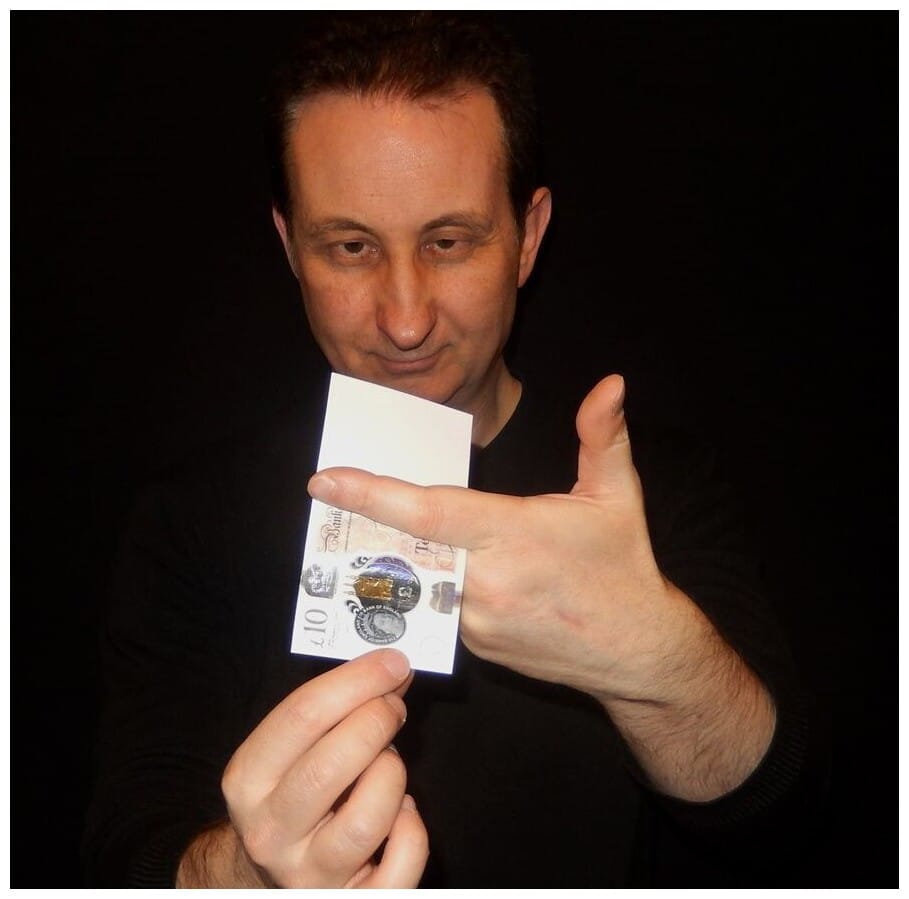
Andy Field is a professional UK magician, offering close up magic, sleight of hand illusions, mind reading and more, for a variety of occasions. Over the years Andy has built a strong global following,with millions of views on his YouTube channel and an array of reviews across multiple platforms. Having amassed experience as a wedding magician, party magician & close up magician, Andy is seen as one of the busiest professional magicians in the UK.
The Cups and Balls Magic Trick
The Cups and Balls is one of the most famous tricks in the history of magic. It is also one of the tricks that can look ridiculously simple to someone watching it for the first time.
Three cups. A few small balls. A magician standing in front of you.
And then, somehow, the balls appear where they shouldn't be.
The Cups and Balls has been performed by generations of magicians and remains one of the great tests of a magician's skill.
It combines sleight of hand, timing, misdirection, psychology, presentation and an understanding of where an audience is looking at any given moment. And that is precisely why I love it.
I've been performing magic for a quarter of a century of experience, and one thing I've learned is that the best magic isn't necessarily the trick with the most complicated-looking props.
Sometimes, the simpler the props, the more difficult it is to fool people.
The Cups and Balls is a perfect example.
There is nowhere for the magician to hide behind a complicated apparatus. There isn't a box with twenty secret compartments or some electronic gadget doing the work.
There are just cups, balls and a magician.
And that makes it a beautiful demonstration of what sleight of hand and misdirection are really about.
When close-up magic works, there is nowhere for the experience to hide. The spectator is part of it. That's exactly why I enjoy performing as a Gloucester magician, where the audience can experience the magic right in front of them.
What Is the Cups and Balls?
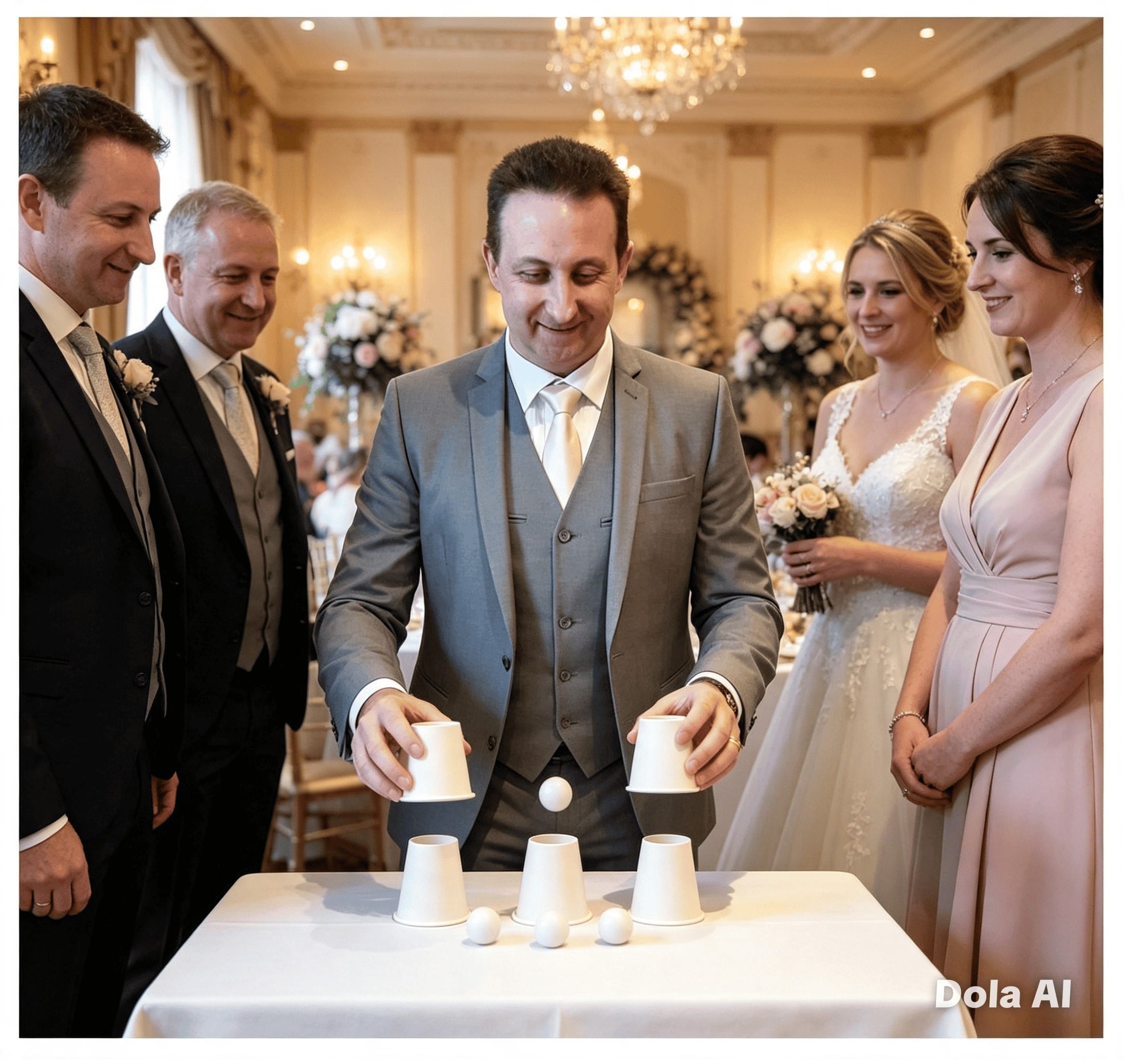
Magician Andy Field performs the classic Cups and Balls magic trick for a group, demonstrating close-up magic, sleight of hand and misdirection.
The Cups and Balls is a classic close-up magic routine involving cups and small balls.
The magician places the balls under, beside or around the cups. They vanish, appear, travel from one location to another and eventually appear in places where the audience absolutely wasn't expecting them.
The exact routine can vary enormously from magician to magician.
That's one of the wonderful things about it.
There isn't just one Cups and Balls routine.
Different magicians have developed different sequences, presentations, techniques and endings over the years. Some routines are funny. Some are mysterious. Some are performed almost entirely through technical skill. Others rely heavily on audience participation and comedy.
But underneath all those different presentations is the same basic idea:
Something impossible appears to happen right in front of you.
And when the routine is performed well, the audience doesn't simply see a magician moving balls underneath cups.
They experience a series of impossible events.
That's a very important distinction.
Magic isn't really about making an object move from A to B.
It's about making someone believe they have seen something happen that shouldn't be possible.
Why Is the Cups and Balls So Famous?

Three cups and three balls used during a classic Cups and Balls magic performance.
There are lots of magic tricks.
Some are famous because they look spectacular. Or because they've appeared on television.
Some are famous because practically everyone has seen a version of them at some point.
The Cups and Balls is different.
It has survived because it contains so many of the fundamental principles of magic in one routine.
Perhaps most importantly, the ability to make the audience look in exactly the wrong place without making them feel as though they've been manipulated.
That last part is harder than it sounds.
If you simply tell someone, "Don't look at my left hand," there's a very good chance they'll spend the next ten seconds staring at your left hand. Good misdirection doesn't work like that.
The audience should feel completely free to look wherever they want.
The magician simply makes one particular place more interesting, important or natural to look at than another.
That is one of the secrets behind great close-up magic.
And the Cups and Balls is an excellent demonstration of it.
The same principles are important when performing close-up magic for real audiences, whether I'm working as a Cheltenham magician or performing elsewhere at weddings, parties and private events.
The Cups and Balls and Sleight of Hand

A close-up view of sleight of hand being used during a Cups and Balls magic performance, demonstrating the skill, timing and misdirection behind this classic magic trick.
If you've ever wondered what sleight of hand actually means, the Cups and Balls is a brilliant example.
Sleight of hand is the ability to secretly manipulate objects while apparently doing something completely ordinary.
That doesn't necessarily mean making enormous, dramatic movements.
Quite the opposite.
The best sleight of hand is often incredibly small.
A tiny movement of a finger or a natural gesture.
A moment when the hand picks something up.
Or casual movement of a cup. Nothing looks suspicious. And that's the whole point. The audience shouldn't be thinking: "I wonder what his fingers are doing?" They should be thinking: "There's no way that ball can possibly be there."
That's a completely different experience.
I've written more about this in my Sleight of Hand Explained pillar article, because understanding sleight of hand is essential to understanding how much skill goes into apparently simple magic.
The Cups and Balls takes those principles and puts them under a microscope.
The objects are ordinary and the movements can look ordinary.
But what the audience believes has happened is anything but ordinary.
It Isn't Just About Fast Hands
Magician Andy Field demonstrates fast hand movements during a Cups and Balls performance..
This is one of the biggest misconceptions about sleight of hand.
People sometimes assume that a magician needs incredibly fast hands.
Speed can certainly be useful.
But speed isn't the secret.
In fact, moving too quickly can make a magician worse.
If you move quickly every time something important happens, the audience eventually notices a pattern.
And once the audience notices the pattern, you've got a problem.
A skilled magician learns when to move quickly, when to move slowly and, perhaps more importantly, when not to move at all.
Timing is everything. A movement made at precisely the right moment can be completely invisible. The same movement made half a second earlier or later can suddenly become obvious.
That's why routines like the Cups and Balls can take an enormous amount of practice.
The magician isn't simply learning where the ball goes.
They're learning when the audience can afford to see the movement without understanding it.
I've found this particularly important when performing as a Swindon magician, because audiences don't see the hours of practice behind the apparently effortless performance.
The Importance of Timing

Precise timing plays an important role in the Cups and Balls magic trick, combining sleight of hand, misdirection and carefully timed movements.
Timing is one of those things that's difficult to explain until you've performed in front of a real audience.
You can practise a routine hundreds of times in front of a mirror.
You can perform it for yourself or perform it for another magician.
But real people react differently.
They laugh, talk or they look somewhere unexpected.
They ask questions or they interrupt.
And suddenly the carefully rehearsed routine becomes a living thing. The Cups and Balls demands that a wedding magician understands those reactions.
A laugh can be useful. Or a question can create an opportunity. A moment of surprise can change where everyone is looking.
Even a spectator's natural curiosity can become part of the routine. That's why performing magic is very different from simply knowing a magic trick.
Knowing the method isn't the same as knowing how to perform the effect.
Misdirection: The Real Art Behind the Trick

Misdirection is a key part of the Cups and Balls magic trick.
Let's talk about misdirection.
The word gets used a lot in magic, and people sometimes think it simply means distracting someone.
It is much more sophisticated than that.
Imagine you're watching a magician perform the Cups and Balls.
The magician looks at you.
You naturally look at the magician.
The magician says something funny.
You listen.
The magician gestures with one hand.
You may follow the gesture. Meanwhile, something else may be happening elsewhere. But you don't feel distracted. You feel as though you're watching the entire performance. That's good misdirection. The magician isn't necessarily forcing you to look away.
They're controlling the importance of attention.
And that is a fascinating part of human psychology.
We don't give every piece of information in front of us equal attention.
Our brains constantly decide what matters.
A magician can use that natural process to create an illusion.
I've gone into this in much more detail in my How Misdirection Works in Magic.
The Cups and Balls is practically a masterclass in the subject.
Your Eyes Don't See Everything

The Cups and Balls magic trick uses misdirection to hide the secret movements.
Here's something interesting.
You can watch a magician's hands directly and still miss something happening in those hands.
That sounds ridiculous until you understand how attention works.
Seeing isn't the same as noticing.
Your eyes can receive information without your conscious mind giving that information much importance.
Think about walking down a busy high street.
You're surrounded by hundreds of objects.
Cars, people and shop windows.
Yet you don't consciously process every single thing. Your brain filters information.
Magic exploits that filtering process. A good magician doesn't need to make an object invisible. They simply need to make something else more important at precisely the right moment.
And when the timing is right, the audience can be staring directly at the magician's hands and still have absolutely no idea what happened.
That's one of the reasons the Cups and Balls is such a beautiful piece of magic.
The Cups Are Ordinary

Ordinary cups used during a Cups and Balls magic performance.
Another reason the Cups and Balls works so well is the simplicity of the props.
There are cups. There are balls. That's about it. And that's important.
When the props are ordinary, the audience has fewer reasons to suspect anything unusual.
A complicated-looking magic prop can immediately suggest that something strange is going on.
Three normal-looking cups don't.
They look like cups.
And small balls look like small balls.
The magician's job is therefore not to convince the audience that the equipment is innocent.
It already looks innocent.
The magician has to convince the audience that what they think they saw couldn't possibly have happened. That's much more powerful.
The Psychology of Expectation

The Cups and Balls magic trick plays with audience expectation.
One of the most fascinating aspects of the Cups and Balls is expectation.
As an audience member, you develop expectations during a performance.
If the magician repeatedly places a ball under a cup, you begin to understand the apparent rules.
You think you know what's happening. And then the magician breaks those rules. The ball isn't where you expect it to be.
Or it appears somewhere else. Or something happens that contradicts what you thought you had just seen.
This is one of the foundations of magical deception. The magician establishes a pattern and then uses the audience's expectations against them. Audiences are not stupid. Quite the opposite.
Their brain is doing exactly what it is supposed to do.
It's making predictions based on previous information.
The magician simply knows how to construct the sequence so those predictions become part of the illusion.
Understanding those reactions is just as important when performing as a Somerset magician, where reading the audience can make the difference between simply performing a trick and creating a memorable experience.
This is one of the areas I explore in much more detail in my guide to Psychology in Magic.
Why Repetition Can Make Magic Stronger

Repetition is an important part of the Cups and Balls magic trick, creating familiarity and expectation before an unexpected magical surprise.
You might think repeating the same action would make a trick easier to catch.
Sometimes it does. But repetition can also make magic stronger. Why?
Because repetition creates familiarity. If the audience sees the magician perform an apparently innocent action several times, they become comfortable with it.
It becomes part of the normal rhythm of the routine. And once something feels normal, people tend to stop analysing it.
This is particularly useful in a routine like the Cups and Balls. The magician can establish a pattern.
The audience thinks they've worked out what is happening. Then the magician changes the outcome.
That's when the real impossibility hits.
The Final Loads

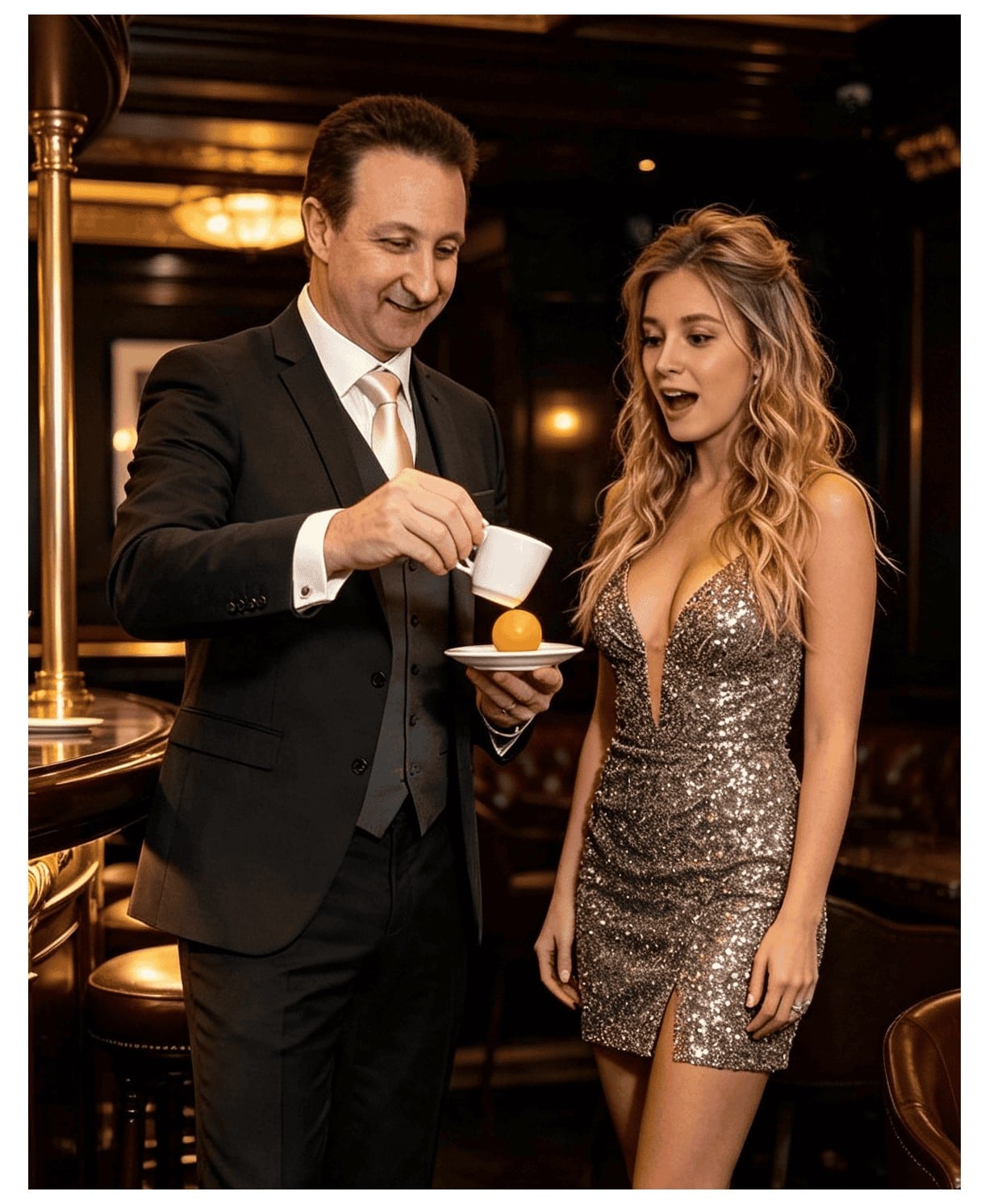
A surprising fruit final load revealed under a cup during the classic Cups and Balls magic trick, creating an unexpected and entertaining finish.
Without explaining the secret methods behind them, it's fair to say that one of the most spectacular aspects of many Cups and Balls routines is the ending.
After apparently impossible things have been happening with tiny balls, the magician produces something much larger from underneath the cups.
These are often referred to as the final loads.
And this is where the routine can go from:
"That's clever."
to:
"WHAT THE HELL?"
That's a pretty good result for three cups.
The final loads can be fruit, balls, everyday objects or other surprising items, depending on the magician and the routine.
The contrast is what makes them so effective.
The audience has spent the routine watching something small.
Then suddenly something much larger appears.
It creates a completely different visual experience.
And, importantly, it gives the routine a proper ending.
The Cups and Balls Is a Story

Storytelling brings the Cups and Balls magic trick to life, adding humour, personality and audience engagement to the close-up magic performance.
A good magic routine isn't just a collection of secret moves.
It has structure.
Beginning.
Middle.
End.
The audience should feel that they're being taken somewhere.
That's why presentation matters so much.
You can have technically perfect sleight of hand and still give a boring performance.
I've seen technically brilliant magic that felt like watching somebody practise in their bedroom. And I've seen relatively simple magic absolutely destroy an audience because the performer understood presentation.
The Cups and Balls is particularly good for demonstrating this.
The magician can introduce the objects.
Establish a premise.
Create expectations.
Break those expectations.
Increase the impossibility.
Add humour.
Build suspense.
And finally deliver the climax.
That's storytelling.
It's just storytelling with cups.
Comedy and the Cups and Balls

Comedy adds humour and audience interaction to the Cups and Balls magic trick.
The Cups and Balls can also be extremely funny.
And comedy is useful in magic for more reasons than simply getting a laugh.
A laugh changes the rhythm of a performance.
It relaxes the audience and changes their attention.
It gives the magician breathing space.
And it makes the performer more human.
A magician who takes himself incredibly seriously can sometimes make an audience feel as though they're watching a demonstration.
A magician who can laugh with the audience creates a completely different atmosphere.
Personally, I think there's nothing wrong with taking the magic seriously while not taking yourself too seriously.
After all, we're standing there making little balls disappear under cups.
You don't want to look like you've just arrived to negotiate a nuclear treaty.
That approach is particularly useful when I'm performing as a Bath magician, because people aren't just looking for technically impressive magic — they want to be entertained as well.
Performing the Cups and Balls for Real People

Holly performs the classic Cups and Balls magic trick for a live audience.
One of the biggest differences between practising magic and performing magic is that real people don't behave like practice partners.
They react.
That's what makes performing exciting.
You can know exactly what's supposed to happen next and still have no idea exactly how the audience will react.
Someone might shout:
"I know where it is!"
Someone else might say:
"It's under that one!"
Another person might lean over the table to get a better look.
And someone else might confidently announce that they've caught you.
That's all part of the fun.
A good magician doesn't fight the audience.
They work with them.
If someone thinks they've caught you, let them enjoy that feeling.
If they laugh, let them laugh.
The audience should feel involved rather than defeated.
That's particularly important with close-up magic.
That's particularly important with close-up magic. It's the sort of magic I regularly perform as an Oxford magician, bringing the experience right up close to the audience.
Close-Up Magic and the Cups and Balls

A close-up magic performance featuring the classic Cups and Balls trick, combining sleight of hand, misdirection and audience interaction at close range.
The Cups and Balls is closely associated with close-up magic because the audience can experience it at relatively close range.
It's also the sort of magic I regularly perform as a Bristol magician, where spectators can experience the magic right in front of them.
There isn't necessarily a big stage between the magician and the spectators.
You're right there.
They can see the objects and your hands.
They can hear what you're saying and watch your face.
That creates an enormous challenge for the magician.
But it also creates an enormous opportunity.
When close-up magic works, there is nowhere for the experience to hide.
The spectator is part of it.
They can hold an object.
They can choose something. Or can stand right next to you.
And when something impossible happens inches away from them, the reaction can be fantastic.
That's why I wrote Close-Up Magic Explained as another major pillar article on this site.
The Cups and Balls fits beautifully into that world.
The Cups and Balls is closely associated with close-up magic because the audience can experience it at relatively close range. It's also the sort of magic I regularly perform as a Bristol magician, where spectators can experience the magic right in front of them.
If you're particularly interested in card magic, I've also written a guide to Card Trick Magician Bath, exploring card tricks, sleight of hand, misdirection and the experience of seeing professional card magic performed close up.
That's why I wrote Close-Up Magic Explained as another major pillar article on this site. If you'd like to explore close-up magic in more detail, my complete guide to close-up magic explains what this style of magic involves, why it works so well at live events and how it creates such a personal experience for an audience.
Why Magicians Respect the Cups and Balls

The Chop Cup is a one-cup version of the classic Cups and Balls plot.
Ask a magician about the Cups and Balls and you're likely to get a very different response from someone who has never performed magic.
To a spectator, it might simply be an entertaining trick.
To a magician, it represents an enormous amount of technique.
It's a bit like watching a professional footballer control a ball.
A spectator sees the result.
Another professional sees the technique.
They notice the small details.
The timing and control.
The confidence and economy of movement.
Also the ability to make something difficult look effortless.
That's what makes a classic magic routine so respected within the magic community.
The same is true of other classic routines, such as Three Card Monte, where the apparent simplicity of the effect hides a huge amount of technique, timing and psychological control.
The Difference Between Knowing and Performing

Performing the Cups and Balls magic trick requires knowledge of sleight of hand, timing and misdirection.
There is another important distinction.
You can learn the mechanics of a magic trick relatively quickly.
That doesn't mean you can perform it well.
A magician can learn where an object needs to be.
But then they have to learn how to make the movement natural.
They need to learn the timing, the presentation and the art of audience management.
They also need to know how to handle interruptions, what to do when somebody burns their hands with their eyes, and how to react when someone guesses correctly.
Even a wrong guess can become challenging when someone convinces themselves they have solved the trick.
And then they have to do all of that while looking completely relaxed. That's performance. It's rather more complicated than: "Put ball here. Put cup there."
Practice Is Where the Real Work Happens

Practising the Cups and Balls magic trick helps develop the sleight of hand, timing, coordination and precision needed for a confident close-up magic performance.
Magic can look effortless.
That's generally because somebody has put a ridiculous amount of effort into making it look effortless.
The audience sees the finished product.
The audience never sees the practice behind the performance.
Fifty repetitions of the same movement. Slow practice to build control.
Constant checking of angles. Recording performances to spot mistakes.
That's part of learning.
And with a routine as technically demanding as the Cups and Balls, practice isn't optional.
The hands have to know what they're doing.
But more importantly, the brain has to know why the hands are doing it.
Naturalness Is Everything
 One of the hardest things for a magician to learn is how to make a secret action look completely natural.
If a magician has to move a cup for a secret reason, they can't look as though they're moving the cup for a secret reason.
Sounds obvious.
It isn't.
Human beings are remarkably good at spotting behaviour that doesn't fit the situation.
If you suddenly become stiff, your audience may notice.
If you stare at one particular object, they may notice.
Or if you move your hand in an unusual way, they may notice.
The best sleight of hand therefore becomes part of ordinary behaviour.
The secret movement shouldn't scream:
"THIS IS IMPORTANT!"
It should look completely unimportant.
That's something I keep in mind when performing as a Cotswolds magician, where the aim is to make the magic feel personal, interactive and genuinely memorable for the people watching.
Why the Face Matters

Eye contact is important part of a Cups and Balls performance.
People sometimes think magic is all about the hands.
It's not.
The magician's eyes and face can be just as important.
Where you look can influence where the audience looks.
If you look at something, there's a good chance the audience will look there too.
That's a completely natural human response.
This is one reason eye contact can be so powerful in performance.
If I'm talking to you, you naturally look at me.
If I suddenly look at something on the table, you may look there too.
That doesn't mean I'm controlling your mind.
It means I'm using normal human behaviour.
Magic is full of ordinary psychological principles being used in extraordinary ways.
The Cups and Balls and Audience Memory
During the Cups and Balls magic trick, misdirection and repetition can make it difficult for the audience to remember exactly when and how the balls moved.
There's another fascinating ingredient: memory.
People often remember magic differently from the way it actually happened.
That's not because they're lying.
Memory isn't a video recording.
Our brains reconstruct experiences.
A magician can therefore create an effect that becomes even stronger when the spectator thinks about it afterwards.
They remember seeing the ball in one place. Or remember the magician showing an apparently empty hand.
They remember looking directly at the cups. Then they remember the impossible result.
The individual moments become compressed into one powerful memory:
"I saw him put it there. There was absolutely no way it could have got there."
That's the magic.
Don't Expose the Secret

Keeping the secret is part of the art of Cups and Balls magic.
There's a temptation when discussing classic magic tricks to explain exactly how they're done.
I'm deliberately not going to do that here.
It's because explaining the method can destroy the experience.
Magic works best when you experience it rather than analyse it.
There are plenty of technical books and resources for magicians who want to study the Cups and Balls properly.
This article is aimed at people who are curious about the trick, its history, psychology and skill without having the experience spoiled.
There's a big difference between explaining why a magic trick is difficult and explaining exactly how the secret works.
I'm much more interested in the first.
Is the Cups and Balls the Oldest Magic Trick?
You'll often hear the Cups and Balls described as the oldest magic trick in the world.
It's certainly one of the oldest and most enduring magic effects in the repertoire.
Versions of cup-and-ball effects have a long history, and variations have appeared across different periods and cultures.
However, claiming that there is one definitive "oldest magic trick" is difficult.
Magic wasn't invented on a particular Tuesday afternoon with somebody filling out the appropriate paperwork.
People have been using deception, objects, storytelling and apparent supernatural demonstrations for thousands of years.
What we can say with confidence is that the Cups and Balls belongs to an extraordinarily old tradition of conjuring and has survived for generations.
And that's perhaps more impressive than simply holding the title of "oldest."
It has remained entertaining.
Why Has It Survived for So Long?

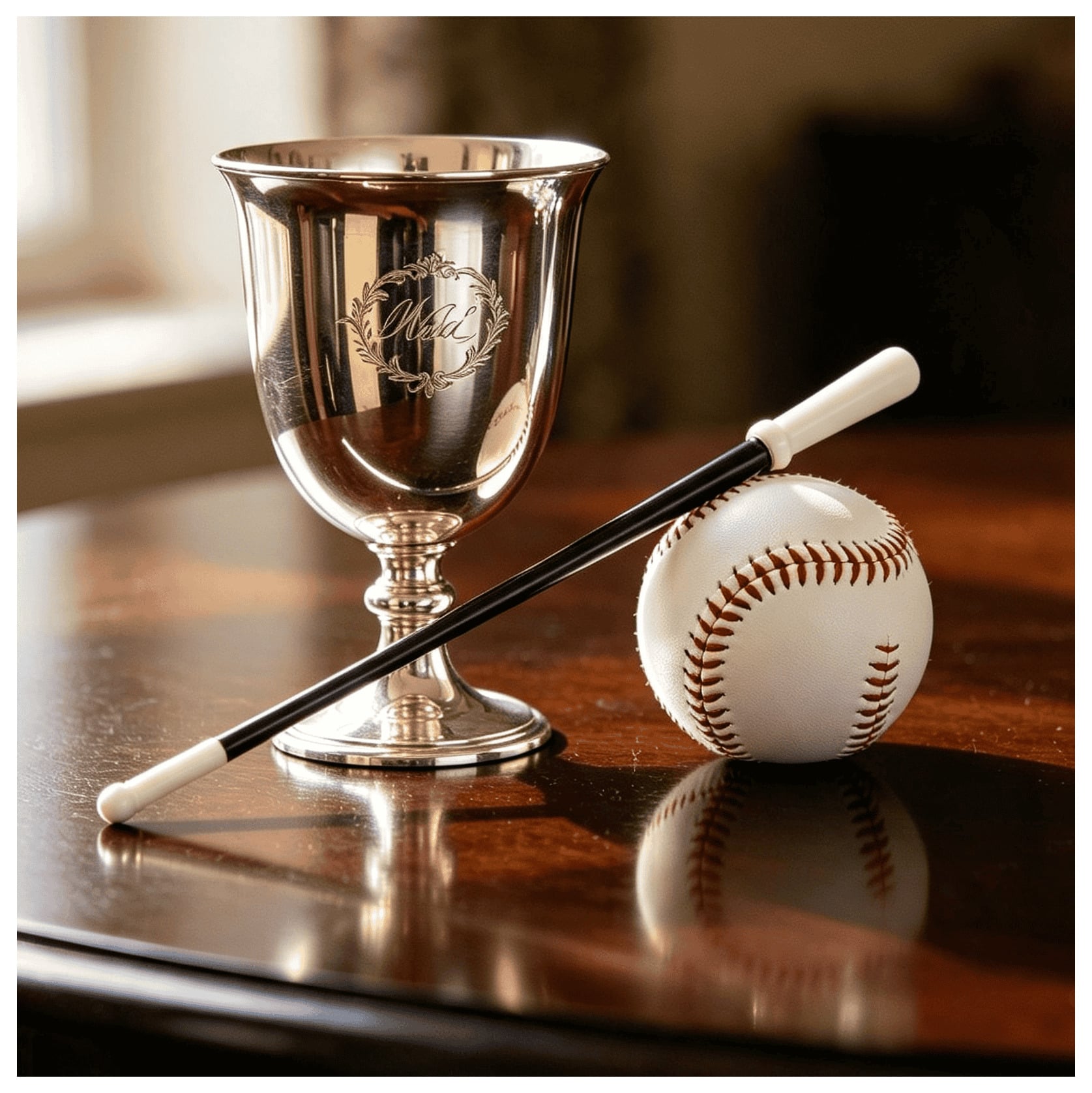
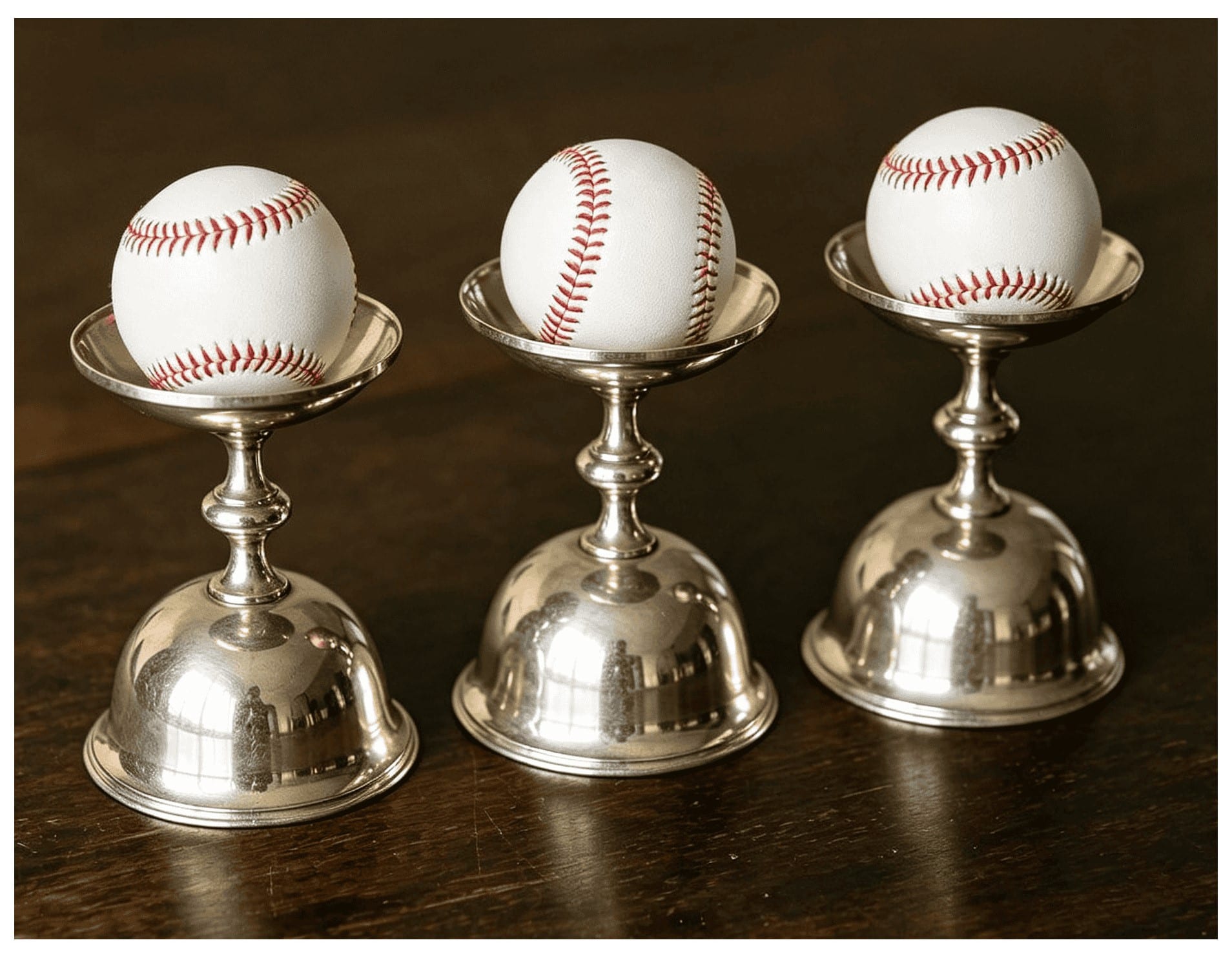
Modern versions of the Cups and Balls magic trick can use baseballs as surprising final loads.
Because the basic idea never gets old.
The audience tries to understand it.
The magician appears to make it happen again.
Then comes the surprise ending.
You could take that basic structure and perform it in a modern setting, and people would still understand exactly what they're seeing.
That's the beauty of good magic.
Technology changes.
Fashion changes.
Televisions change.
Phones change.
But people still enjoy being fooled.
In fact, in a world where we can digitally manipulate almost anything, there is something particularly satisfying about seeing a magician apparently create an impossible event with ordinary physical objects.
No special effects.
No computer graphics or camera trick.
Just a magician standing in front of you.
The Cups and Balls in Modern Magic

A dramatic Cups and Balls magic finale in which real birds are produced as unexpected final loads, creating a memorable surprise for the audience
Although the Cups and Balls has a long history, it certainly hasn't been left behind.
Modern magicians continue to develop their own routines and presentations.
Some perform it as pure close-up magic.
Some incorporate comedy or use it as part of a larger show.
Some create completely original presentations around the basic concept.
And that's another reason classic magic survives.
A classic doesn't have to remain frozen in time.
The fundamental effect can remain while the presentation evolves.
A modern magician can take an ancient principle and present it to an audience who spends every day surrounded by smartphones and digital technology.
And somehow, three cups and a few little balls can still stop them in their tracks.
Although the Cups and Balls is strongly associated with close-up magic, it can also work beautifully in a parlour-style performance. This is where a slightly larger group can watch while still enjoying the intimacy and interaction of live magic.
What Makes a Great Cups and Balls Performance?

A great Cups and Balls magic performance requires many things, including practice, sleight of hand, timing, misdirection, audience interaction and confident presentation.
It's not one thing.
It's a combination of everything.
Reliable sleight of hand is essential.
Precise timing makes the difference.
Every movement should look natural rather than suspicious.
Misdirection needs to be subtle enough that the audience barely notices it.
The presentation should have a clear purpose, while the magician communicates with confidence.
A strong routine also needs structure. Allowing the audience to understand what appears to be happening while the impossible is taking place right in front of them.
And the ending needs to be worth waiting for.
Take away any one of those ingredients and the routine can become weaker.
That's why experienced magicians respect the Cups and Balls.
It isn't merely a trick.
It's a complete performance exercise.
Skill Versus Showmanship
There's a strange misconception that the magician with the most technically difficult routine must automatically be the best magician.
Not necessarily.
Technical ability matters.
Of course it does.
But magic is entertainment.
If nobody enjoys watching you, technical perfection doesn't help much.
The best performers combine technical skill with personality.
They know when to talk.
When to move or wait.
Plus when to make a joke, and let the audience react.
And when to simply let the impossible moment sit there.
That's showmanship.
And showmanship is every bit as important as sleight of hand.
The Magic Happens in the Audience's Head

Great Cups and Balls magic happens in the audience's mind.
This is probably the most important point I'd make about the Cups and Balls.
The magic isn't actually happening inside the cups.
It's happening inside the spectator's head.
The cups and the ball are physical objects.
But the impossible event exists in the spectator's perception of what happened.
That's why two people can watch exactly the same routine and remember it differently.
One person might be fascinated by the sleight of hand.
Another might be convinced the magician distracted them.
Another might simply think:
"I have absolutely no idea what happened."
And that last reaction is one of the best compliments a magician can receive.
Why You Shouldn't Try to Work It Out
Of course, people will try.
That's part of the fun.
When something impossible happens, your brain wants an explanation.
"It must be there."
"He must have switched it."
"Maybe the other cup is gimmicked."
"I saw him put it underneath."
And then the magician apparently proves your theory wrong.
That's when the brain starts scrambling for another explanation.
Good magic creates that tension between what you think you know and what you've just witnessed.
The Cups and Balls does this exceptionally well.
Can Anyone Learn the Cups and Balls?
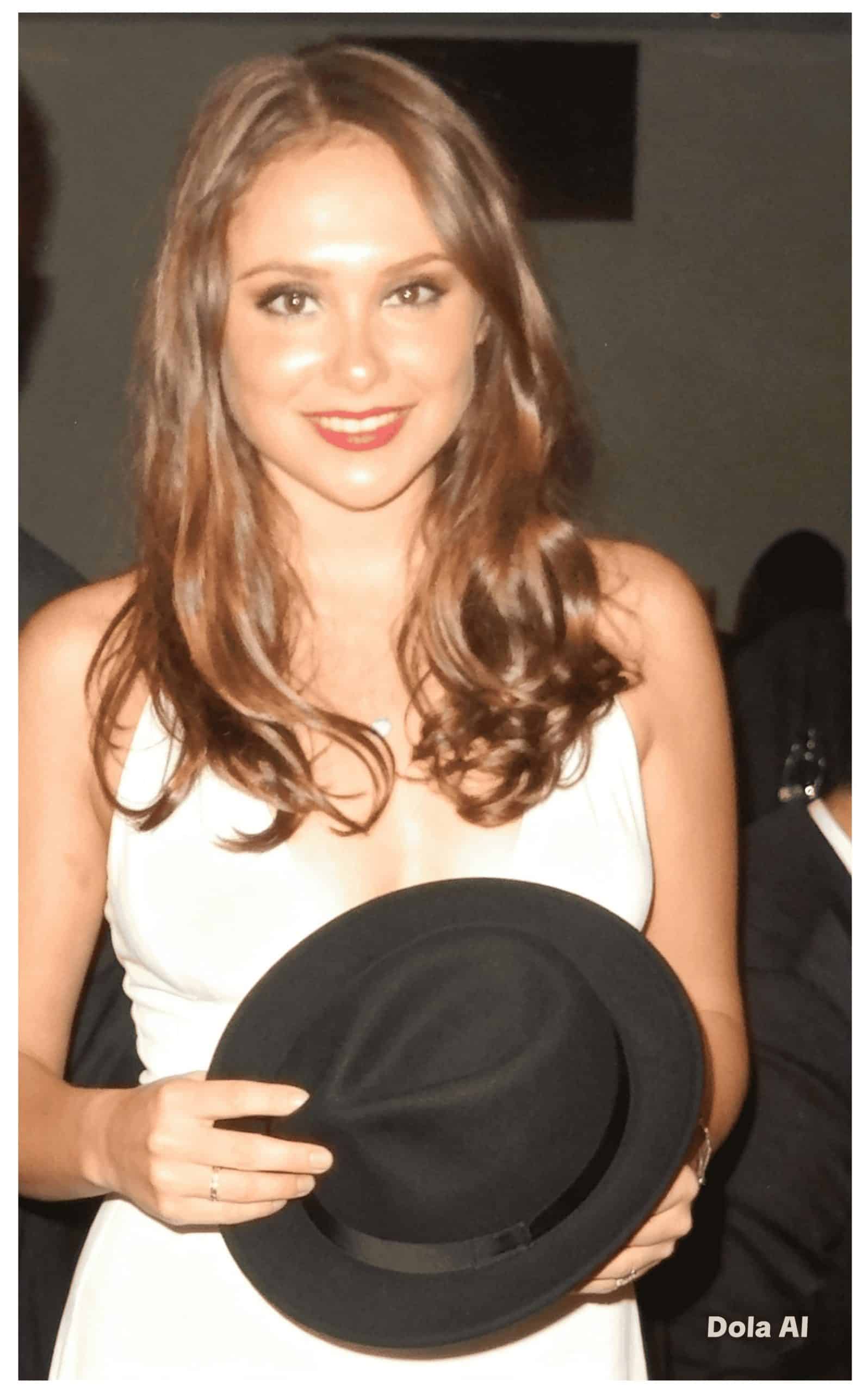
Some magicians use hats instead of cups for variations of the Cups and Balls.
Technically, many people can learn the basic principles behind the routine.
But learning it and performing it professionally are very different things.
A professional magician needs more than the ability to execute a sequence.
Consistency and confidence are essential, along with strong audience awareness and the ability to recover gracefully from mistakes.
A good understanding of angles, timing and presentation is equally important. These are the details that turn a collection of moves into a convincing magic performance.
And they need to be able to perform while people are standing around, talking, drinking, laughing and eating.
Plus occasionally trying their very best to catch them.
That's why professional close-up magic is a skill rather than simply a collection of tricks.
What the Cups and Balls Tells Us About Magic
For me, the Cups and Balls demonstrates something fundamental.
Magic isn't about having secret equipment.
It isn't about having lightning-fast hands. Or about trying to look clever.
It's about creating an experience.
The magician takes ordinary objects and creates an extraordinary moment.
The audience becomes involved and they make assumptions.
They try to follow what is happening.
And then the magician takes those assumptions and turns them upside down.
That's why a routine that has been around for generations can still produce genuine reactions today.
Frequently Asked Questions About the Cups and Balls
What is the Cups and Balls?
The Cups and Balls is a classic magic routine involving cups and small balls. The balls appear to vanish, travel and reappear in impossible locations, often ending with a surprising final production.
Is the Cups and Balls the oldest magic trick?
It is commonly described as the oldest magic trick, but that claim is difficult to prove definitively. What we can say is that cup-and-ball magic has a very long history and remains one of the oldest and most influential surviving magic effects.
Is the Cups and Balls difficult to perform?
Yes. A convincing professional performance requires much more than learning the basic sequence. Sleight of hand, timing, misdirection, presentation, audience management and extensive practice all play important roles.
Does the Cups and Balls require fast hands?
Not necessarily. Speed is much less important than timing, natural movement and control. A magician can perform extremely deceptive sleight of hand without appearing to move quickly at all.
Why is misdirection important in the Cups and Balls?
Misdirection helps the magician influence the audience's attention at crucial moments. Effective misdirection doesn't necessarily mean making people look away; it can involve making one action appear more important than another.
Is the Cups and Balls close-up magic?
Yes. It is one of the classic routines associated with close-up magic and can be performed for spectators at relatively close range.
Why do magicians respect the Cups and Balls?
Because it combines many fundamental areas of magic in one routine, including sleight of hand, timing, psychology, misdirection, audience management and presentation.
Does the Cups and Balls use special cups?
Different magicians use different types of cups. Some use traditional magician's cups, while others develop presentations around particular styles of props. The exact equipment isn't what makes the routine magical.
Can you learn the Cups and Balls from a book?
Magicians have studied the routine through books, videos and instruction for generations. However, understanding the mechanics is only part of learning it. Developing a convincing performance requires practice and experience.
Why does the Cups and Balls still work today?
Because its fundamental effects are simple and universal. Objects vanish, travel and appear in impossible places. Human beings have been fascinated by that kind of mystery for thousands of years.
The Cups and Balls Is More Than a Trick
 If you've never seen a really good Cups and Balls routine performed close up, it's easy to underestimate it.
Three cups.
A few balls.
What's so difficult about that?
Quite a lot, actually.
Behind those simple objects can be years of practice.
That's why I have so much respect for the Cups and Balls.
It strips magic back to its essentials.
No giant stage or complicated machinery.
No special effects. Just the magician, the objects and the audience.
And if the magician gets it right, something remarkable happens.
For a few minutes, everyone in the room agrees to believe that the impossible has just happened.
That's what I think magic should do.
It should make you wonder and make you laugh.
It should make you question what you think you saw.
And, ideally, it should leave you walking away thinking:
"I know I was watching him the entire time. I just haven't got a clue how he did it."
And that's the Cups and Balls.
One of the great classics of magic.
One of the finest demonstrations of sleight of hand and misdirection ever created.
And, despite its enormous history, still every bit as entertaining today.
About Andy Field
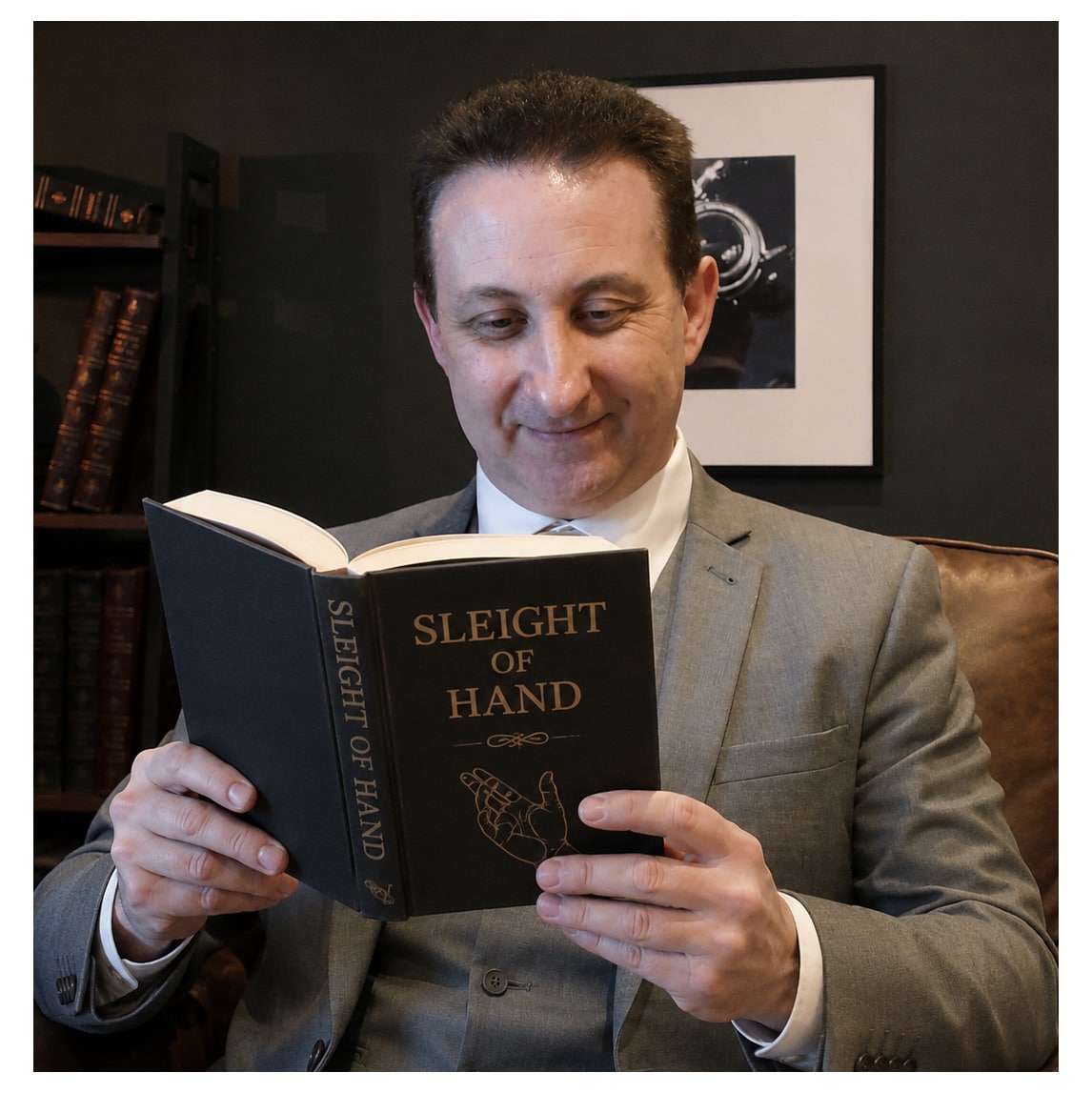 I'm Andy Field, a professional close-up magician with a quarter of a century of experience, specialising in close-up magic, sleight of hand and mind-reading entertainment.
You can learn more about Andy Field, his professional background and experience in magic here.
I've performed for weddings, parties, corporate events, restaurants and private functions, using everyday objects such as playing cards, coins, borrowed objects, rings, keys, elastic bands and mobile phones to create impossible moments right in front of people.
I've also accumulated more than 20 million views on YouTube, hundreds of Google reviews and hundreds of Facebook recommendations.
But the thing I enjoy most about magic is still the same thing that attracted me to it in the first place.
Making someone say:
"How the hell did you do that?"
That's the fun of it.
Explore More About Magic
If you've enjoyed learning about the Cups and Balls, you can also explore my other magic guides, including:
- Close-Up Magic Explained – what close-up magic actually is and why performing inches away from an audience is such a demanding form of entertainment.
- Sleight of Hand Explained – an introduction to the skill, practice and psychology behind apparently impossible hand movements.
- How Misdirection Works in Magic: The Psychology Behind the Impossible – an in-depth look at attention, expectation, psychology and why people can look directly at something without consciously noticing it.
These articles form part of my main collection of in-depth guides explaining the techniques, psychology and performance behind professional magic.
Final Thoughts
The Cups and Balls has survived for generations because it doesn't rely on technology.
It relies on people.
And a magician who understands exactly how to turn all of those perfectly normal human behaviours into something extraordinary.
That is what makes the Cups and Balls such an important piece of magic.
It isn't simply a trick involving cups and balls.
It is a demonstration of sleight of hand, timing, misdirection, psychology and showmanship working together.
And when all those elements come together, three ordinary cups can create one hell of an extraordinary experience.
Andy Field Magician Service Areas
I regularly provide professional close-up magic for weddings, parties, corporate events and special occasions across the South West and surrounding areas. You can find more information about my magician services in the following locations:
- Bristol Magician
- Gloucester Magician
- Cheltenham Magician
- Swindon Magician
- Somerset Magician
- Magician Oxford
- Magician Bath
- Magician Cotswolds
Explore More About Close Up and Magic
- Close-Up Magic Explained
- Sleight of Hand Explained
- How Misdirection Works in Magic
- Three Card Monte Explained
Book Magician Andy Field
I'm fortunate that I don't have to rely on magic to pay the bills. This means I don't need to charge inflated Saturday-night fees. I can concentrate on what I really enjoy — performing powerful, entertaining magic — while keeping my prices competitive.

- Safe social distance shows now avaiable
- Affordable shows with fast and simple booking
- Deposits are refunded in the event of any COVID-19 issues
Contact Andy Field today and prepare to be amazed.