Hiring a Magician

Andy Field is a professional magician, offering close up magic, sleight of hand illusions, mind reading and more, for a variety of occasions. Over the years Andy has built a strong global following,with millions of views on his YouTube channel and an array of reviews across multiple platforms. Having amassed experience as a wedding magician, party magician & close up magician, Andy is seen as one of the busiest professional magicians in the UK.
Hiring a Magician For Your Event
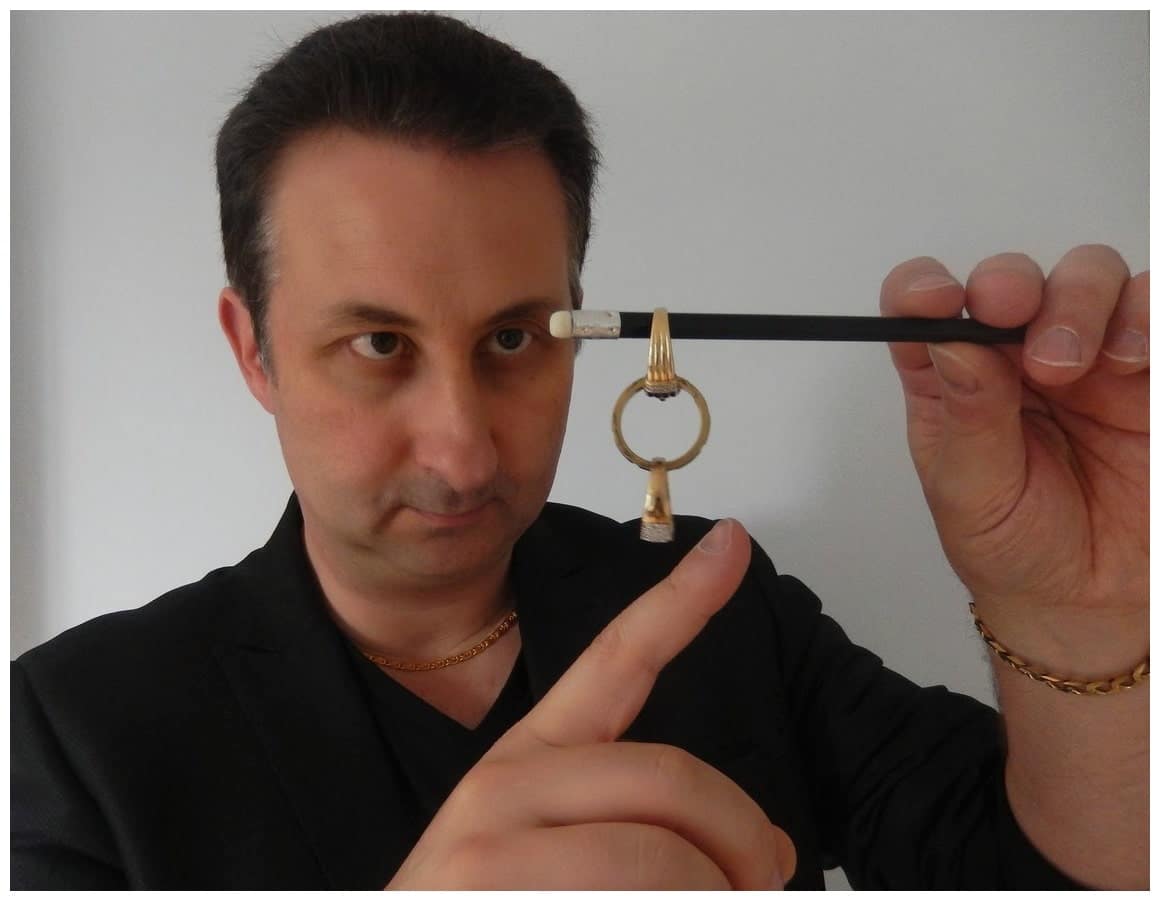
Andy Field is a UK magic for weddings, parties and corporate events
Hiring a magician sounds simple enough.
Find a magician. Check they're available. Book them. Job done.
Except that once you start looking, you quickly discover that there are different types of magic, different styles of performance, different ways a magician can fit into an event and, of course, rather a lot of people describing themselves as the next David Copperfield.
So how do you know what you actually need?
I'm Andy Field, a professional close-up magician with a quarter of a century of experience performing at weddings, private parties, corporate events and celebrations. I'm a two-time S.A.M.S. Champion of Close-Up Magic and have also worked as a magic consultant and hand double on the BBC series Hustle.
I've performed at enough events over the years to know that hiring a magician isn't really about hiring someone who knows lots of tricks.
It's about hiring someone who understands people, timing, audiences and the occasion.
This guide explains what you need to know before booking a magician, whether you're organising a wedding, corporate event, private party, drinks reception or celebration.
And I'll try to explain it without making you feel as though you've accidentally enrolled on a three-year magic degree.
What does a magician actually do?
A professional magician's job is to entertain people through impossible or apparently impossible experiences.
That might involve playing cards, coins, borrowed objects, rings or other everyday items.
With close-up magic, the performance happens directly among the guests rather than from a stage.
People can hold the objects.
They can choose cards.
They can even lend the magician something of their own.
And sometimes the magic happens directly in their hands.
That's one of the reasons close-up magic is so effective at social events.
People aren't simply watching a performance.
They're involved in it.
What is close-up magic?
Close-up magic is performed at close range, usually directly among the audience.
Rather than standing on a stage and performing to hundreds of people at once, a close-up magician moves between groups and performs for small groups of guests.
It's particularly useful at events where people are already standing, talking and moving around.
For example:
- Weddings
- Drinks receptions
- Corporate events
- Private parties
- Birthdays
- Anniversaries
- Dinner parties
- Networking events
- Christmas parties
- Cocktail parties
The magician can move from group to group rather than requiring everyone to stop what they're doing.
That's one of the reasons close-up magic works so well when an event doesn't have a formal stage or seating arrangement.
What is parlour magic?
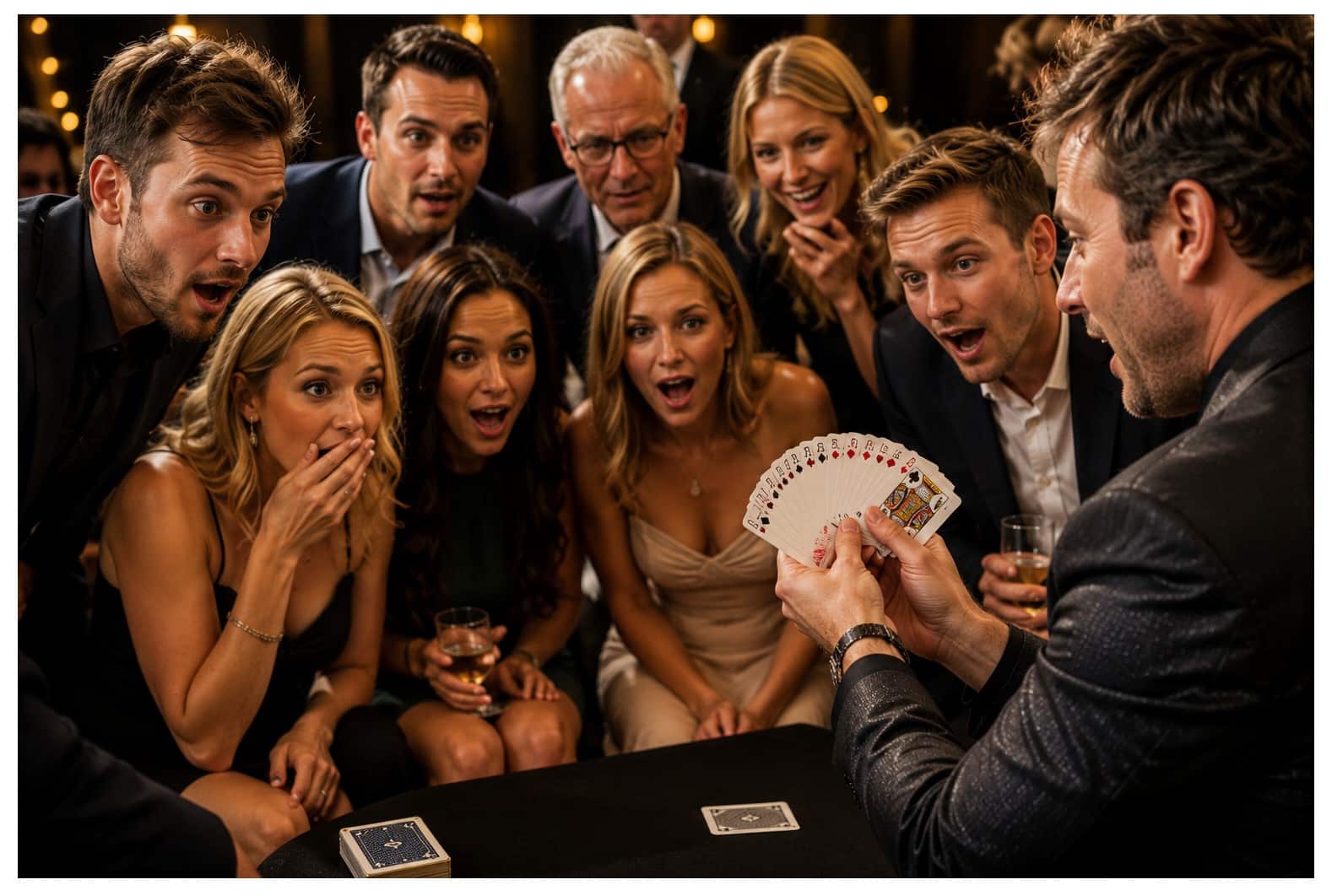
A group of guests watching a magician perform parlour magic at a private event.
Parlour magic sits somewhere between traditional close-up magic and stage magic.
It's generally performed for a larger group than close-up magic but still retains the intimacy and interaction of a smaller performance.
The audience may be seated or gathered together while the magician performs a series of routines for everyone.
There doesn't necessarily need to be a stage.
A suitable area of a room can often be enough.
Parlour magic can be particularly effective when you want everyone to experience the magic together rather than having a magician move around individual groups.
If you're unsure whether close-up or parlour magic would work better for your event, that's something an experienced magician should be able to discuss with you.
What's the difference between close-up and parlour magic?
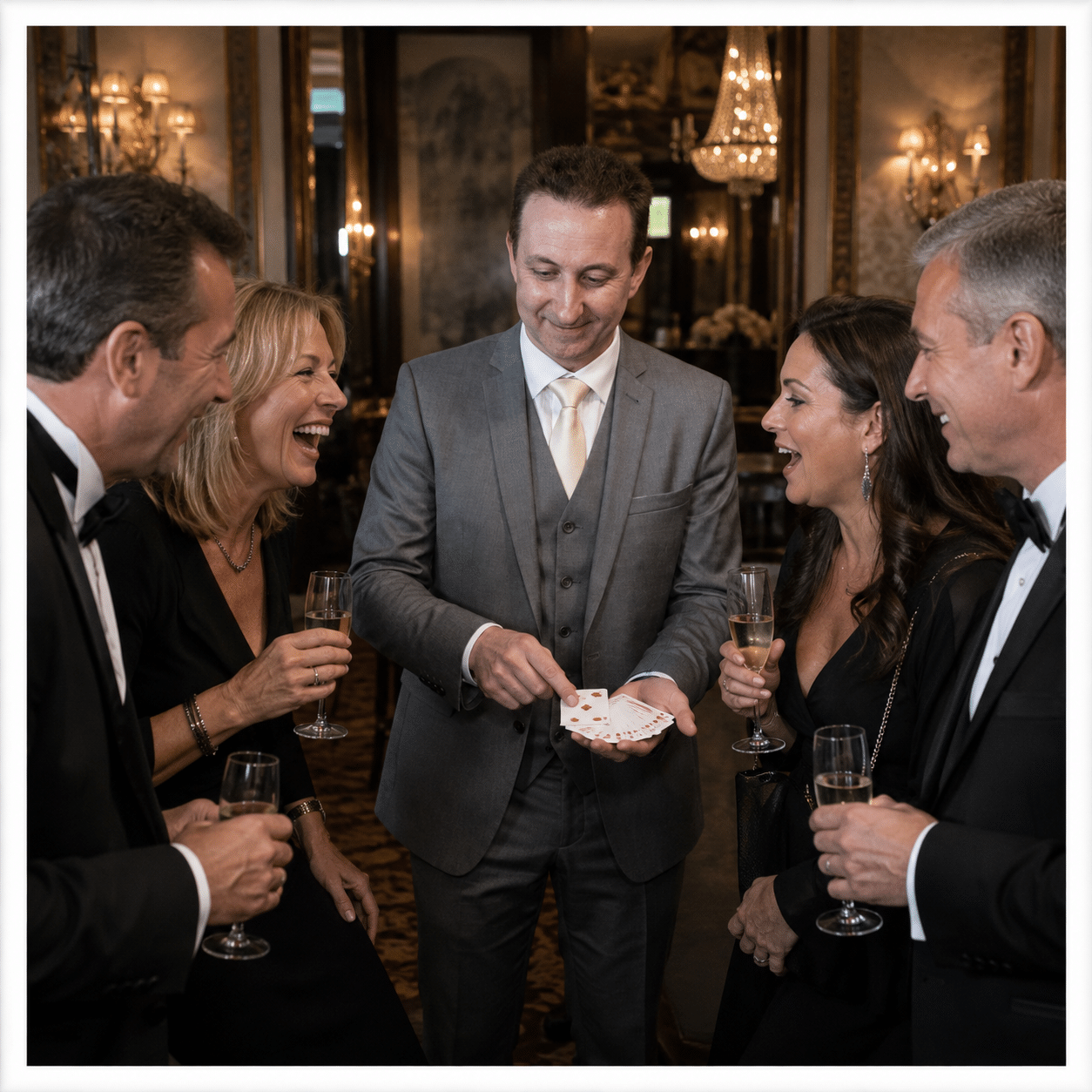
Intimate close-up magic.
The simplest way of looking at it is this:
Close-up magic comes to the guests.
Parlour magic brings the guests together to watch.
Neither is automatically better.
It depends on your event.
If guests are naturally moving around and chatting, close-up magic can be ideal.
If you've got a room full of people who can gather together for a performance, parlour magic may be more appropriate.
Sometimes a combination of the two works particularly well.
The important thing is choosing the style that suits the event rather than trying to force an event to suit the magician.
What Type of Magician Should I Hire?
Not every magician performs in the same way, and choosing the right style can make a big difference to how well the entertainment fits your event.
Here are the main types you are likely to come across.
Close-Up Magician
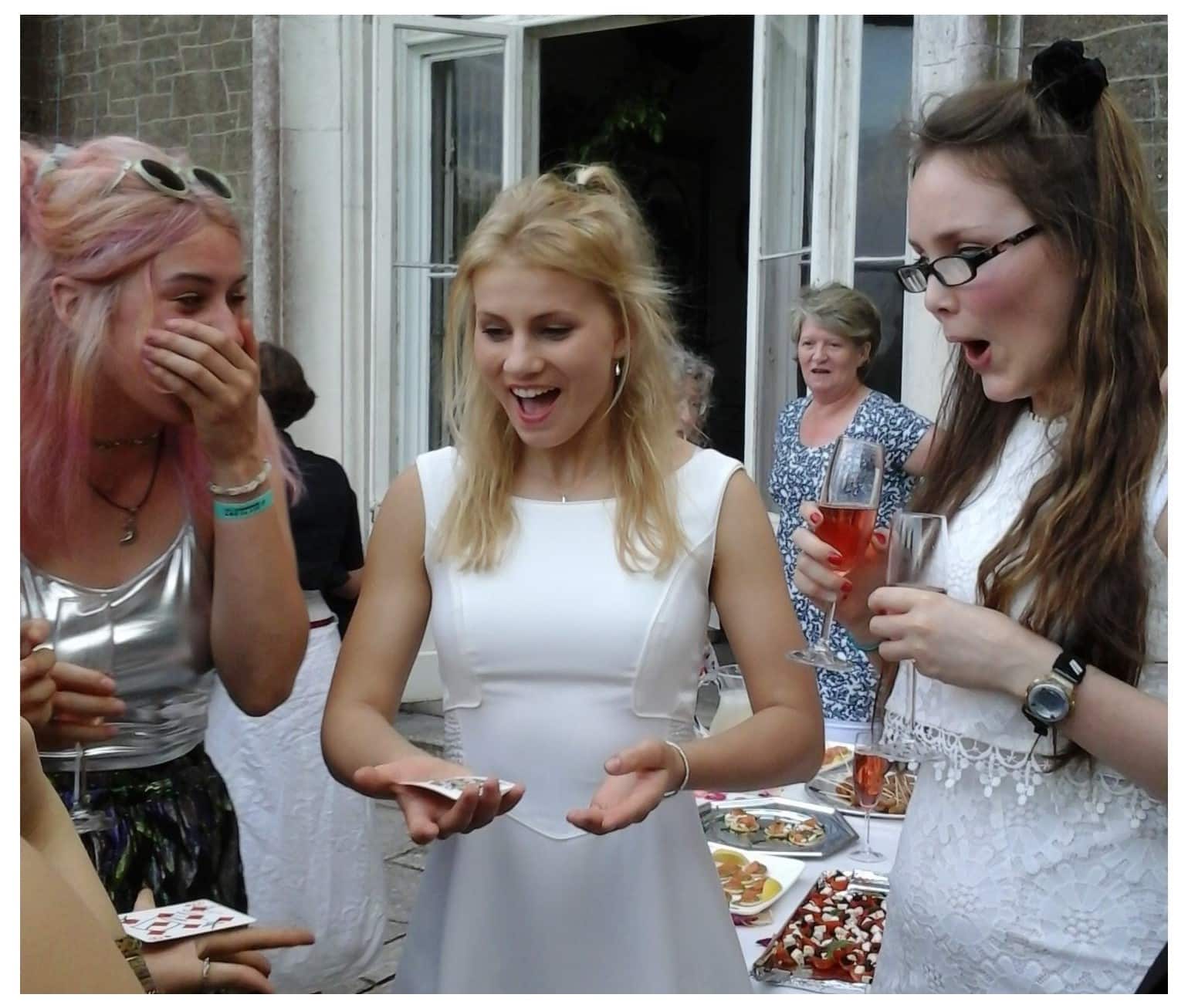
Professional magician Andy Field performing close-up magic for guests at an event, creating an interactive experience around the table.
A close-up magician performs directly among your guests, usually for small groups at a time.
Cards, coins, borrowed objects, rings and other everyday items can all be used, with guests often becoming part of the magic themselves.
Close-up magic is particularly well suited to weddings, drinks receptions, private parties, corporate events and occasions where guests are naturally mingling.
If you want the magic to come to the guests rather than asking everyone to sit down and watch, close-up magic is often the natural choice.
Parlour Magician
Parlour magic sits between close-up and stage magic.
Rather than moving from group to group, the magician performs for a larger gathering of people who are watching together. The audience may be seated or simply gathered in a suitable area of the venue.
It can be a good option when you want everyone to experience the same performance at the same time, without necessarily requiring a full stage production.
Stage Magician
Stage magic is designed for a larger audience watching a performance from a fixed position.
It can involve larger props, illusions, visual effects and routines designed to be seen from further away.
Stage magic can work particularly well when an event has a suitable performance area and the audience is happy to sit and watch a dedicated show.
It isn't necessarily the right choice for an event where guests are mainly standing, eating, drinking and socialising.
Mind-Reading Magician
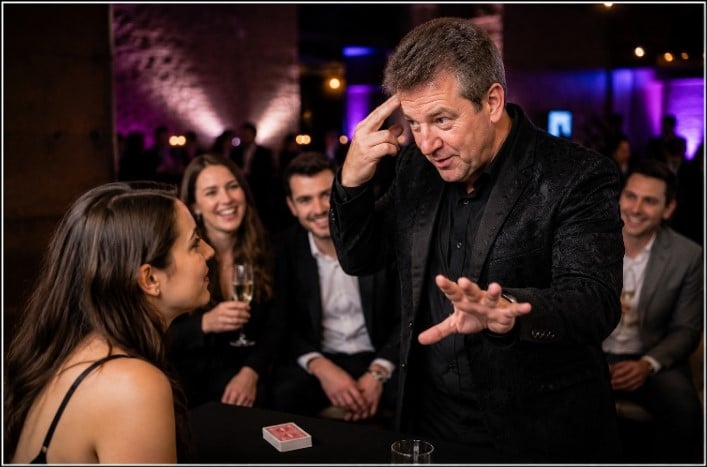
Professional magician Andy Field performing an interactive mind reading routine for guests at an event.
Mind reading, often called mentalism, focuses on apparently impossible demonstrations involving thoughts, choices, predictions, memories and decisions.
The audience may make a choice that the magician somehow appears to know in advance, or think of something that seems impossible for the magician to discover.
Mind reading can work as close-up entertainment or as a more structured performance for a larger group.
It's also possible to combine mentalism with other forms of close-up magic, giving guests a varied experience rather than relying on one type of effect throughout an event.
I've written more about the psychology, techniques and performance behind mind reading in my guide to mind reading magic.
Children's Magician
Children's magic is specifically designed around younger audiences.
The style, pace, language, humour and routines are generally very different from sophisticated close-up magic aimed at adults.
If you're organising a children's party, you'll want someone who regularly performs for children and understands how to keep a young audience engaged.
My own performances are aimed at adults, so if you're looking for children's entertainment, it's important to choose a magician who specialises in that type of performance.
So Which Type Is Right for Your Event?
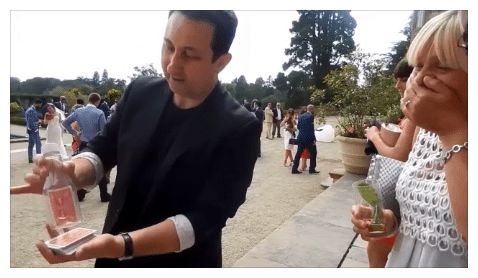
Andy Field performing an interactive close-up magic trick for guests at an event.
There isn't one type of magician that suits every occasion.
A drinks reception with guests moving around naturally may be ideal for close-up magic.
A smaller gathering where everyone can sit together might suit parlour magic.
A large audience gathered specifically to watch a show may be better suited to stage magic.
If you want the entertainment to centre around thoughts, choices and psychological demonstrations, a mind-reading magician could be the appropriate style.
And for children's parties, look specifically for someone experienced in performing for children.
The important thing is to start with your event, your guests and the atmosphere you want to create, then choose the style of magic that fits around them.
Is a magician suitable for my event?
In most cases, if you've got people who enjoy socialising, talking and being entertained, magic can work remarkably well.
But the best answer depends on the occasion.
Weddings
Magic can fill the gaps between the ceremony, photographs, reception and wedding breakfast.
If you're planning a wedding in Worcestershire, you can also read my Wedding Magician Worcester guide, which explains how close-up magic can work throughout the wedding day.
“If you're planning a wedding in Bath, my Bath magician page has more information about the magic I provide locally.”
Corporate events
Magic can help people interact at networking events, conferences, dinners and receptions.
For businesses planning an event in Cheltenham, I also provide close-up magic in Cheltenham for corporate and social occasions.”
For businesses planning an event in Worcestershire, you can also read more about my corporate magician in Worcester services and how close-up magic can work at business events.
Private parties
A magician can move between groups and provide entertainment without taking over the entire evening.
Private parties
A magician can move between groups and provide entertainment without taking over the entire evening.
If you're planning a private celebration in Worcestershire, you can also read more about my Party Magician Worcester services and how close-up magic can work around your guests.
“For private parties and celebrations in Swindon, you can also see my Swindon magician information.”
Birthday celebrations
Magic gives guests something to experience together rather than simply watching another form of background entertainment.
Cocktail parties
Close-up magic works particularly well when guests are already standing and moving around with drinks.
The key is that the magician should fit into the event rather than dominate it.
How many people can one magician entertain?
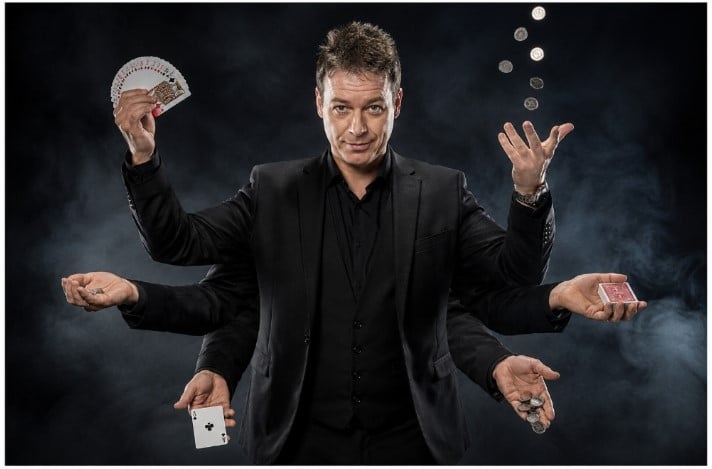
Professional magician entertaining multiple groups of guests.
There's no single answer because it depends on the type of event and how long the magician is performing.
A close-up magician generally works with small groups at a time before moving to another group.
That means a magician can entertain a surprisingly large number of people over the course of an event.
But there's an important distinction between:
How many people are attending?
and
How many people can a magician entertain simultaneously?
Those aren't the same thing.
If you have 100 guests, you don't necessarily need five magicians.
If you want 100 people watching one performance simultaneously, however, you're looking at a different style of entertainment.
A professional magician should be able to look at your guest numbers, venue and schedule and recommend an appropriate approach.
How long should I hire a magician for?
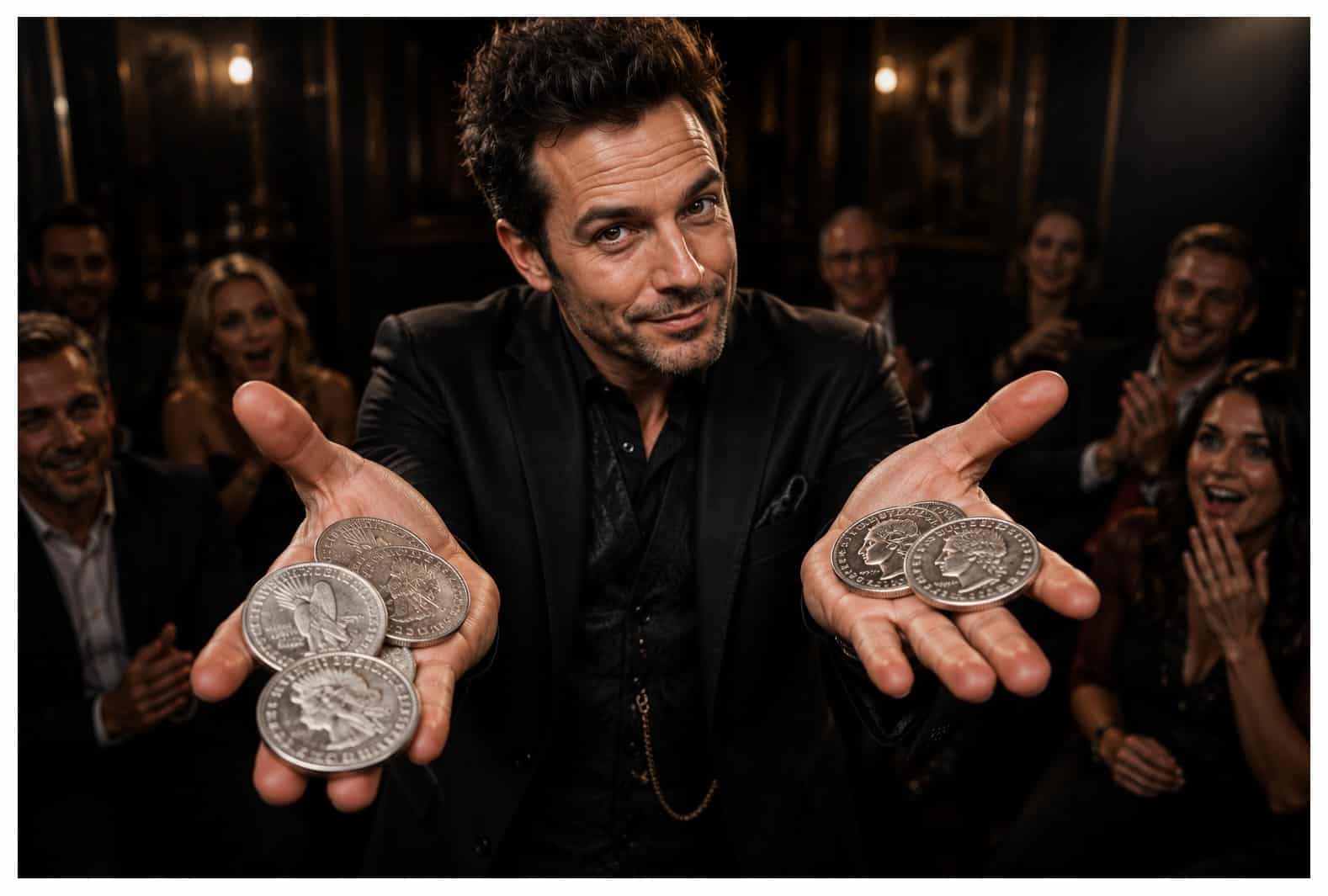
Two hours for a hundred people is a guide
Again, it depends on the event.
For many occasions, two or three hours of close-up magic can provide excellent coverage.
But the timing should be based around what is happening during the event.
Timing is also part of the performance itself. A good wedding magician isn't simply turning up and performing tricks for a set number of hours.
The performance needs to have a natural flow, with the right balance of opening, interaction, variety, escalation and a satisfying finish.
I've written more about the structure of a wedding magician act and how those elements work together during a wedding.
For example, at a wedding you might want magic during the drinks reception and while photographs are being taken.
At a corporate event, it might make more sense to perform during arrival drinks, networking or a reception before dinner.
There's no prize for keeping the magician working for as many hours as possible.
The objective is to have the right amount of magic at the right time.
When should a magician perform at a wedding?

Professional magician entertaining wedding guests with close-up magic during the drinks reception.
This is one of the most common questions I get asked.
The drinks reception is often an excellent opportunity.
Guests have finished the ceremony, photographs may be taking place and people are naturally standing around chatting.
A magician can move between groups and give people something to enjoy while they wait.
Magic can also work extremely well during other gaps in the day.
For example:
- After the ceremony
- During the drinks reception
- While the couple are having photographs
- Before the wedding breakfast
- During room turnaround
- During the evening reception
I've written more about the subject in my Wedding Magic: The Complete Guide to Making Your Wedding Unforgettable, which goes into much greater detail about using magic throughout the wedding day.
The same principles apply to weddings in Gloucestershire, and if you're planning a celebration in the area, you can read more about my Gloucester magician services.
The drinks reception is often an excellent opportunity. Guests have finished the ceremony, photographs may be taking place and people are naturally standing around chatting. If you're planning your wedding in Bristol, you can also read more about my Bristol magician services and how close-up magic can fit naturally into the day.
Can a magician perform for the bride and groom?
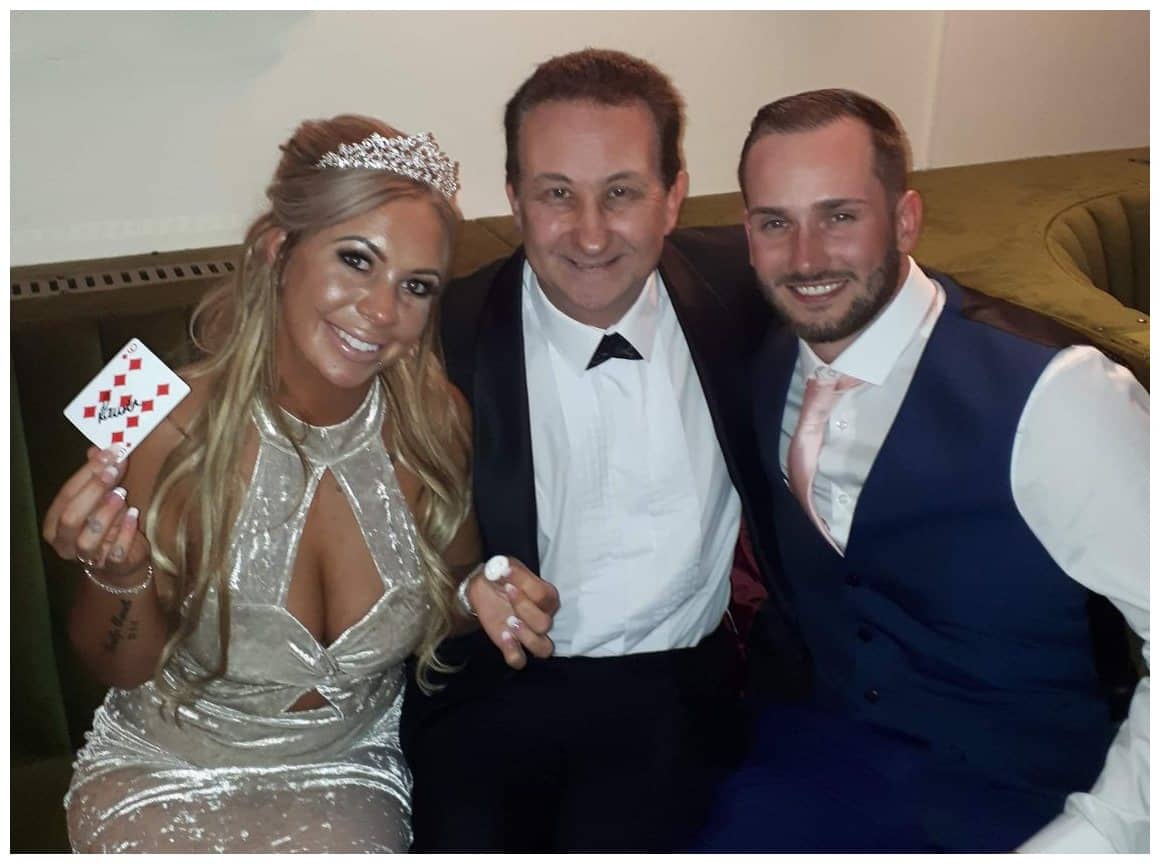
Professional magician performing close-up magic for the bride and groom at their wedding reception
Absolutely.
In fact, some of the most memorable magic can be created specifically for the couple.
For example, a magician might incorporate the bride and groom's wedding rings into a routine.
That's very different from simply showing them a standard card trick.
The magic becomes connected to their wedding.
And that's something I particularly enjoy.
The best performance isn't necessarily the trick that's hardest to perform.
It's the one that means something to the people experiencing it.
Can a magician perform while people are eating?
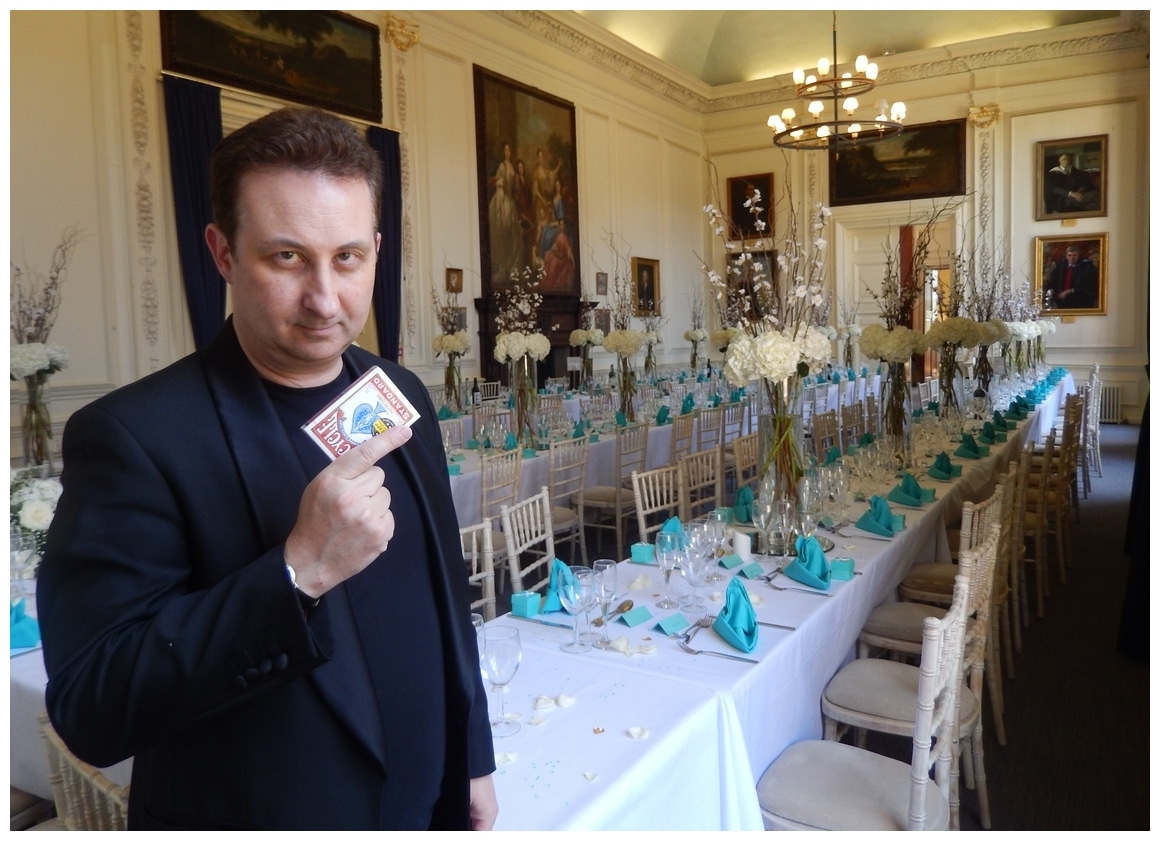
Getting ready to entertain seated guests
Usually, close-up magic works better around the meal rather than directly over people's plates.
Nobody wants a magician hovering over their roast dinner asking them to pick a card.
Timing matters.
A magician can often perform before the meal, between courses where appropriate, after the meal or during other natural breaks in the event.
The exact arrangement depends on the venue and schedule.
A good magician should work with the event timetable, not against it.
How much does a magician cost?
Fees for magicians vary considerably
This is another question where there isn't one universal price.
The cost can depend on:
- Length of performance
- Type of event
- Number of guests
- Location
- Type of magic
- Date and availability
- Travel requirements
- Level of experience
A professional magician with many years of experience is not necessarily competing on price with someone who has only recently started performing.
And that's worth considering.
You're not simply paying for someone to know a few tricks.
You're paying for someone who knows how to perform those tricks in the real world, in front of real people, at a real event where things don't always go according to plan.
For local information, see the relevant magician cost guide for your area rather than relying on a generic national figure.
For example, if you're planning an event in Oxford, my Oxford magician page provides more information about the services available locally
What should I look for when choosing a magician?
I'd look beyond the number of tricks someone claims to know.
Consider:
Experience
How long have they actually been performing professionally?
Evidence
Can you see genuine examples of their work?
Reviews
What do previous clients say?
Professional credentials
Have they achieved anything within the magic community?
Television or media work
Have they worked professionally outside private events?
Video
Can you actually see them performing?
Personality
Do you like the way they communicate?
This last one is particularly important.
A magician can be technically brilliant and still be completely wrong for your event.
You want somebody who can walk into a room and make people feel comfortable.
You can find out more about personality and the importance of it on my Somerset magician page.
Should I choose an experienced magician?
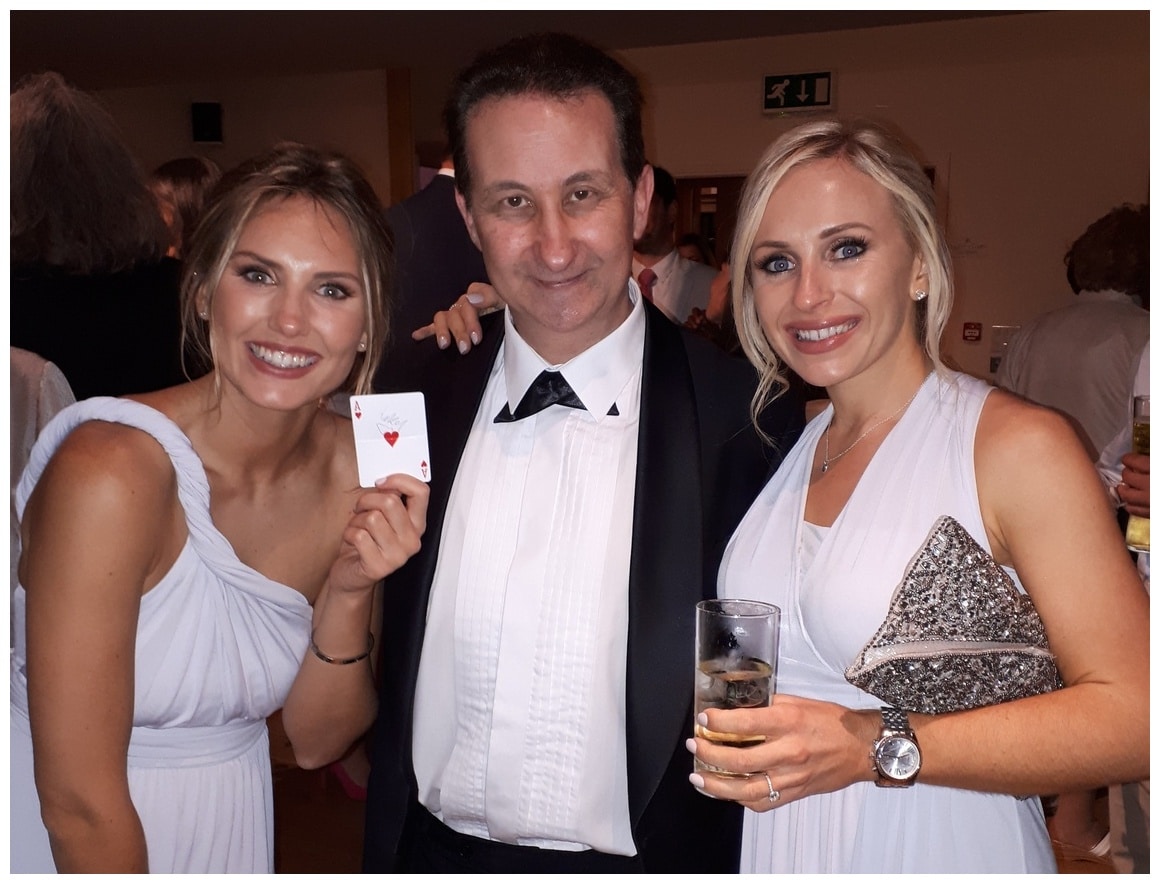
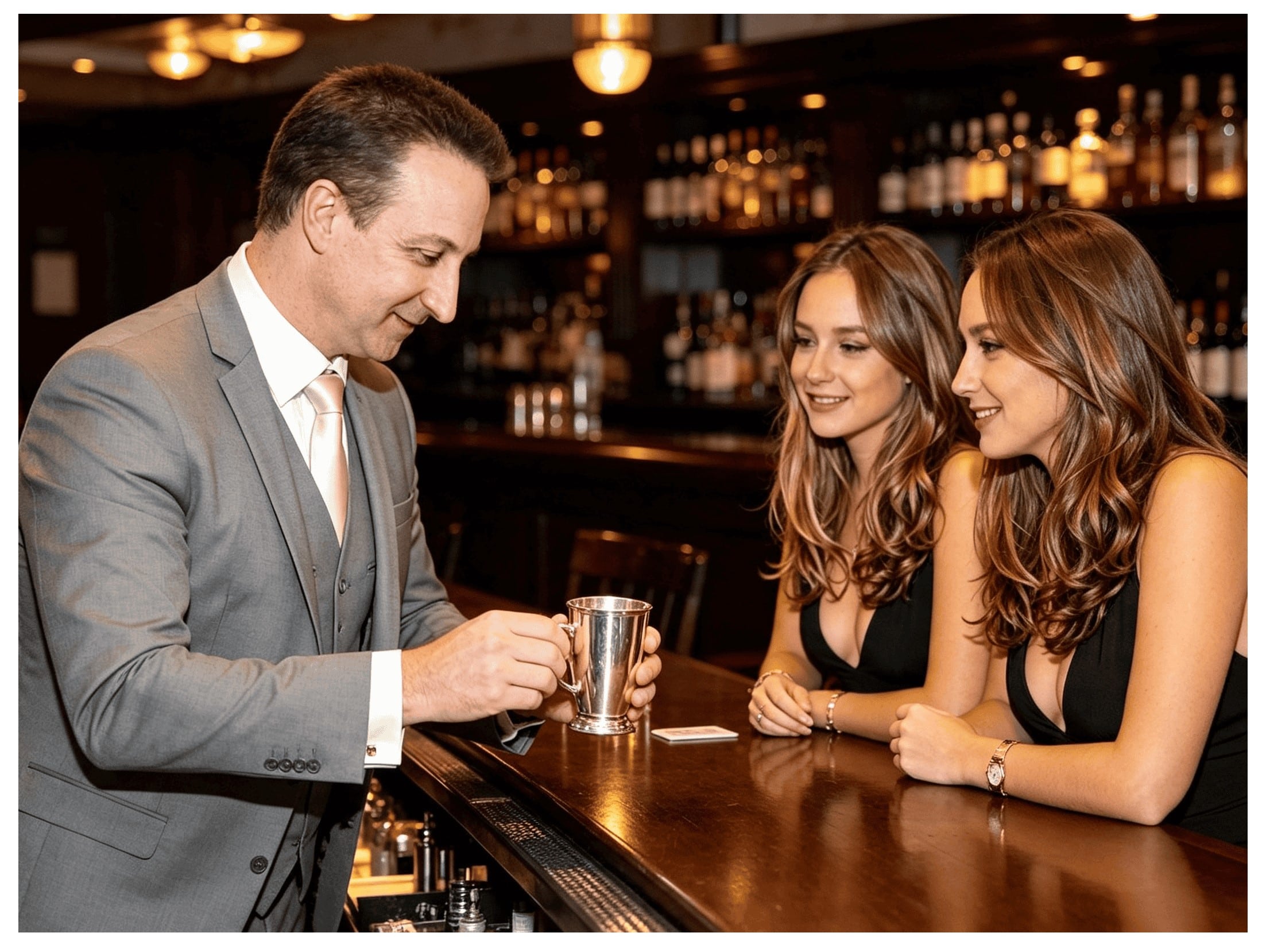
Professional magician Andy Field performing an interactive card trick for two guests at an event
Experience doesn't automatically make someone brilliant.
But it does matter.
After a quarter of a century of professional performance, I've learned that the difficult part isn't necessarily knowing what to do when everything goes perfectly.
It's knowing what to do when it doesn't.
Someone interrupts.
A guest walks away.
A phone rings.
The venue timetable changes.
Someone has had a few drinks and suddenly becomes convinced they're going to expose the entire magic industry.
It happens.
Experience teaches you how to handle those situations without making them part of the audience's problem.
What is sleight of hand?
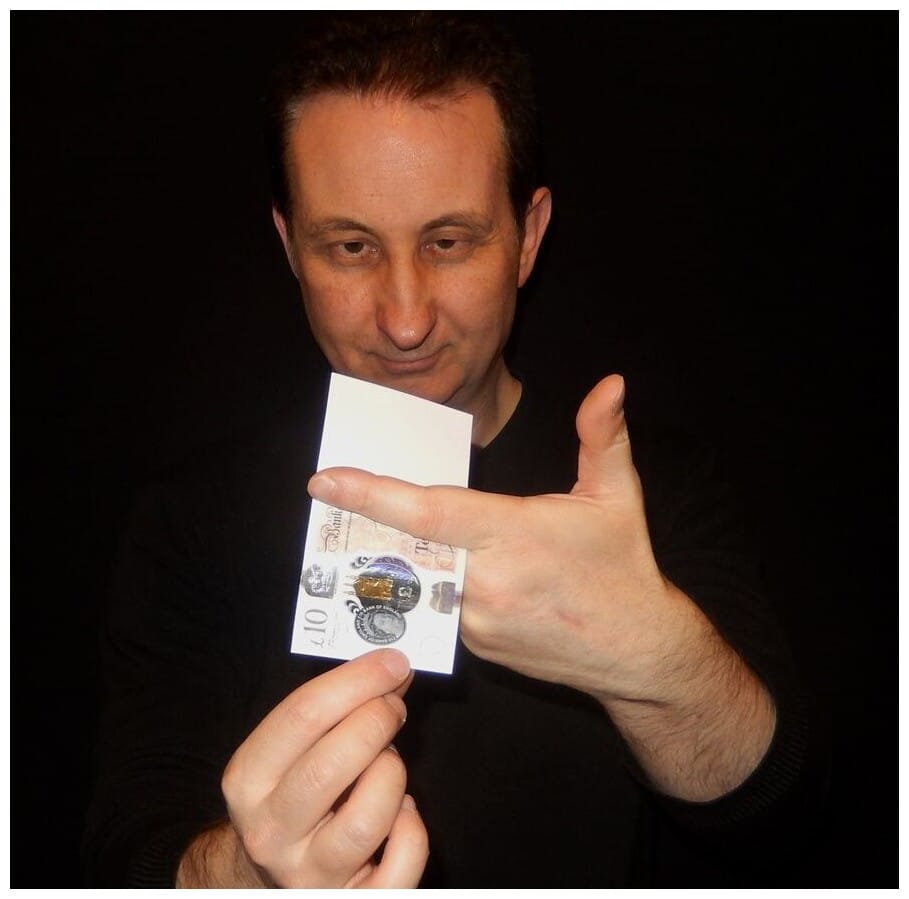
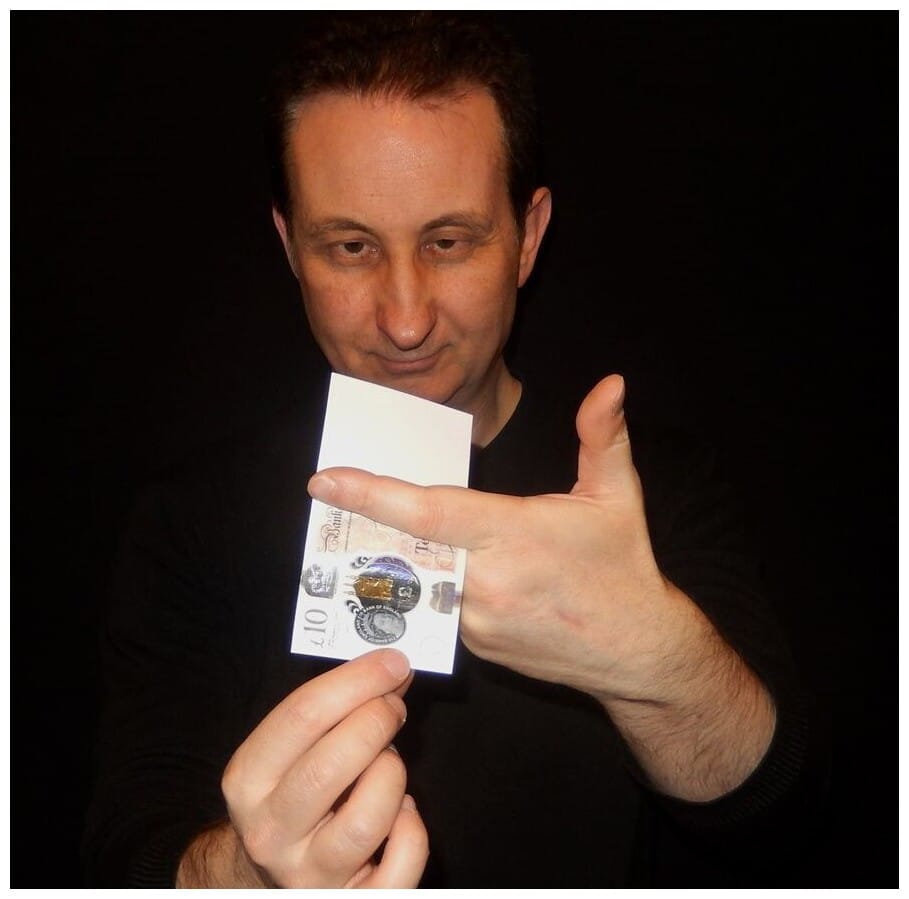
Professional magician Andy Field performing an interactive money trick using sleight of hand for guests at an event.
Sleight of hand is the physical skill involved in manipulating objects in ways that aren't obvious to the audience.
Cards, coins and other objects can be secretly moved, switched, concealed or manipulated.
But sleight of hand is only one part of magic.
I've written a complete guide to sleight of hand in magic because there's considerably more to it than simply having fast fingers.
A magician could have incredible technical ability and still give a terrible performance.
The audience doesn't award points for difficulty.
They remember how the experience made them feel.
What is misdirection?
Misdirection in Magic from Holly the magician
Misdirection is the management of attention.
It's often misunderstood as simply looking over here while secretly doing something over there.
There's much more to it.
A magician can use timing, language, movement, expectation and psychology to influence where an audience focuses its attention.
I've gone into much greater depth in Misdirection in Magic.
It's one of the fascinating reasons magic can work even when the audience is standing only a few feet away.
Does psychology play a part in magic?

Psychology is the invisible friend of the magician
Very much so.
Magic isn't simply about manipulating objects.
It's also about understanding people.
What do they expect?
What do they remember?
What do they assume?
Where are they looking?
What do they think is about to happen?
These questions are fundamental to good magic.
I've explored this in my article about Psychology in Magic.
The more you understand about how people perceive events, the more interesting magic becomes.
What about card tricks?
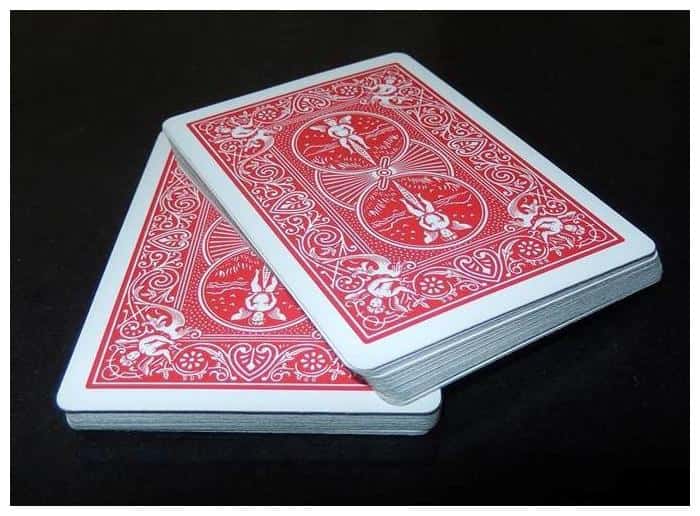 Cards are one of the most recognisable tools in magic for a reason.
They're familiar.
Almost everyone understands what a deck of cards is supposed to look like.
That makes it particularly powerful when something impossible happens with one.
A card disappears.
A signed card appears somewhere impossible.
A shuffled deck somehow knows which card somebody selected.
And no, I'm not going to explain how I do all of them here.
I've got to keep the lights on somehow.
My card magic is also part of the wider work I do with sleight of hand, psychology and misdirection.
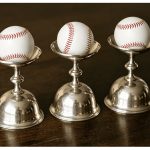
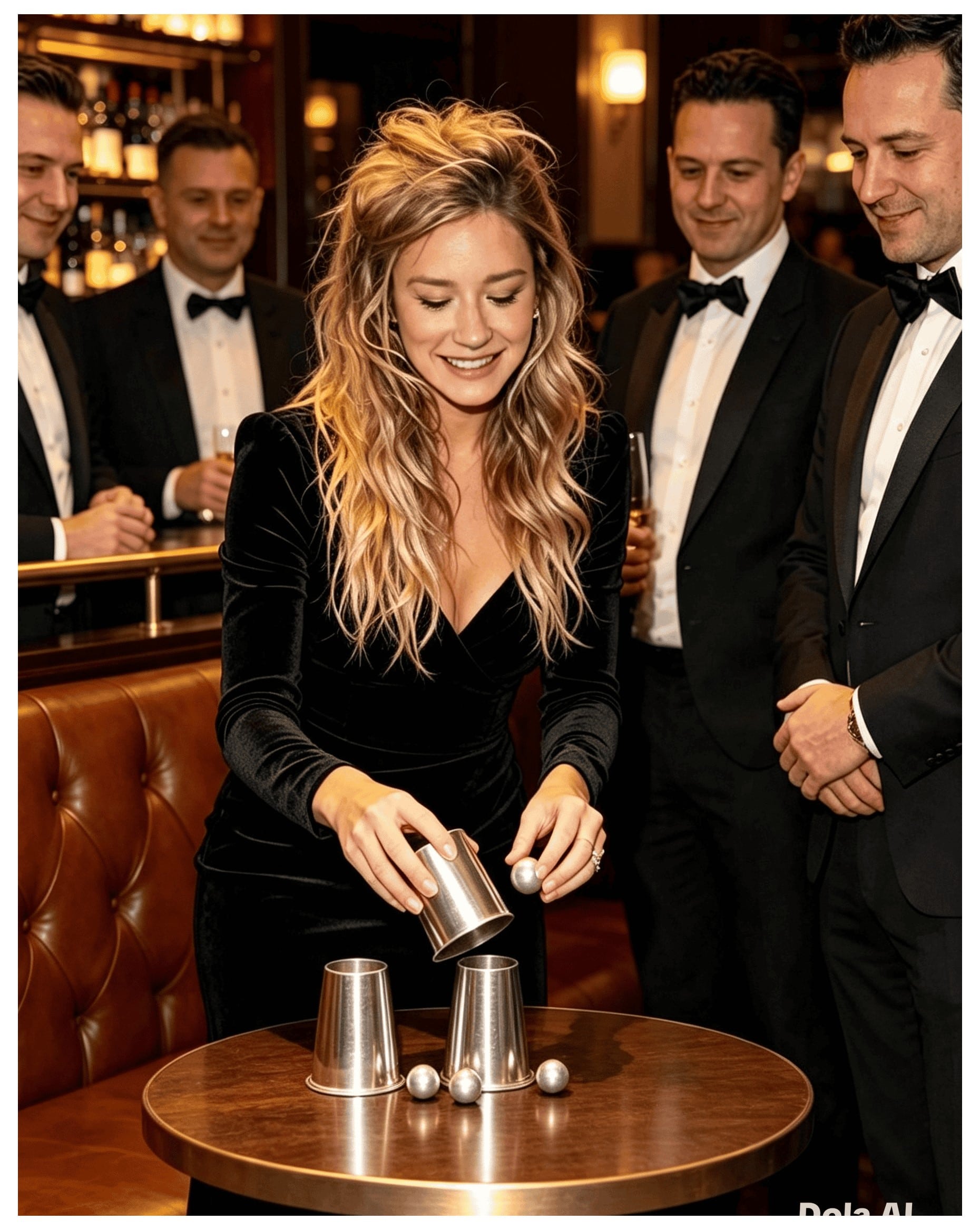
Why the Cups and Balls still works
Professional magician Andy Field performing the classic Cups and Balls magic trick for guests at an event.
The Cups and Balls is one of the oldest plots in magic.
It also demonstrates something important about good magic.
The objects are incredibly simple.
Three cups.
Small balls.
Nothing technologically impressive.
And yet the audience can become completely absorbed in what happens.
They think they've seen where something went.
Then it isn't there.
They think they've caught you.
Then they've missed something else.
It's a perfect example of why magic isn't really about expensive equipment.
It's about deception, timing, psychology and presentation.
What makes a good magician?
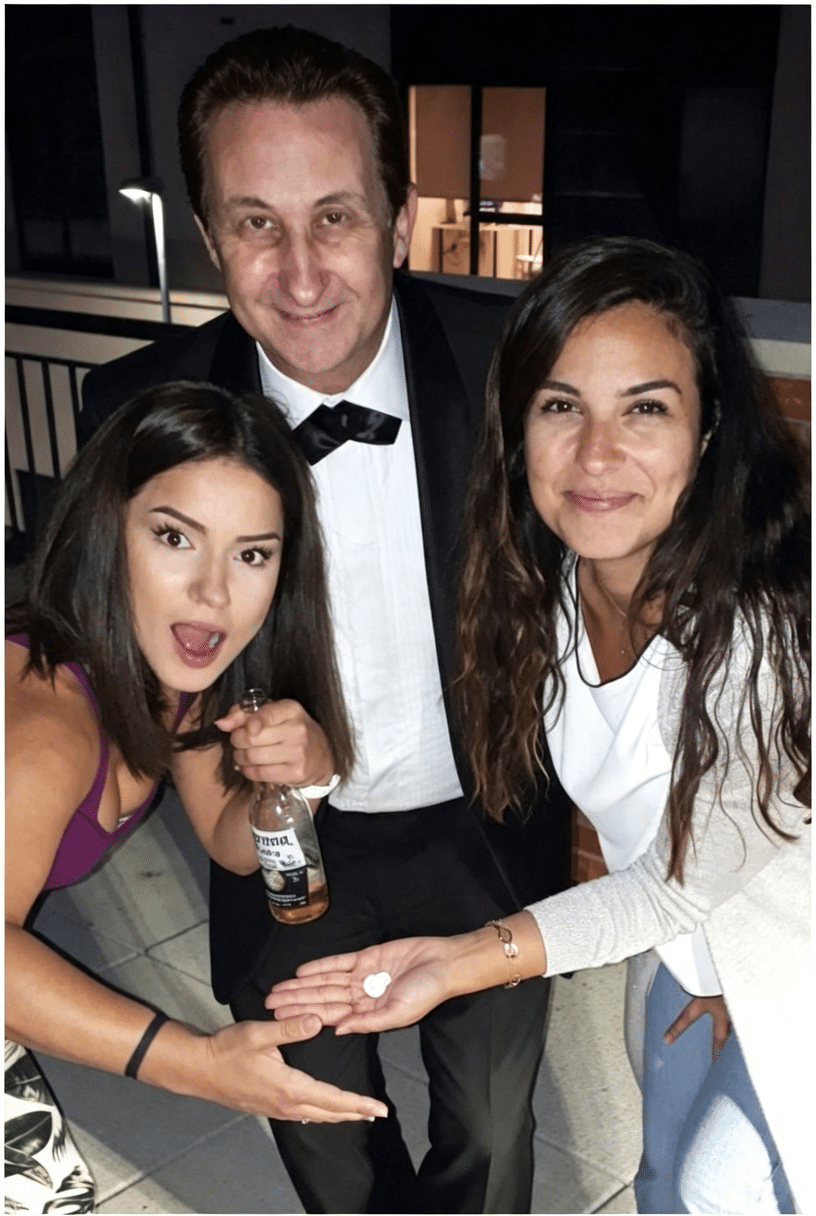
Strong magic and showmanship all day long
For me, it's a combination of things.
Technical ability matters.
But so do:
- Timing
- Personality
- Communication
- Audience management
- Confidence
- Experience
- Psychology
- Misdirection
- Adaptability
- Knowing when to stop
That last one is underrated.
A magician should never feel like an unwanted salesman wandering around looking for another victim.
The best performances feel natural.
You meet a group.
You have some fun.
You perform something impossible.
People react.
You move on.
Simple.
Do I need a stage or special equipment?
Usually not.
That's one of the advantages of close-up magic.
A magician can often perform in a relatively small space without staging, lighting or complicated technical requirements.
For many events, all that's required is enough room to stand comfortably with a group of guests.
That's why close-up magic can work in venues where traditional stage entertainment would be impractical.
What should I ask a magician before booking?
I'd ask:
Are you available on my date?
What type of magic do you specialise in?
How long have you been performing professionally?
How would you recommend fitting the magic into my event?
How many guests can you comfortably entertain?
Do you have genuine reviews?
Can I see you performing?
What happens if the timetable changes?
And perhaps most importantly:
Does this magician actually seem like someone my guests would enjoy having at the event?
Because that's ultimately what you're booking.
A person.
Not just a deck of cards.
Why experience makes a difference
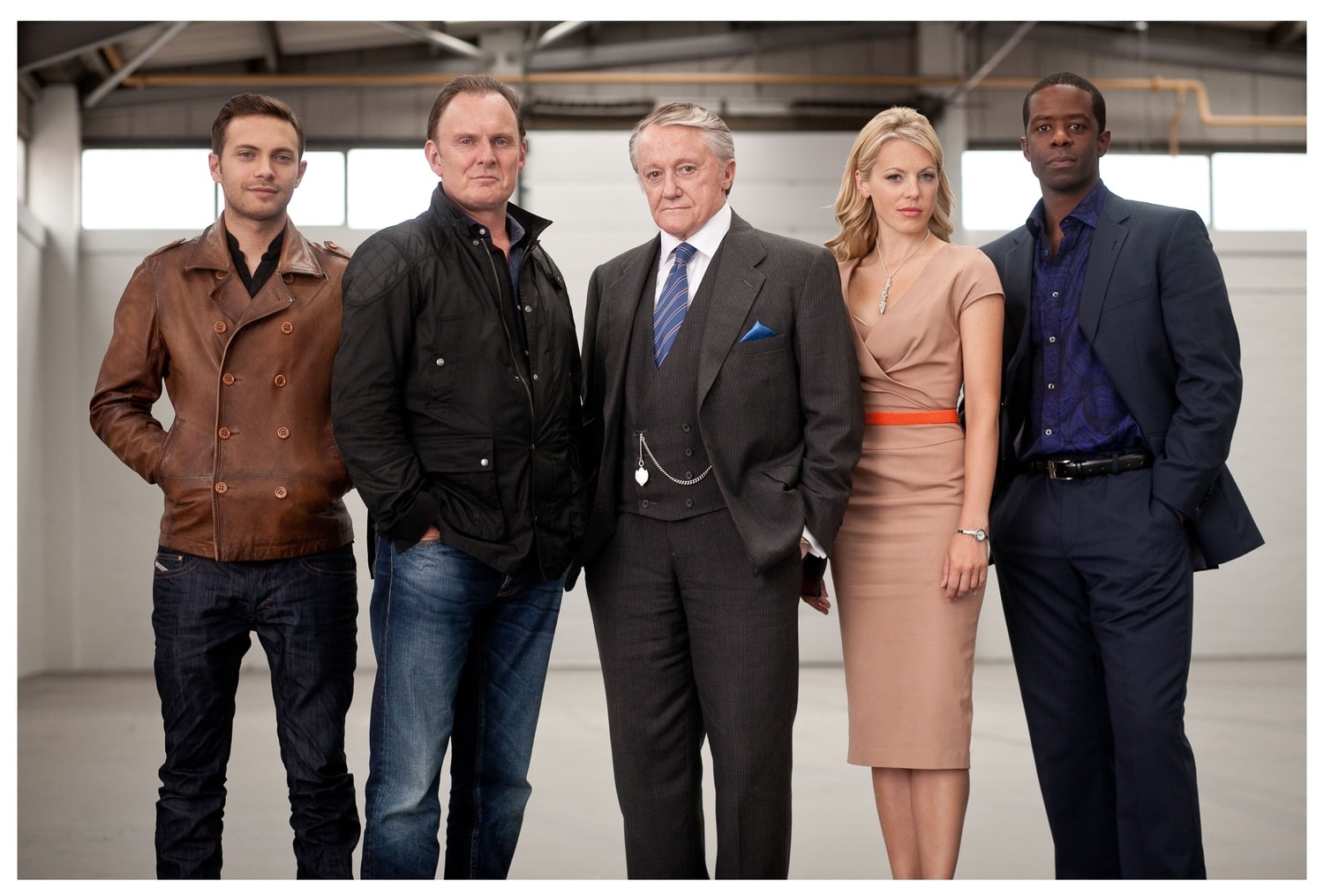
Andy Field working as a magic consultant on BBC Hustle, helping with the magic and sleight-of-hand used in the BBC television series.
I've been performing professionally for a quarter of a century.
I've performed at countless different types of events.
I've worked for private clients and businesses.
I've performed for small groups and large gatherings.
I've worked in front of cameras.
I've worked behind the scenes in television.
I've competed in close-up magic.
I've performed the same principles of magic in completely different environments.
All of that experience has taught me one thing:
There is no such thing as a completely predictable event.
That experience has also taken me to a huge variety of events and venues across the South West, from weddings and private parties to corporate events and celebrations. You can see some of the events, venues and towns where I've performed magic across the South West.
And that's fine.
The magician's job isn't to complain about the unpredictable bits.
It's to adapt.
I also perform at weddings, parties and events throughout the Cotswolds; my Cotswolds magician page explains more about the service.
Why choose Andy Field?
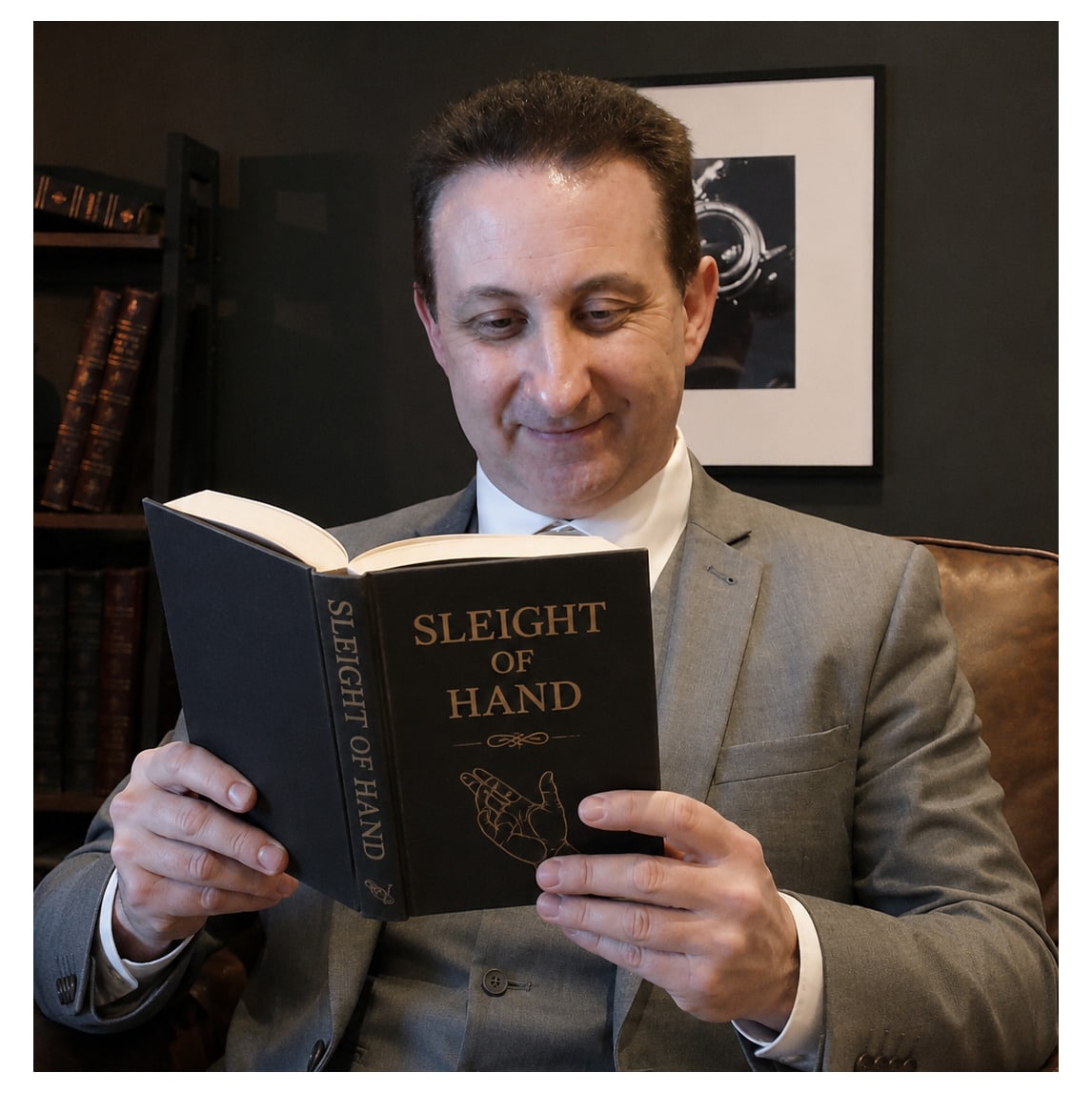 I'm a professional close-up magician based just outside Bristol, with a quarter of a century of experience.
You can also learn more about Andy Field and his professional background, including his experience, achievements and work in television.
I'm a two-time S.A.M.S. Champion of Close-Up Magic and have worked as a magic consultant and hand double on the BBC series Hustle.
My YouTube videos have received more than 20 million views, and I've built hundreds of genuine Google reviews along with more than 400 Facebook recommendations.
But ultimately, those things are supporting evidence.
The important question is whether I can provide the experience you're looking for.
I perform close-up magic at weddings, corporate events, private parties and celebrations throughout Bristol, Bath, Gloucestershire and surrounding areas.
For events in Worcestershire, you can also find more information on my Worcester magician page
If you're looking for a close-up magician in Bristol, you can explore the dedicated Bristol information on the site.
So, should you hire a magician?
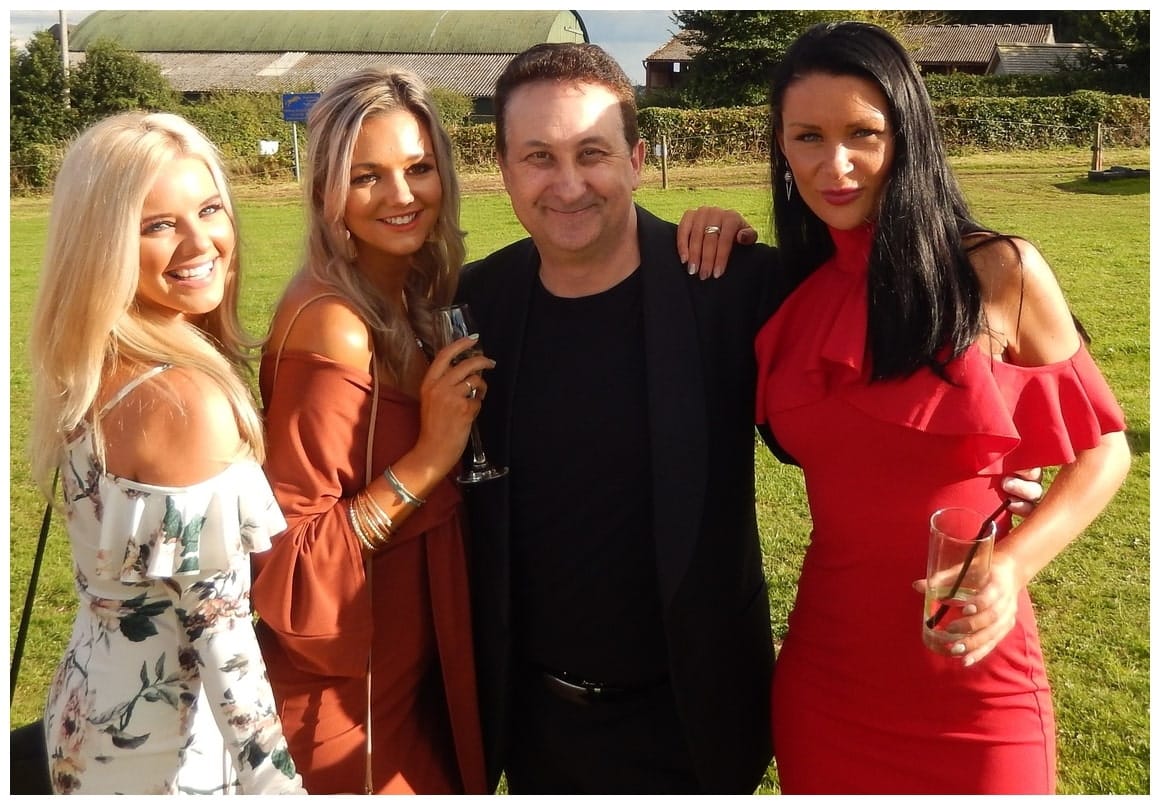
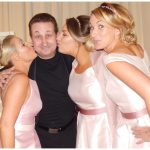
Guests enjoying interactive close-up magic at an event, showing how a professional magician can provide entertainment that brings people together.
If you want somebody to simply stand in the corner doing tricks, probably not.
If you want an experienced professional who can walk into a room, approach people naturally, create conversations, perform impossible magic at close range and move seamlessly between groups, then close-up magic could be an excellent fit.
The beauty of magic at an event is that it doesn't require everyone to stop what they're doing.
It becomes part of the occasion.
People talk.
They laugh.
They introduce their friends.
That's one of the reasons a magician can add so much value to an event.
They compare what happened to them.
And, occasionally, somebody spends the rest of the evening trying to work out how you did it.
That's fine.
I've had a quarter of a century to avoid answering that question.
Ready to find out whether a magician is right for your event?
If you're planning a wedding, corporate event, private party or celebration and you're considering hiring a magician, get in touch.
Tell me a little about your event, where it's taking place, how many people you're expecting and what you're hoping the entertainment will achieve.
I'll tell you honestly whether I think magic would work — and what sort of performance I'd recommend.
Because hiring a magician shouldn't be complicated.
You just need to find the right magician for your event.
And preferably one who doesn't make you pick a card every thirty seconds.
Andy Field Magician Service Areas
I regularly provide professional close-up magic for weddings, parties, corporate events and special occasions across the South West and surrounding areas. You can find more information about my magician services in the following locations:
- Bristol Magician
- Gloucester Magician
- Cheltenham Magician
- Swindon Magician
- Somerset Magician
- Magician Oxford
- Magician Bath
- Magician Cotswolds
Explore More About Close Up and Magic
Book Magician Andy Field
I'm fortunate that I don't have to rely on magic to pay the bills. This means I don't need to charge inflated Saturday-night fees. I can concentrate on what I really enjoy — performing powerful, entertaining magic — while keeping my prices competitive.