How Magicians Command an Audience’s Attention

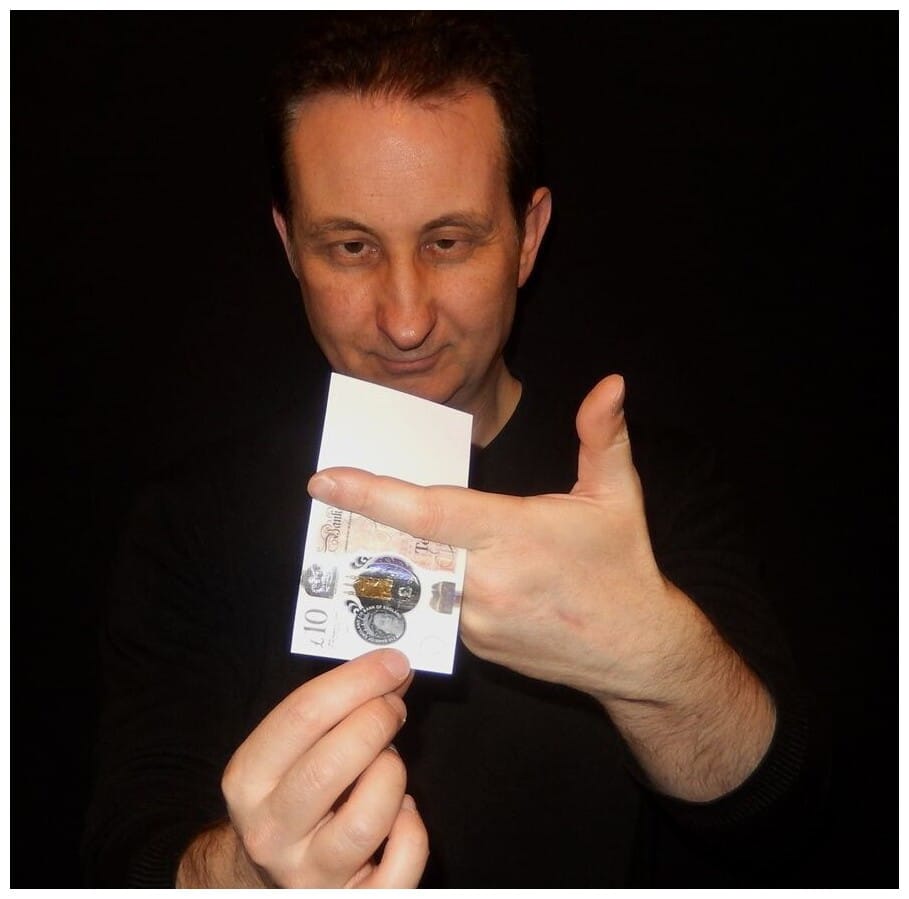
Andy Field is a professional magician with more than a quarter of a century of experience performing close up magic at weddings, parties, corporate events and private celebrations. He has performed at more than 1,000 weddings and is a two-time S.A.M.S. Champion of Close-Up Magic with more than 20,000,000 views on his YouTube and an array of Google reviews.
Experience, confidence and the art of leading an audience

Andy Field entertains a woman and a man with close-up card tricks, demonstrating the showmanship and audience interaction that make magic memorable.
Hi, Andy Field here. A quarter of a century as a professional magician, performing at over 1,000 weddings and winning the S.A.M.S. Championship of Close-Up Magic twice, I've learnt that knowing how to perform a magic trick is only part of the job. You also need to know how to present it.
My experience includes attracting more than 20 million YouTube views and working as a magic consultant and hand double on the BBC drama Hustle.
Those experiences have reinforced something I've always believed: technical ability matters, but the way a performer handles an audience can make an enormous difference to the experience.
You can know an extraordinary card trick, practise it thousands of times and execute it perfectly. But if you mumble your way through the presentation, look uncomfortable or fail to connect with the people watching, the result might fall flat.
Another magician could perform a comparatively simple trick and turn it into a memorable moment.
What makes the difference?
One important factor is performer authority. The ability to earn an audience's attention, establish trust and guide the experience without demanding control of the room.
It isn't about being intimidating, acting superior or behaving as though you're the most important person at the event. Real authority comes from confidence, composure, communication and an understanding of people.
What does authority mean for a magician?
When people hear the word authority, they might imagine somebody issuing instructions, raising their voice or insisting that everybody pays attention.
That isn't what I mean.
In magic, authority is the impression that the performer knows what they're doing and can be trusted to lead the experience. The audience feels comfortable following along because the magician appears relaxed, capable and in control of the presentation.
This is particularly important in close-up magic. Unlike a theatre performer standing on a stage, a close-up magician often works in the middle of a busy room.
At a wedding, guests might be talking about the ceremony, catching up with relatives, ordering drinks or wondering when the food will arrive. At a corporate event, somebody might be discussing business while another guest is checking their phone.
Nobody has necessarily arrived expecting to watch a magician.
The performer has to make the interaction feel worthwhile.
That begins with how they approach people, introduce themselves and establish a connection. If the magician seems relaxed and approachable, guests are more likely to engage. If they appear nervous, pushy or desperate to impress, people can become uncomfortable.
Authority is not about forcing people to watch. It is about making them want to.
Whether I'm entertaining guests at a wedding or private event, performing as a magician in Leamington Spa means understanding the occasion, reading the room and creating an entertaining experience without taking over.
Confidence without arrogance
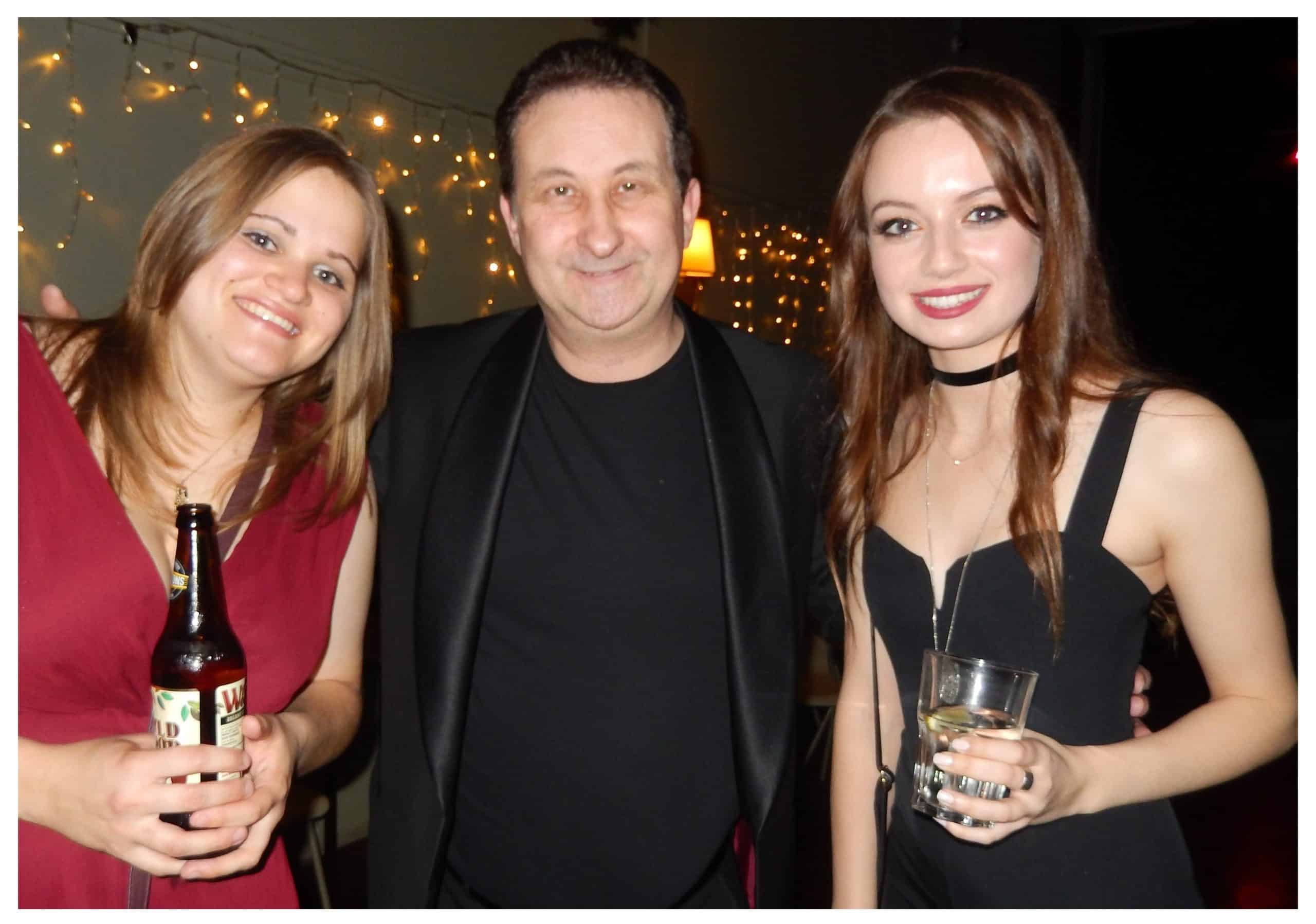
Professional magician Andy Field demonstrates how confidence, natural presentation and respect for the audience contribute to effective close-up magic.
Confidence is one of the most noticeable characteristics of an experienced performer, but genuine confidence isn't the same as showing off.
A confident magician doesn't need to announce how brilliant they are, explain how many awards they've won or remind everyone that they've been performing for decades. Their behaviour does much of the talking.
They approach a group naturally, speak clearly and give the impression that they're happy to be there. They don't rush because they're worried about what comes next, and they don't panic if something unexpected happens.
Arrogance, on the other hand, puts the performer at the centre of everything.
An arrogant magician might treat spectators as though they're lucky to be in the room, dismiss their reactions or become irritated when somebody doesn't respond as expected. That can turn a potentially entertaining experience into an uncomfortable one.
The best approach is to combine confidence with humility.
I want people to enjoy the magic, have a laugh and feel part of the experience. I don't need to convince them that I'm cleverer than they are. If the performance works, they'll have plenty to think about without me explaining how impressive I am.
The distinction is simple: be confident in your performance while remaining respectful towards your audience.
Body language speaks before the trick begins

Professional magician Andy Field explores the importance of confident posture, natural eye contact and relaxed movement when engaging an audience before a magic trick begins.
An audience starts forming impressions before a magician has even performed a trick.
Posture, facial expression, eye contact and movement all contribute to the way somebody comes across. A performer who looks uncomfortable or constantly fidgets may appear uncertain, even if their technical magic is excellent.
That doesn't mean every magician needs to stand like a military officer. Close-up magic is conversational, and a natural, relaxed manner is usually more appropriate than a rigid pose.
The important thing is to look comfortable in your own skin.
Standing naturally, making appropriate eye contact and avoiding unnecessary movements help the performance feel assured. Purposeful gestures can make an action easier to follow, while a moment of stillness can give an important moment more impact.
There is no need to fill every second with movement.
In fact, a magician who can stand still at the right moment may command more attention than one who constantly waves their arms around.
Eye contact also helps establish a connection. It allows the performer to acknowledge people, respond to their reactions and make the experience feel personal. But it should be natural rather than an attempt to stare somebody into submission.
The aim is to make spectators feel included, not inspected.
These details form part of the wider subject of showmanship in magic. A trick might provide the mystery, but presentation helps determine how that mystery is experienced.
The importance of voice, timing and pauses

The way a magician speaks helps build anticipation, create humour and keep spectators engaged throughout a close-up magic performance.
A magician's voice is another important tool.
Speaking too quietly can make it difficult for a group to follow what's happening. Speaking too quickly can leave people struggling to keep up.
And talking continuously can make it harder for an audience to appreciate the magic itself.
Good performers understand that communication involves more than the words they use.
It also involves timing.
A pause before a revelation can build anticipation. A short comment after an unexpected moment can allow the audience's reaction to develop. A well-timed joke can release tension and turn astonishment into shared laughter.
The trick is knowing when to speak and when to stop.
Some performers seem to feel that silence is dangerous. They fill every gap with another sentence, another joke or another explanation. Yet a little silence can be extremely powerful.
Imagine a signed playing card appearing somewhere nobody expected. The magician doesn't necessarily need to explain why it is impossible, describe the effect or immediately move on to another trick.
Sometimes the best thing to do is let people react.
Timing varies according to the audience and the setting. A lively party may call for a quicker, more playful presentation, while a quieter group might respond better to a slower build.
Authority means recognising what the moment needs and having the confidence to deliver it.
Guiding attention without becoming bossy

A good magician knows how to draw people in naturally, using relaxed confidence, humour and engaging communication without dominating the audience.
Magic depends on attention. The audience needs to experience the important moments in the way the performer intends, even when they don't understand everything that is happening.
That doesn't mean the magician should behave like a schoolteacher demanding silence.
In close-up magic, the performance often takes place in a relaxed social setting. Guests may be holding drinks, chatting with friends or joining in from different sides of a group.
The magician has to guide the interaction without making it feel like a series of orders.
A simple question, a well-placed gesture or a clear explanation can help everybody understand where to look and what is happening.
The way a magician introduces an object can also influence how people perceive it. Giving a spectator a clear role, for example, helps them feel involved rather than simply watching from the side lines.
This is where performer authority and the psychology of magic meet. Attention, expectation and the way people interpret events all contribute to the experience.
However, guiding attention should never become an excuse to make spectators feel foolish. The purpose is to create an enjoyable mystery, not to embarrass somebody for failing to spot something.
A good performer makes people feel that they're part of something extraordinary.
They don't make them feel that they've failed a test.
Audience participation and the spectator's experience

Audience participation makes close-up magic more personal and entertaining, giving spectators the chance to become part of the experience rather than simply watching from the sidelines.
Inviting somebody to take part in a trick requires judgement.
Some guests love being involved. They enjoy making choices, handling objects and becoming part of the mystery. Others are happier watching from a comfortable distance.
A magician who understands performer authority can recognise the difference and adapt.
Rather than putting somebody on the spot, the performer can offer an invitation and allow them to decide whether they want to participate.
If they agree, the magician gives them a clear role and makes sure they understand what to do.
This helps the interaction feel natural. It also means the spectator can relax and enjoy the experience instead of worrying about making a mistake.
The magician still leads the presentation, but the spectator is not treated as a prop. Their choices, reactions and comfort matter.
That is particularly important at weddings and corporate events, where people have come together for a variety of reasons and may have very different personalities.
Some will happily become the centre of attention for a moment. Others may prefer to watch from the edge of the group. Both responses are perfectly acceptable.
I've always felt that the audience should leave an interaction feeling entertained, not wondering why they were dragged into it in the first place. My article on audience participation in magic explores the role spectators play in a successful performance.
This approach is just as important when entertaining guests at a wedding in Bristol or performing at a private celebration in Bath. The setting may change, but people still want to feel comfortable and included.
What happens when somebody interrupts?
 Live performance rarely follows a perfect script.
A guest might make a joke at the wrong moment, somebody may interrupt with a question, or a spectator might announce that they know how a trick works.
Sometimes the interruption is friendly. Sometimes it comes from somebody who wants to test the magician. Occasionally, it is simply the result of a busy room.
This is where composure becomes especially important.
A performer who reacts defensively can quickly lose the atmosphere they have created. Becoming argumentative, snapping at a guest or desperately trying to prove a point usually makes the situation worse.
An experienced magician looks for a way to respond without allowing the interruption to take over.
Humour can help. So can a brief acknowledgement before returning to the performance. Sometimes the best response is simply to continue calmly.
The answer depends on the situation, the person involved and the nature of the interruption. There is no single line that works every time.
The underlying principle, however, remains the same: don't allow a minor disruption to dictate the entire performance.
That doesn't mean tolerating genuinely disrespectful behaviour. A performer can set reasonable boundaries while remaining polite. If somebody is deliberately making the experience unpleasant for others, it may be necessary to move on to another group or speak to the event organiser.
Authority includes knowing when not to engage.
The magician's job is to entertain the audience, not win every argument in the room.
Why humour can make a magician more authoritative

A successful magician balances humour with authority, making spectators feel comfortable while confidently guiding the performance and keeping everyone engaged.
It might seem strange to suggest that humour helps establish authority. Surely a performer who jokes around risks losing control?
Not necessarily.
Used well, humour can make a magician appear more comfortable, approachable and confident. It helps people relax and creates a sense of shared enjoyment.
The key is that the humour should support the performance rather than compete with it.
A funny comment can help an audience warm to a performer. A little self-deprecation can make the magician seem human rather than self-important.
And a light-hearted response to an unexpected moment can demonstrate that the performer is comfortable handling the situation.
But humour can also be overdone.
If every sentence is a joke, the audience may struggle to recognise the important moments. If the magician constantly makes themselves the centre of attention, the magic can become secondary.
And jokes at a spectator's expense can quickly undermine the trust that the performer has worked to establish.
Good humour is responsive. It fits the people, the occasion and the moment.
At a wedding, for example, the magician needs to remember that the day belongs to the couple. At a corporate event, the audience may appreciate a different style of interaction from guests at a relaxed birthday party.
The ability to adjust is part of being a professional.
For example, a magician entertaining guests at a celebration in Cheltenham or Leicester needs to read the room rather than deliver the same presentation mechanically to every group.
Authority comes from preparation, not improvisation alone
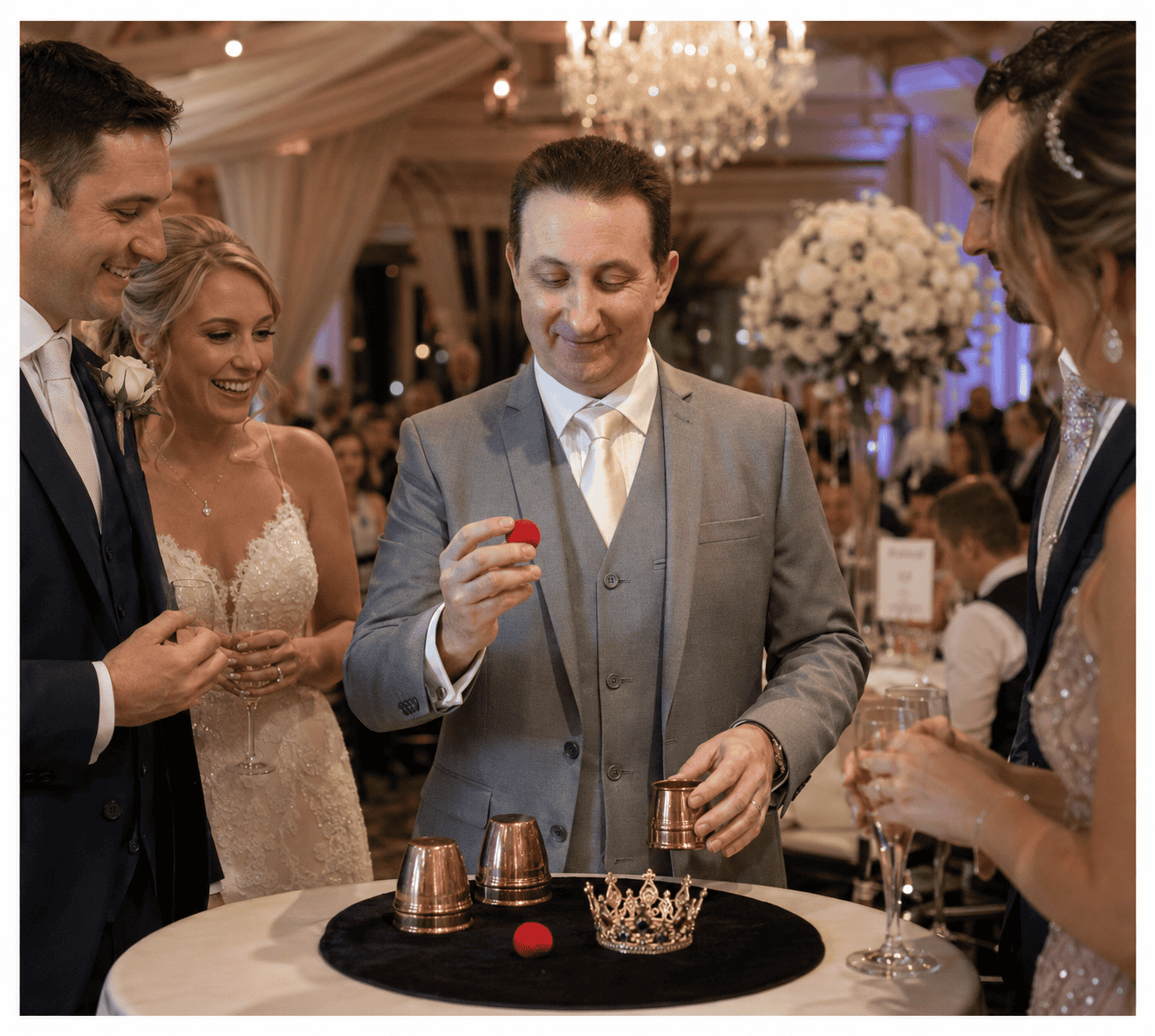 A relaxed performer may make everything look effortless, but that doesn't mean the performance is unprepared.
Confidence usually grows from knowing the material, practising the handling and understanding how an effect is meant to develop.
When the technical work becomes familiar, the magician has more freedom to concentrate on the audience.
They can listen, respond, adjust their timing and enjoy the interaction without constantly worrying about the mechanics of the trick.
Preparation also helps a performer deal with the unexpected. If a spectator asks an unusual question or a presentation doesn't receive the anticipated reaction, the magician has the experience and knowledge to adapt.
That is different from memorising a script and hoping everybody follows it.
A script can provide structure, but live audiences are not reading from the same page. People react differently, conversations develop naturally and the atmosphere can change from one group to the next.
The performer needs a clear understanding of what they are trying to achieve, along with enough flexibility to get there in different ways.
This is one reason technical skill and presentation should not be treated as separate worlds. The handling must be reliable, but the performance must also feel alive.
Authority comes from combining preparation with the ability to respond to the moment.
Why performer authority matters at weddings and events

Professional authority at an event comes from confidence, experience and the ability to engage guests naturally, creating an entertaining atmosphere without being overbearing.
At private events, the magician is rarely the main reason everybody has gathered.
At a wedding, the focus is on the couple. At a birthday party, it is on the person celebrating. At a corporate function, the event may have a business purpose that has nothing to do with magic.
The magician has to fit into that environment.
Being able to establish a connection quickly, read a group and perform without disrupting the occasion is a valuable skill.
The performer needs to be confident enough to entertain, but considerate enough to recognise that the event is not theirs to take over.
That is why authority should never be confused with dominating a room.
A good close-up magician can create a memorable moment for a small group without stopping the entire event. They can build excitement without shouting over conversations, and they can move on when the moment is right.
The magic becomes part of the occasion rather than an interruption to it.
For someone planning a celebration, this is worth considering when choosing entertainment. Technical ability is important, but so are personality, communication and the way a performer interacts with guests.
My guide to what type of magician should I hire? explores the different considerations involved in choosing the right entertainer for an event.
For events in Coventry or Worcester, the same principle applies: the magician should complement the occasion, entertain guests and respect the atmosphere the organiser wants to create.
Can a magician have too much authority?
Absolutely.
A performer who insists on controlling every detail can make an audience feel uncomfortable. Somebody who demands attention, refuses to adapt or treats every comment as a challenge may come across as controlling rather than confident.
The best performers understand that authority is not about controlling people. It is about taking responsibility for the performance.
That means being clear without being aggressive, confident without being arrogant, and flexible without appearing uncertain.
It also means recognising that not every group will react in exactly the same way.
Some audiences are naturally expressive. Others are more reserved. One group may laugh loudly while another shows its appreciation through quiet concentration and a few raised eyebrows.
A magician shouldn't assume that one type of reaction is the only sign of success.
Nor should they feel compelled to force a response.
The performer can guide the experience, but the audience brings its own personality to it. The most effective performances leave room for that.
Final thoughts: authority is earned, not demanded
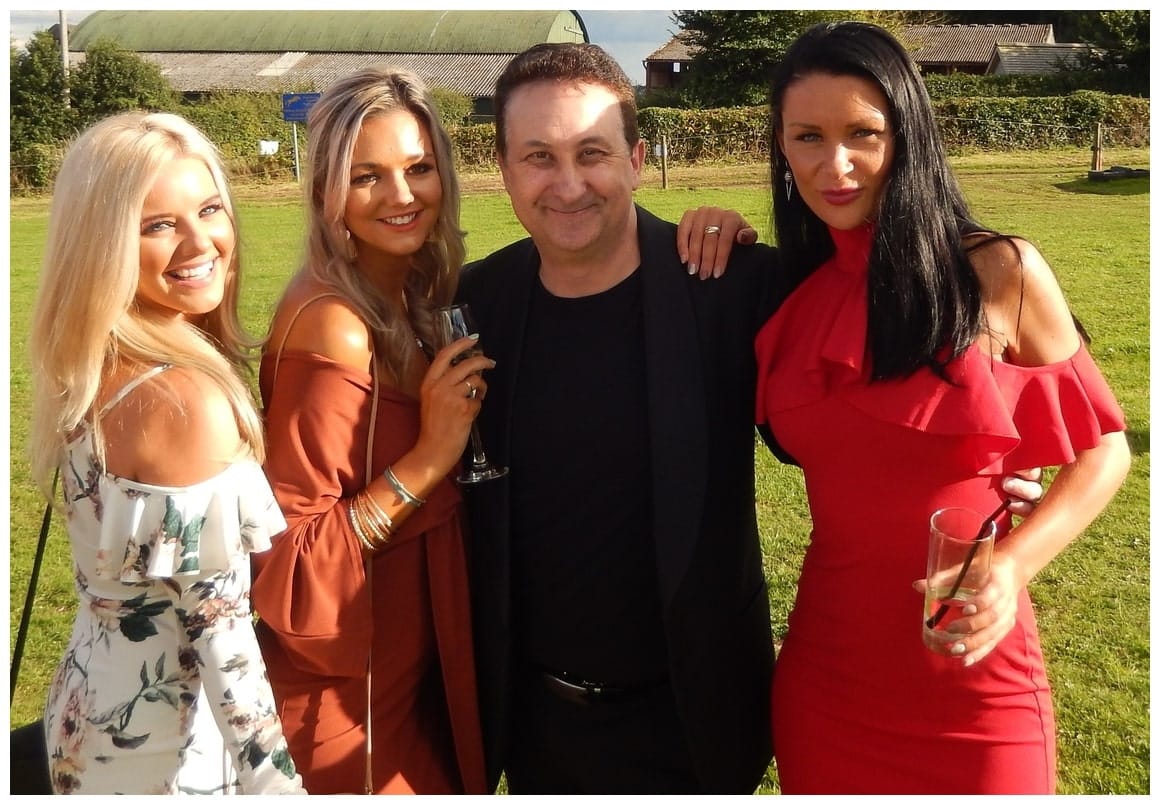
True authority as a magician comes from experience, confidence and the trust of the audience. It is earned through the way you perform and connect with people, not demanded through forceful behaviour.
A magician's authority is built through dozens of small decisions.
How they approach a group. How they speak. Whether they appear comfortable. How they handle an interruption.
Whether they listen to spectators and make them feel included. And whether they can let a moment breathe instead of rushing straight into the next trick.
None of these things replaces the need for excellent magic. A performer still needs to know their craft and deliver effects that genuinely entertain.
But technical skill alone doesn't guarantee a memorable performance.
The real art lies in bringing everything together: the magic, the timing, the personality, the communication and the ability to make people feel comfortable taking part.
After more than a quarter of a century performing professionally, I believe that the strongest authority comes from being prepared, respecting your audience and enjoying what you do.
You don't need to tell people you're in control.
You don't need to demand their attention.
And you certainly don't need to wear a badge announcing that you're the magician.
Although, to be fair, it might save a few introductions.
The audience should feel that they're in good hands. When a performer can create that feeling while making people laugh, think and experience something they cannot explain, authority becomes a natural part of the performance.
And that is far more powerful than simply telling everyone to watch.
Andy Field Magician Service Areas
I regularly provide close up magic for weddings, parties, corporate events and special occasions across the South West and surrounding areas. You can find out more about my magic services in the following locations:
Magician Bristol Magician Gloucester Magician Cheltenham Magician Swindon Magician Somerset Magician Cotswolds
Magician Oxford Magician Bath Magician Worcester Magician Coventry Magician Leamington Spa Magician Leicester