The Structure of a Wedding Magician Act

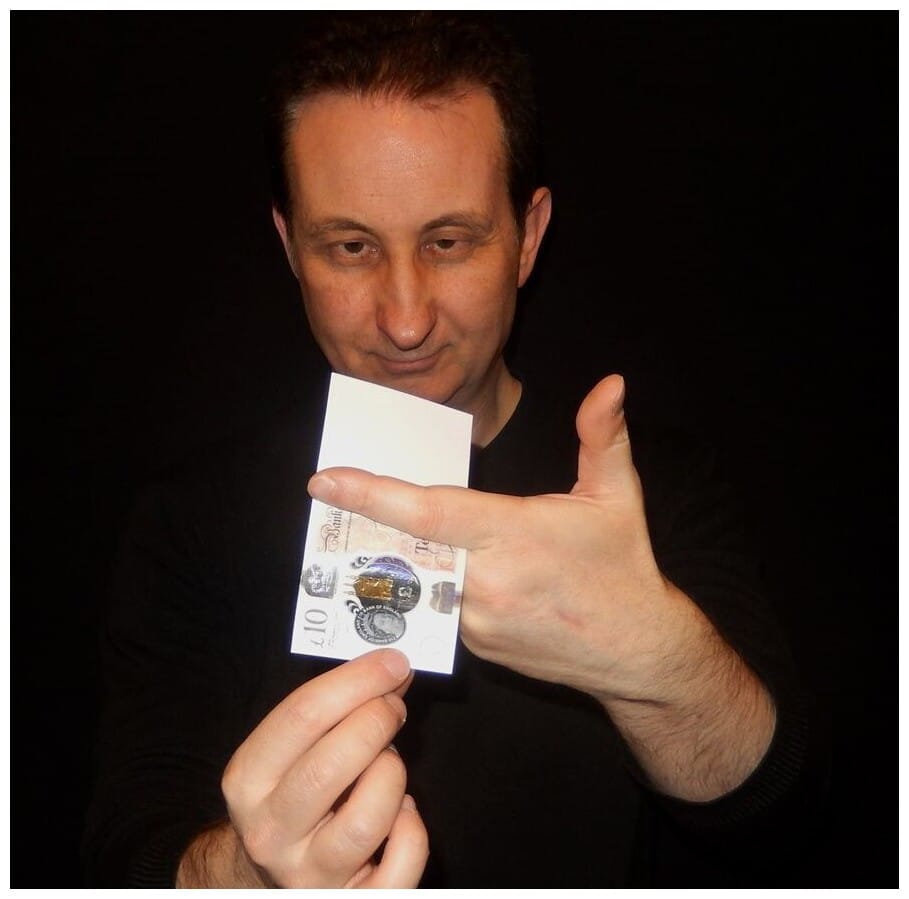
Andy Field is a professional magician with more than a quarter of a century of experience performing close up magic at weddings, parties, corporate events and private celebrations. He has performed at more than 1,000 weddings and is a two-time S.A.M.S. Champion of Close-Up Magic with more than 20,000,000 views on his YouTube and an array of Google reviews.
A Wedding Magician Act
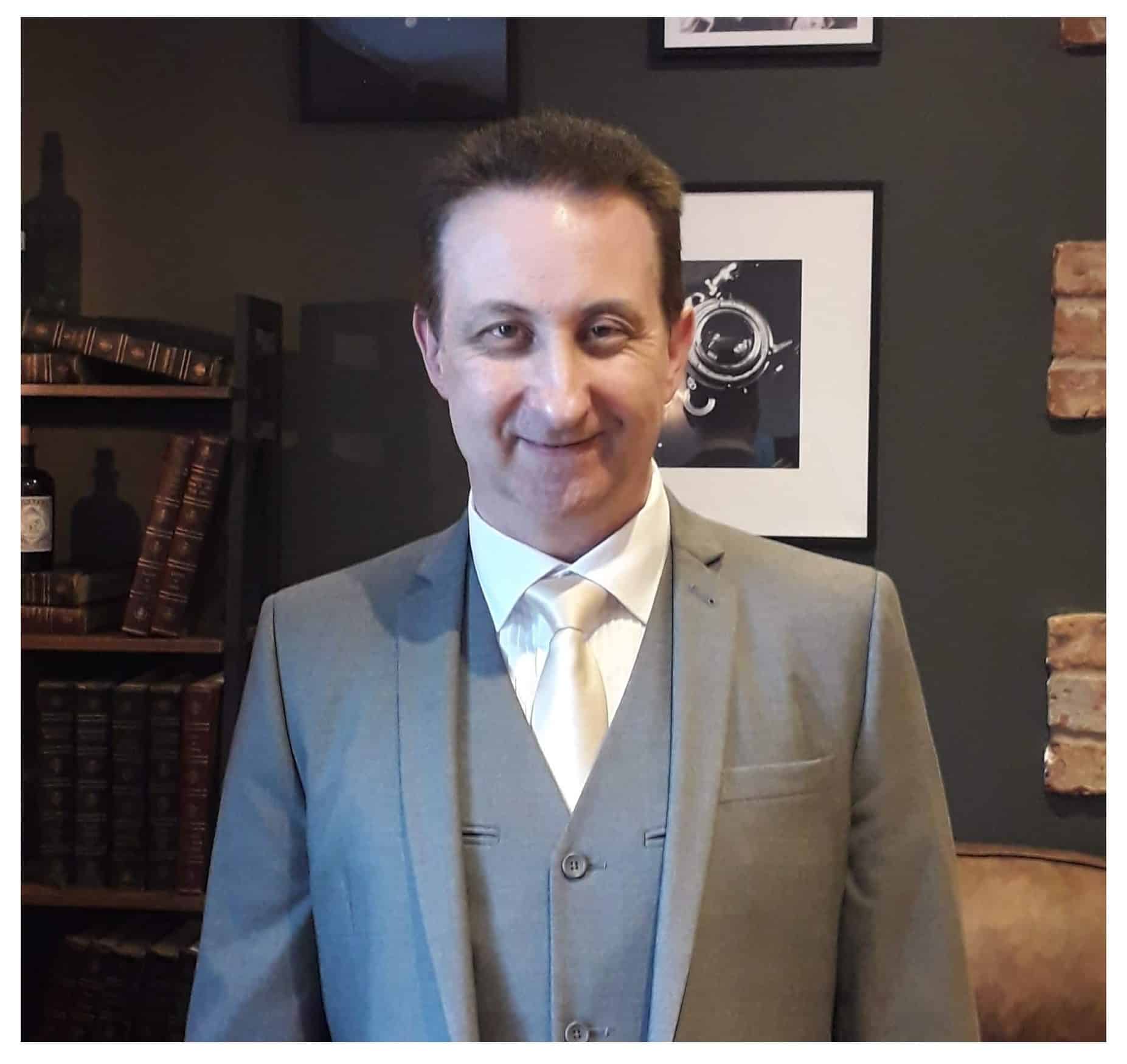
Andy Field, professional close-up magician with more than 25 years of experience.
A great wedding magician act is not simply a collection of clever tricks.
It is a carefully structured experience.
That might sound rather serious for something that involves cards appearing in impossible places and borrowed rings disappearing, but structure matters enormously.
A magician can know hundreds of tricks and still give a poor performance if those tricks are presented in the wrong order, at the wrong time, or to the wrong people.
I know this from more than 25 years of performing professionally. I have performed magic at more than 1,000 weddings, received hundreds of Google reviews, and worked in television as a magic consultant and hand double for the BBC series Hustle.
I have also been fortunate enough to become a two-time S.A.M.S. Champion of Close-Up Magic.
Those experiences have taught me something important: spectators rarely remember the technical difficulty of a trick.
They remember how the experience made them feel.
They remember the moment their friend's signed card appeared somewhere impossible. Or the look on someone's face when a borrowed ring vanished.
And they remember the magician.
That is why showmanship in magic is every bit as important as sleight of hand. The method might be complicated. The experience shouldn't be.
What is the structure of a wedding magician act?
Understanding how a professional wedding magician structures a close-up magic performance.
A wedding magician act needs to work within the reality of a wedding.
That sounds obvious, but it is one of the biggest differences between performing magic at a wedding and performing a formal stage show.
At a wedding, the magician usually isn't standing in front of a silent audience sitting neatly in rows.
People are talking, drinking and eating,
They're meeting relatives they haven't seen for years.
Someone has just arrived.
Another is looking for the toilets.
The bride and groom may suddenly appear.
A photographer wants a photograph.
And there is almost certainly one person who has decided that this is the perfect moment to tell you about the card trick they saw on television in 1998.
In other words, a wedding magician has to be able to read the room.
The structure therefore needs to be flexible.
The magician needs a clear plan without making the performance feel like a plan.
That is the trick.
1. The opening: making a strong first impression
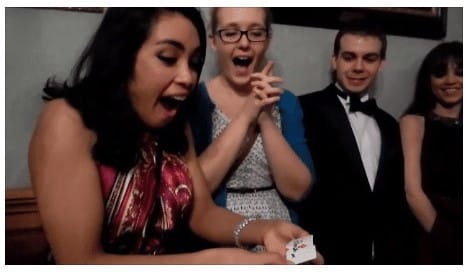
Make a strong impression with memorable close-up magic for your wedding guests.
The opening moments of a wedding magician act are incredibly important.
You don't get ten minutes to convince people that they should be interested.
You often get ten seconds.
When approaching a group during a drinks reception, for example, the magician needs to introduce himself naturally, establish what is happening and then get straight into something interesting.
There shouldn't be a long explanation.
There shouldn't be a complicated set-up.
And there certainly shouldn't be five minutes of talking before anything happens.
The opening effect needs to do several jobs at once.
It should be visual and easy to understand.
Plus it should create curiosity.
And, ideally, it should involve the spectators rather than making them feel as though they are watching a demonstration from the other side of a glass wall.
This is one reason close-up magic explained is so useful when thinking about weddings. Close-up magic works because the spectators are part of the experience.
The cards, coins or other objects are happening right there, often in their own hands.
That creates a very different feeling from watching a magician perform from a stage.
2. Read the room before choosing the magic
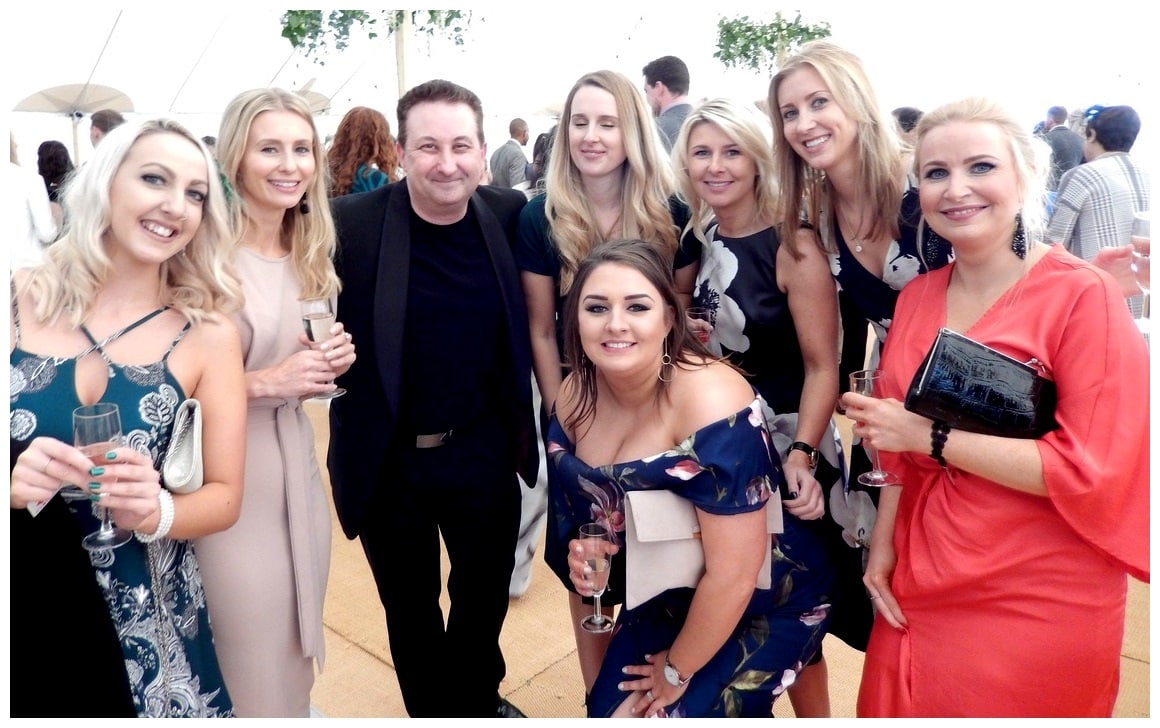
Read the room, adapt to your guests and make sure the magic fits the moment.
One of the biggest mistakes a magician can make is deciding what trick to perform before looking at the people in front of him.
A wedding magician shouldn't have a fixed script that says
Trick one. Trick two. Trick three.
Real weddings don't work like that.
Instead, the magician should have a toolbox of material and know which tool to use at the right moment.
Is this a loud group?
Are they quiet?
Have they been drinking?
Are they interested in cards?
Does somebody look nervous about becoming involved?
Is this a group of close friends or a mixture of people who have only just met?
All of those things affect the performance.
This is also where understanding the psychology in magic becomes valuable.
The magician isn't simply trying to fool people.
He is trying to understand them.
A good performance should feel as though the magician has chosen the right trick for that particular group, rather than simply pressing play on a pre-recorded routine.
3. Breaking the ice
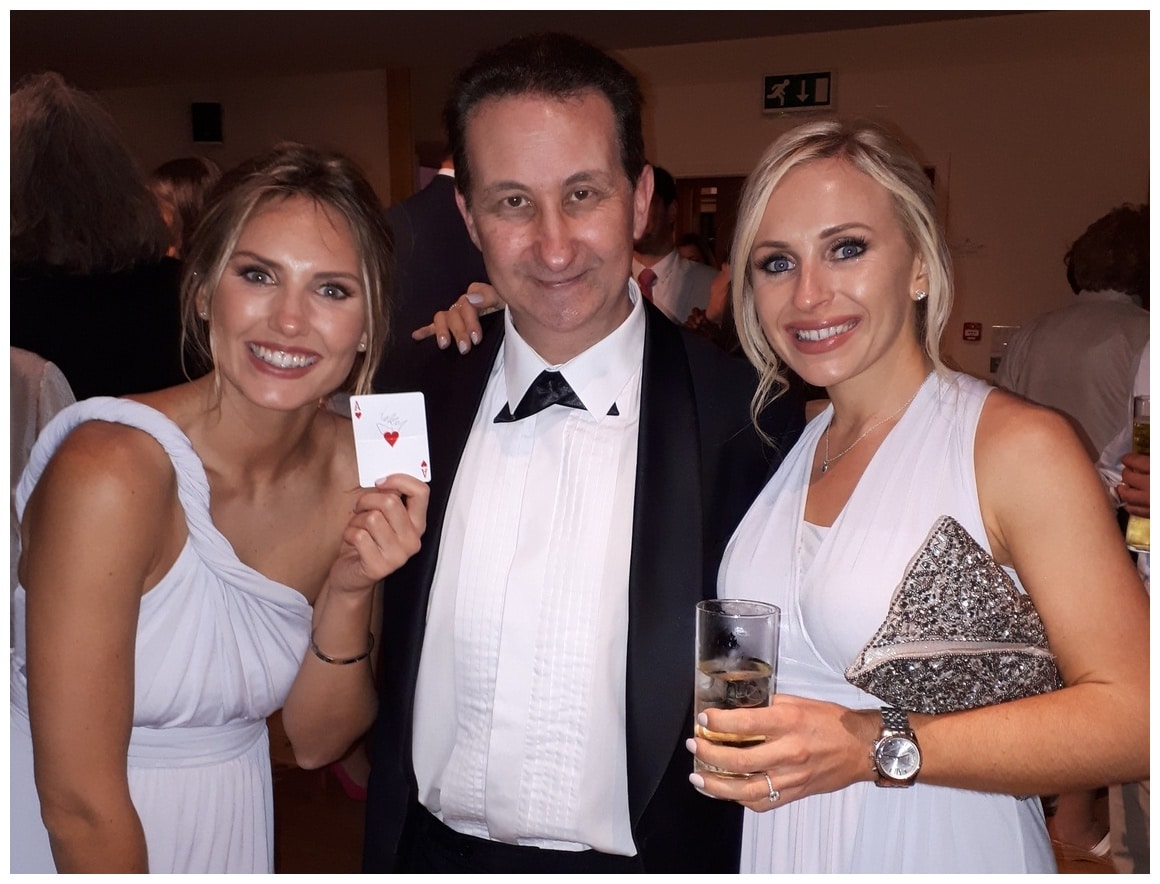
Break the ice with a little magic and give your guests an easy reason to start talking.
At many weddings, the magician has another job before the magic really begins.
He has to break the ice.
Wedding guests often arrive in groups that don't necessarily know one another.
There may be the bride's family, the groom's family, old school friends, work colleagues and various people who are connected through increasingly complicated branches of the family tree.
The magician can provide a useful social bridge.
A good opening effect gives people something to talk about.
Instead of standing around wondering what to say to someone they have never met, they suddenly have a shared experience.
"Did you see that?"
"How did he do that?"
"I swear I was holding the card."
That is incredibly useful at a wedding.
The magic becomes part entertainment and part social lubricant.
This is one of the reasons I wrote about how a magician can benefit your event. The value of a magician isn't simply measured by the number of tricks performed.
It is also about what happens between the tricks.
4. Choosing the right effects
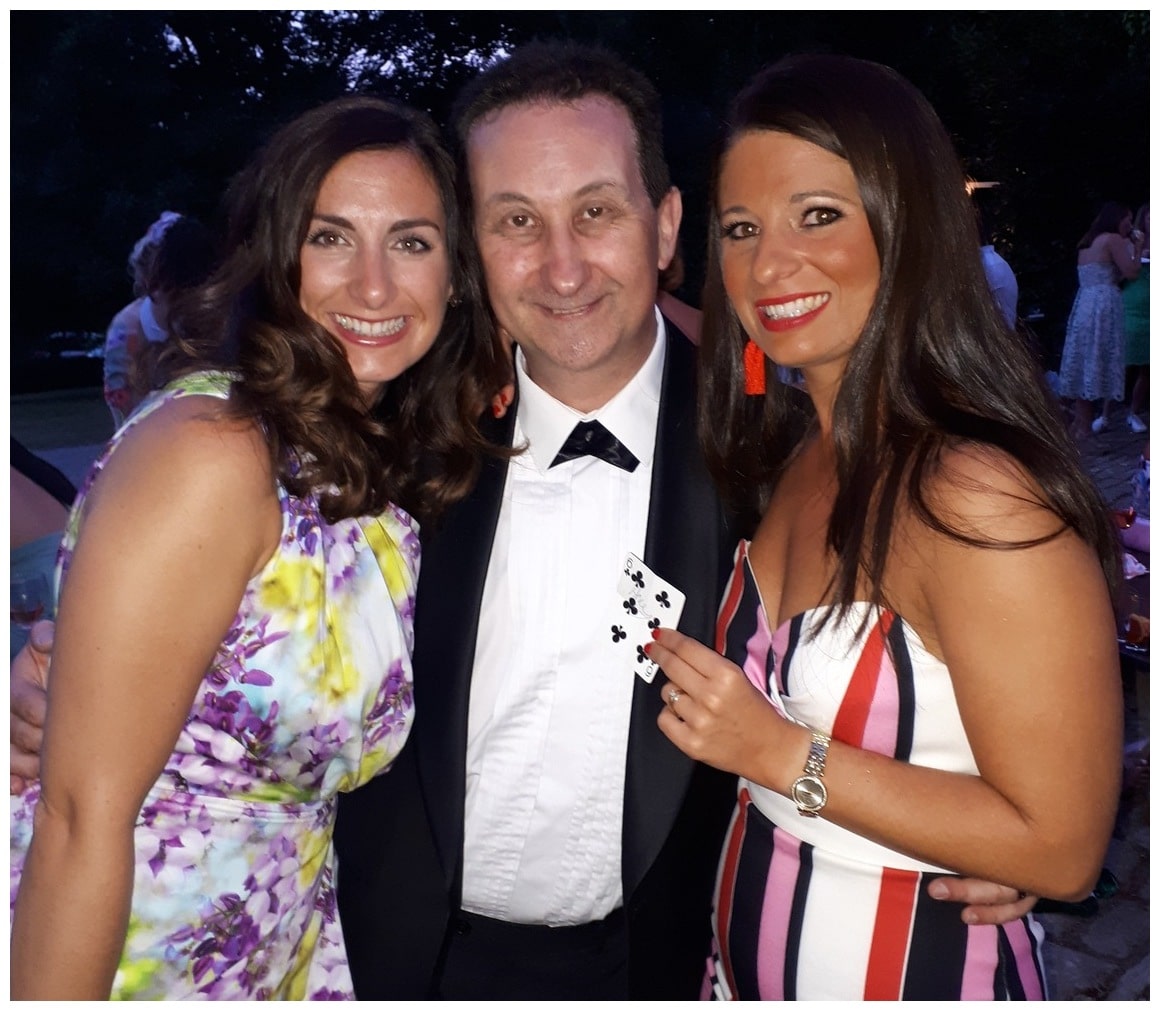
Choosing the right trick is about knowing your audience, reading the moment and giving each group an experience they'll enjoy.
Not every magic trick belongs in a wedding magician act.
That may sound strange.
Surely if a trick is good, it's good?
Not necessarily.
A technically brilliant routine can fall completely flat if it doesn't suit the occasion.
A wedding is generally a celebration. The magic should fit that atmosphere.
It needs to be social, engaging and entertaining.
It shouldn't require the audience to sit down and study the magician's hands like they're marking an A-level exam.
This is where what type of magician should I hire? becomes relevant.
Different types of magic create different experiences.
At a wedding, close-up magic is particularly effective because it can move naturally around the room and work with the way guests are already interacting.
Cards and coins can be excellent.
Borrowed objects can be excellent.
But the important thing isn't the prop.
It is the effect.
The audience should understand what has happened.
They shouldn't need to solve a puzzle.
5. Establishing the conditions
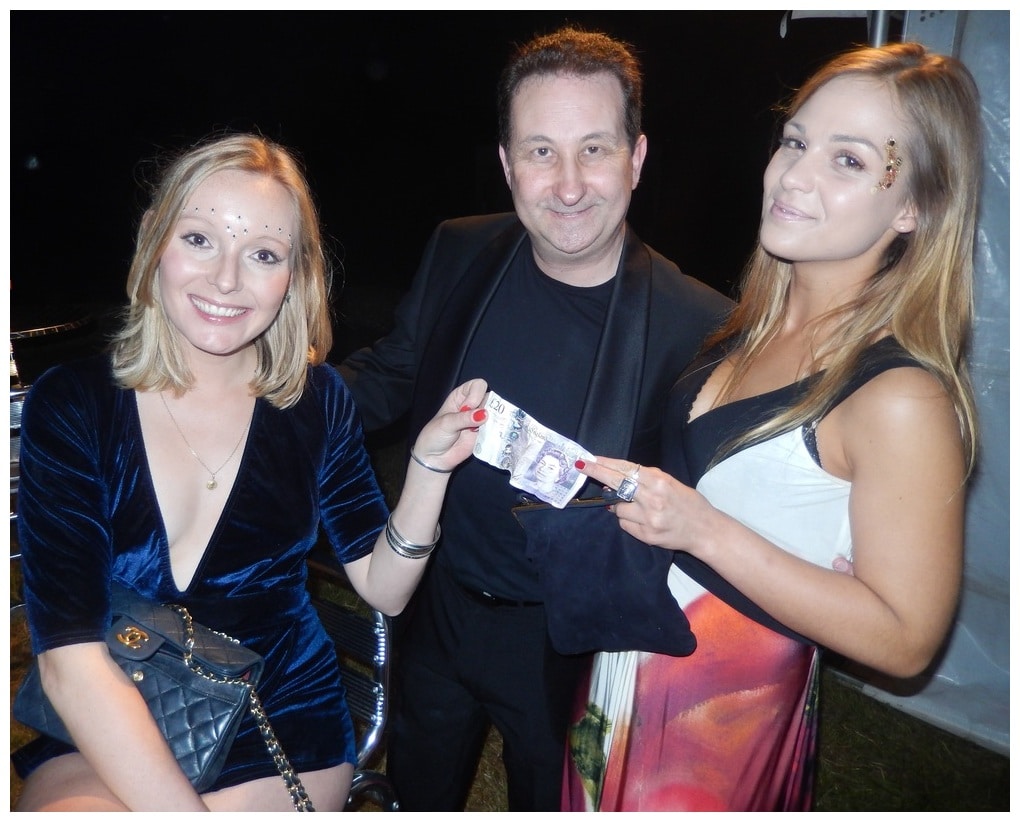
Establishing the conditions makes the magic clearer, stronger and more impossible for your guests.
One of the most important parts of a strong magic routine happens before the magic happens.
The magician establishes the conditions.
For example:
"This is your card."
"You can hold onto it."
"The deck never leaves your hands."
"Your ring is going to stay with you."
Those statements matter because they establish what the audience believes is possible.
Once the conditions are clear, the magician has somewhere to go.
The stronger the conditions, the stronger the impossibility.
This is one of the principles I explore when talking about clarity in magic.
The spectator shouldn't be wondering what they are supposed to be watching.
They should know exactly what is meant to be impossible.
And then you make it happen.
6. Pacing and timing
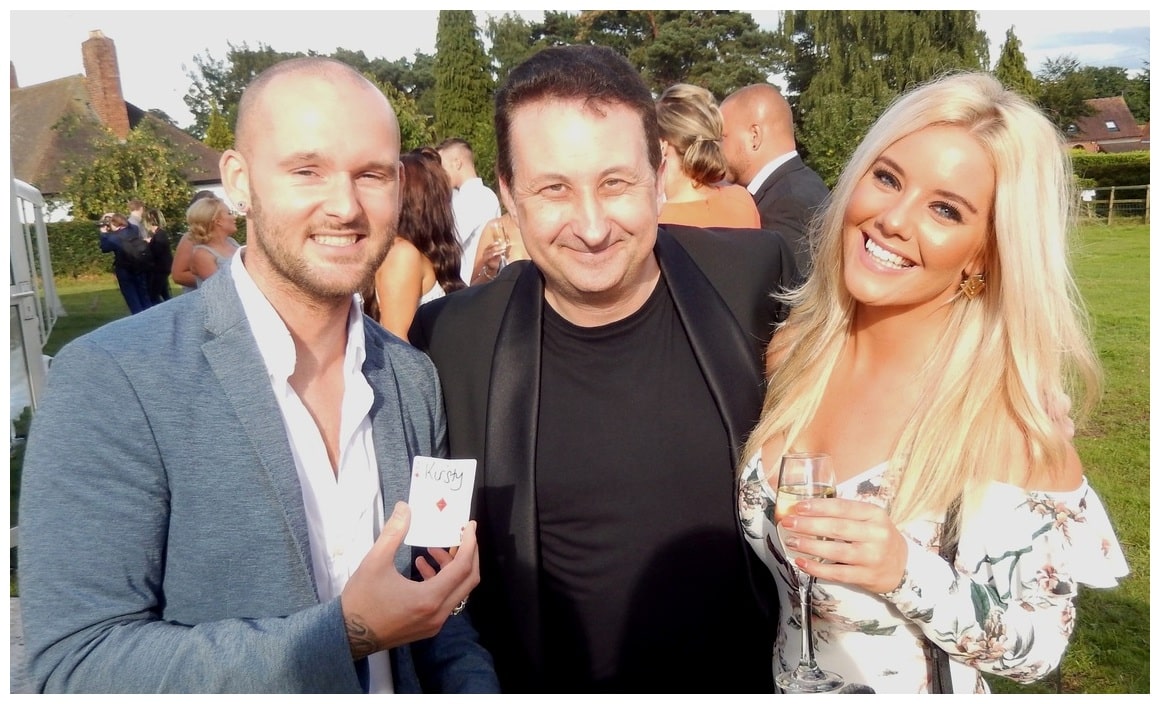
Good pacing and timing keep guests engaged and make every moment of the magic count.
This is where many otherwise good performances go wrong.
A magician can have excellent material and still lose an audience through poor pacing.
Too fast and the spectators don't have time to appreciate what happened.
Too slow and they start thinking about the canapés.
Timing isn't simply about performing quickly.
Sometimes the most powerful moment in a routine is the pause.
Imagine a spectator has chosen a card.
You know where it is.
The audience thinks they know where it is.
You pause and look at them.
You let the moment breathe.
Then the card appears somewhere it absolutely should not be.
That pause can make the effect stronger.
Good wedding magic has rhythm.
There are moments of explanation.
Moments of laughter, tension and surprise. All in a nice way.
And moments where the magician gets out of the way and lets the spectators react.
I would never want every effect to feel as though it is being performed at exactly the same speed.
That would be like listening to a song where every note is played at the same volume.
7. Building impossibility
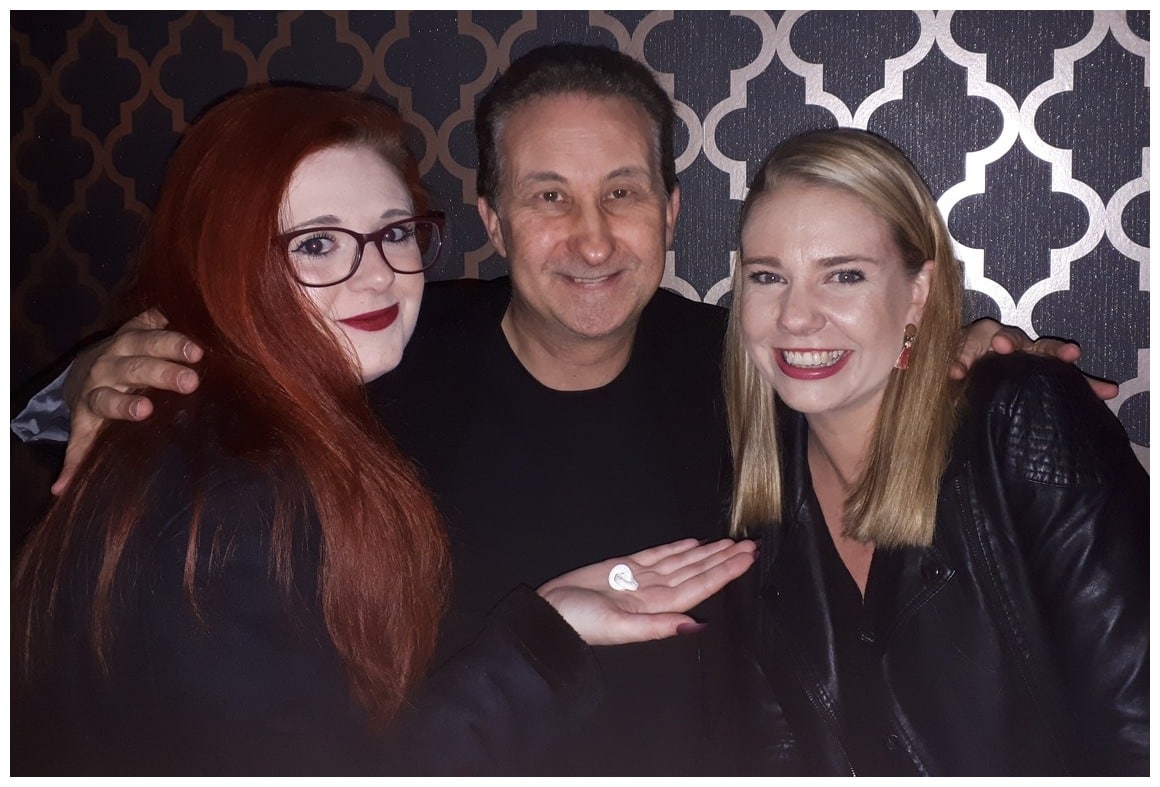
Build the impossibility step by step until your guests have nowhere left to look for an explanation.
A strong wedding magician act usually builds.
That doesn't necessarily mean that every trick has to be more technically difficult than the previous one.
It means the experience should develop.
The first effect might establish that the magician is interesting.
The next might involve a spectator more directly. The magic can then happen in their hands.
Then perhaps something happens with a borrowed object.
Next the magician performs something that appears completely impossible.
The structure creates escalation.
You don't necessarily start by firing your biggest piece of magic at the first person you meet.
You build trust and curiosity. Give them a reason to invest their time in watching.
You get people involved.
Then you raise the stakes.
This is closely connected to how magicians create impossible moments at weddings.
The secret isn't simply finding a clever method.
It is creating the right conditions for the impossibility to matter.
8. Sleight of hand should disappear
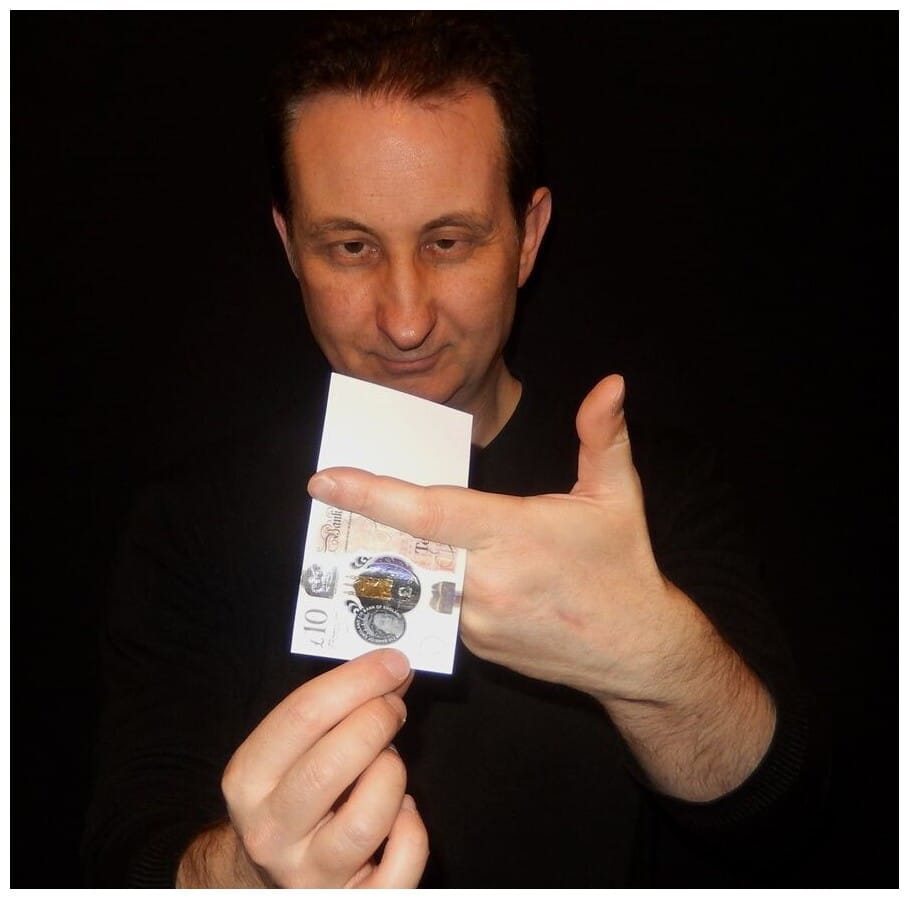 A wedding magician might spend hundreds of hours practising a sleight that lasts half a second.
The audience shouldn't notice that.
That's the point.
If I perform a difficult piece of sleight of hand, the spectator shouldn't be thinking:
"That's a very impressive bit of finger dexterity."
They should be thinking:
"Where the hell did my card go?"
The technique is there to serve the effect.
It isn't the effect.
This is particularly important at weddings because people haven't paid to watch someone practise.
They have come to celebrate.
The magic needs to disappear into the experience.
9. Misdirection: controlling attention without confusion
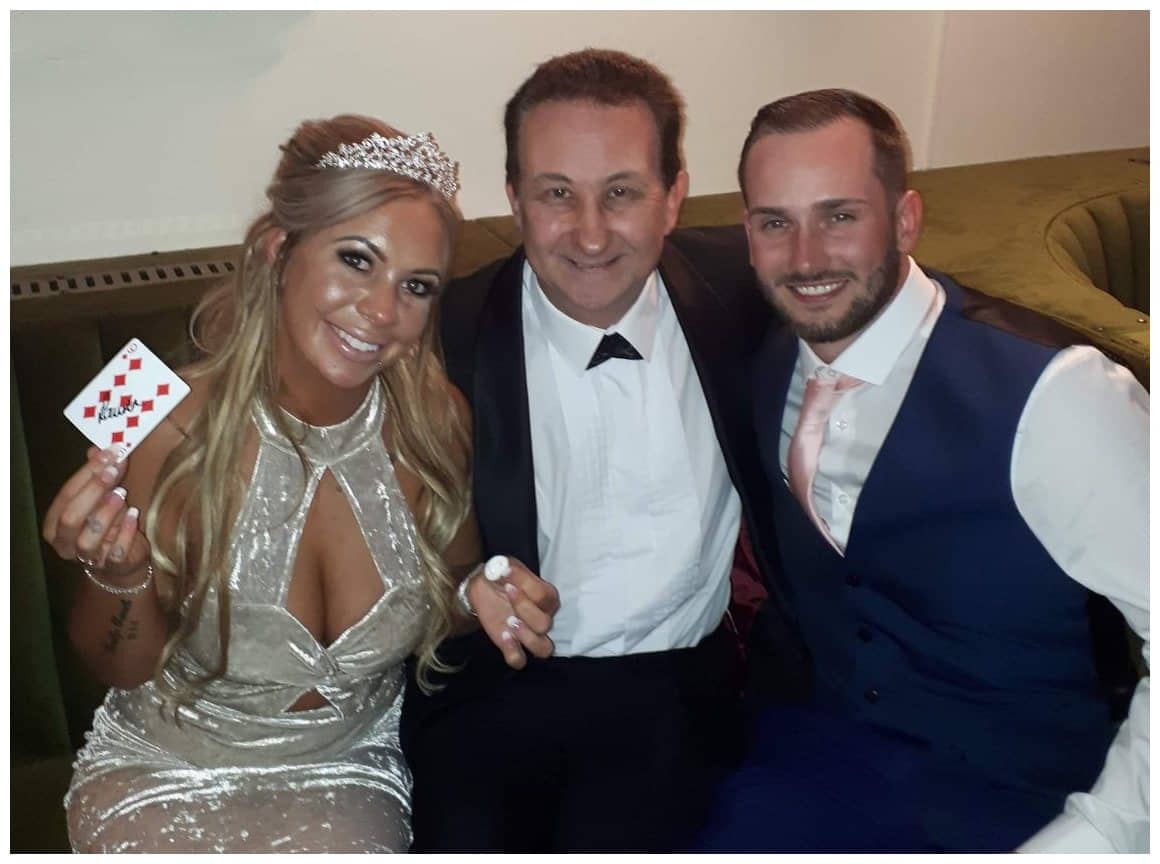
Misdirection should guide attention naturally, keeping the magic clear while hiding the secret.
Misdirection is another important part of structure.
It is sometimes misunderstood as simply making somebody look the other way.
Good misdirection is much more subtle than that.
The magician controls where attention goes, what information the audience receives and when they receive it.
That doesn't mean confusing people.
In fact, good magic should generally be clearer, not more confusing.
The spectator should know what is happening.
They just shouldn't know how it is happening.
My article on misdirection in magic goes into this in much more detail.
At a wedding, misdirection also helps the magician manage a group.
If one person is involved in a trick, everyone else should still feel included.
The magician can direct attention around the group, create reactions and keep everyone involved in the story.
10. Audience participation without putting people under pressure
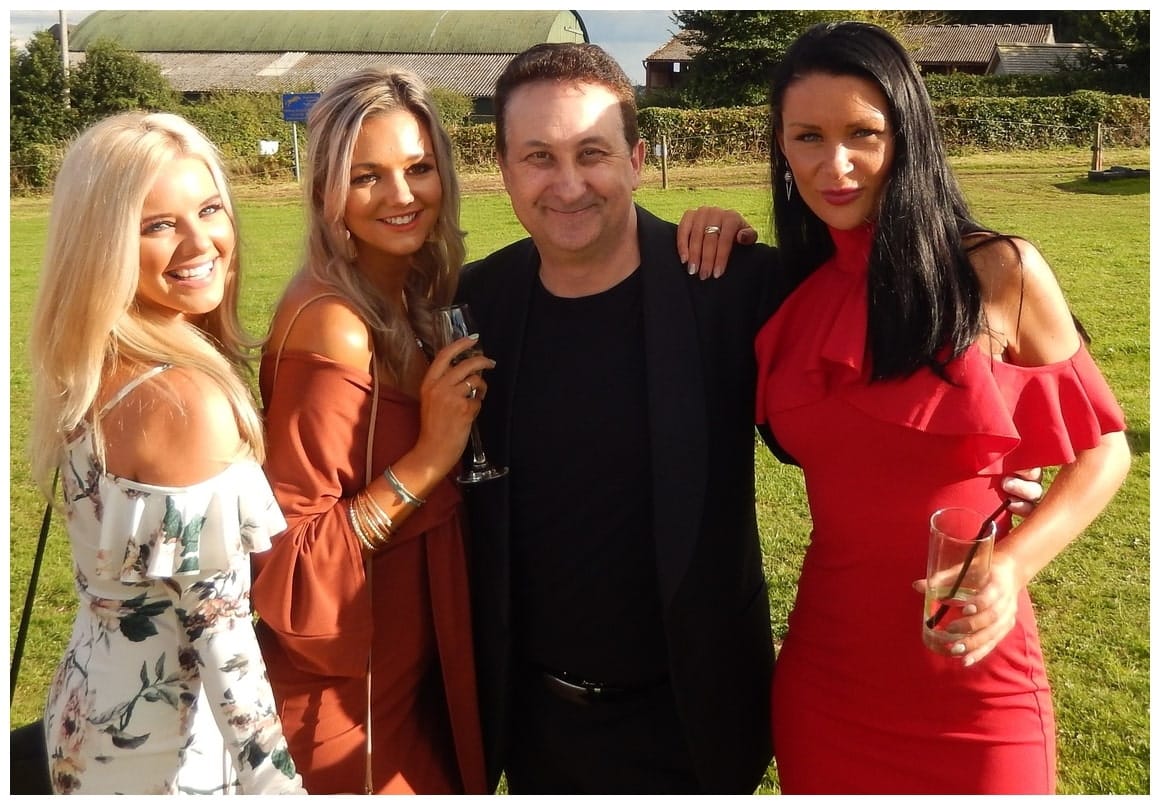
Get your guests involved and turn them from spectators into part of the magic.
A wedding magician needs spectators.
But that doesn't mean the magician should treat the audience as unwilling actors.
There is a big difference between inviting someone to participate and forcing someone to perform.
Some people love being the centre of attention.
Others would rather have root-canal treatment.
A good magician can usually tell the difference.
The spectator should feel that they are helping create the magic.
They shouldn't feel as though they've accidentally been selected for a school assembly.
This is particularly important at weddings because emotions can already be running high.
People may be nervous.
They may have had a few drinks or may not enjoy public attention.
The magician's job is to make participation enjoyable.
And when someone does want to get involved, that's when wonderful things can happen.
The best magic often feels as though the spectator has caused the miracle.
11. Keeping spectators in their own hands
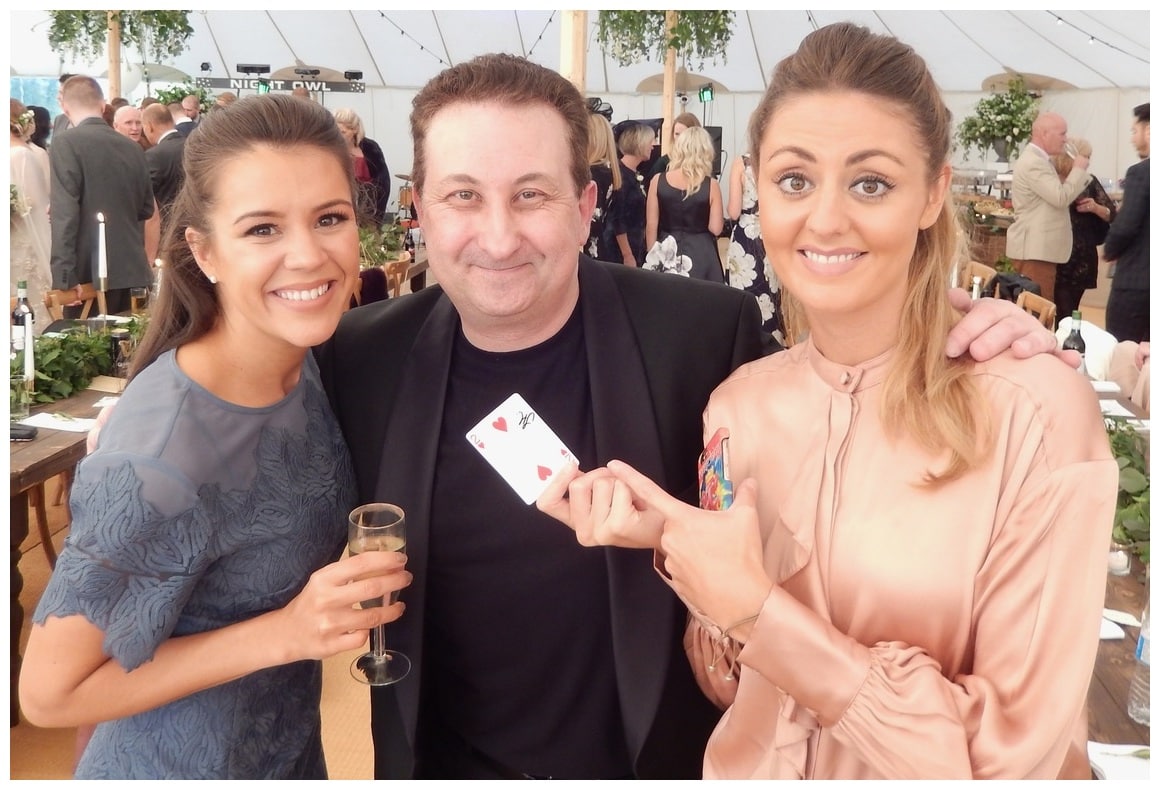
Let spectators hold the magic in their own hands and experience the impossibility for themselves.
One of the strongest structures for close-up magic is to let the spectator hold onto something important.
Their card or ring.
A borrowed coin or pack of cards.
The magician doesn't need to control everything.
In fact, the less control the audience believes the magician has, the stronger the impossibility can become.
This is why conditions matter so much.
If a spectator is holding the cards, and something impossible happens, the magician has fewer apparent opportunities to interfere.
The audience becomes part of the method — without knowing what the method is.
That is a powerful feeling.
12. Moving between groups
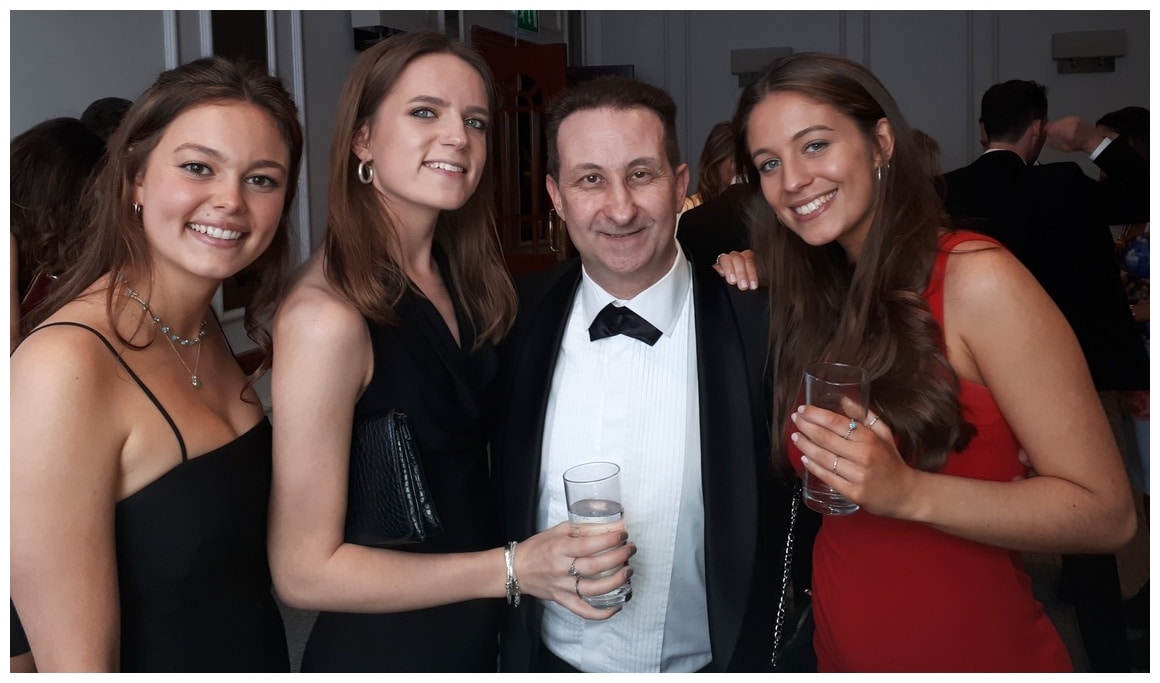
A wedding magician needs to move naturally between groups, keeping the magic flowing without interrupting the celebration.
A wedding magician often has to perform a strange little dance.
Perform.
Finish.
Leave.
Find another group.
Start again.
It sounds simple.
It isn't.
The magician needs to know when a group has had enough.
He also needs to know when a group is ready for another effect.
And he needs to be able to leave without making it feel like he is abandoning them.
This is one of the great advantages of a structured repertoire.
The magician isn't trapped in one long routine.
He can perform a short sequence, create a strong ending and move on.
That keeps the energy flowing around the reception.
It also means more guests get to experience the magic.
13. Variety matters
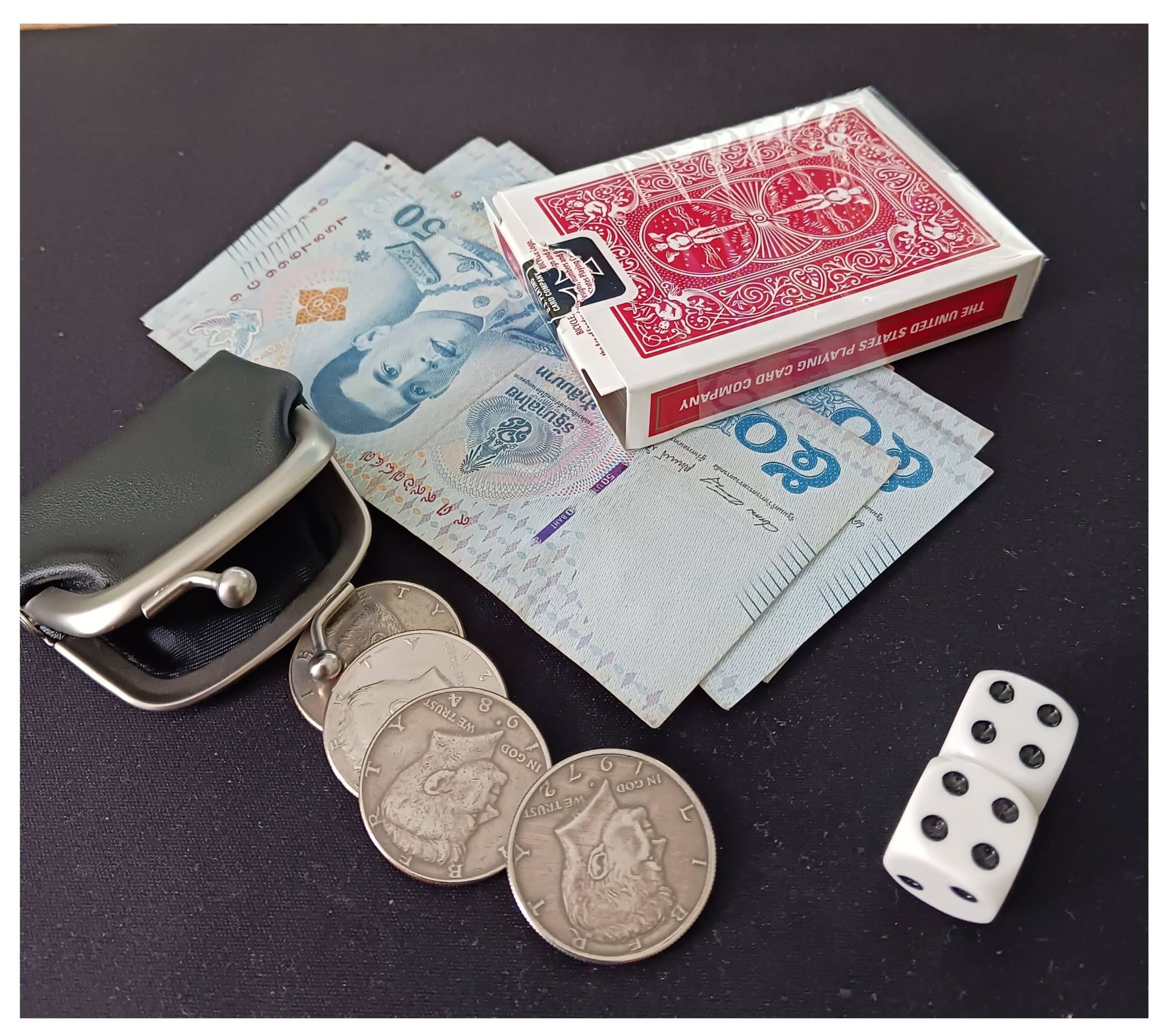 Imagine watching a magician perform five card tricks in a row.
Even if every trick is good, the experience can start to feel repetitive.
A strong wedding magician act uses variety.
Cards.
Coins.
Borrowed objects.
Mentalism.
Visual magic.
Magic that happens in the spectator's hands or the magician's hands.
Magic that involves the entire group.
This doesn't mean throwing random tricks into a bag and pulling them out.
The variety needs to have structure.
A good set might move from something visual to something involving a spectator, then to something more impossible, before finishing with a memorable climax.
The Cups and Balls is a classic example of why structure matters. It can contain apparently simple actions that gradually become increasingly impossible.
The secret isn't simply the individual moves.
It is the sequence.
14. Comedy should support the magic
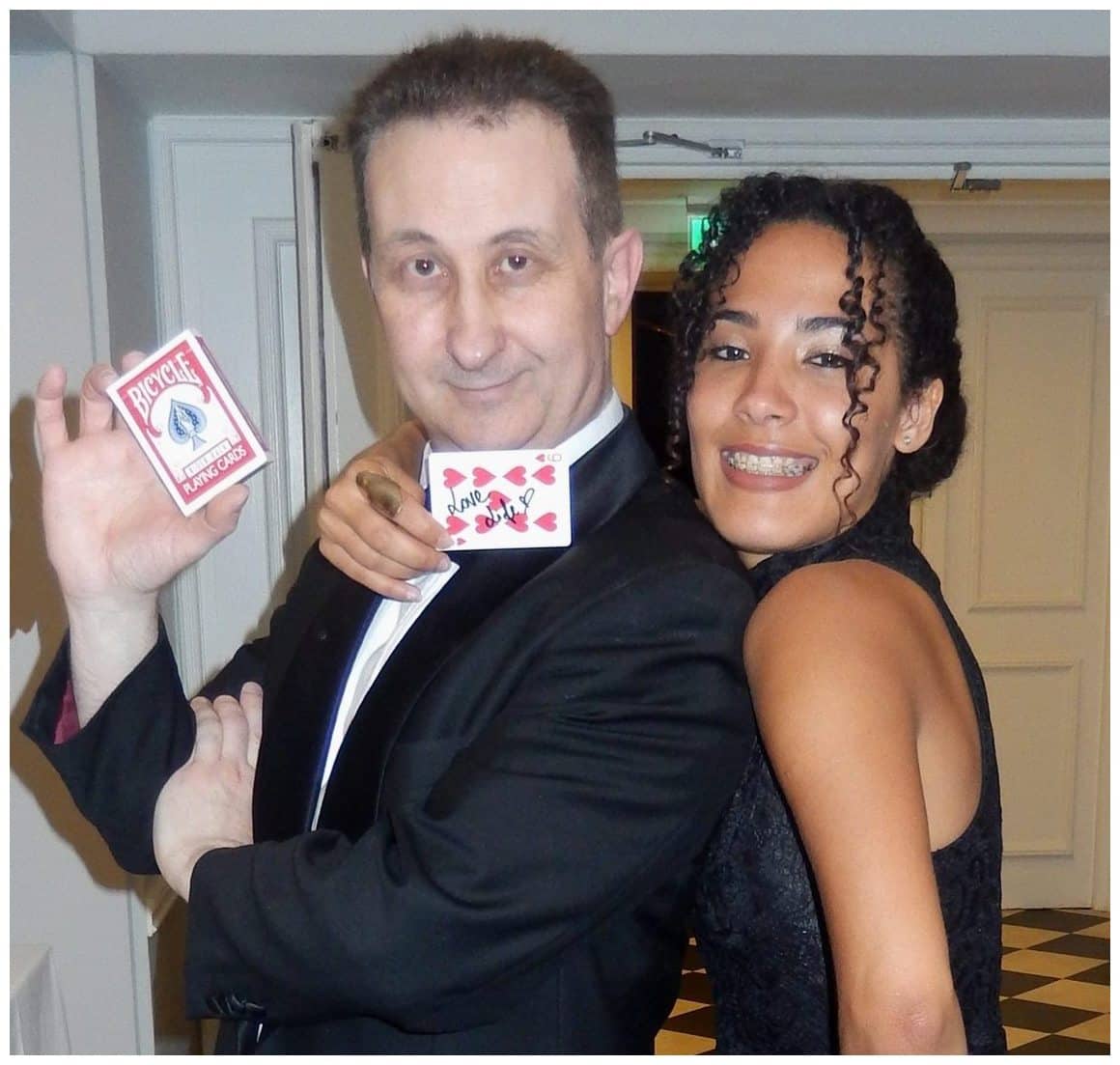
Comedy adds personality to the performance while keeping the focus on the magic.
Wedding magic doesn't need to be a stand-up comedy routine.
But humour can be enormously useful.
A laugh relaxes people.
It creates connection.
It gives the audience permission to enjoy themselves.
The danger is allowing the comedy to become more important than the magic.
The best jokes should make the magic stronger.
A funny moment can make spectators more comfortable before an effect.
A little self-deprecation can stop the magician appearing overly serious.
And a well-timed line can make a magical moment even more memorable.
But if the audience remembers the joke and forgets the miracle, something has probably gone wrong.
15. The magic should fit the wedding schedule
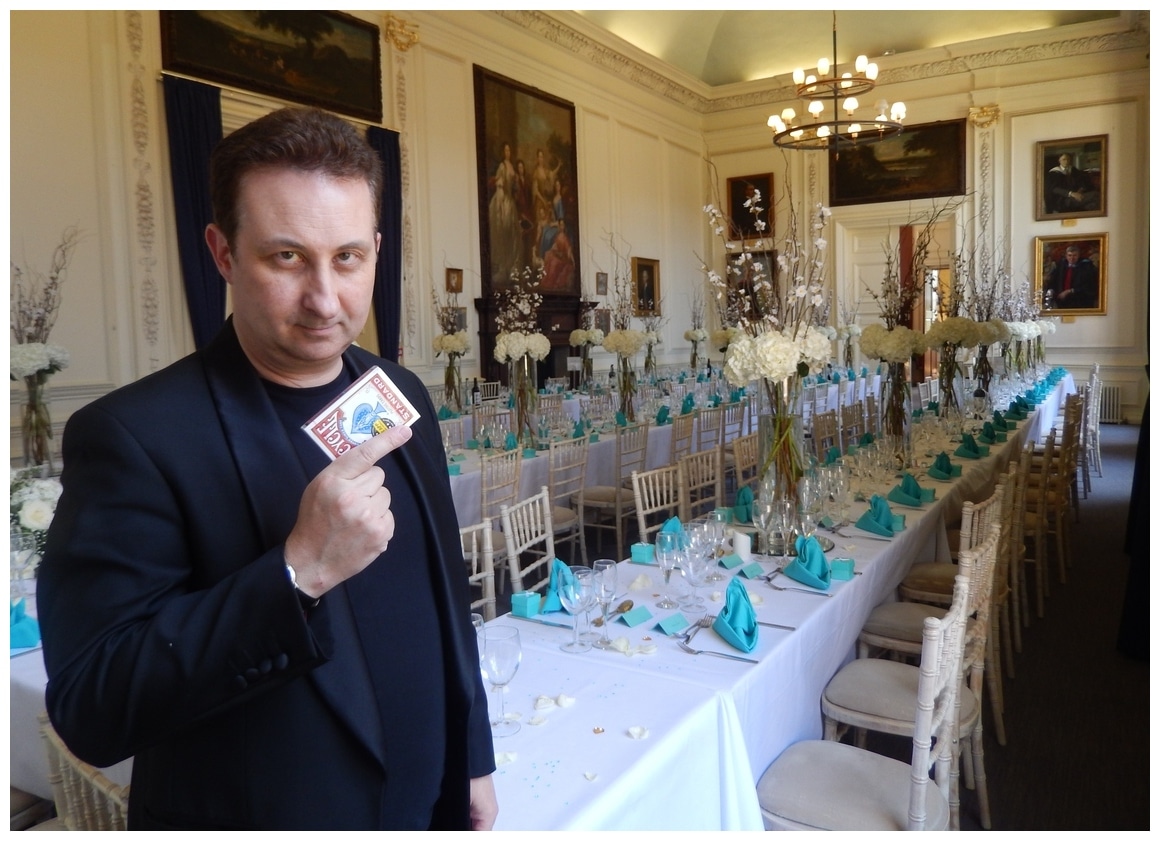
A professional wedding magician works around the wedding schedule so the magic complements the day rather than interrupting it.
A wedding magician also needs to understand the structure of the day itself.
The magician isn't working in isolation.
There is a timetable.
There may be photographs.
Food.
Speeches.
The wedding breakfast, cutting the cake, the first dance. Evening entertainment.
That means the magician needs to know when to perform and when not to perform.
A brilliant trick performed while everyone is being called into dinner isn't brilliant.
It is inconvenient.
One of the most useful things a professional wedding magician can do is understand the gaps in the day.
For example, a drinks reception can be an excellent opportunity for close-up magic because guests are already standing, talking and moving around.
For couples wondering about timing, my guide to the best time to have a wedding magician explains why the drinks reception is often such a natural fit.
The structure of the act therefore needs to work with the structure of the wedding.
16. Creating memorable moments
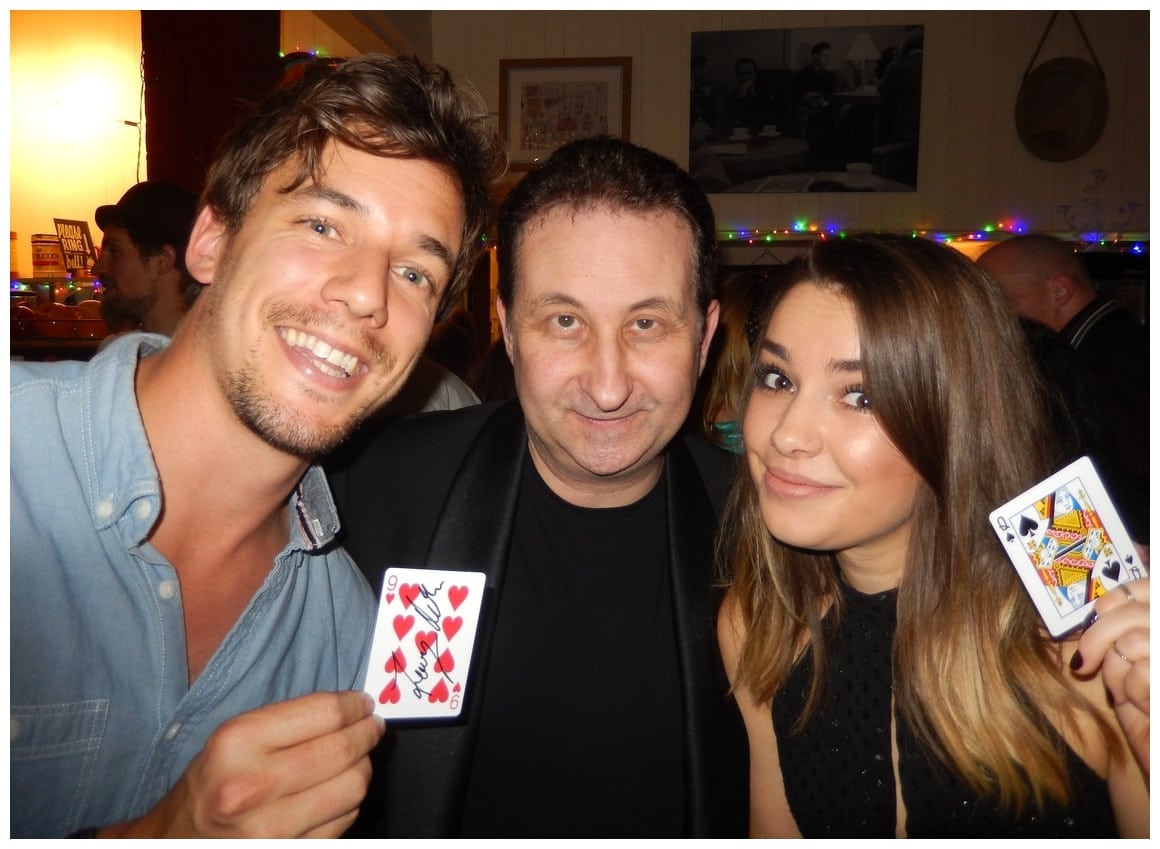
The best wedding magic creates memorable moments that guests can enjoy and talk about long after the performance.
A good wedding magician should leave people with stories.
Not just:
"We saw a magician."
But:
"He borrowed Sarah's ring and it ended up inside a box."
"John chose the card and then it appeared in the photograph."
"My dad was holding the cards and it still happened."
Those are stories.
And stories are what people remember.
The strongest moments often involve something personal.
A borrowed ring or signed card.
A spectator making a free choice.
Something happening in somebody's own hands.
The more personal the experience, the more likely it is to be remembered.
This is also why real-world experience matters.
I have performed at a wide range of wedding venues over the years, and I keep a record of many of the places where I have worked in where I have performed magic.
For example, I've performed at venues around Gloucestershire, including some of the best-known wedding locations in Cheltenham. That experience is part of what I bring when performing as a magician in Cheltenham.
17. Knowing when to finish
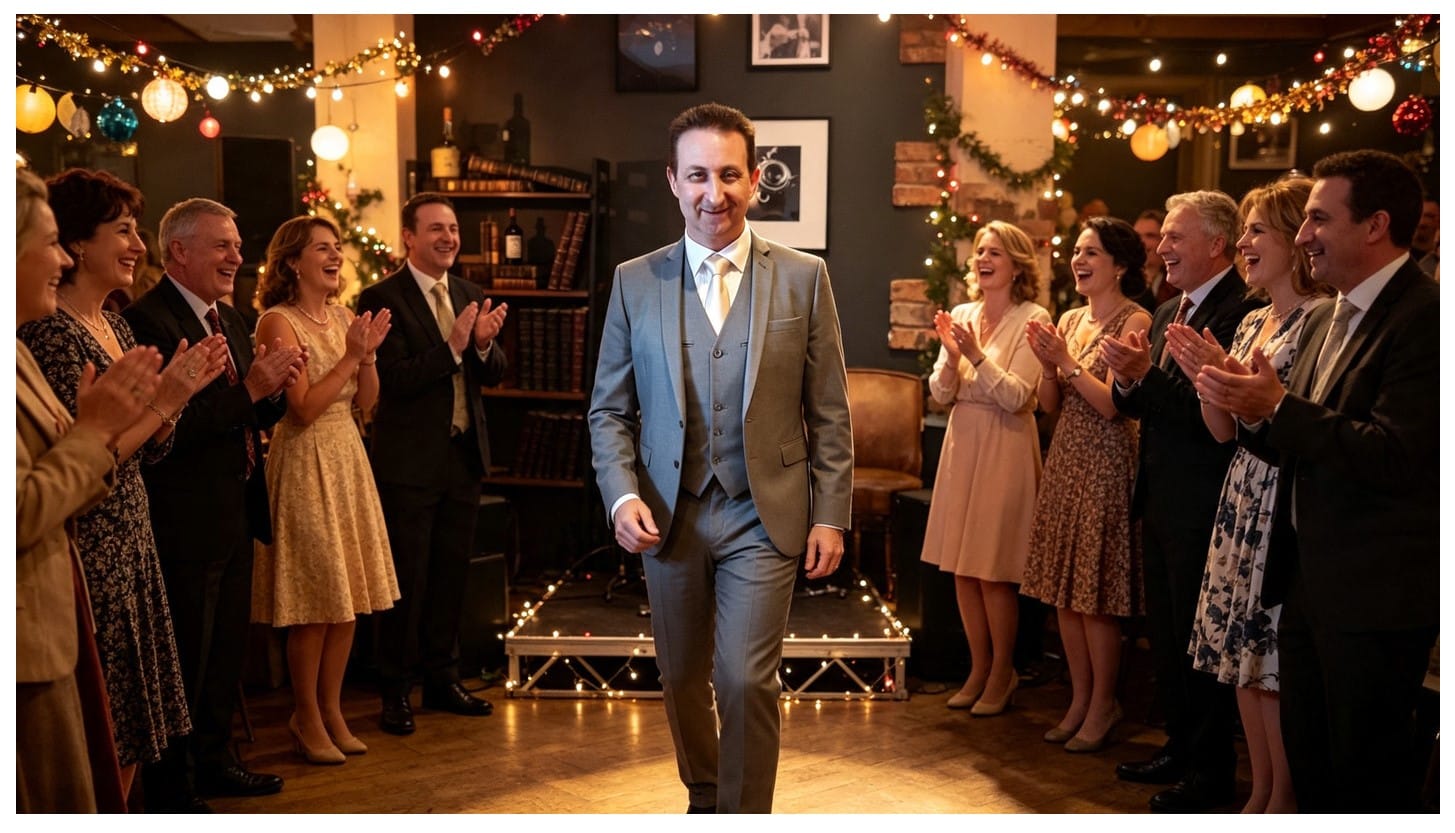 One of the most underrated skills in magic is knowing when to stop.
If a group is laughing, engaged and enjoying themselves, the temptation is to keep going.
Don't.
Leave them wanting one more trick.
The magician should finish on a strong moment rather than squeezing every last possible effect out of the group.
This is especially important at weddings because the guests have somewhere else to be.
The magician should create a memorable moment, allow the reaction to happen and then move on.
That leaves the group wanting more.
It also creates a sense that the magician has been part of the wedding rather than taking over the wedding.
18. The final effect should feel like a finale
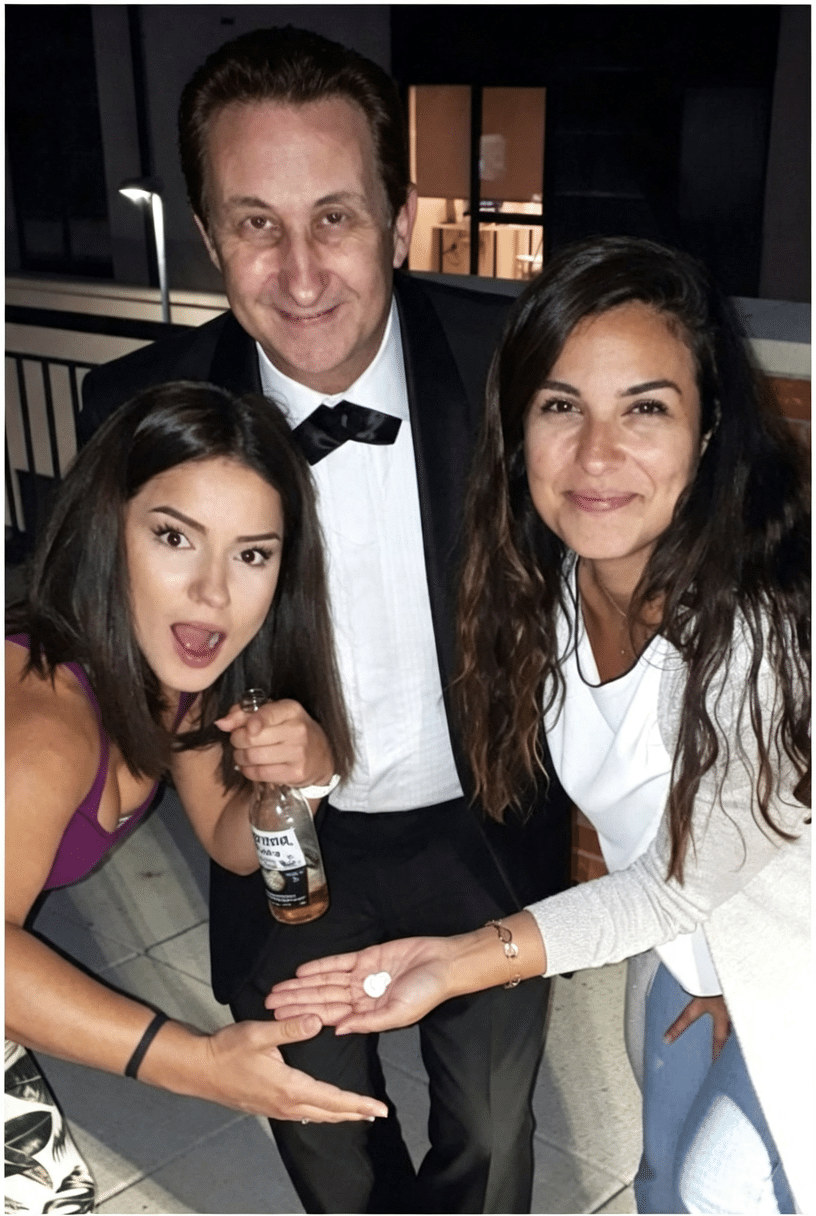
A strong final effect gives the performance a natural sense of conclusion and leaves guests with a memorable moment.
Even if a magician isn't performing a formal stage show, each small group can have its own beginning, middle and end.
Think of it almost like a miniature act.
Opening: something quick and visual.
Development: involve the spectators.
Escalation: make the impossibility stronger.
Climax: finish with something memorable.
Exit: leave.
Then repeat.
That structure allows a magician to perform for dozens or even hundreds of guests without every group experiencing exactly the same routine.
It also prevents the performance becoming a random collection of tricks.
There is a beginning, development, climax.
And there is an ending.
19. Why showmanship matters more than the number of tricks
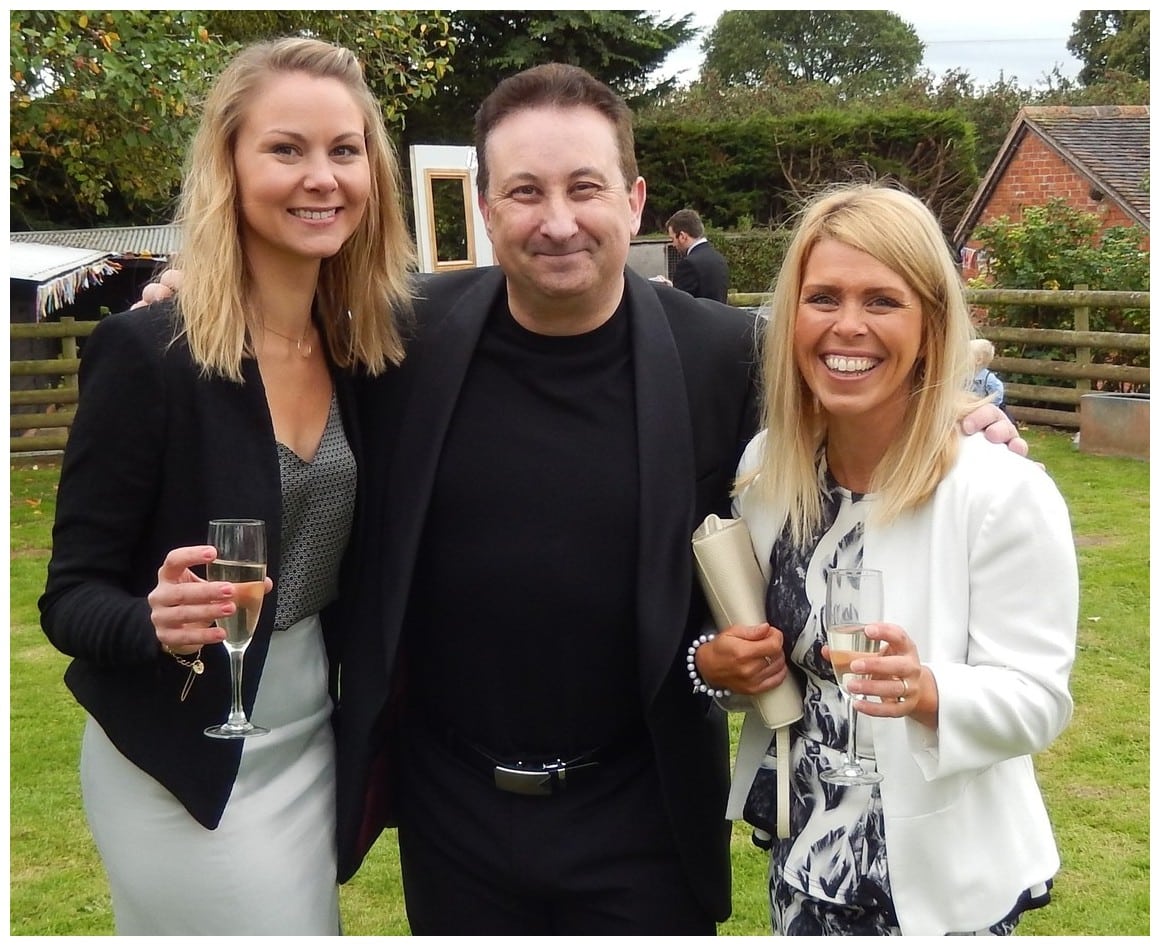 A magician can perform ten tricks.
Another magician can perform three.
The second magician can provide the better experience.
Why?
Because magic isn't a competition to see how many effects can be squeezed into an hour.
It is about communication.
Timing.
Character.
Clarity.
Connection.
And knowing what to do with the audience's attention.
That is why I put so much emphasis on showmanship.
The technique is important.
Of course it is.
But once a magician has mastered the technique, the next question is:
What are you going to do with it?
20. The structure should never feel structured
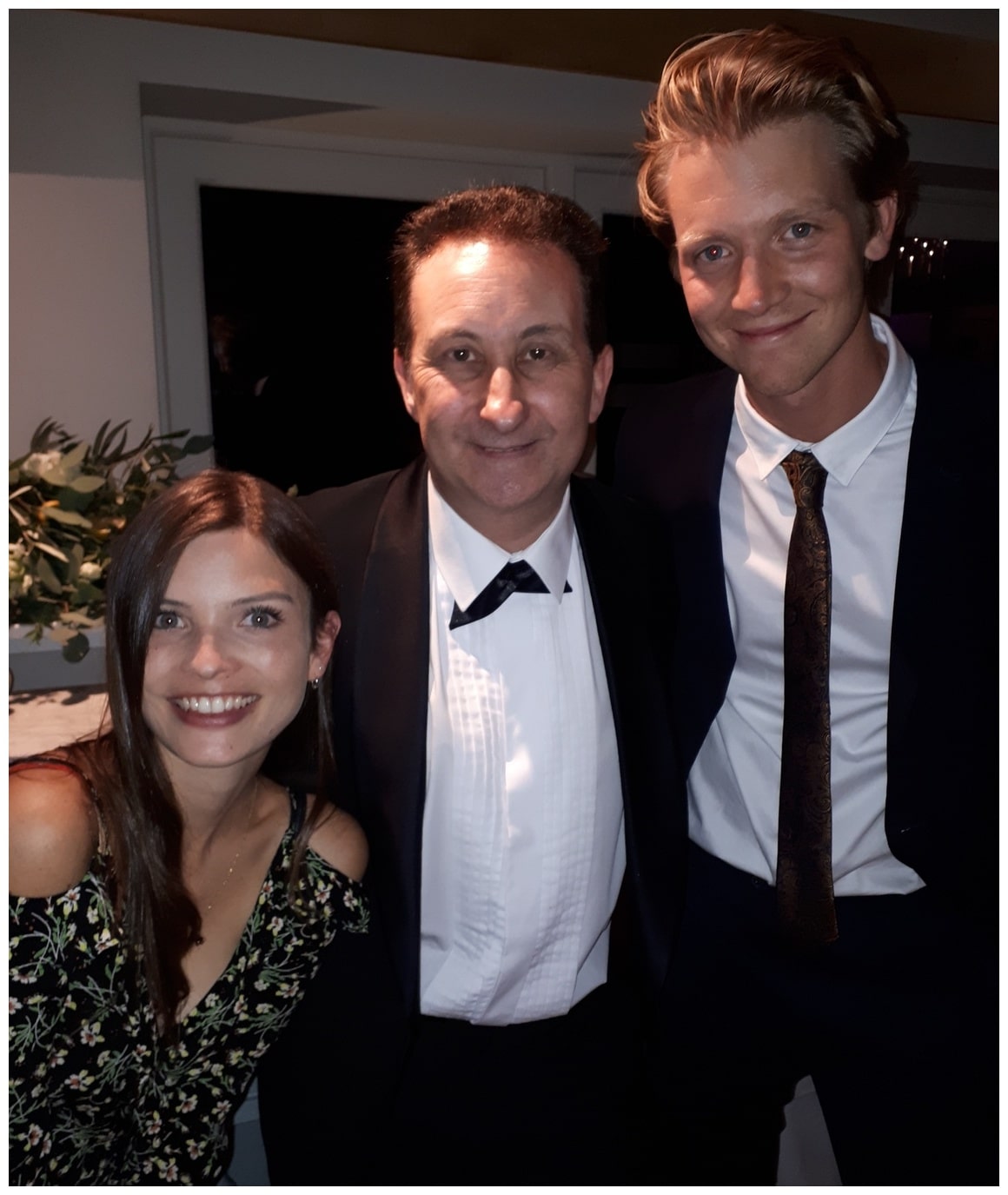 This may sound contradictory.
If a wedding magician needs structure, why shouldn't the audience notice it?
Because the structure is there for the magician, not the spectator.
The audience should feel as though everything is happening naturally.
They shouldn't think:
"Ah, this is clearly the middle section of the act."
They should simply experience one impossible moment after another.
That is the sign of good structure.
The planning disappears.
The performance remains.
It is rather like a good waiter in a restaurant.
You notice when service is bad.
You don't notice every little thing when it is done properly.
The same is true of magic.
Choosing a wedding magician
When couples are choosing a magician, I think it is worth looking beyond the photographs of someone holding a deck of cards.
Ask how they actually perform.
Do they work close-up?
Can they entertain groups of people?
Can they adapt their material?
Do they understand wedding timings?
Can they perform for people who don't necessarily want to participate?
Do they have genuine experience at weddings?
And, importantly, do previous clients actually recommend them?
The same principles apply wherever the wedding takes place.
I've performed for weddings and events across the South West and beyond, including Bristol, Gloucester, Cheltenham, Swindon, Oxford, Bath and Worcester.
The structure of a great wedding magician act
So, what does a well-structured wedding magician act actually look like?
It isn't simply:
Trick after trick.
It is more like:
Connect, involve, surprise, escalate, entertain, create a powerful and memorable moment, leave.
The magician reads the room.
The magician chooses the right material.
He establishes clear conditions and controls the pace.
Plus he uses misdirection without confusing the audience or embarrassing them.
He creates variety.
He builds impossibility.
And then he knows when to stop.
That structure allows the magic to feel spontaneous even though there is a great deal of thought behind it.
And that's probably the biggest misunderstanding about professional close-up magic.
The better it looks, the easier it appears.
But underneath those apparently effortless moments is years of practice, performance experience and an understanding of people.
I've spent a large part of my career learning that lesson.
From performing at more than 1,000 weddings to working behind the scenes on Hustle, from competing as a close-up magician to performing for ordinary wedding guests who simply want to have a good time, the same principle keeps coming back:
The trick is only part of the experience.
The real skill is knowing what to perform, when to perform it, who to involve, how to build the moment and when to walk away.
That is the structure of a wedding magician act.
And when all of those pieces come together, the audience shouldn't notice the structure at all.
They should simply think:
"How on earth did he do that?"
About Andy Field
I've been performing professional close-up magic for more than 25 years, with experience at more than 1,000 weddings and events. I've been a two-time S.A.M.S. Champion of Close-Up Magic, and worked as a magic consultant and hand double for the BBC television series Hustle.
I've also been fortunate enough to receive hundreds of reviews from clients and spectators over the years.
If you'd like to know more about my background, experience and approach to professional magic, you can read About Andy Field.
Whether I'm performing at a wedding in Bristol, Cheltenham, Bath, Gloucester, Oxford, Swindon or elsewhere, my aim is always the same:
Powerful close-up magic, strong showmanship and plenty of fun — without making the audience do the hard work.
Andy Field Magician Service Areas
I regularly provide close up magic for weddings, parties, corporate events and special occasions across the South West and surrounding areas. You can find out more about my magic services in the following locations:
- Bristol Magician
- Gloucester Magician
- Cheltenham Magician
- Swindon Magician
- Somerset Magician
- Magician Oxford
- Magician Bath
- Magician Worcester
- Magician Cotswolds