The Three P's of a Magician: Patience, Practice and Performance

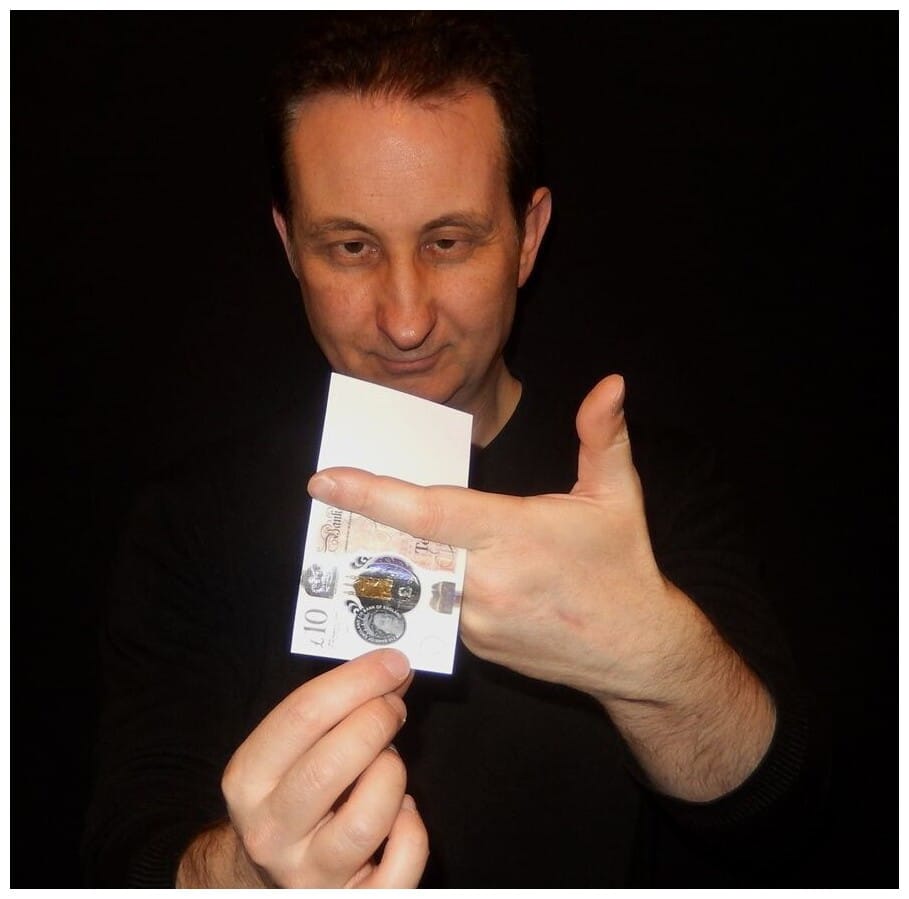
Andy Field is a professional close-up magician with more than a quarter of a century of experience performing close up magic at weddings, parties, corporate events and private celebrations. He has performed at more than 1,000 weddings and is a two-time S.A.M.S. Champion of Close-Up Magic with more than 20,000,000 views on his YouTube and an array of Google reviews.
What Patience, Practice and Performance Mean in Magic
Andy Field is a professional close-up magician with more than 25 years of experience entertaining guests at weddings, parties and corporate events.
There is a lot more to being a professional magician than learning a few clever tricks. The real craft takes time, dedication and an understanding of people.
Behind those moments when a signed playing card appears somewhere impossible or a borrowed coin vanishes in front of somebody's eyes, there are years of work that an audience will never see.
I'm Andy Field, a professional close-up magician with more than 25 years of experience, over 1,000 weddings performed, two S.A.M.S. Championships of Close-Up Magic and more than 20 million YouTube views. I've also worked as a magic consultant and hand double for the BBC television series Hustle.
Over the years, I've learned that technical ability is only one part of the job. You need to understand people, know when to practise, develop your presentation and learn how to make an audience feel comfortable enough to enjoy the experience.
If I had to sum up the foundations of becoming a better magician in three words, I would choose patience, practice and performance.
The three P's might sound simple, but each one represents a different part of the journey. Patience allows your skills to develop. Practice turns difficult techniques into reliable tools. Performance brings everything together and transforms a trick into an entertaining experience.
These principles have shaped my approach to performing at weddings, parties and corporate events over the years, including my work in Leicester, a city I always enjoy performing in. In my article, Why I Love Performing in Leicester, I explain what makes performing there so enjoyable.
And there is one important lesson that applies to all three: knowing how a trick works is not the same as knowing how to entertain somebody with it.
1. Patience: Great Magic Cannot Be Rushed
When somebody first becomes interested in magic, it is tempting to concentrate on the spectacular effects.
You see a magician make a signed card appear inside a sealed bottle, borrow a ring and make it disappear, or apparently read somebody's mind. You want to learn how to do the same thing immediately.
That enthusiasm is wonderful. I still remember the fascination of discovering how a clever piece of magic could completely change somebody's perception of what was possible.
However, the excitement of learning a new trick can sometimes make you overlook the time needed to perform it properly.
Magic rewards patience.
A move that feels awkward today might eventually become second nature. A routine that seems confusing at first can become beautifully clear after you have worked through its individual stages. Even the way you approach somebody and introduce a trick can take time to develop.
The trick is only the beginning.
Learning to accept that progress takes time
Initially, your fingers may not move naturally. You might hold the deck too tightly, expose something you intended to conceal or find that the cards make an unwanted noise.
You repeat the move, but it still looks wrong.
This is where patience becomes important.
Instead of expecting instant success, break the technique into smaller parts. Understand the grip, the movement, the timing and the position of your hands. Work on each element until it begins to feel comfortable.
You might spend an entire practice session working on a movement that lasts less than a second in the finished performance.
That is perfectly normal.
The audience will probably never realise how much effort went into that tiny detail. In fact, if you do your job properly, they should not need to think about the mechanics at all.
They should simply enjoy the magic.
Patience with people matters just as much
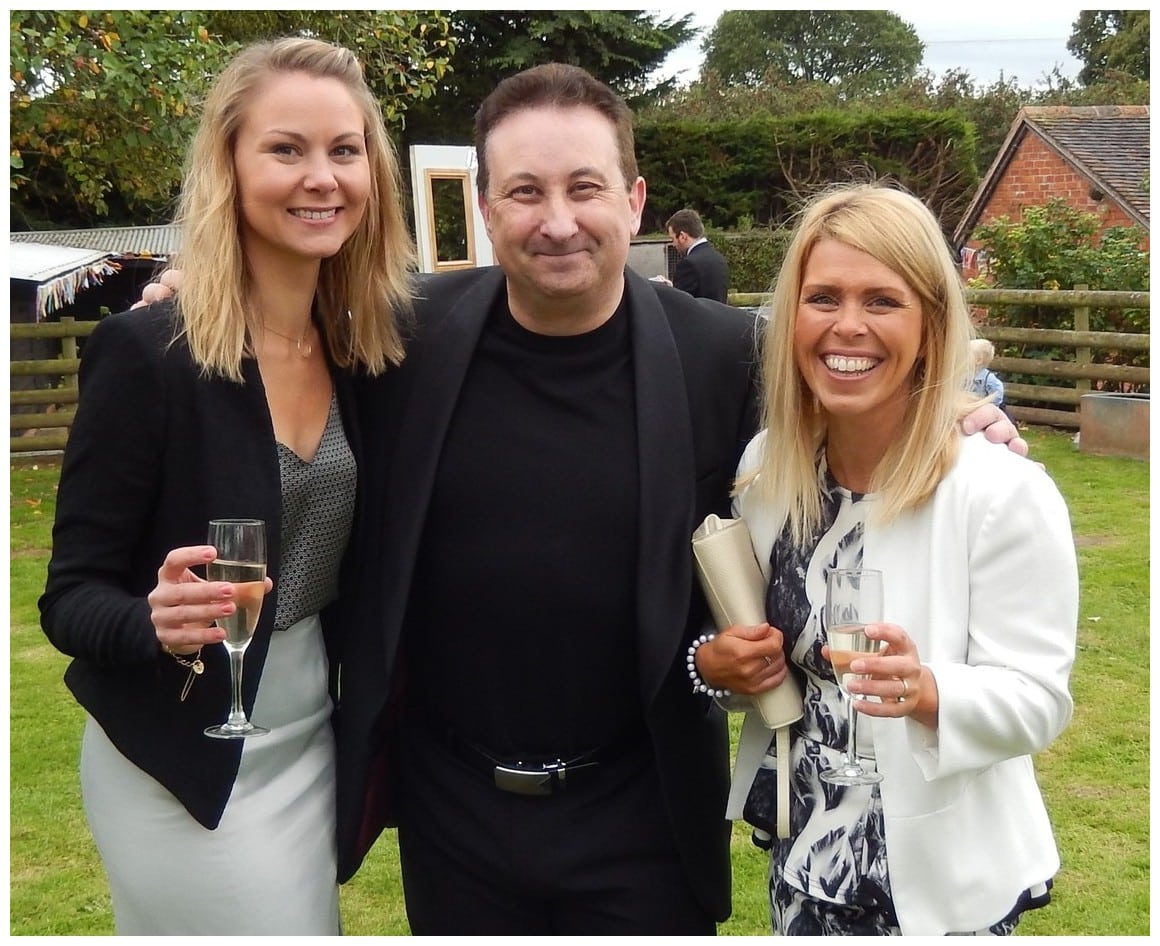
Patience is an important part of close-up magic. Understanding spectators and allowing them to feel comfortable helps Andy Field create an enjoyable experience for everyone.
There is another side to patience that becomes particularly important when you start performing for real audiences.
These principles apply at every event, including when working as a magician in Coventry.
Patience helps you approach guests naturally, practice provides the technical reliability, and performance brings everything together through humour, timing and audience interaction.
Not everybody reacts in the same way.
Some people are immediately enthusiastic. Others are naturally reserved. Some want to examine everything, while others are happy to sit back and enjoy the experience.
A good magician learns to recognise these differences.
If somebody is hesitant, trying harder to impress them is not necessarily the answer. Sometimes you need to give them a little space, introduce yourself naturally and allow the conversation to develop.
I have always believed that the experience should feel enjoyable rather than forced.
The objective is not to prove that you are cleverer than the spectator. It is to share an entertaining moment with them.
That requires patience, observation and a willingness to adapt.
Performing at different venues also teaches you to adapt to the people in front of you.
Whether I'm entertaining guests at a wedding in Gloucester or working a busy event in Bristol, patience helps me judge the atmosphere and approach each group naturally. Every audience is different, and recognising that is an important part of professional performance.
Learning From Mistakes
Every magician encounters difficulties.
 A technique may fail. A routine may not receive the reaction you expected. Something that worked beautifully in your practice room might feel completely different when performed in a busy room full of people.
The important thing is to understand what happened.
Was the technique unreliable? Was the explanation confusing? Did you rush the ending? Was the audience distracted by something else?
These are useful questions because they turn a disappointing experience into an opportunity to improve.
Patience does not mean repeating the same mistake indefinitely. It means allowing yourself enough time to identify the problem and work towards a better solution.
I have spent more than a quarter of a century performing magic professionally, and I still believe there is always something to learn.
You can develop a routine for years and continue finding ways to improve its timing, clarity or presentation.
That is part of what makes magic such a fascinating profession.
2. Practice: Turning Knowledge into Skill
 Patience gives you the time to improve, but practice is what allows that improvement to happen.
A magician can watch hundreds of demonstrations, read books by respected performers and understand the principles behind an effect. None of that automatically means they can perform it successfully.
There is a difference between knowing what you should do and being able to do it reliably.
Practice bridges that gap.
For me, practice has always been an essential part of developing the skills needed to perform close-up magic professionally. Cards, coins and borrowed objects might look ordinary, but using them convincingly in front of an audience requires control, timing and experience.
The work often happens when nobody is watching.
Practise the details nobody notices
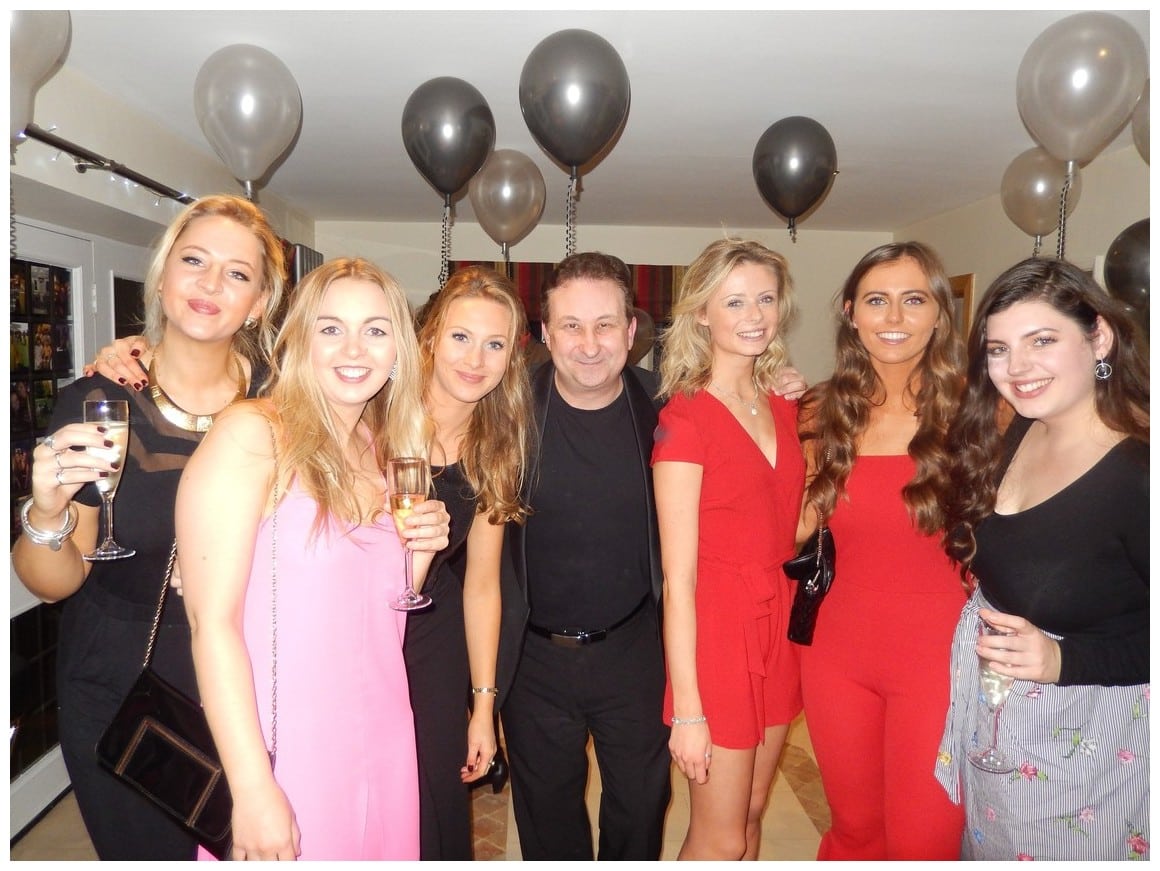 When people think about practising magic, they often imagine somebody repeatedly performing an entire trick from beginning to end.
That can be useful, but it is not always the most effective approach.
Sometimes you need to isolate one particular movement and concentrate on it.
If a card technique is unreliable, practise that technique rather than repeatedly performing the whole routine. If a coin vanishes awkwardly, work on the handling until the movement becomes natural.
Then gradually bring the individual elements together.
This approach allows you to concentrate on the specific areas that need improvement rather than hoping they will somehow correct themselves.
It also makes practice more productive. You can spend ten minutes working on one difficult detail and make more progress than you would by rushing through an entire routine several times.
Practise until you can concentrate on the audience
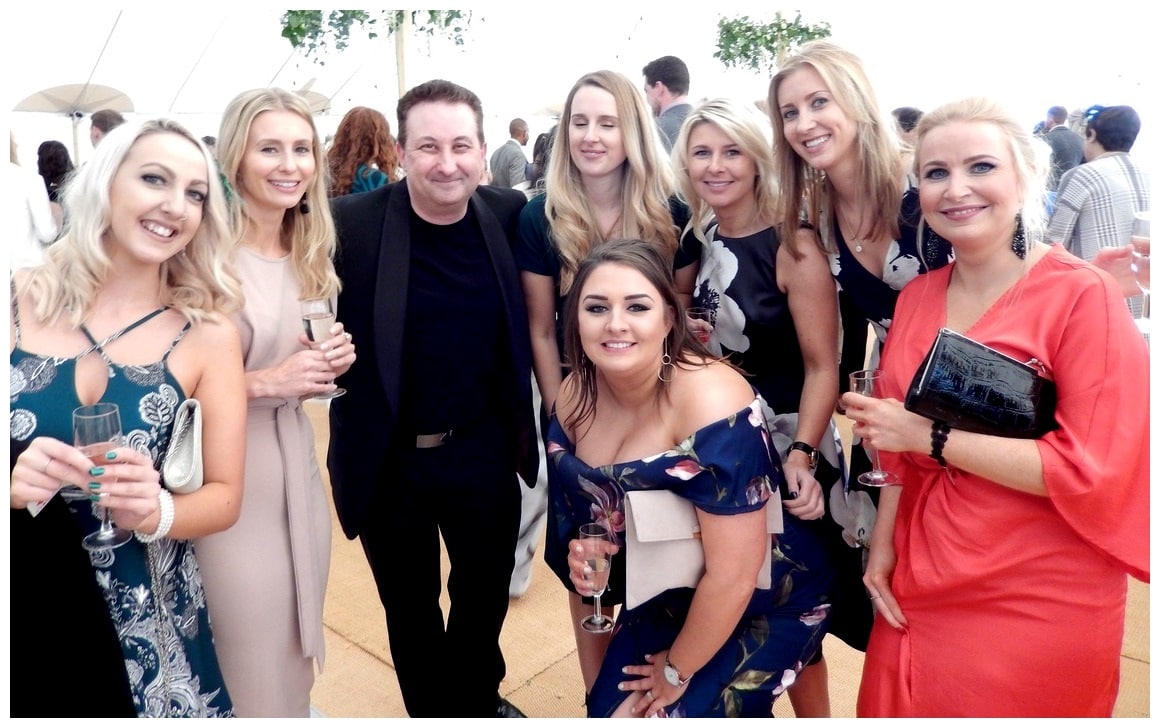 One of the most important benefits of practice is that it frees your attention.
When you are struggling to remember the sequence of a trick, most of your concentration is directed towards your hands and the next move.
That makes it difficult to pay attention to the people watching you.
You may miss a reaction, overlook a question or fail to notice that somebody at the edge of the group has become distracted.
When the handling becomes familiar, you have more mental space available for the performance itself.
You can look at people, listen to what they say and respond naturally to their reactions.
This is particularly important in close-up magic, where the audience is only a few feet away.
The interaction is part of the entertainment.
You need to be able to perform the magic while remaining aware of everything happening around you.
Practise the entire experience, not just the secret
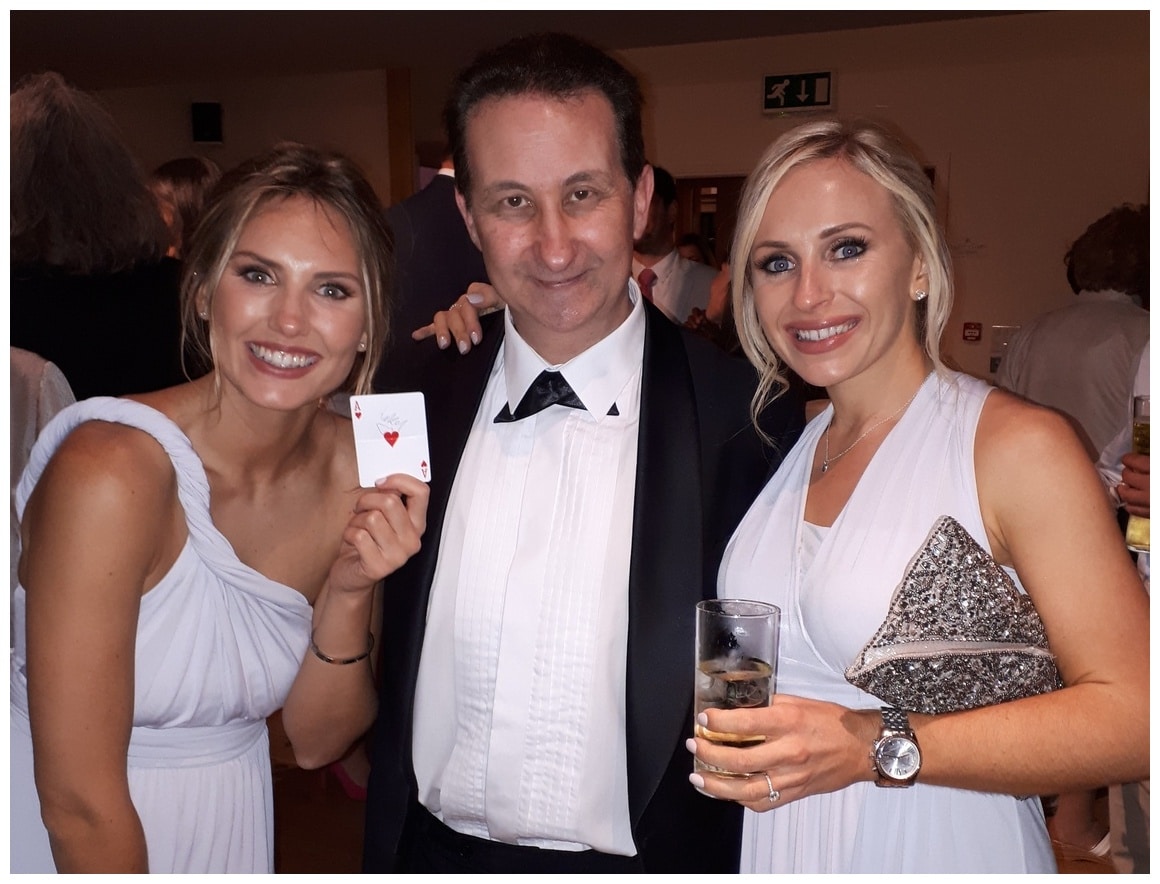 There is a common mistake that developing magicians can make: they practise the secret move repeatedly but spend very little time working on how they will present the trick.
The technique might be excellent, yet the routine can still feel awkward.
What will you say when you introduce it? How will you involve the spectator? Where will the important moment occur? How will you finish?
These questions deserve attention too.
Try rehearsing the routine aloud. Pay attention to the words you use, the pauses you leave and the way you transition between one moment and the next.
If you are performing a routine that involves a borrowed object, think about how you will ask for it and return it naturally.
If a spectator needs to make a choice, consider how you will explain what is happening without making the process unnecessarily complicated.
The objective is not to make every performance sound rehearsed. It is to become familiar enough with the routine that you can deliver it naturally.
That distinction matters.
A well-practised magician can adapt to the moment because the fundamentals are already in place.
Learn from experienced magicians
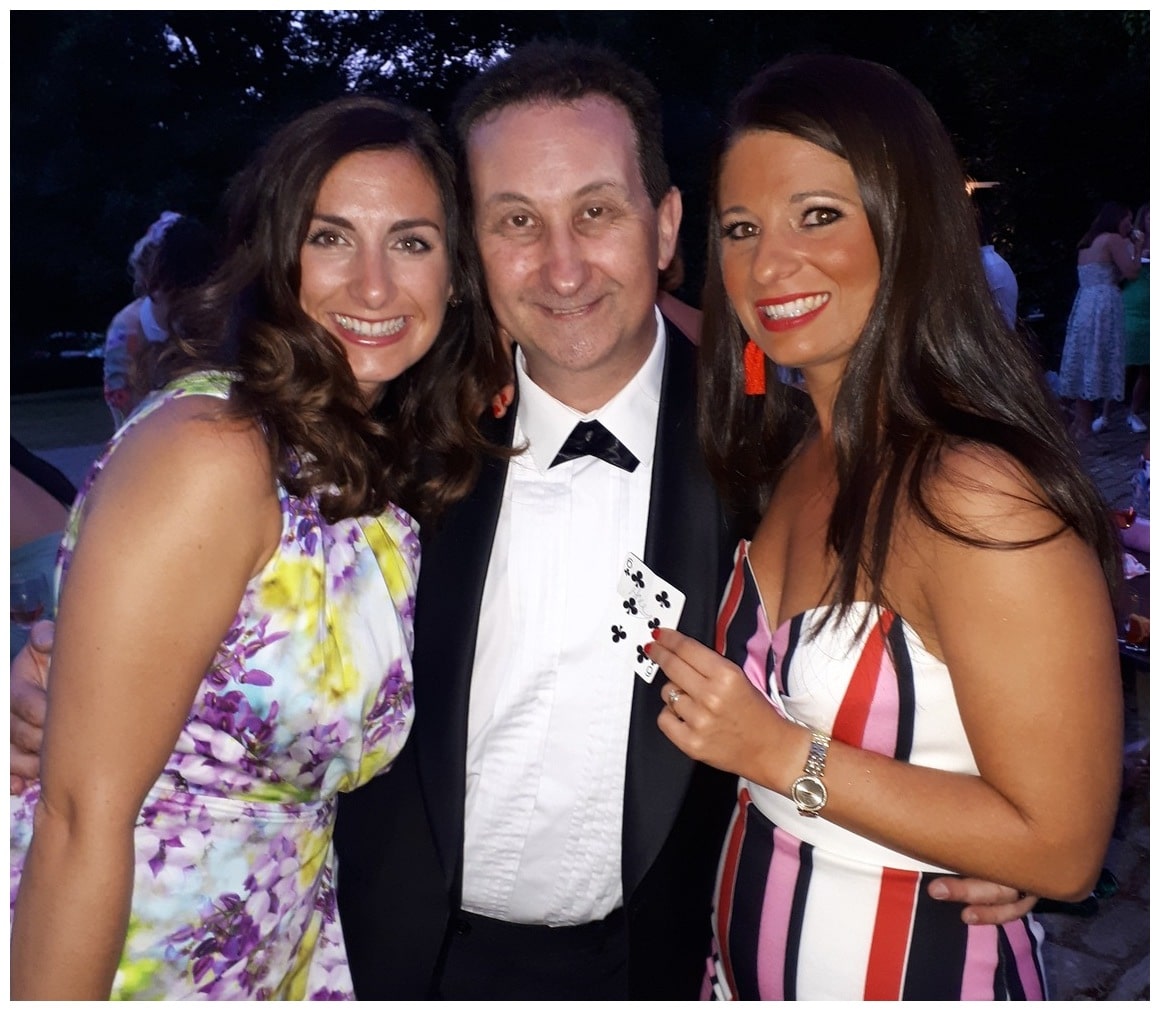 Practice becomes even more valuable when it is supported by good instruction and constructive feedback.
Throughout my own journey, I have been fortunate to learn from respected magicians, including Michael Vincent and Darwin Ortiz.
Learning from experienced performers can help you recognise details you might otherwise overlook. They can explain why a technique works, identify weaknesses in your handling and encourage you to think more carefully about the structure of a routine.
However, learning from somebody else does not mean simply copying their entire style.
Different magicians have different personalities, voices and ways of interacting with an audience.
The aim is to understand the principles, develop your own judgement and find an approach that feels authentic to you.
For a closer look at the technical side of the craft, read my guide to sleight of hand magic explained.
Sleight of hand is an important part of many close-up performances, but it is only one ingredient. The way you use that skill matters just as much as the skill itself.
Practice is especially important when you want your magic to feel effortless in different settings. At a wedding in Bath, for example, guests might be enjoying a relaxed drinks reception, while a corporate event can demand a different pace and presentation.
The more thoroughly you know your material, the easier it becomes to adapt without losing the quality of the magic.
Make practice consistent
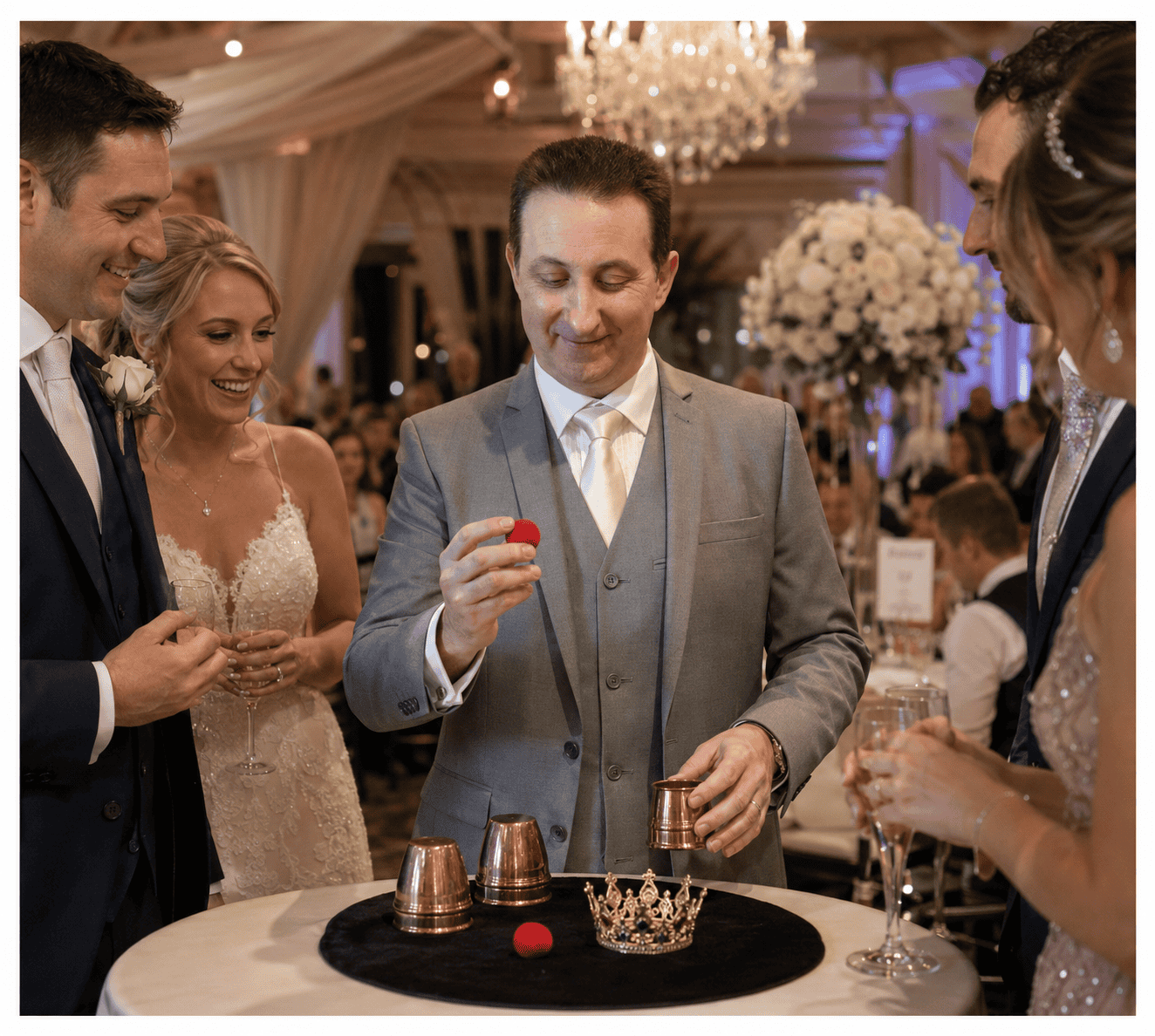 You do not necessarily need to spend every waking hour practising.
What matters is having a sensible routine and using your time well.
A focused practice session might involve working on a difficult technique, rehearsing the presentation of a routine and then performing the entire sequence without stopping.
Another session might involve reviewing a performance and identifying one specific improvement.
The key is to have a purpose.
Practising without thinking about what you are trying to achieve can become repetitive. Focused practice gives you something to work towards.
And remember that reliability matters more than occasional brilliance.
A technique that works perfectly once but fails unpredictably is not ready for professional use. You need to be confident that your magic will hold up under the different conditions of a real event.
That takes time, repetition and honest assessment.
3. Performance: The Difference Between Doing a Trick and Entertaining People

Great magic is about more than the trick itself. Andy Field combines technical skill, personality, humour and audience interaction to create an entertaining experience.
Here is where everything comes together.
You can be patient. You can practise diligently. You can develop excellent technical skills.
But when you stand in front of an audience, you still have to entertain them.
That is the third P: performance.
A magic trick is an effect. A performance is an experience.
The distinction is important because audiences do not book a magician simply to watch somebody manipulate playing cards. They want to enjoy themselves, share a laugh and experience something surprising.
They want to feel part of the occasion.
That is why I have always placed such importance on showmanship.
The venue and occasion can influence how I approach a performance, too. At an event in Swindon, as anywhere else, the aim is to complement the atmosphere rather than interrupt it.
Good performance means recognising when to bring energy to a group, when to let a moment breathe and how to make the entertainment feel like a natural part of the occasion.
Showmanship is more than being loud
Great showmanship isn't about being the loudest person in the room. Andy Field uses humour, timing, personality and audience awareness to make every magic performance engaging.
When people hear the word showmanship, they sometimes imagine a performer who is constantly talking, making dramatic gestures and trying to dominate the room.
That is not what it means to me.
Good showmanship is about understanding how to present something in the most engaging way for the audience in front of you.
Sometimes that means building anticipation. Sometimes it means delivering a joke at exactly the right moment. Sometimes it means allowing a surprising moment to speak for itself.
A pause can be more powerful than a speech.
A quiet reaction can be more effective than an exaggerated gesture.
The important thing is to understand what the moment needs.
I have written more about this in showmanship in magic, where I explore the way presentation, personality and timing contribute to a successful performance.
Technical skill might make an effect possible, but showmanship helps make it memorable.
Understand the audience in front of you
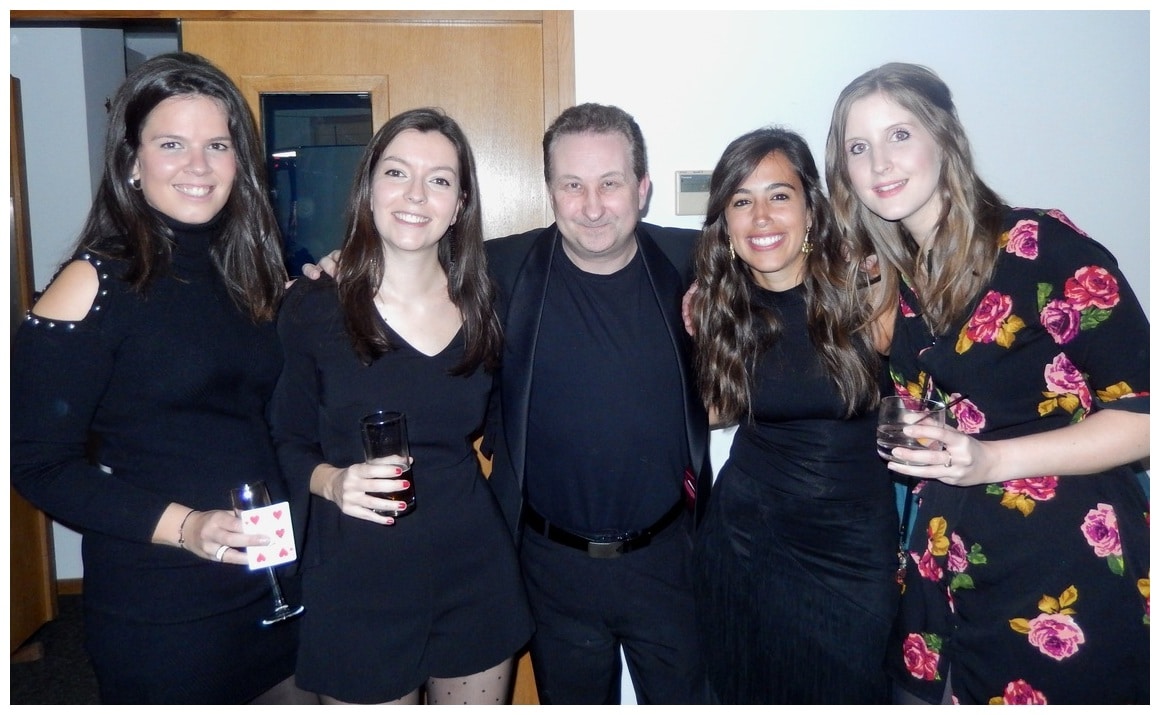
A skilled magician understands the people in front of them, adapting their timing, humour and presentation to suit the audience and create an enjoyable experience.
A magician performing at a formal corporate dinner may approach the event differently from one entertaining guests at a relaxed birthday party.
The technical magic might be similar, but the atmosphere, pace and style of presentation may need to change.
This is where experience becomes valuable.
You need to recognise the environment, understand the mood and decide how best to approach each group.
Are people already chatting enthusiastically? Are they waiting for drinks? Are they in the middle of a conversation? Would a lively introduction work, or would a quieter approach be more appropriate?
There is no single answer that works every time.
A professional magician learns to make these decisions quickly and naturally.
The aim is to complement the occasion rather than compete with it.
Every audience is different, and experience teaches you to adapt your approach to suit the people in front of you.
Whether performing as a magician in Leamington Spa or at an event elsewhere, understanding the atmosphere and responding naturally to guests helps make the entertainment feel part of the occasion.
Timing can transform a routine
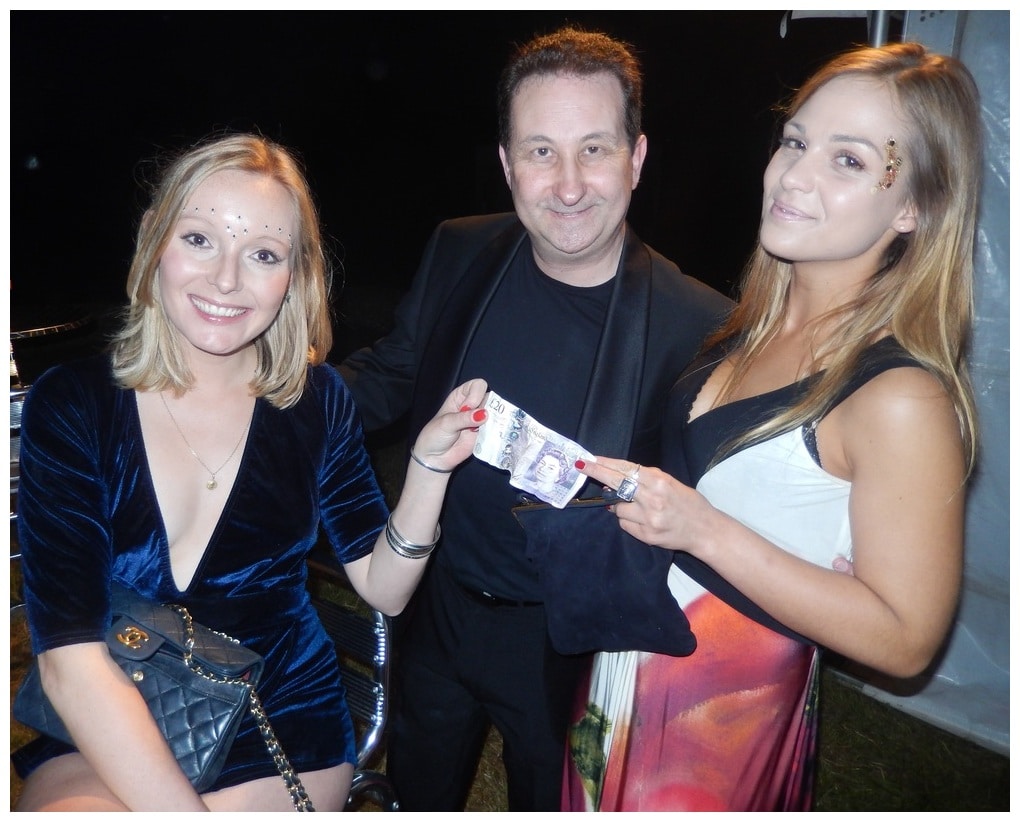
Timing is a vital part of great magic. Andy Field uses pauses, anticipation and carefully judged reveals to make tricks more engaging and memorable for spectators.
Timing is one of those skills that can be difficult to appreciate until you see it used well.
Consider the moment immediately before a magical revelation.
If you rush straight through it, the audience may not fully appreciate what has happened.
If you create a little anticipation and allow the spectators to understand the situation, the revelation can become far more powerful.
The same applies to comedy.
A joke delivered too quickly can lose its impact. A pause held for too long can make the moment uncomfortable.
Learning to recognise the right timing takes experience, observation and practice.
It is not simply about memorising a script.
You need to pay attention to the people in front of you and respond to their reactions.
This is one reason professional performance involves so much more than the mechanics of a trick.
Confidence without arrogance
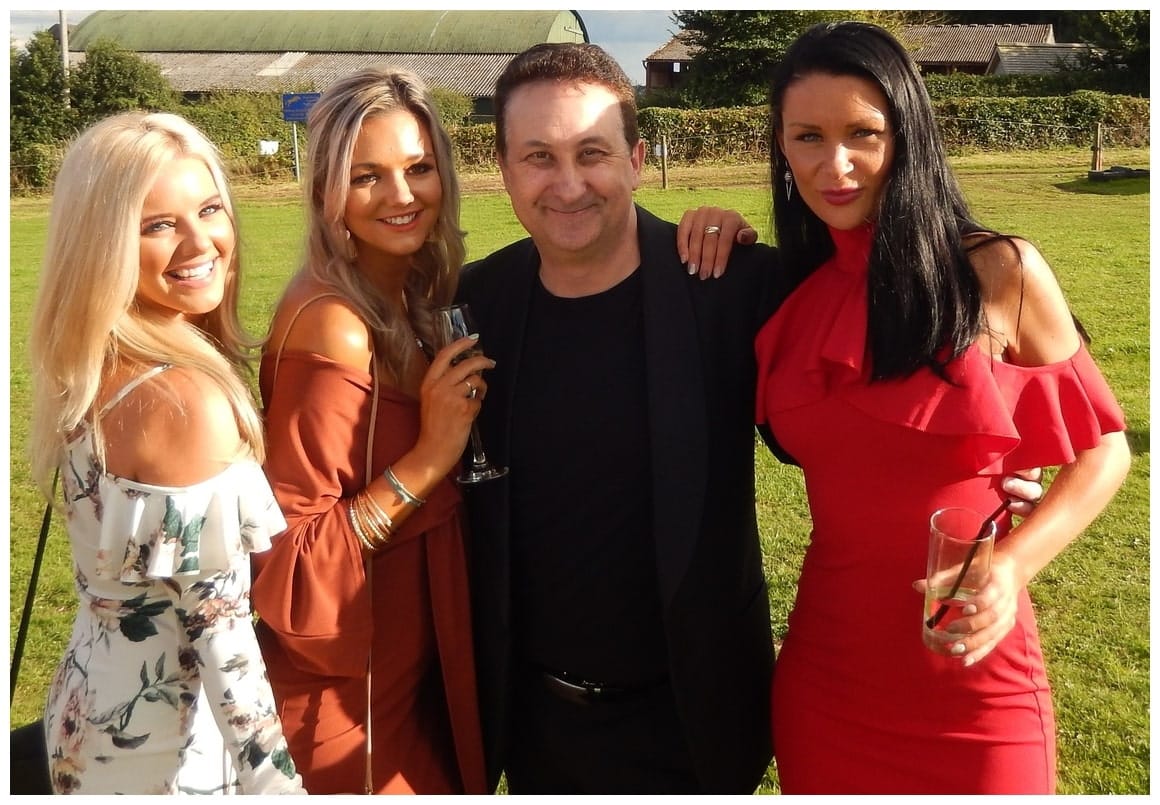
A professional magician needs confidence without arrogance. Andy Field combines assured performance, strong showmanship and a friendly approach that helps spectators feel comfortable and involved.
A good performer needs confidence, but confidence does not mean behaving as though you are the most important person in the room.
The audience should feel comfortable around you.
If you appear nervous, distracted or uncertain about what you are doing, people may struggle to relax into the experience. On the other hand, if you act as though you are trying to prove your superiority, the performance can quickly become uncomfortable.
The balance is to be assured without being overbearing.
You know your material. You understand the situation. You are comfortable speaking to people and you can guide the experience without making anyone feel foolish.
That is a valuable part of professional showmanship.
It is also why I believe a magician's personality matters so much. The technical magic may create the initial surprise, but the interaction helps determine how people remember the experience.
The spectator is not the enemy
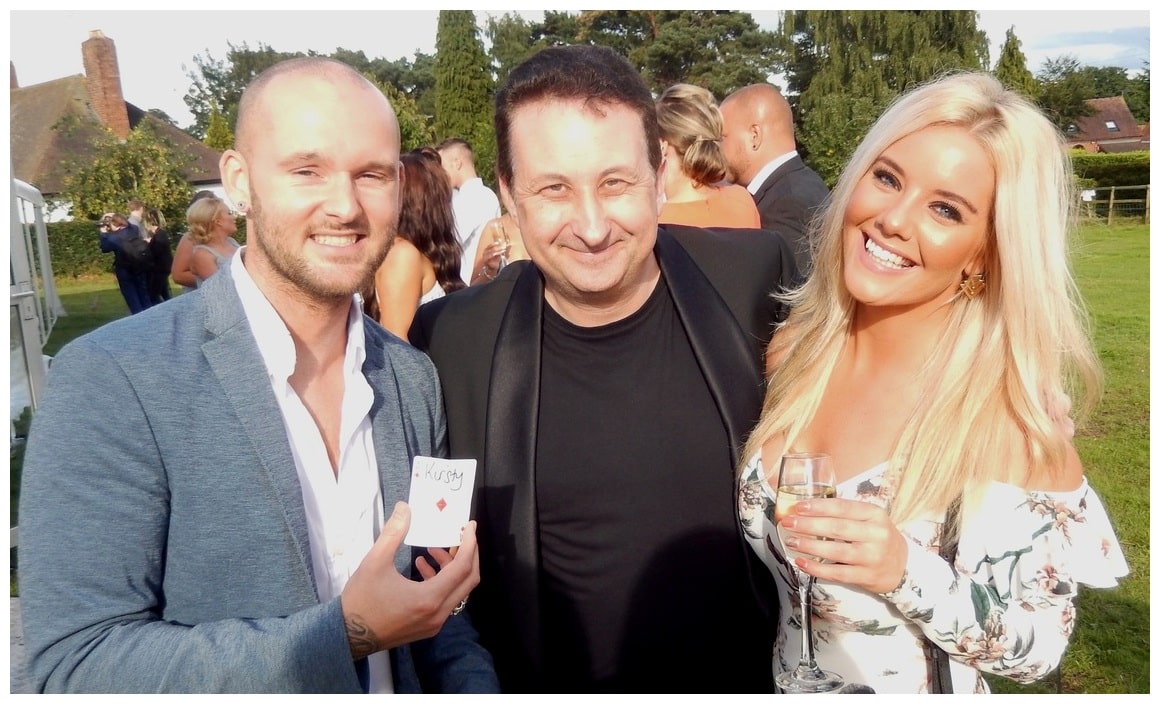
Great close-up magic brings the magician and spectator together. Andy Field believes audience members should feel respected, involved and entertained, never embarrassed or treated as opponents.
Some performances are built around the idea of challenging the audience to catch the magician out.
There is nothing wrong with playful banter when it suits the situation, but I believe the spectator should ultimately feel that the magician is entertaining them rather than competing against them.
The person who chooses the card, lends a ring or takes part in a routine is helping create the moment.
They should feel involved and respected.
If somebody does not understand something, that does not mean you need to embarrass them. If they are enthusiastic, you can encourage their participation. If they are reluctant, you can adapt.
The experience should be enjoyable for everyone involved.
This is particularly important when performing at weddings, parties and corporate events, where people may not have expected to become part of a magic performance.
A friendly approach can make all the difference.
4. The Three P's at a Real Event
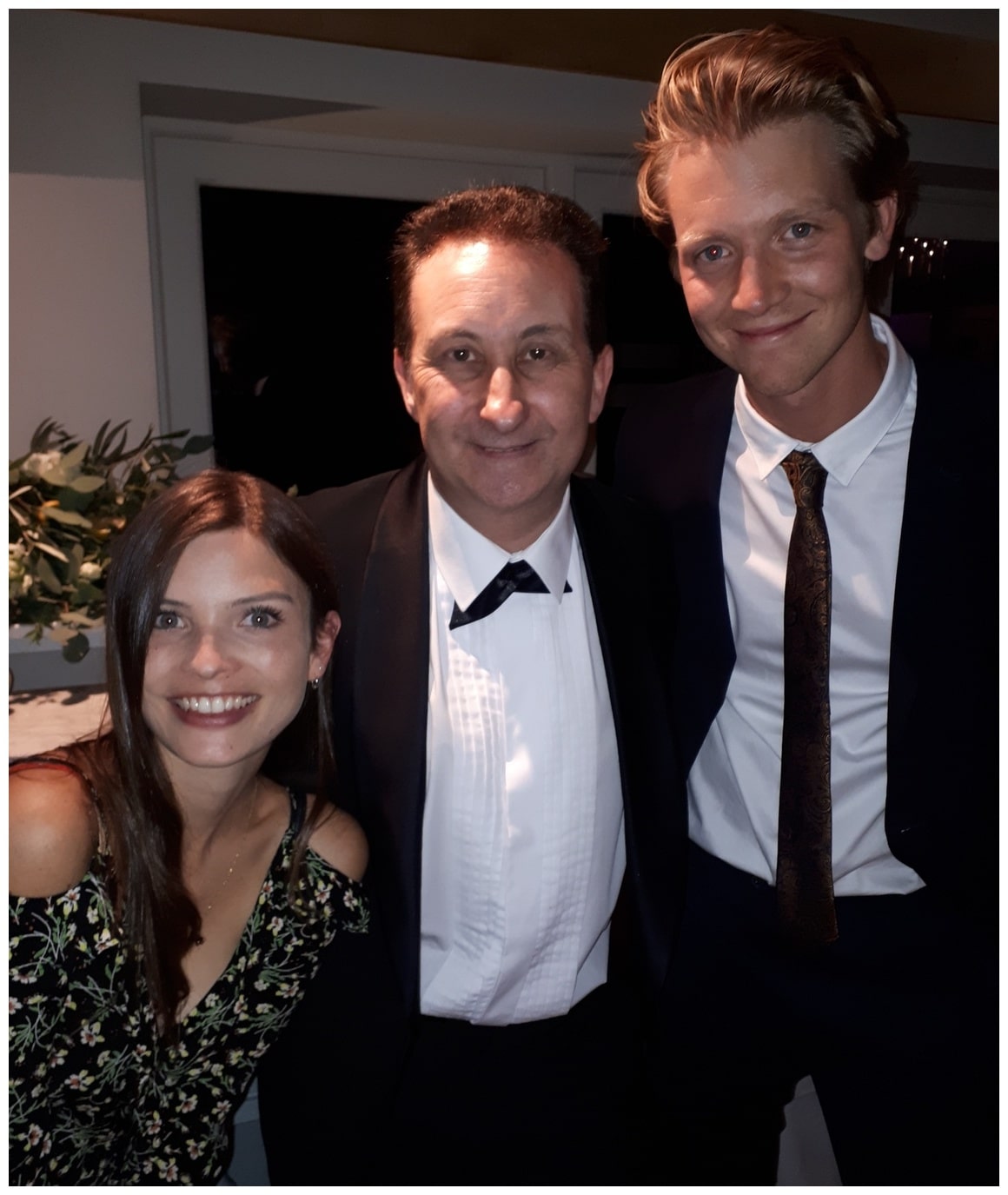 Patience, practice and performance are not three separate boxes that you tick and forget about.
They work together.
Consider a typical wedding drinks reception.
Guests have gathered after the ceremony. Some know each other well, while others are meeting for the first time. People are chatting, photographs are taking place and the room is gradually filling with conversation.
A close-up magician needs to fit naturally into that environment.
Patience helps the magician approach people at the right moment, read their reactions and avoid forcing an interaction.
Practice provides the technical reliability needed to perform under pressure, even when the surroundings are busy or distracting.
Performance brings the magic to life through personality, humour, timing and audience interaction.
Remove any one of these elements and the experience can suffer.
Technical skill without presentation can feel mechanical. Enthusiasm without practice can lead to unreliable magic. A polished routine without patience can feel intrusive.
When all three work together, the magic becomes part of the occasion.
That is one reason I enjoy performing close-up magic at weddings and other events. The entertainment happens directly among the guests, creating little moments of surprise and laughter throughout the room.
I've explored this further in Why Close-Up Magic Makes Leicester Events More Memorable, looking at how close-up magic can bring guests together and create enjoyable shared experiences at weddings, parties and corporate events.
If you are interested in how these elements come together, my article on how magicians build a great magic performance explores the wider process of turning individual tricks into an engaging experience.
These principles are just as relevant when performing at events in Oxford or Worcester. Wherever the event takes place, the fundamentals remain the same: prepare properly, respect the audience and make the experience enjoyable.
5. Why These Principles Matter to a Professional Magician
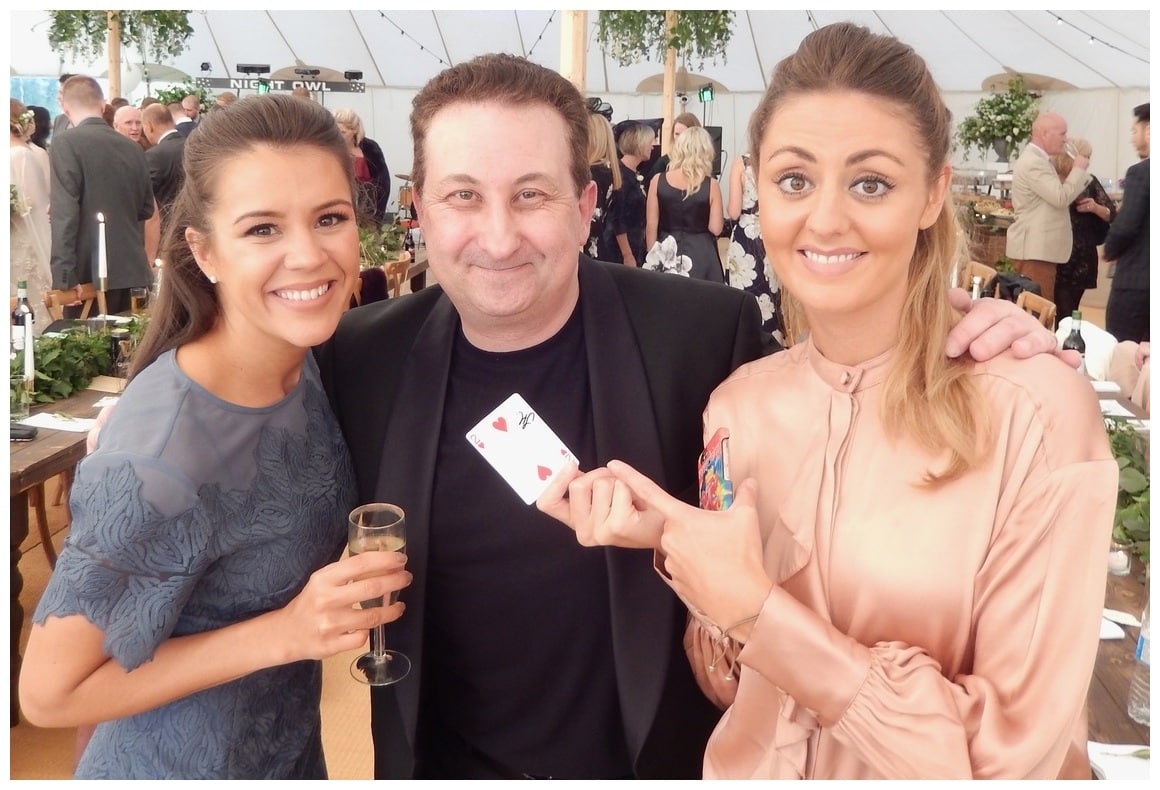
Performing close-up magic at real events requires patience, practice and adaptability. Andy Field combines technical skill, timing and audience interaction to entertain guests in changing environments.
There is a difference between performing a trick successfully in a practice room and delivering professional entertainment at a real event.
In your practice room, you control the surroundings. You can start again whenever you like. If something goes wrong, nobody is waiting for you to finish.
At an event, things are different.
People may be talking nearby. A waiter may walk past. A spectator might ask an unexpected question. Somebody may arrive halfway through the routine.
You cannot expect every performance to happen in perfect conditions.
Patience helps you remain calm and make sensible decisions. Practice gives you the confidence to handle your material reliably. Performance allows you to adapt to the situation and keep the audience engaged.
These skills are developed over time.
My own career has included thousands of performances in different environments, from weddings and private celebrations to corporate functions. I have also had the opportunity to work behind the scenes on the BBC series Hustle, where an understanding of magical technique and its presentation for television was important.
Experiences like these reinforce the value of preparation, adaptability and professionalism.
You cannot predict every detail of a performance, but you can prepare yourself to deal with the unexpected.
And that preparation is often invisible to the audience.
They see the finished effect, hear the laughter and experience the surprise. They do not see all the hours of practice or the years spent learning how to work comfortably with people.
That is exactly how it should be.
The work supports the experience. It does not need to become the experience.
6. A Fourth P? Personality
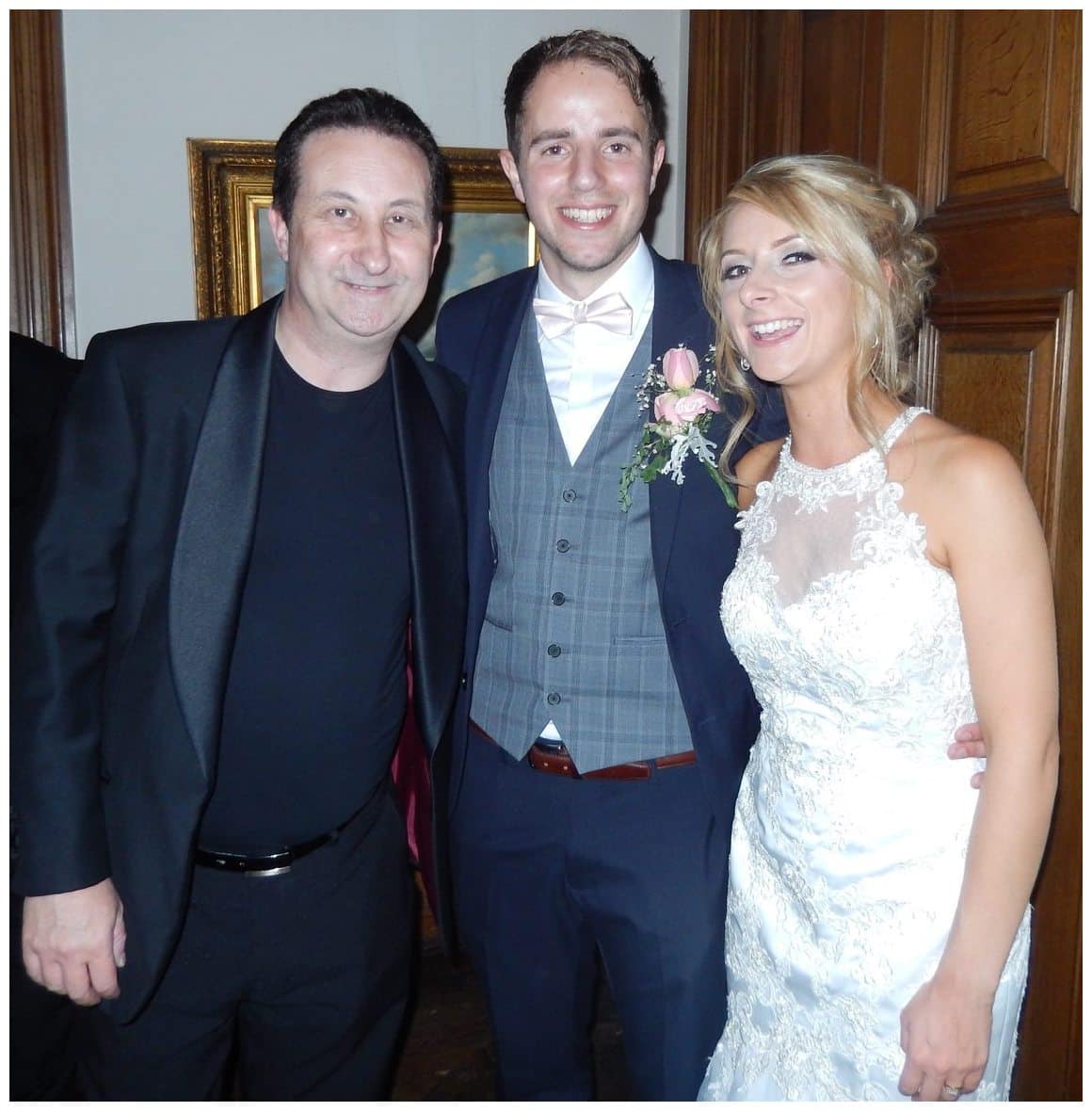
Personality helps turn a magic trick into an entertaining experience. Andy Field combines humour, warmth and strong showmanship to connect with spectators and make his performances memorable.
Although the three P's provide a useful foundation, there is another quality worth mentioning: personality.
Two magicians can perform the same trick and create completely different experiences.
One might use a relaxed, conversational style. Another might prefer a more theatrical presentation. A third might build the routine around comedy.
None of these approaches is automatically right or wrong.
What matters is whether the presentation suits the performer, the audience and the occasion.
Trying to imitate somebody else's personality can make a performance feel unnatural. It is usually better to understand what makes an experienced performer effective and then find your own way of applying those lessons.
Personality does not mean simply being funny or outgoing. It means allowing the audience to experience a genuine sense of who you are as a performer.
That might involve warmth, wit, calm confidence or an ability to make people feel at ease.
For a professional magician, these qualities can be just as important as technical ability.
They help turn a demonstration of skill into a human interaction.
And they are one reason that a good performance can stay in somebody's memory long after they have forgotten the exact details of the trick.
7. What Should an Aspiring Magician Work on First?
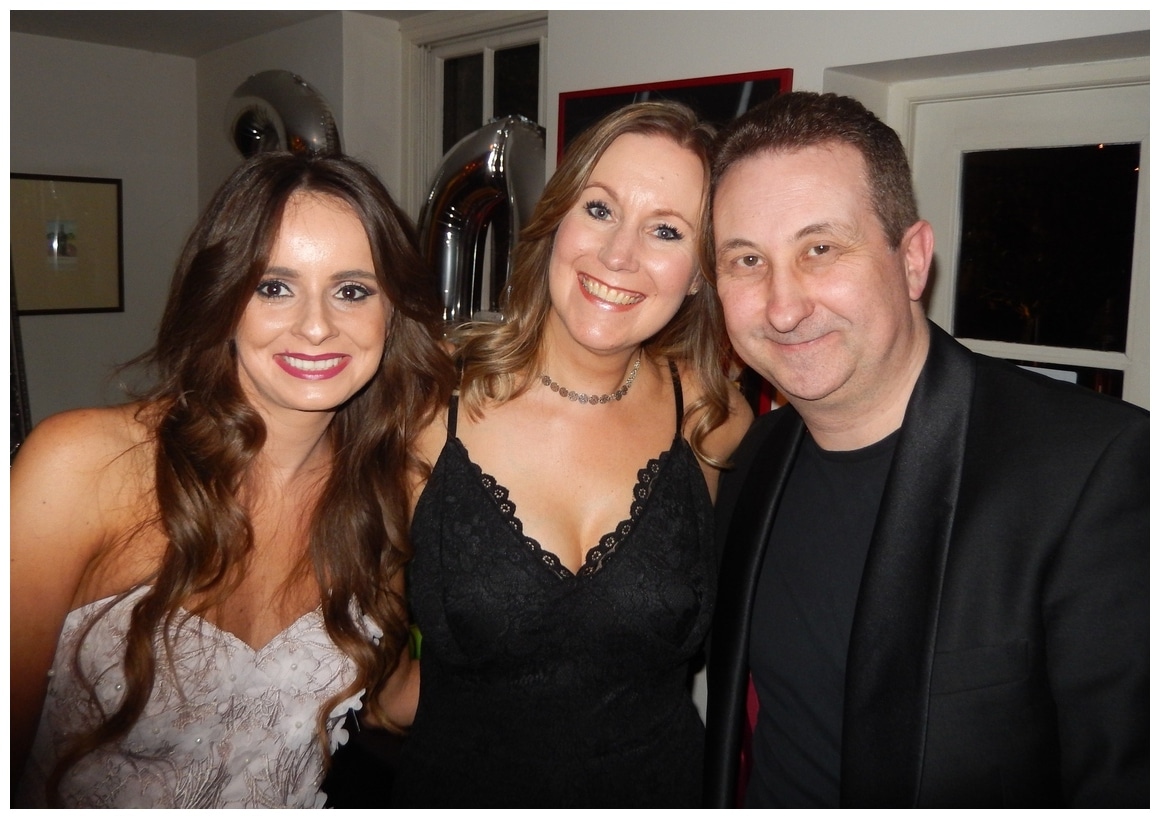
Aspiring magicians should focus on mastering a small selection of tricks, practising their techniques thoroughly and developing a natural, engaging presentation.
If you are learning magic yourself, it can be tempting to chase the most impressive effects.
There are thousands of tricks to discover, and it is easy to jump from one technique to another without giving yourself enough time to master anything properly.
My advice would be to start with a smaller selection of material and develop it thoroughly.
Choose a few effects that interest you. Learn the handling carefully, understand the underlying principles and practise until the techniques become reliable.
Then work on the presentation.
Think about what the spectator will experience, how you will explain what is happening and how you will create a satisfying ending.
Rehearse the routine aloud and, where possible, seek constructive feedback from someone who understands performance.
Most importantly, learn to evaluate your progress honestly.
Do not judge a routine solely by whether the secret worked. Consider whether the audience understood what was happening, whether the effect was clear and whether the overall experience felt enjoyable.
You can also study other performers, read books and learn from experienced magicians. But remember that collecting information is not the same as developing skill.
You need to put what you learn into practice.
And do not expect every stage of the process to be exciting. Some of the most useful work involves repeating small movements, adjusting a presentation or revisiting a routine you thought you had already mastered.
That is where patience and practice meet.
Over time, the techniques become more reliable, your presentation becomes more natural and you become increasingly comfortable working with an audience.
There is no shortcut that replaces that process.
8. The Three P's Never Really Disappear
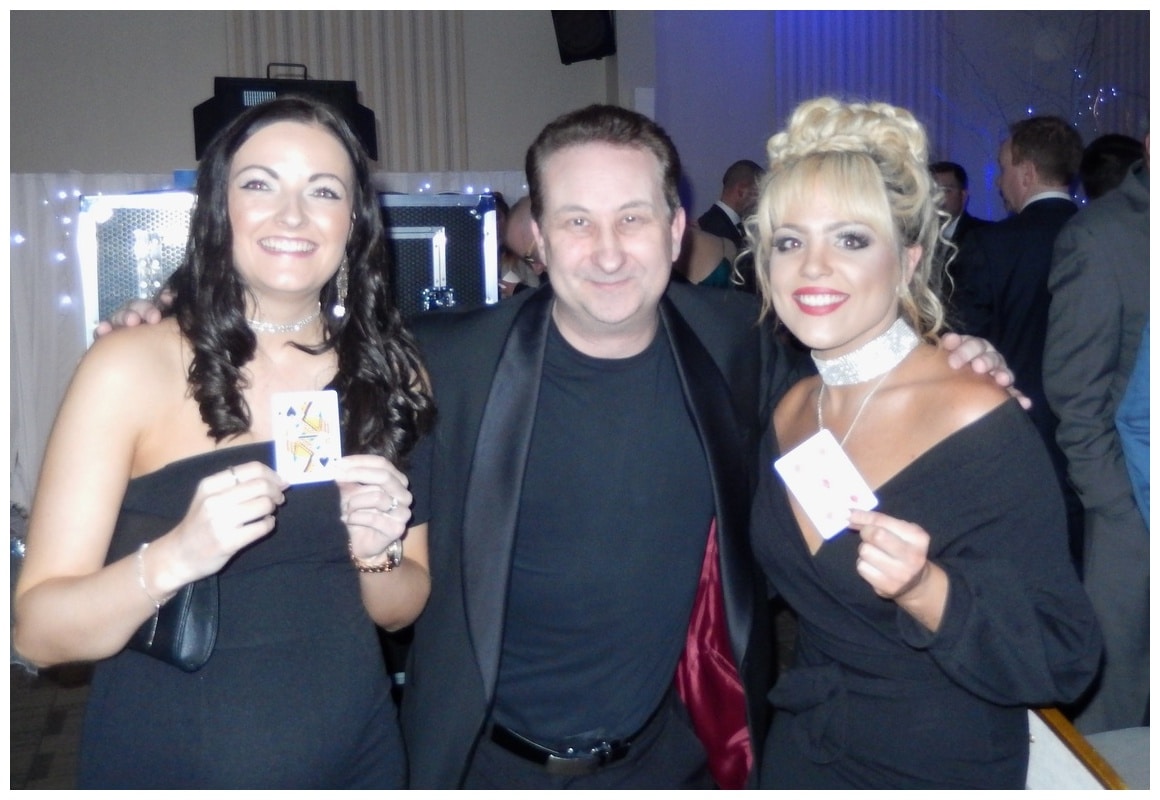 One of the interesting things about magic is that these three principles remain relevant even after you have been performing for many years.
Patience is still needed because people and situations are unpredictable. You may need to adapt to a different audience, reconsider a routine or give yourself time to learn something new.
Practice remains essential because skills need maintaining. A technique you have not used for some time may require attention before you can rely on it again.
Performance continues to develop because every audience is different. The same routine can produce a different atmosphere depending on the people, the venue and the circumstances.
Professional experience does not remove the need to improve.
If anything, it gives you more opportunities to recognise where improvement is possible.
You begin to appreciate details that might once have seemed insignificant. You notice how a small change in timing affects a reaction, how a clearer explanation helps an audience follow an effect or how a relaxed approach can make a spectator more comfortable.
You also learn that there is no single formula for a successful performance.
The principles provide a foundation, but you still need to apply them thoughtfully.
That is what keeps the craft interesting.
Final Thoughts: Patience, Practice and Performance
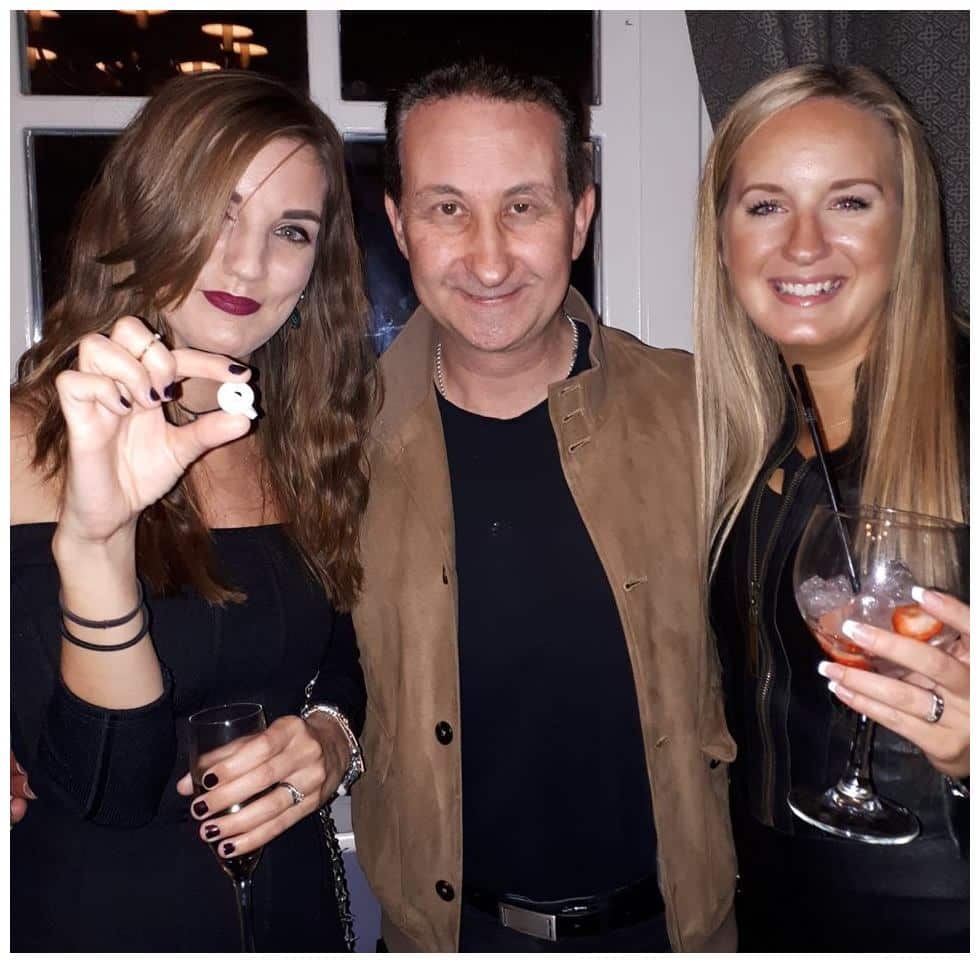
Practice Makes Magic More Reliable – Andy Field
If there is one message I would like aspiring magicians to take from this article, it is that great magic is built on much more than the secret behind a trick.
Patience gives you the time to develop.
Practice gives you the skills and reliability to perform.
Performance brings those skills to life, allowing you to create an entertaining experience for other people.
Together, these three principles provide a solid foundation for anyone who wants to improve their magic.
You do not need to master everything at once. You do not need to learn every trick in the book. And you certainly do not need to become a copy of another performer.
Start with the fundamentals. Work on the details. Learn from your mistakes. Develop your own presentation and remember that the audience is there to enjoy the experience.
After more than 25 years as a professional magician, I still believe that the most satisfying part of the job is not simply knowing that a trick worked.
It is seeing people react to something they cannot explain. It is hearing the laughter when an unexpected moment catches them off guard. It is watching a group of people who may have only just met begin talking and sharing the experience.
That is when the technical skill, preparation and presentation all come together.
And that is the real purpose of the three P's.
Patience. Practice. Performance.
Three simple words, and a lifetime of magic behind them.
Andy Field: Professional Close-Up Magic
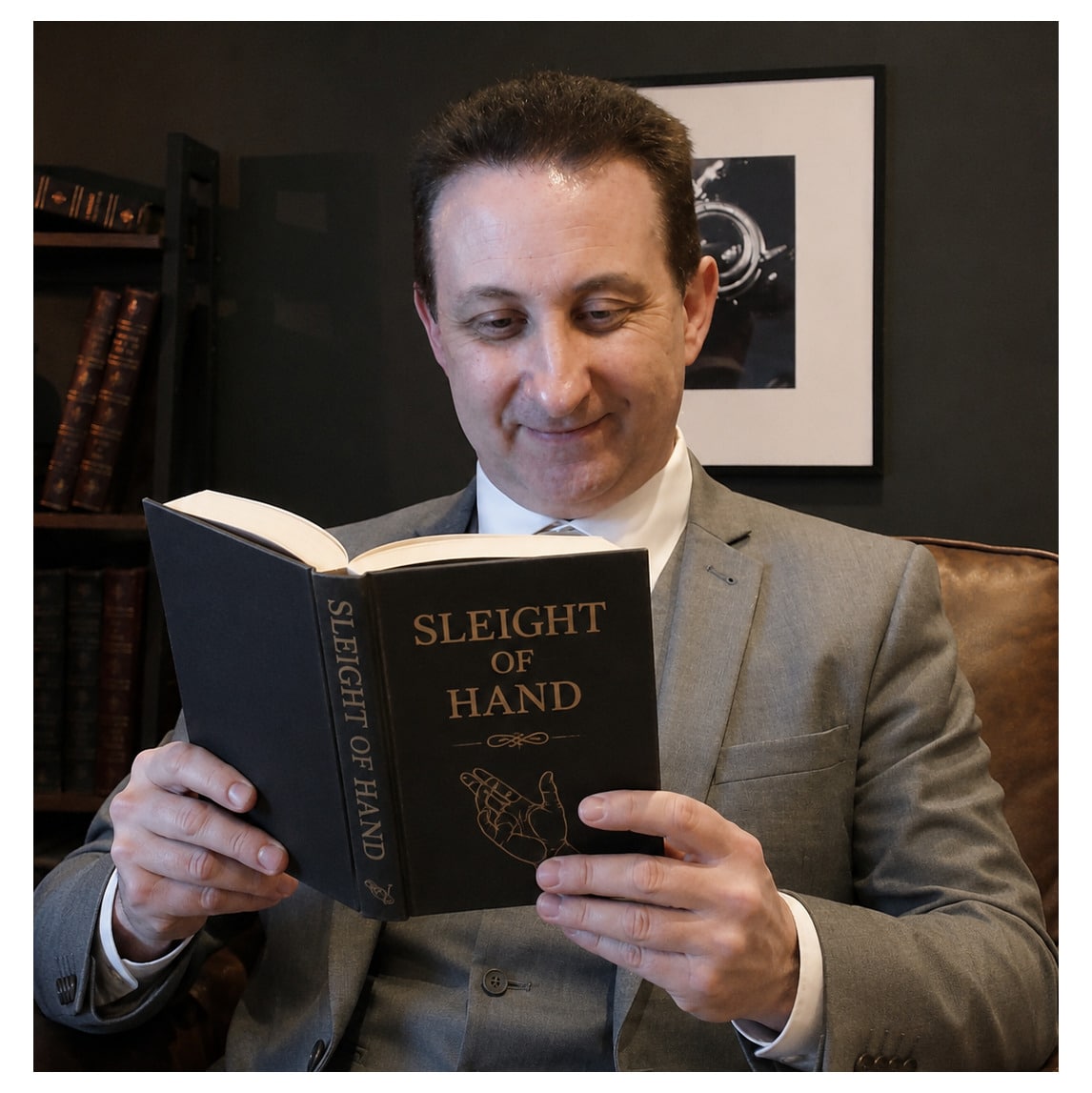 I'm Andy Field, a professional close-up magician performing at weddings, parties, corporate events and private celebrations.
My style combines powerful magic, strong showmanship and plenty of humour.
If you'd like to learn more about my background and experience, visit About Andy Field.
For me, the real reward of magic is bringing people together, creating moments of surprise and laughter, and giving guests something memorable to talk about long after an event has finished.
Andy Field Magician Service Areas
I regularly provide close up magic for weddings, parties, corporate events and special occasions across the South West and surrounding areas. You can find out more about my magic services in the following locations:
Magician Bristol Magician Gloucester Magician Cheltenham Magician Swindon Magician Somerset Magician Cotswolds
Magician Oxford Magician Bath Magician Worcester Magician Coventry Magician Leamington Spa Magician Leicester
Explore More About Magic
Sleight of Hand Explained Psychology in Magic Explained Misdirection in Magic Explained Cups and Balls Close-up Magic Explained