How Magicians Build a Great Magic Performance

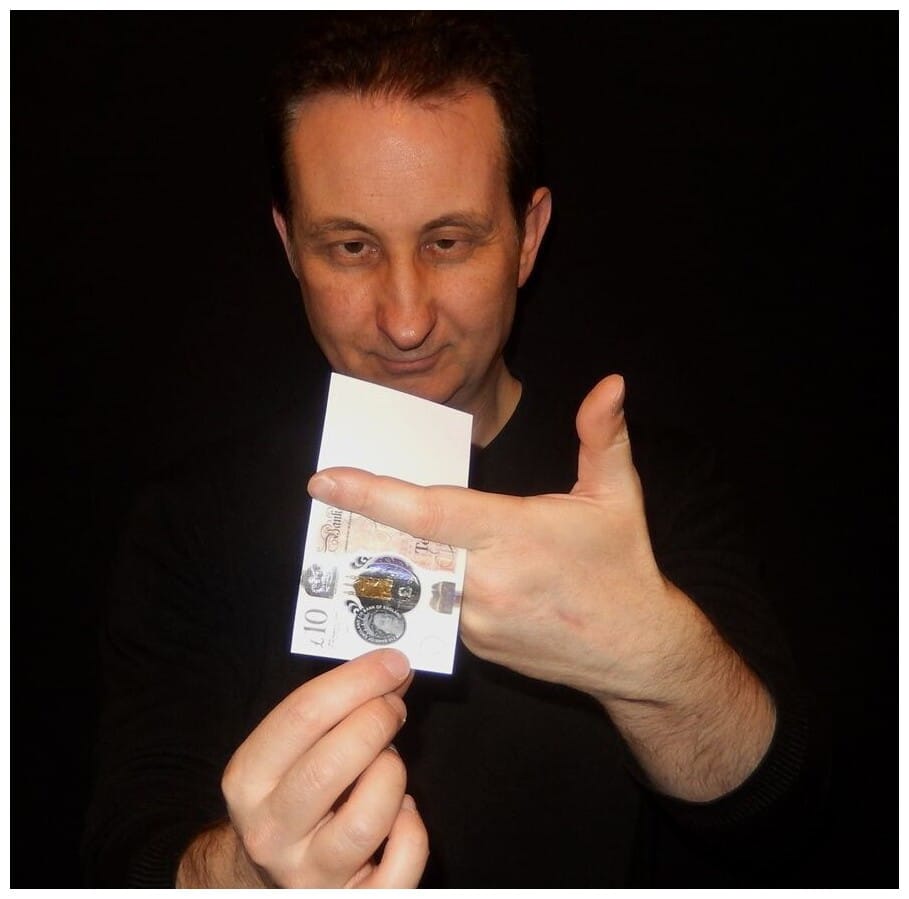
Andy Field is a professional magician with more than a quarter of a century of experience performing close up magic at weddings, parties, corporate events and private celebrations. He has performed at more than 1,000 weddings and is a two-time S.A.M.S. Champion of Close-Up Magic with more than 20,000,000 views on his YouTube and an array of Google reviews.
What Goes into a Great Magic Performance
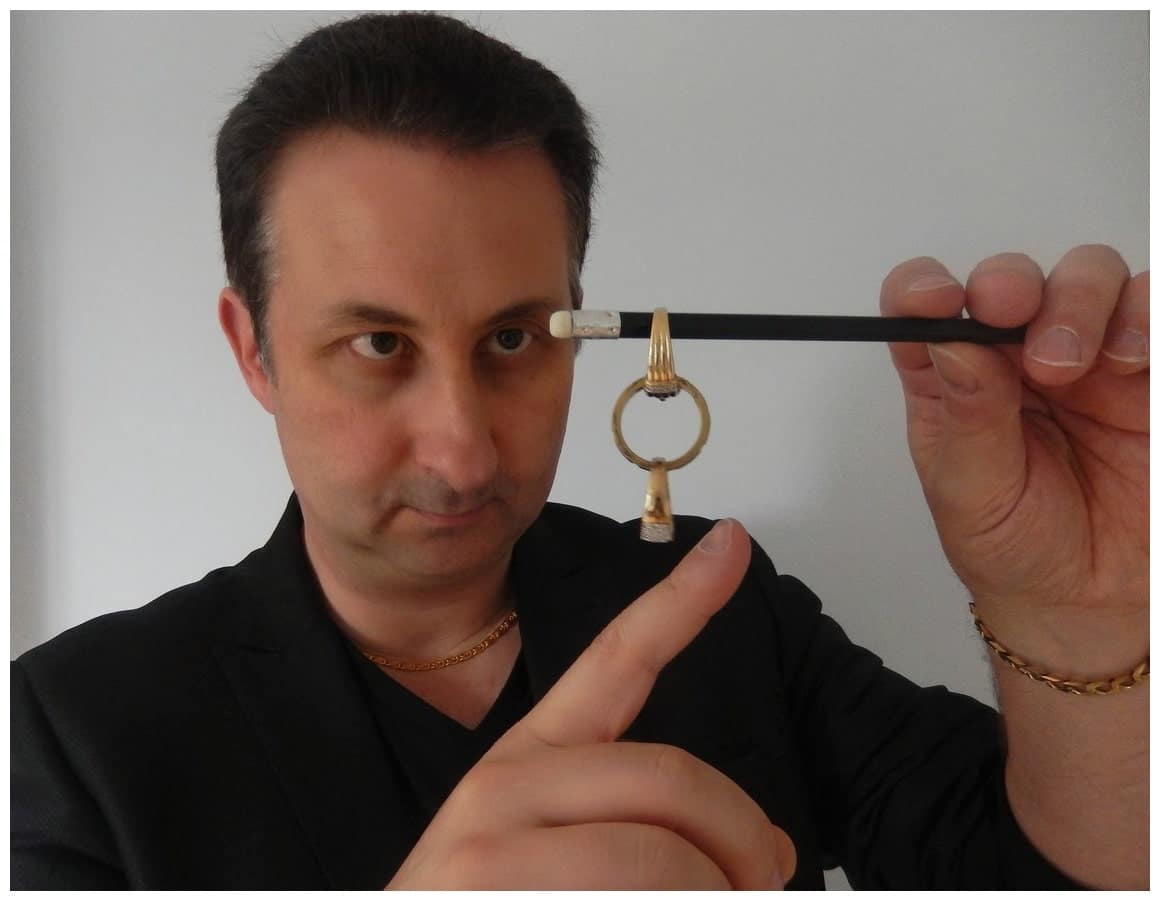
Andy Field is a professional close-up magician with over 25 years of experience entertaining guests at weddings, parties and corporate events.
A great magic performance is about much more than knowing a few clever tricks. It takes technical skill, strong showmanship, psychology, timing, humour and an understanding of how people react.
I'm Andy Field, a professional close-up magician with more than 25 years of experience, over 1,000 weddings performed, two S.A.M.S. Championship wins in Close-Up Magic and more than 20 million YouTube views.
I've also worked as a magic consultant and hand double for the BBC television series Hustle.
I've been fortunate to learn from respected magicians Michael Vincent and Darwin Ortiz, and my performances have generated hundreds of Google reviews and more than 400 Facebook recommendations.
Over the years, I've learned that knowing how to perform a trick is only the beginning. The real skill is turning it into an entertaining experience that people enjoy, remember and talk about afterwards.
And preferably one that doesn't leave everybody demanding to inspect your sleeves for the next twenty minutes.
So, how do magicians build a great magic performance? Let's look at what really goes into it.
1. Start With a Strong Piece of Magic
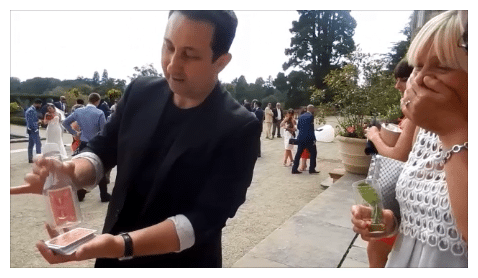
A strong, quick magic trick grabs attention and sets the tone for an entertaining performance.
Every performance needs a foundation: the magic itself.
You can have a wonderful personality, excellent comic timing and the conversational skills of a particularly charming politician, but if the magic isn't strong enough, the performance will struggle.
A good trick needs a clear effect. Something happens that the audience understands, finds surprising and cannot easily explain.
A playing card changes in an impossible way. A borrowed object appears somewhere unexpected. Someone thinks of something that the magician seems to know without being told.
The effect doesn't necessarily need to be complicated. In fact, simplicity can be incredibly powerful.
Imagine a spectator freely selecting a playing card, signing it and placing it back into the deck. After a little interaction, their signed card appears somewhere completely unexpected.
The audience doesn't need to understand the technical details to appreciate the impossibility of what they've just witnessed.
That is an important distinction. A magician might spend months perfecting the mechanics of a trick, but the audience experiences the result in a matter of seconds.
My job is to make those seconds count.
2. Make the Presentation as Strong as the Trick

Strong presentation, confident delivery and engaging showmanship turn a magic trick into an entertaining performance.
A magic trick and a magic performance are not quite the same thing.
The trick is what happens. The performance is how the audience experiences it.
Consider two magicians performing exactly the same effect. One silently demonstrates the method's apparent impossibility and moves on.
The other creates interest, involves the spectator, builds anticipation and delivers the revelation with excellent timing.
The technical effect might be identical, but the audience's experience can be completely different.
This is where presentation becomes essential.
A magician needs to decide how to introduce the effect, what to say, when to pause and how to make the outcome meaningful to the people watching.
That doesn't mean every trick needs a long story. Sometimes a short introduction and a well-timed line are more effective than several minutes of explanation.
The presentation should serve the magic rather than smother it.
I've spent years developing my own approach, combining powerful close-up magic with humour, interaction and strong showmanship. I want people to enjoy themselves as well as experience something impossible.
If you're interested in this side of the craft, my article on showmanship in magic explores why performance skills make such a difference.
3. Understand the Audience Before You Begin

Reading the audience helps a magician adapt his presentation, connect with guests and create an enjoyable experience.
A professional magician doesn't simply perform the same way for every person in every situation.
The audience matters.
A group of friends at a birthday party might respond differently from colleagues at a corporate reception.
Wedding guests may include people who love being involved and others who would prefer to watch from a comfortable distance.
A good performer recognises these differences.
Before starting, I pay attention to the atmosphere, the people in front of me and what is happening around them. Are they chatting comfortably? Are they interested in what's going on? Is this a good moment to approach them?
These observations help me decide how to begin and what sort of performance is likely to work.
There is no point launching into an elaborate routine when somebody is trying to have an important conversation or is clearly occupied with something else.
Likewise, an enthusiastic group may be delighted to get involved in something more interactive.
Reading an audience isn't about making grand psychological diagnoses. It's about paying attention to ordinary human behaviour and responding appropriately.
That is one of the benefits of experience. After years of performing for different audiences, you become better at recognising what works, when to adapt and when to leave people to enjoy themselves.
4. Build Anticipation Without Giving Everything Away

A well-timed pause and growing suspense make the final magical revelation even more memorable.
One of the most important parts of a great magic performance is anticipation.
If an effect happens before the audience has any reason to care about it, the reaction may be relatively small.
But when people understand what is at stake, even a simple moment can become much more powerful.
Imagine asking someone to choose a playing card.
If the card immediately changes, the effect might be surprising. But what if the spectator signs it first, loses it in the deck and becomes convinced that the card is impossible to locate?
Now there is a question to resolve.
Where has it gone?
The audience begins to anticipate the outcome. They follow the action, make predictions and wonder what will happen next.
The revelation has somewhere to go.
Timing is crucial here. A magician needs to allow enough time for anticipation to develop without dragging things out until the audience starts wondering whether the trick has been postponed indefinitely.
A pause can be extremely effective when it serves a purpose. A pause that lasts too long is simply a pause.
The objective is to create interest, maintain it and deliver the magical moment when the audience is ready to appreciate it.
5. Use Humour to Make the Experience Enjoyable
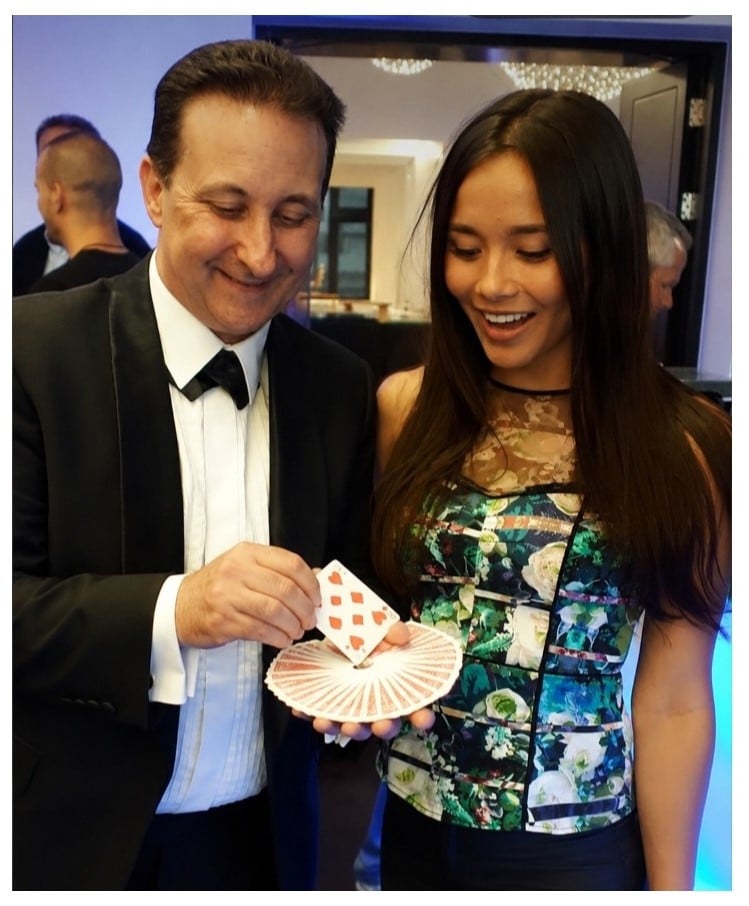
Andy Field combines clever magic with quick wit and playful interaction to keep audiences entertained.
I enjoy combining comedy with close-up magic because laughter can make a performance feel relaxed, personal and entertaining.
However, humour needs to suit the occasion and the audience.
A magician doesn't have to tell jokes every thirty seconds, and certainly doesn't need to behave as though somebody has accidentally switched on a permanent comedy alarm.
Sometimes a small observation, a playful comment or a spectator's unexpected reaction is enough.
The humour should come naturally from the interaction rather than being forced into every available gap.
It is also important to understand that the audience should be enjoying the experience, not worrying about becoming the punchline.
There is a difference between laughing with someone and making them feel uncomfortable in front of a group of strangers.
A good performer can create funny moments without embarrassing the people taking part.
At weddings, parties and corporate events, this matters enormously. Guests have come to enjoy themselves, and the entertainment should make that easier.
My aim is to combine strong magic with plenty of personality while keeping the experience comfortable for the people involved.
The magic provides the impossible moment. The humour helps make the performance enjoyable.
6. Use Misdirection to Shape the Experience
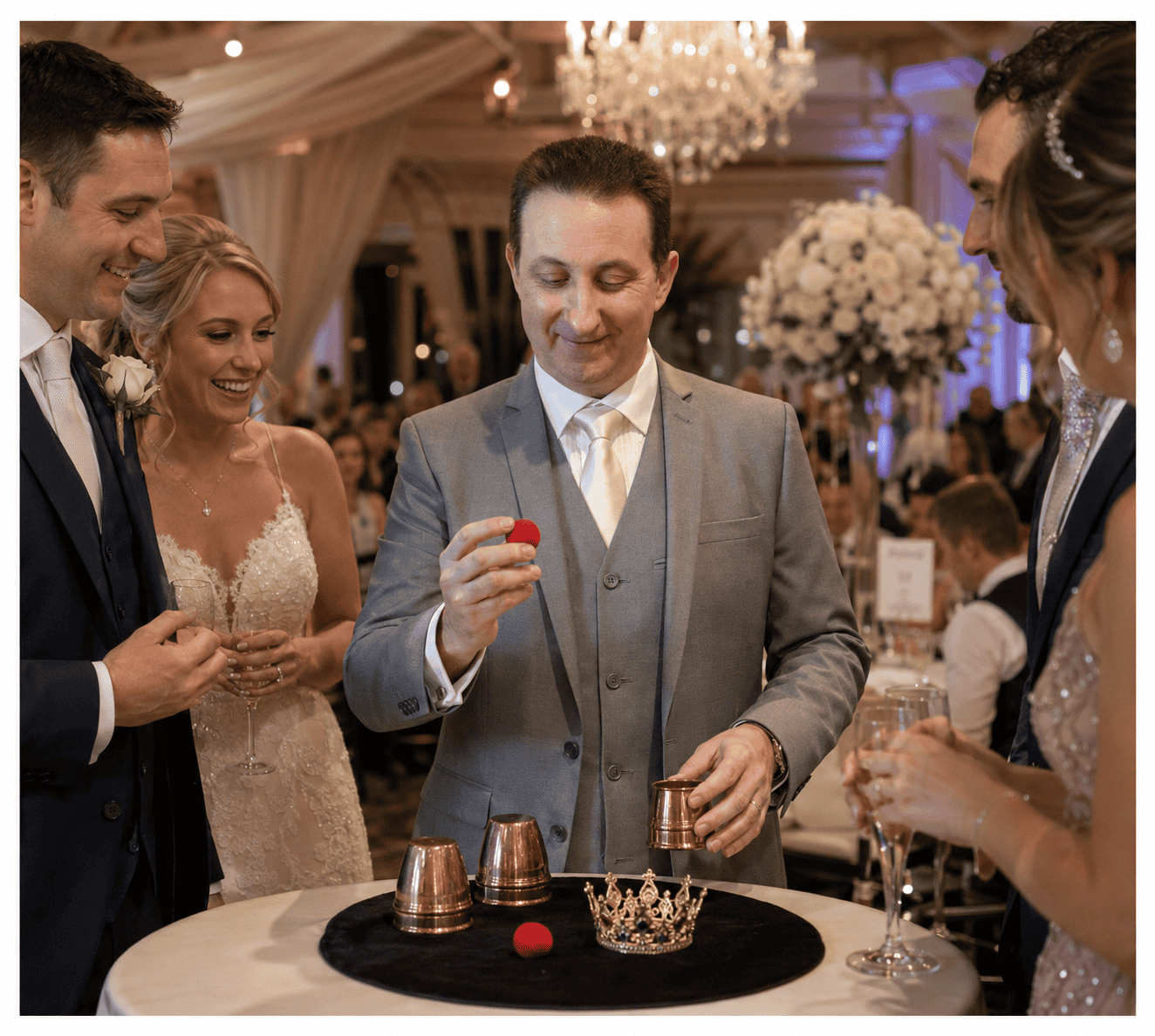
Skilled misdirection guides the audience's attention and helps create an astonishing magical moment.
Misdirection is an essential part of magic, but it is often misunderstood.
People sometimes imagine that a magician must constantly distract the audience by making them look in the wrong direction.
In reality, misdirection can be much more subtle.
A magician can guide attention through words, gestures, timing, movement and the audience's expectations.
Sometimes the spectator is looking directly at the important object but does not interpret what they see in the way the magician intends.
This is one reason magic can be so fascinating.
The audience may be concentrating carefully, trying to follow every movement, and still arrive at a completely incorrect understanding of what happened.
The aim isn't simply to move someone's eyes away from the action. It is to manage the experience so that the effect is understood in a particular way.
Of course, misdirection alone doesn't make a performance great. It needs to work alongside sound technique, presentation and timing.
A magician who understands these elements can create a much stronger experience than someone who relies on speed alone.
7. Give the Spectator a Genuine Role
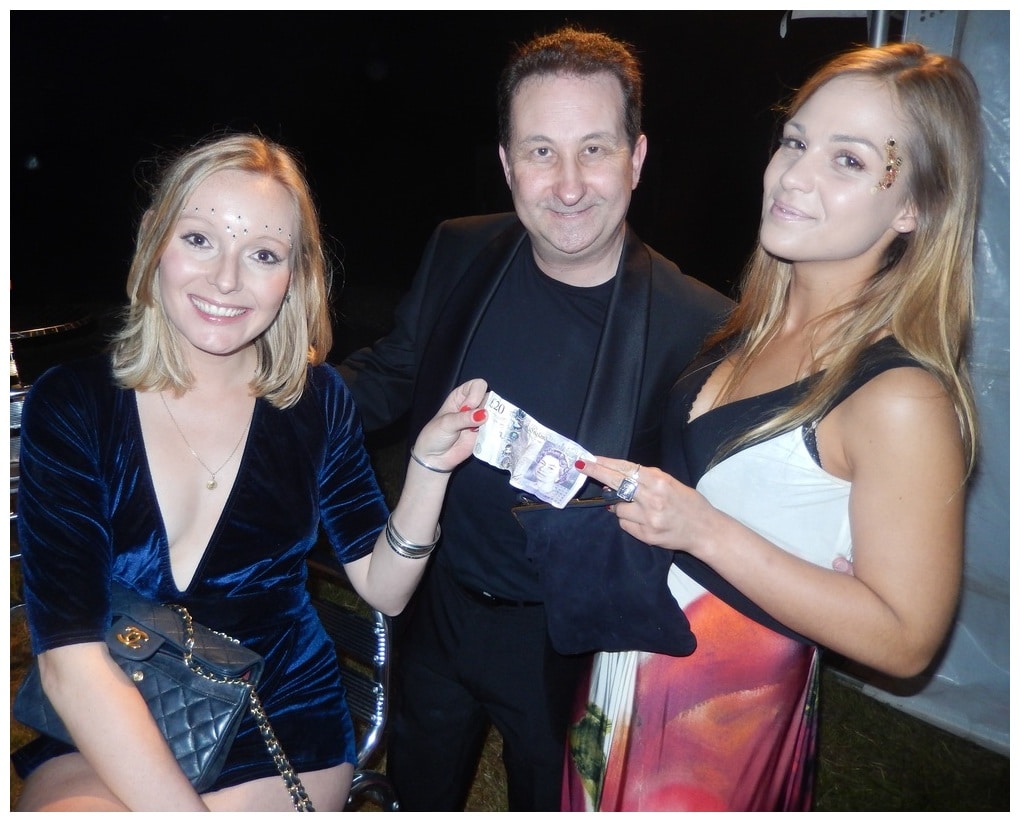
Involving a spectator makes the magic personal, interactive and even more memorable.
Close-up magic is particularly effective because spectators can experience the action at close quarters.
They may choose a card, hold an object, make a decision or help with an important part of the routine.
This creates a more personal experience than simply watching a performer demonstrate something from a distance.
But audience involvement needs to be handled thoughtfully.
Some people love participating. Others prefer to watch. Both can enjoy the same performance, provided the magician understands the difference.
I don't believe that every spectator needs to be pulled into the action or made to feel responsible for entertaining everybody else.
A good performer gives people opportunities to get involved without putting them under unnecessary pressure.
The spectator should feel included rather than examined.
When someone genuinely participates in a magical effect, the resulting experience can be especially memorable. They made the choice, held the object or followed the instructions, yet the outcome still seems impossible.
That personal connection is one of the reasons close-up magic works so well at social events.
8. Choose the Right Sequence of Effects
 A great performance needs structure.
Performing one good trick after another doesn't automatically create a satisfying experience. The order matters, as does the relationship between the effects.
A magician might begin with something quick and visual to establish interest. A second effect could involve more interaction, allowing the audience to become comfortable with the performer.
Later, a stronger or more surprising revelation can provide a memorable high point.
The exact sequence depends on the material, the audience and the circumstances.
There is no universal formula that works for every performance.
For a close-up magician working among guests, the structure may be relatively flexible. Each group is different, and the performer must be able to adapt.
At a wedding, for example, I might perform for a group during the drinks reception, move to another group and then return to an enthusiastic set of guests later. Understanding how to adapt my performance to different audiences is part of what I enjoy about performing in Coventry.
That requires a different approach from a formal stage performance in which everyone watches the same sequence from beginning to end. Every venue and audience brings its own character, which is one of the reasons I enjoy performing in Leicester and discovering how each event develops.
The underlying principle remains the same: each effect should have a purpose.
A strong sequence gives the performance direction rather than making it feel like a collection of unrelated demonstrations. Knowing when to build anticipation, when to introduce audience participation and when to deliver a powerful finish is just as important when performing in Leamington Spa as it is anywhere else.
At a wedding, for example, I might perform for a group during the drinks reception, move to another group and then return to an enthusiastic set of guests later.
9. Know When to Finish
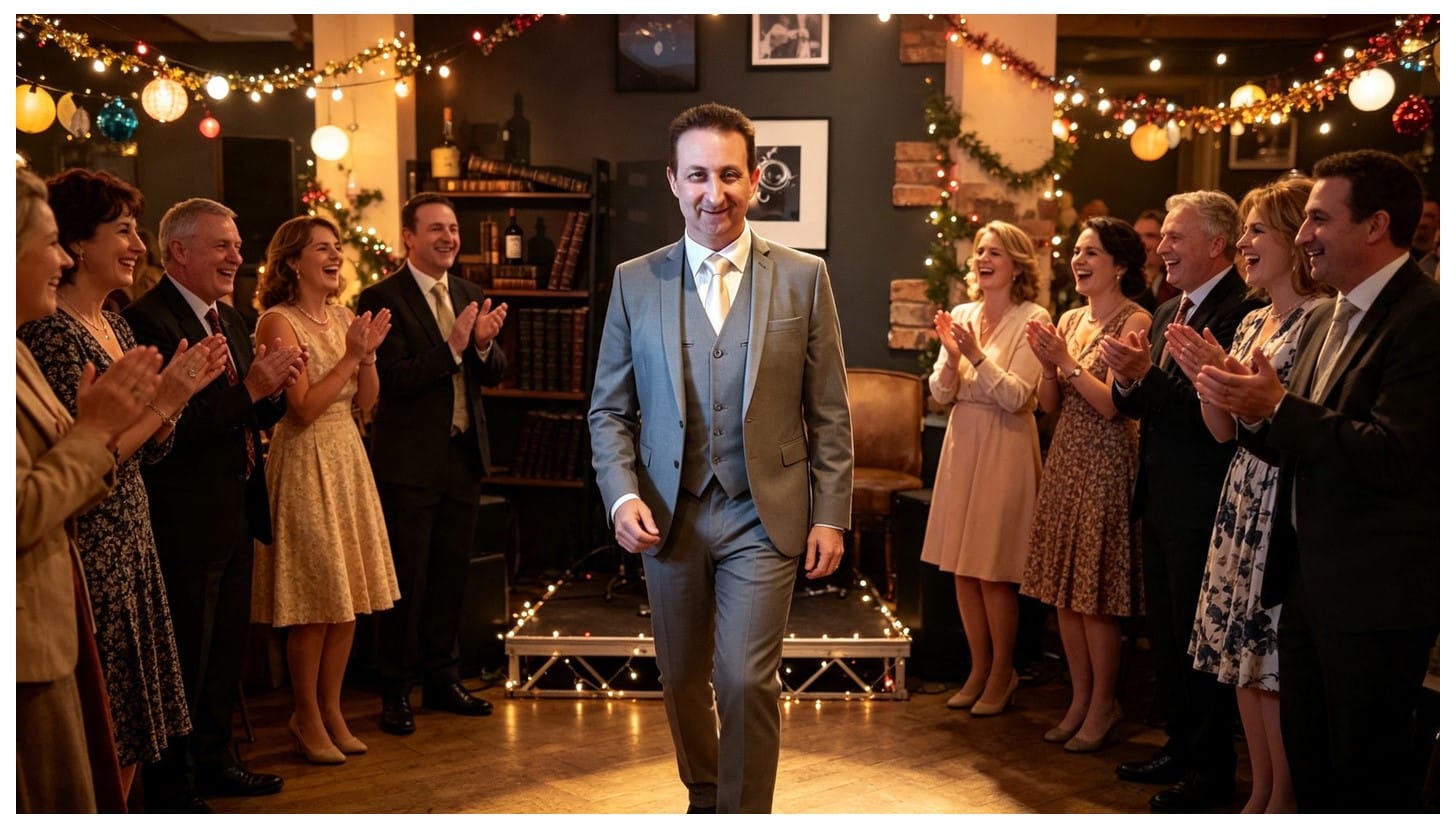 This is one of the most underrated skills in professional magic.
A magician who can perform ten tricks doesn't necessarily need to perform all ten for the same group.
Sometimes the strongest approach is to deliver two or three excellent effects, leave the audience wanting more and move on.
The temptation to keep going can be understandable. The spectators are enjoying themselves, the magician has more material and there is always another trick available.
But a performance needs to respect the occasion.
At a wedding, guests may want to return to their conversations, meet family members or enjoy the next part of the celebration. At a corporate event, someone may need to speak to a colleague or prepare for a presentation.
The magician must recognise those moments.
Leaving at the right time is part of good entertainment.
It also helps maintain the quality of the experience. Rather than stretching a successful interaction until it loses momentum, the magician can finish on a strong moment and move to another group.
The audience remembers an enjoyable encounter rather than an entertainer who doesn't seem to know when to stop.
10. Adapt the Performance to the Event

A professional magician adapts his material, timing and presentation to suit the audience and atmosphere of each event.
A professional performance is built around the people and circumstances involved.
A wedding, private party and corporate function may all benefit from close-up magic, but they are not identical environments.
At a wedding, the magician needs to work around photographs, drinks, meals and the natural flow of the day.
At a birthday party, the atmosphere may be more informal, with groups forming and separating throughout the evening.
At a corporate event, the entertainment might need to fit around networking, speeches, dinner or a carefully planned schedule.
This is why experience matters.
The magician needs to be able to adjust the pace, the material and the way they approach people without compromising the quality of the performance.
There is also a practical consideration: entertainment should complement the event rather than compete with it.
Close-up magic is particularly flexible because it can happen among guests without requiring a stage or taking everybody away from the occasion.
If you are organising a wedding, party or business function, my guide to how a magician can benefit your event explains how the entertainment can contribute to the atmosphere and bring people together.
11. Practise Until the Performance Feels Natural
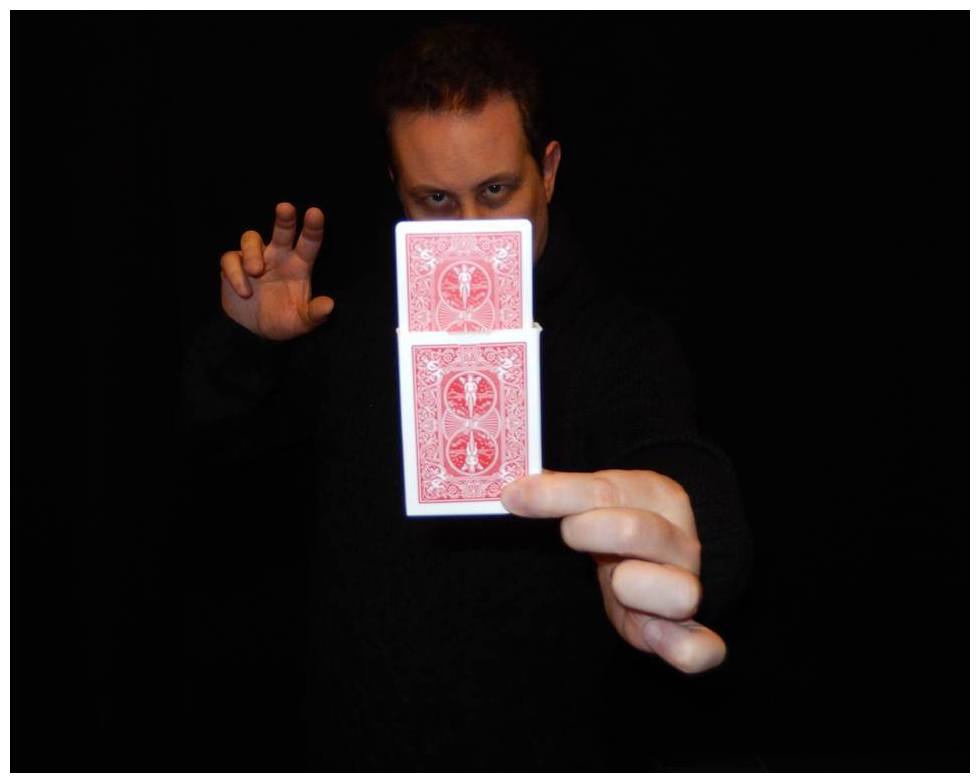
Consistent practice helps a magician refine his technique, improve his timing and deliver a natural, confident performance.
A great magic performance may look effortless, but that doesn't mean it requires little work.
Technical practice is essential. The magician needs to handle the props confidently, understand the mechanics of each effect and be prepared for small variations in the conditions.
But practice should extend beyond the secret moves.
Practice is one part of the bigger picture. In my guide to the Three Ps of Magic, I explore how the different elements of a magician's craft work together to create a stronger performance.
A performer also needs to rehearse the presentation, refine the timing and consider how the effect will look from different angles.
What happens if the spectator stands somewhere unexpected? What if the room is noisy? What if somebody asks a question at an awkward moment?
Live performance rarely follows a perfectly controlled script.
The aim is not to memorise every possible conversation. It is to become sufficiently comfortable with the material that the magician can concentrate on the audience rather than worrying about what comes next.
Over time, experience helps turn separate skills into one coherent performance.
The technique becomes more dependable, the presentation becomes more natural and the performer becomes better at adapting to what is happening in front of them.
That combination takes time to develop.
12. Create a Memorable Ending
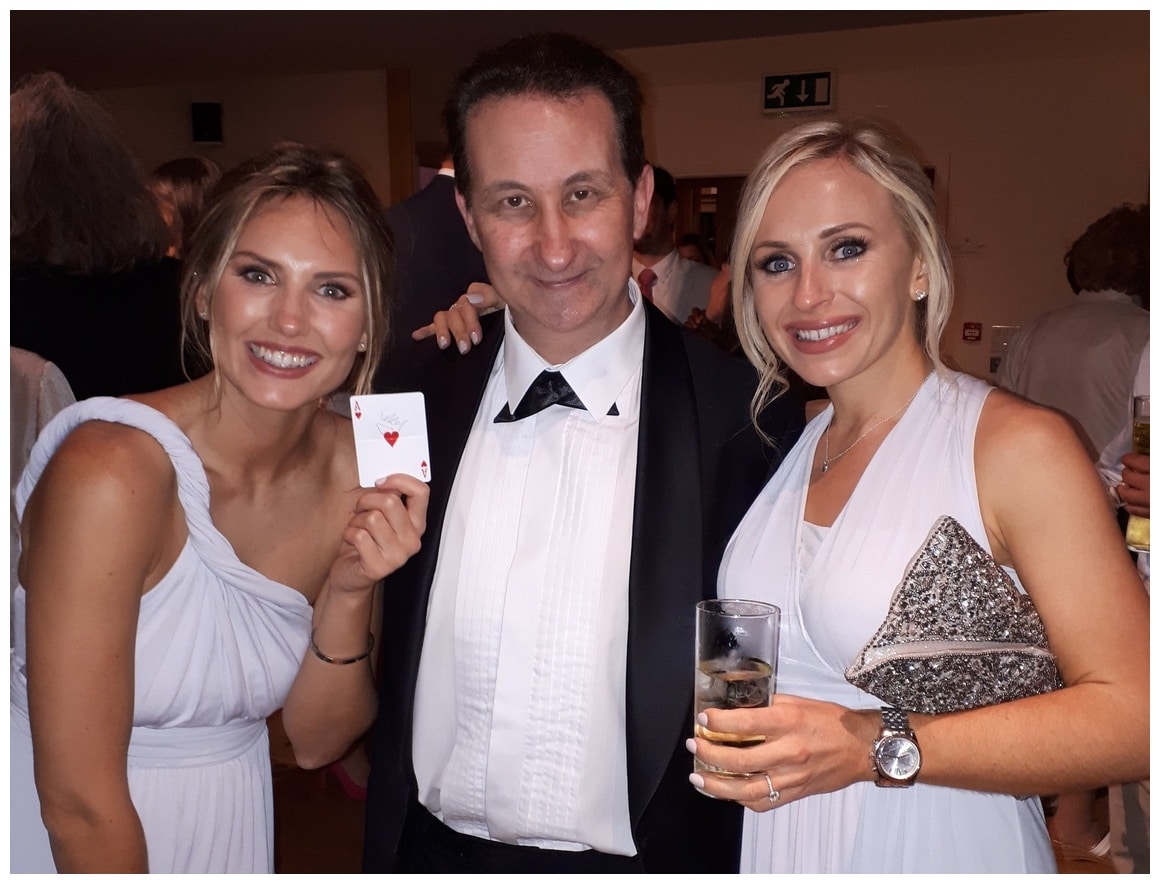
A powerful magical revelation leaves spectators amazed, smiling and talking about the experience long afterwards.
A strong ending gives the audience something to take away from the experience.
This doesn't mean every performance needs fireworks, dramatic music or a magician disappearing in a cloud of smoke.
In close-up magic, the most memorable ending might be a signed card appearing somewhere impossible, an object changing in the spectator's hands or a revelation that seems to defy everything they have just witnessed.
What matters is that the final effect feels satisfying and gives the audience a clear moment to react to.
The ending should also suit the performance that came before it.
If the magician has built anticipation gradually, the final revelation can provide a natural conclusion. If the performance has been light-hearted and conversational, the ending can preserve that tone while still delivering a powerful magical moment.
And once the moment has landed, the magician needs to let it breathe.
There is no need to explain everything, immediately launch into another trick or insist that everyone applaud.
Sometimes the best thing to do is smile, enjoy the reaction and allow the spectators to decide for themselves what they have just experienced.
That is often when the questions begin.
And I rather enjoy those questions.
Choosing a Magician Who Understands Performance
 If you are looking to hire a magician for your wedding, party or corporate event, it is worth looking beyond the tricks themselves.
Ask yourself a few questions.
Does the magician have experience performing for real audiences? Do they communicate naturally?
Can they adapt to different people and situations? Do their videos demonstrate an entertaining performance, rather than simply showing the secret or outcome of a trick?
Personality matters too.
A technically accomplished magician may be excellent at performing difficult sleight of hand, but your guests are booking an experience, not an examination of manual dexterity.
You want somebody who can combine the magic with presentation, interaction and an appropriate sense of humour.
It is also worth considering which style of magic suits your occasion. My guide to what type of magician should I hire? explains some of the differences and the questions worth considering before booking.
For those planning an event in the West Midlands or surrounding areas, you can find more information about my services as a magician in Coventry, a magician in Worcester, a magician in Cheltenham or a magician in Oxford.
Each location page provides information about my close-up magic for weddings, parties and corporate events.
Final Thoughts: The Trick Is Only the Beginning
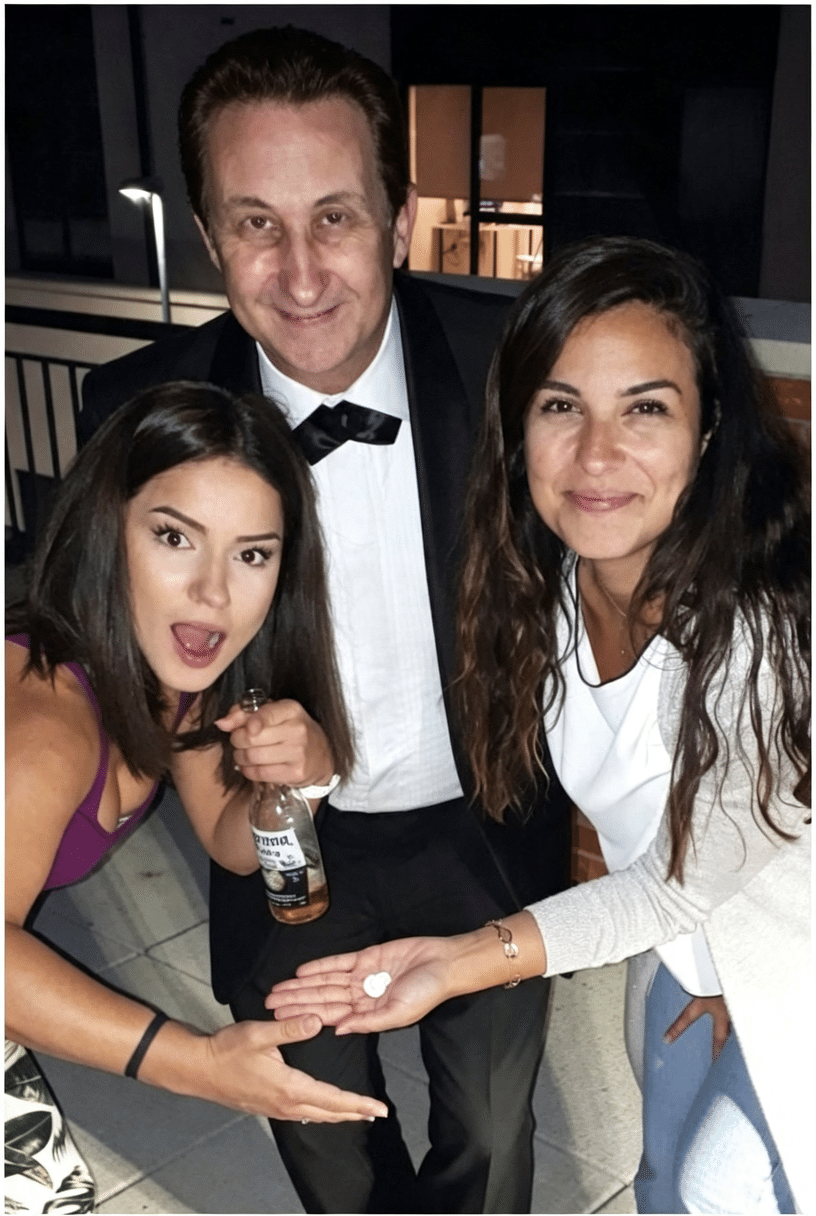 So, how do magicians build a great magic performance?
They begin with strong magic, then develop the presentation around it.
They learn to read an audience, create anticipation, use humour appropriately, manage attention and give spectators a genuine role in the experience.
They choose their material carefully, structure the performance, practise consistently and know when to finish.
Above all, they understand that the purpose of magic is not simply to demonstrate a secret technique.
It is to entertain people.
After more than 25 years of performing professionally, that remains the part I enjoy most.
I love creating a moment when people are genuinely surprised, look at each other in disbelief and start trying to work out what has just happened.
The mechanics of a trick may be hidden, but the audience's reaction is right there in front of you.
And when the magic, presentation, timing and personality all come together, something wonderful happens.
For a few moments, people experience something they cannot explain.
Then they laugh, talk about it and ask to see another one.
That, for me, is what makes a great magic performance.
Andy Field Magician Service Areas
I regularly provide close up magic for weddings, parties, corporate events and special occasions across the South West and surrounding areas. You can find out more about my magic services in the following locations:
- Bristol Magician
- Gloucester Magician
- Cheltenham Magician
- Swindon Magician
- Somerset Magician
- Magician Oxford
- Magician Bath
- Magician Worcester
- Magician Cotswolds
- Magician Coventry