Magic in the Spectator’s Hands

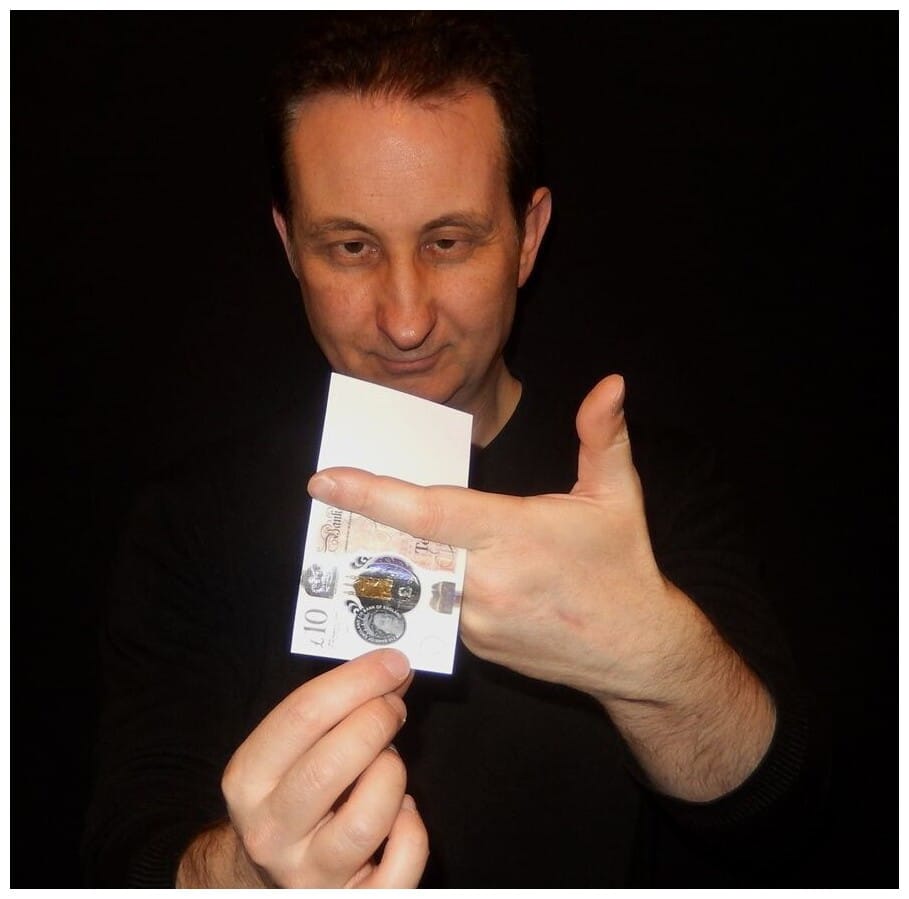
Andy Field is a professional magician with more than a quarter of a century of experience performing close up magic at weddings, parties, corporate events and private celebrations. He has performed at more than 1,000 weddings and is a two-time S.A.M.S. Champion of Close-Up Magic with more than 20,000,000 views on his YouTube and an array of Google reviews.
Magic Feels Different in Your Own Hands

Andy Field brings close-up magic, strong showmanship and plenty of humour to weddings, parties and corporate events.
I'm Andy Field, a professional close-up magician with more than a quarter of a century of experience entertaining people at weddings, parties, corporate events and private celebrations.
I've performed at more than 1,000 weddings, become a two-time S.A.M.S. Champion of Close-Up Magic, and worked as a magic consultant and hand double for the BBC series Hustle. My magic has also attracted more than 20 million views on YouTube.
Over the years, I've learned that some of the strongest reactions don't come from the biggest tricks or the most complicated techniques. They come from moments when a spectator is directly involved and something impossible happens with an object they are holding themselves.
A playing card changes in someone's hand. A borrowed coin vanishes. A signed card appears somewhere it absolutely shouldn't be. Or an object that was just examined turns out to have done something that makes no logical sense.
The spectator isn't simply watching a magician perform. They're part of the experience.
And that's what makes magic in the spectator's hands so fascinating.
You can watch a magician perform something impressive from several feet away. That's entertaining. But when you're holding the object, when you've made the choice, or when you've examined everything yourself, the experience becomes much more personal.
You know what you were holding. You know what you did. You know what you saw.
And yet, somehow, the impossible still happened.
What Does It Mean When Magic Happens in the Spectator's Hands?
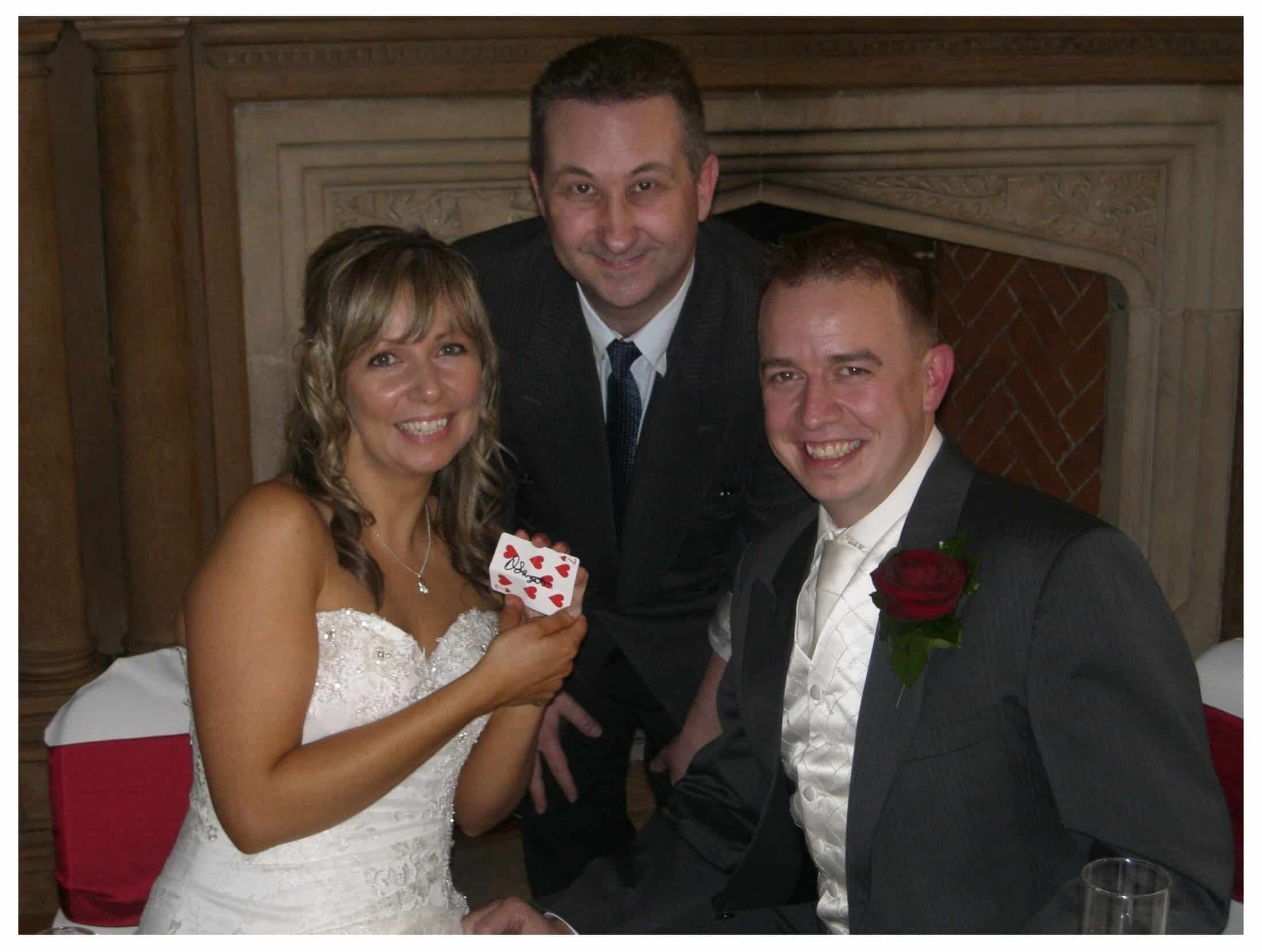
Magic becomes even more personal when spectators experience the impossible in their own hands.
Close-up magic often brings the audience much closer to the action than a traditional stage performance. The spectator might choose a card, hold a coin, examine an object or make a decision that becomes central to the effect.
Sometimes the magician barely needs any props at all.
The important thing isn't necessarily the object. It's the relationship between the spectator, the magician and what appears to happen.
Imagine that I ask you to choose a playing card. You remember it, return it to the deck and shuffle the cards. I don't need to tell you that your card is important. You already know it is.
Then, somehow, it appears somewhere impossible.
Now imagine that you were holding the card when the change happened, or that you were the person who discovered the final revelation.
That's a different experience from simply seeing a card revealed across a table.
Your participation becomes part of the memory.
This is one of the reasons close-up magic can work so well at social events. The magic happens among the guests, often just inches away, without requiring everyone to sit down and watch a formal show.
Why Personal Involvement Makes Magic So Memorable

When spectators become part of the magic, the experience feels more personal and memorable.
There's a difference between seeing something happen to somebody else and experiencing it yourself.
When you're involved in a magic trick, you have your own decisions, observations and expectations to remember. You may have shuffled the cards, held the object or chosen where something should go.
You feel as though you've played an active part in what happened.
That doesn't mean every trick involving a spectator is automatically stronger. The participation needs to have a purpose. Asking someone to hold an object simply because the magician needs an extra pair of hands doesn't necessarily make the magic more interesting.
The involvement should strengthen the effect.
If you choose a card, that choice should matter. If you sign an object, the signature should become important. If you hold something in your closed hand, the fact that you're holding it should make the final result more astonishing.
The spectator should be able to explain their part in the experience afterwards.
“I chose the card myself.”
“I was holding the coin.”
“He never took the ring out of my hand.”
Those details help turn a trick into a personal experience.
The Psychology Behind Magic in Your Hands
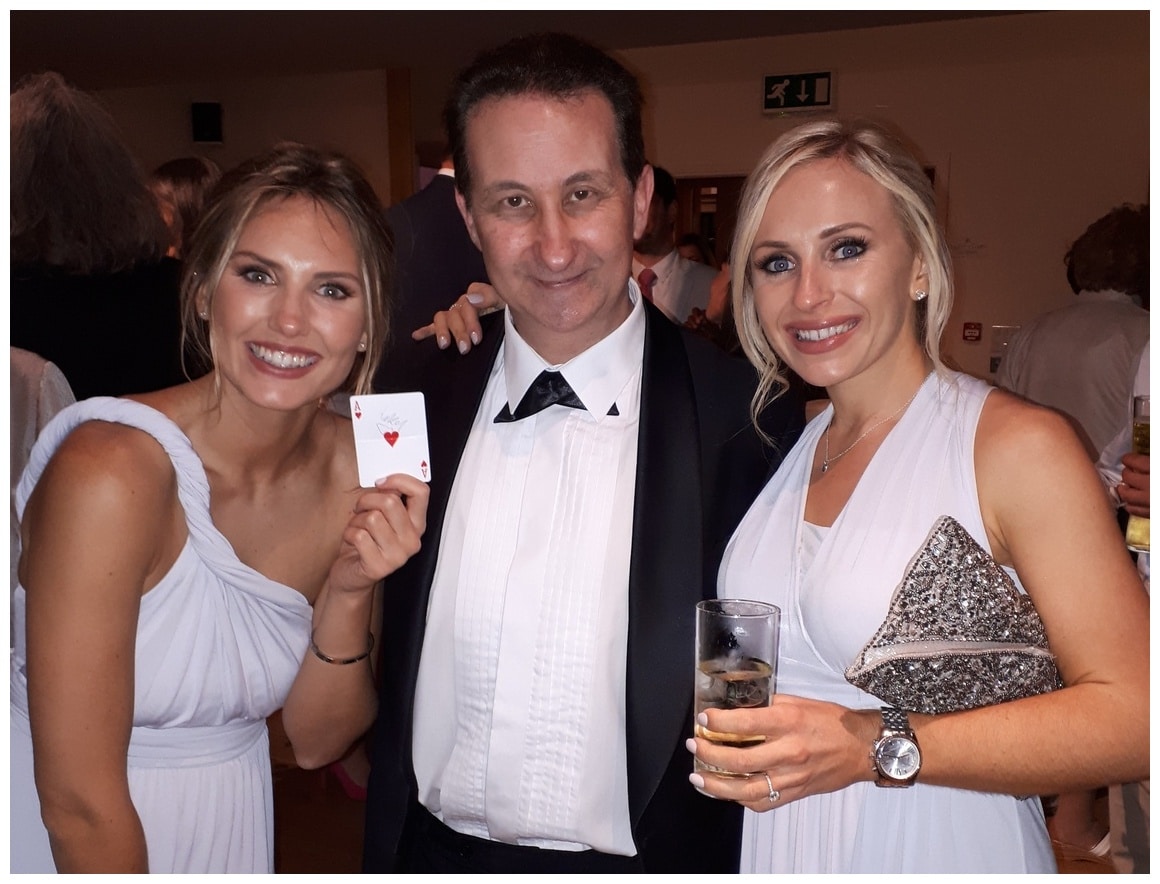 One of the most interesting things about magic is that the audience's experience isn't determined solely by what physically happens.
It's also shaped by what people expect, notice and remember.
Suppose I place a coin in your hand and ask you to close your fingers around it. You have a perfectly reasonable expectation that the coin is still there.
Why wouldn't you?
You felt the coin. You closed your hand. You know what should be inside it.
Then I ask you to open your fingers.
The coin has vanished.
The surprise comes from the difference between what you expected and what you discovered. The conditions seemed straightforward, but the result contradicts your understanding of what just happened.
This is where psychology in magic becomes so important.
Magicians work with normal human behaviour: attention, expectation, memory, choice and perception. None of this means spectators are foolish. These are the same mental processes people rely on every day.
The magician's task is to create an experience that seems clear at the time, yet becomes difficult to explain afterwards.
And when the object has been in your own hands, finding an explanation can be even harder.
Misdirection: You Can Watch Everything and Still Miss the Secret

Misdirection guides attention and helps keep the secret behind the magic hidden in plain sight.
People sometimes imagine misdirection as a magician waving one hand around while secretly doing something with the other.
It can be more subtle than that.
Misdirection involves influencing what people notice and what they consider important.
A question, a natural gesture, a moment of eye contact or a change in the rhythm of a routine can affect where attention goes.
You might be watching the magician's hands closely and still fail to recognise the secret action.
The aim isn't to make the magical effect confusing. It's to keep the method hidden while allowing the audience to understand what apparently happened.
That's an important distinction.
In my guide to misdirection in magic, I explore how attention and expectation can shape what a spectator experiences.
When magic happens in your own hands, misdirection becomes particularly interesting. You're not necessarily watching from a distance. You may be directly involved, following the instructions and believing that you know exactly what's happening.
Then the result contradicts everything you thought you understood.
You were there. You were paying attention. You were involved.
So how did it happen?
That's the question good close-up magic leaves behind.
Clear Magic, Impossible Results
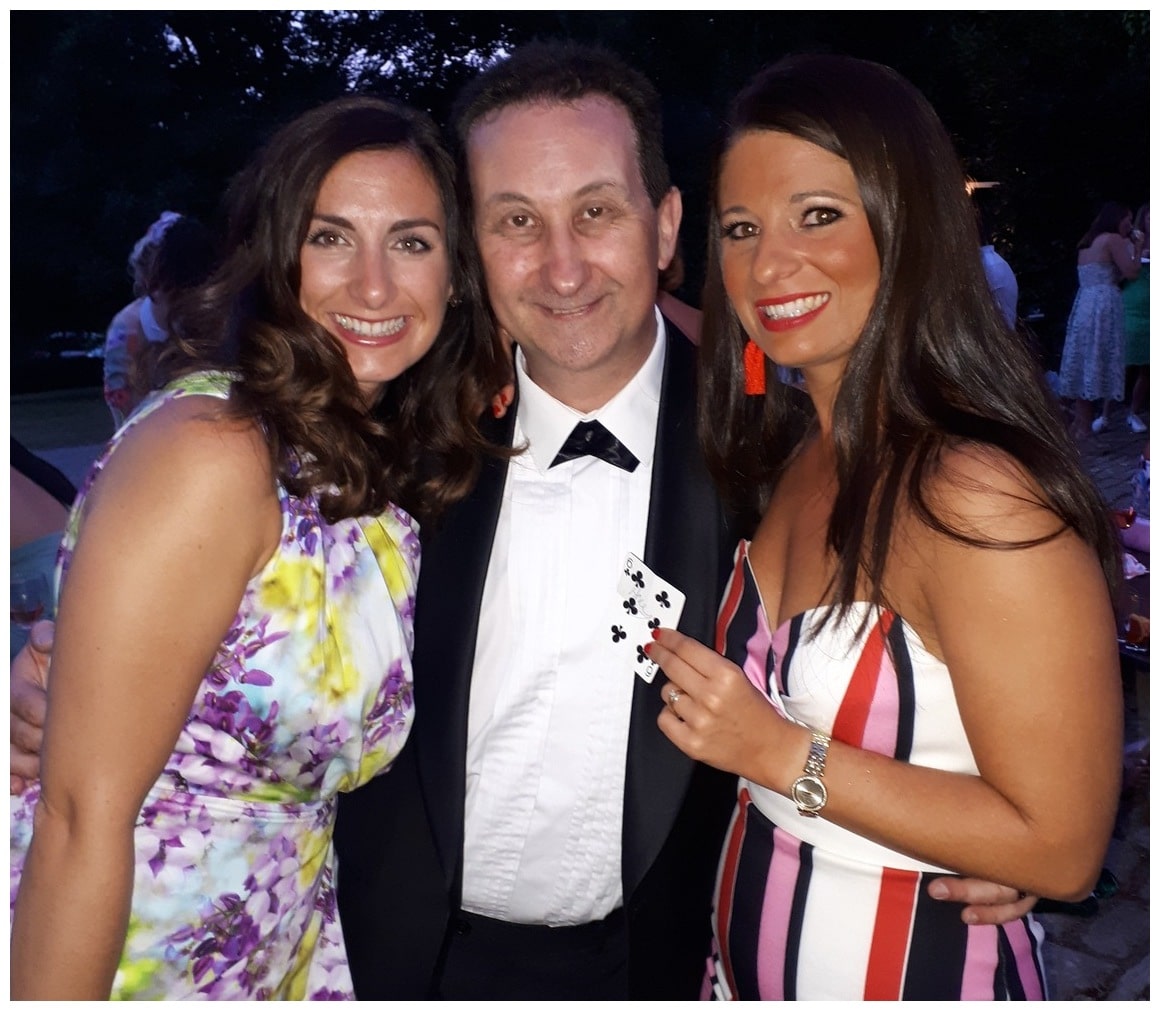
The best magic is easy to understand, leaving spectators amazed by an impossible result they cannot explain.
A spectator needs to understand what happened before they can fully appreciate how impossible it seems.
If someone is holding a coin, they should understand that the coin was there. If they've signed a card, they should recognise their signature. If they've made a choice, they should know which choice they made.
The magician doesn't need to explain the secret. But the effect itself should be clear.
There is a difference between mystery and confusion.
Mystery makes you think, “I know what happened, but I cannot explain how.”
Confusion makes you think, “I'm not entirely sure what happened.”
The first is what we're after.
That's why clarity when presenting magic matters so much. The audience should understand the conditions and recognise the impossible result without having to untangle a complicated sequence of instructions.
The simpler the effect is to understand, the more striking the contradiction can become.
If you know the card was in your hand, and then it changes, you don't need a long explanation of why that is remarkable.
You already know.
The Role of Showmanship

Strong showmanship, natural humour and perfect timing turn a magic trick into an entertaining experience.
Technical skill is essential to many forms of close-up magic, but technique alone doesn't guarantee an entertaining performance.
The magician also needs to understand timing, communication, humour, audience management and when to let a moment breathe.
Imagine a spectator opens their hand and discovers that the object has vanished. There's a moment of disbelief. Perhaps they laugh, stare at their palm or immediately demand to know what happened.
A good performer gives them time to react.
They don't rush into the next trick before the moment has registered. They don't need to announce that the result was amazing. The spectator has already reached that conclusion.
This is where showmanship in magic makes a difference. It helps turn a technically successful trick into an enjoyable experience.
My own style combines close-up magic, strong showmanship and plenty of humour. I want people to enjoy themselves, not feel as though they've been dragged into a lecture about secret techniques.
The magic should fit the occasion, the group and the people involved.
Sometimes that means building anticipation. Sometimes it means making people laugh. And sometimes the best thing to do is let the impossible result speak for itself.
Why Spectator Participation Needs to Feel Natural
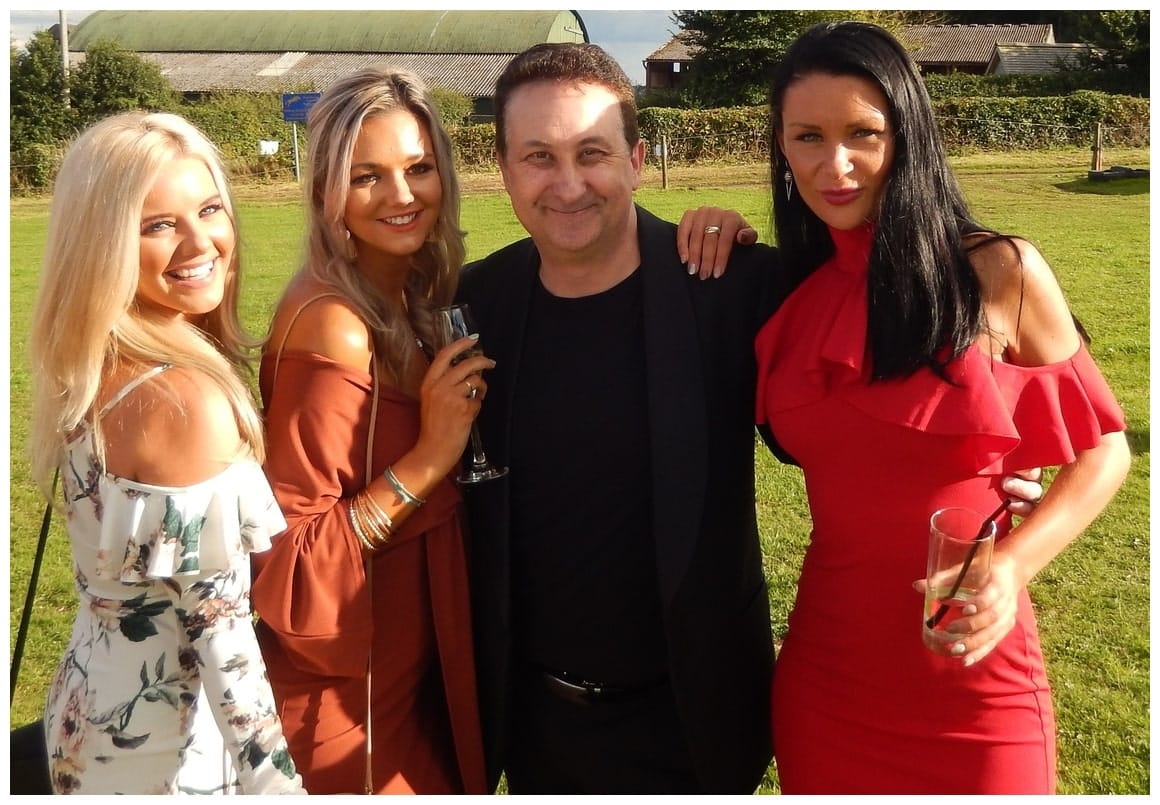
A natural, relaxed approach helps guests feel comfortable and enjoy the magic without feeling pressured to participate.
The best spectator involvement doesn't feel like a series of jobs handed out by the magician.
It feels like a natural part of the experience.
A spectator might choose a card because the choice is important.
They might hold an object because the fact that it remains in their possession strengthens the effect. They might make a decision that becomes the focus of a prediction.
Each action has a reason.
This is particularly important when performing for adults at weddings, private parties and corporate events.
People have come to enjoy the occasion. They shouldn't feel embarrassed, pressured or made to look foolish in front of their friends or colleagues.
A professional magician should make participation comfortable.
Not everybody wants to be the centre of attention, and that's fine. Some people love getting involved; others would rather watch their friends experience the magic.
The performance needs to accommodate both.
The objective isn't to force everyone to participate. It's to create moments that people can enjoy, whether they're holding the object themselves or watching the reaction of somebody standing beside them.
Magic in the Spectator's Hands at Weddings
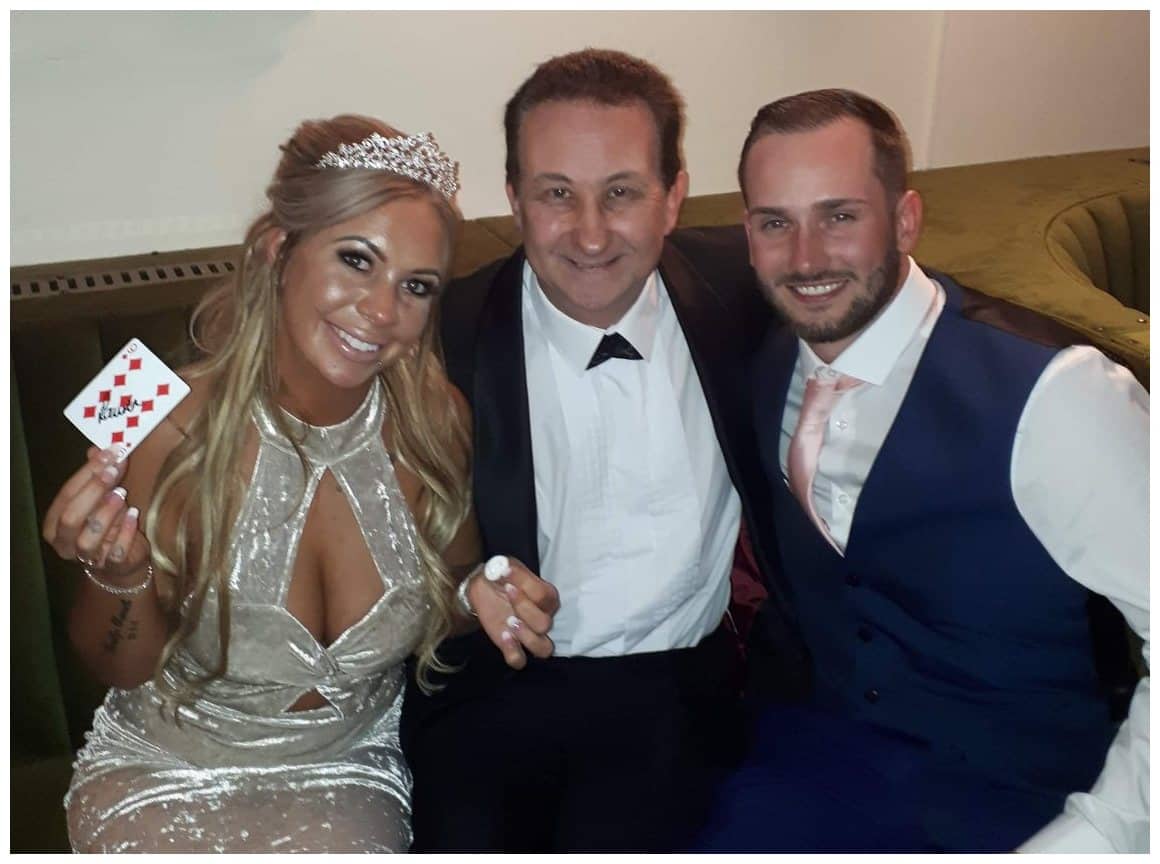
Interactive close-up magic gives wedding guests a personal experience to share, laugh about and remember.
Weddings are particularly well suited to close-up magic because guests naturally gather in small groups throughout the day.
There may be a drinks reception while photographs are taken, a period before the wedding breakfast or time when guests are chatting between different parts of the celebration.
A close-up magician can move among those groups, performing directly for the guests without requiring everyone to stop what they're doing.
The personal nature of the magic is part of its appeal. One guest might find themselves holding a playing card that appears to change. Another might lend an object that becomes part of an impossible moment. Nearby guests can watch, laugh and compare their reactions.
For couples planning their entertainment, my pages about being a magician in Bristol and a magician in Coventry provide more information about my close-up magic for events in those areas.
The principle is the same wherever the wedding takes place: the entertainment should complement the celebration rather than take it over.
Bringing Close-Up Magic to Parties and Corporate Events
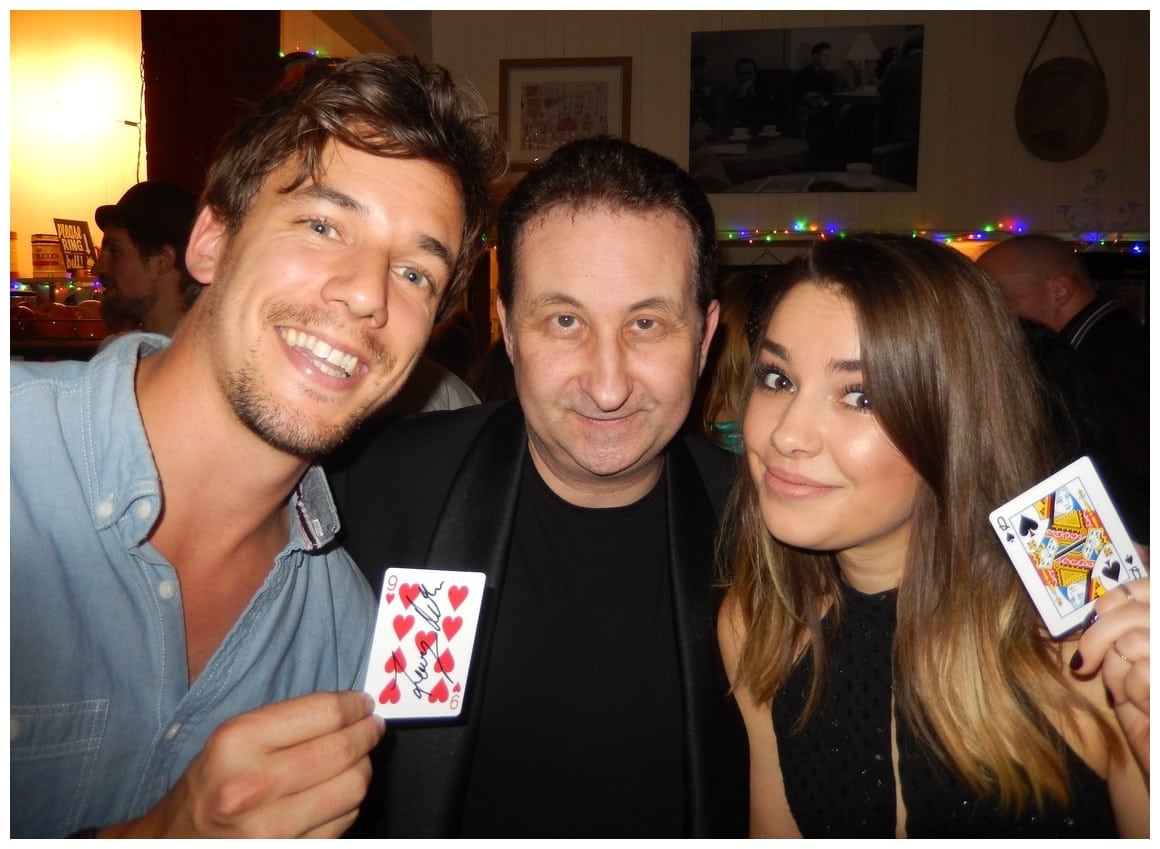
Interactive close-up magic brings laughter, surprise and memorable moments to private parties and celebrations.
At a private party, magic can give guests something unexpected to share. People who have only just met may suddenly find themselves comparing what happened when they held an object or chose a card.
At a corporate event, the same interaction can help create conversation without requiring a formal presentation.
The magic gives people a shared experience, and the humour can help everyone feel at ease.
I perform at events across several towns and cities, adapting the presentation to the setting and the people involved.
If you're organising an occasion in Oxford or Bath, you can find more information on my local magician pages.
I also provide close-up magic for events in Swindon, Cheltenham and Worcester.
Whatever the location, I want the magic to feel personal, entertaining and appropriate to the occasion. The aim isn't to make the event revolve around me. It's to add something memorable to the experience the guests are already enjoying.
The Trick Is Only Part of the Experience
 A magician can spend years developing the technical skills needed to perform a particular effect. But the audience doesn't see the practice sessions, the failed attempts or the work that went into making the secret action look natural.
They experience the finished moment.
They remember the card in their hand, the coin that vanished or the object that appeared somewhere impossible.
They remember the laughter, the surprise and the conversation afterwards.
That is why the technical method and the performance need to work together.
The trick creates the possibility of the impossible. Psychology shapes the spectator's expectations. Misdirection helps conceal the method. Clarity makes the effect understandable. Showmanship brings the whole experience to life.
When those elements come together, even a small object can create a remarkable moment.
You don't need a huge stage, a dramatic soundtrack or a complicated piece of machinery. Sometimes all you need is a spectator, an ordinary object and something that apparently shouldn't be possible.
Why People Remember Magic They Experience Themselves
When spectators experience the impossible themselves, the surprise and laughter can stay with them long after the trick ends.
Think about the difference between hearing that something amazing happened to somebody else and being the person it happened to.
When you participate, you have your own version of events. You remember the choice you made, the object you held and the moment when the result became clear.
You can tell somebody else what happened because you were there.
And yet, the explanation remains frustratingly out of reach.
That's the appeal of magic in the spectator's hands. It brings the impossible close enough to touch, while leaving the secret just as elusive as ever.
For me, that's what close-up magic is all about. Not simply demonstrating that I can perform a trick, but creating an experience that makes people laugh, think, react and talk about what they've just witnessed.
Because the best magic isn't always the trick you watch.
Sometimes it's the thing that happens in your own hands.
And if you can look at the object, remember exactly what happened and still have absolutely no idea how it was possible, then the magician has done the job properly.
Andy Field Magician Service Areas
I regularly provide close up magic for weddings, parties, corporate events and special occasions across the South West and surrounding areas. You can find out more about my magic services in the following locations:
- Bristol Magician
- Gloucester Magician
- Cheltenham Magician
- Swindon Magician
- Somerset Magician
- Magician Oxford
- Magician Bath
- Magician Worcester
- Magician Cotswolds