Why the Best Magic Happens When You Least Expect It

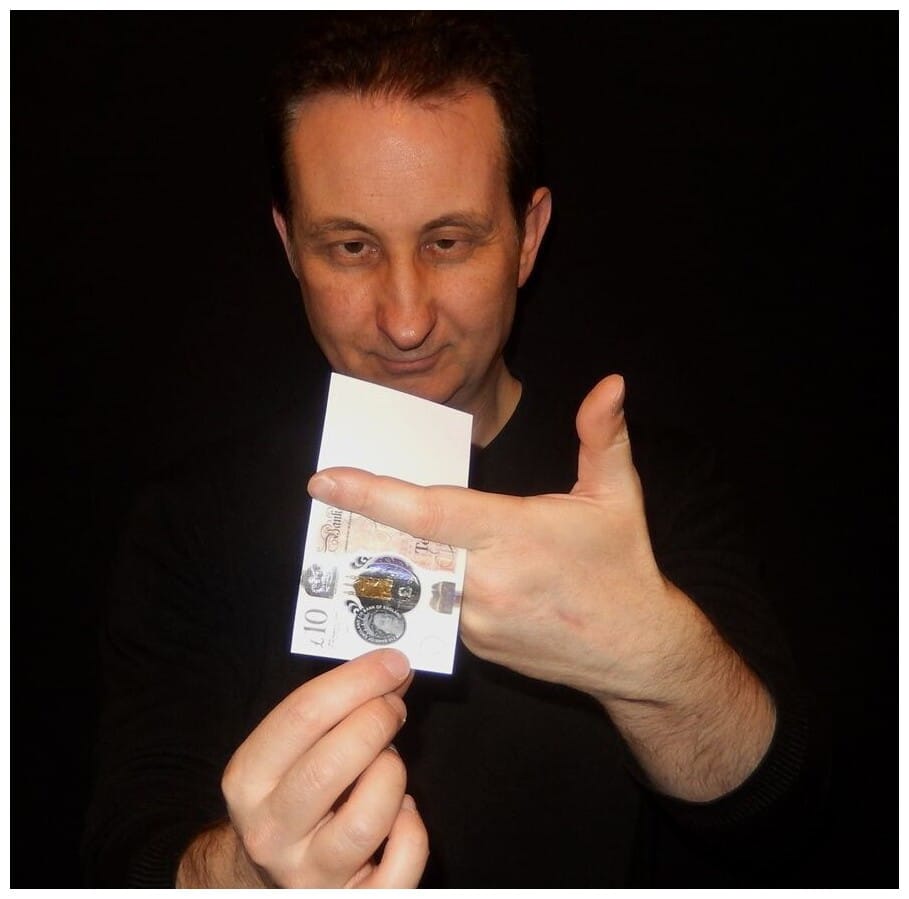
Andy Field is a professional magician with more than a quarter of a century of experience performing close up magic at weddings, parties, corporate events and private celebrations. He has performed at more than 1,000 weddings and is a two-time S.A.M.S. Champion of Close-Up Magic with more than 20,000,000 views on his YouTube and an array of Google reviews.
The Best Magic When You Least Expect It
There is a particular moment in magic that I have always loved. It is the instant when somebody realises that what they thought was impossible has just happened right in front of them. Sometimes the best magic happens when you least expect it.
One second, they are laughing, chatting or keeping a casual eye on a playing card. The next, they are staring at their own hands, looking at their friends and trying to work out where everything went wrong.
And the best part? They usually have absolutely no idea.
After more than 25 years as a professional magician, performing at over 1,000 weddings and countless parties and corporate events, I have learnt something important. The most memorable magic is not necessarily the trick people expect to see. It is the moment they never saw coming.
I am a two-time S.A.M.S. Champion of Close-Up Magic, and my magical expertise has also been used by the BBC television drama Hustle, where I worked as a magic consultant and hand double.
My performances take me to weddings, parties and corporate events across the region. If you're planning an event in the city, you can find out more about my close-up magic in Bristol.
My performances combine sleight of hand, psychology, timing, misdirection and showmanship, but there is one ingredient that makes all these things work together.
Surprise.
Not simply the surprise of seeing something clever, but that wonderful feeling when reality appears to have broken its own rules.
So why does unexpected magic have such a powerful effect on people? Why can an ordinary playing card create a reaction that lasts long after the trick has finished? And why, after all these years, do I still enjoy watching somebody's face when they realise what has happened?
Let's take a closer look.
The Element of Surprise: Why We Love the Unexpected
Most of us like to think we understand the world around us.
We know that playing cards do not change places in the blink of an eye. Coins do not disappear from closed hands.
Signed cards do not mysteriously find their way inside solid objects.
We understand how everyday things are supposed to behave. That familiarity helps us make sense of the world without having to question every little thing.
Magic takes those comfortable expectations and turns them upside down.
Imagine I borrow a playing card from somebody, ask them to sign it and place it somewhere they can keep an eye on it. They know the card is theirs. They have watched what I am doing. They may even decide to keep their other hand close by, just in case I try something.
Then, in a moment, the card disappears.
A second later, it is found somewhere nobody could reasonably expect it to be.
That is where the fun begins.
The spectator is not simply looking at a playing card. They are trying to reconcile what they have just witnessed with what they believe should be possible.
Their first reaction might be laughter. It might be disbelief. Sometimes they simply stare at the object in question as though it has personally let them down.
I have seen plenty of different reactions over the years, and no two audiences are exactly alike.
But the underlying principle remains the same. We establish an expectation, allow the spectator to become comfortable with it, and then deliver something that challenges it.
The unexpected moment becomes memorable because it interrupts the ordinary flow of events.
And that is one reason I believe the best magic happens when you least expect it.
Why Timing Can Be More Important Than the Trick Itself
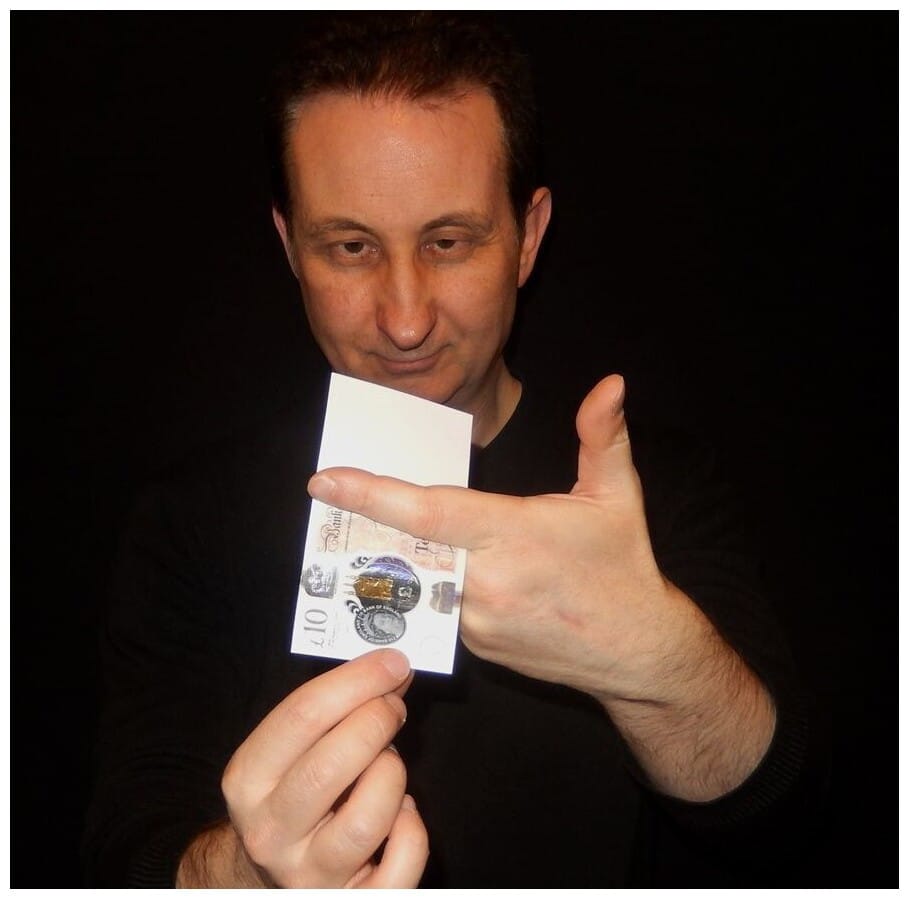
A close-up magic performance demonstrating how timing, misdirection and audience reactions can make a trick more astonishing.
You can know an excellent magic trick and still deliver a disappointing performance.
That might sound a little harsh, but it is true.
A trick does not perform itself. Somebody has to present it, control the pace, engage the audience and decide when the important moment should happen.
Timing is a huge part of that process.
Imagine a magician announces that something extraordinary is about to happen. They pause dramatically, stare intensely at a playing card and tell everybody to prepare themselves.
The audience knows something is coming. They are waiting for it.
That approach can work, and anticipation certainly has its place in magic. However, it is not the only way to create a strong reaction.
Now imagine a different situation.
I am chatting to a group of guests, making a joke and performing a little magic without making a huge fuss about what is about to happen. The atmosphere is relaxed. People are enjoying themselves.
Then something impossible occurs.
The contrast between the ordinary conversation and the extraordinary moment can make the effect even stronger.
The guests were not sitting there waiting for a big revelation. They were simply enjoying the interaction, and suddenly they have something they cannot explain.
That is the sort of timing I love.
It is not about rushing through a trick or trying to catch people out as quickly as possible. It is about understanding the rhythm of a performance and knowing when a moment will have the greatest impact.
Sometimes a pause is essential. Sometimes a quick, unexpected revelation works beautifully. Sometimes the best thing a magician can do is carry on talking as though absolutely nothing unusual has happened.
Of course, that last option can be particularly entertaining when everybody else is looking at you as if you have just escaped from a laboratory.
Good timing gives an effect room to breathe. It allows the audience to experience the moment rather than simply watch it happen.
Whether I am performing at a private party or working as a magician in Gloucester, the timing has to suit the people in front of me. There is no universal pause, joke or dramatic reveal that works equally well for every audience.
The Psychology Behind an Impossible Moment
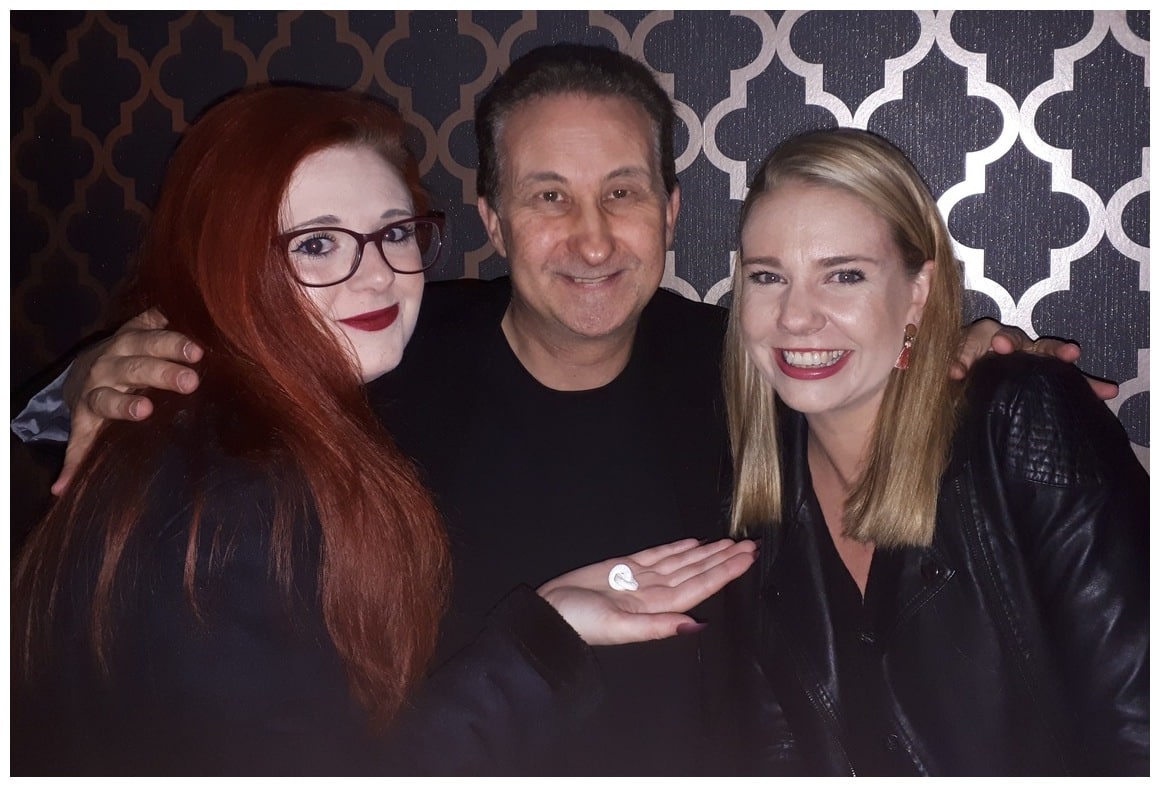
How psychology, attention and misdirection help a close-up magician create a moment that seems impossible to explain.
One of the fascinating things about magic is that it involves much more than the physical handling of objects.
A magician is also working with attention, assumptions, expectations and the way people interpret what they see.
That does not mean spectators are foolish or easily fooled. Far from it. Human attention is remarkably capable, but it is not designed to process every detail of every situation simultaneously.
We concentrate on what seems important. We make assumptions based on experience. We interpret events in a way that usually helps us understand what is happening.
Magic takes advantage of those ordinary mental processes.
Suppose I ask somebody to choose a playing card. They remember it, return it to the deck and watch carefully as I shuffle the cards.
Their attention may be focused on the deck, my hands or the card they selected. They may be trying to detect a secret move, anticipate what I will do next or work out how the trick is supposed to finish.
Meanwhile, the actual method may depend on something they have not considered at all.
The interesting part is not simply that they missed a detail. It is that their attention and expectations helped shape how they experienced the entire performance.
This is one reason I find the psychology of magic so interesting. It explores how perception, expectation and attention contribute to the experience of an impossible event.
The secret of a magic trick might involve skilled technique, a carefully structured routine or a clever principle. But the experience depends on much more than the method alone.
The audience needs a reason to care about what happens.
They need to understand what is at stake, follow the situation and feel that the outcome matters.
When those elements come together, the final revelation can feel genuinely astonishing.
And no, I am not going to explain all my secrets here. I have managed to keep a few things to myself after 25 years!
Why Misdirection Is About More Than Looking the Other Way
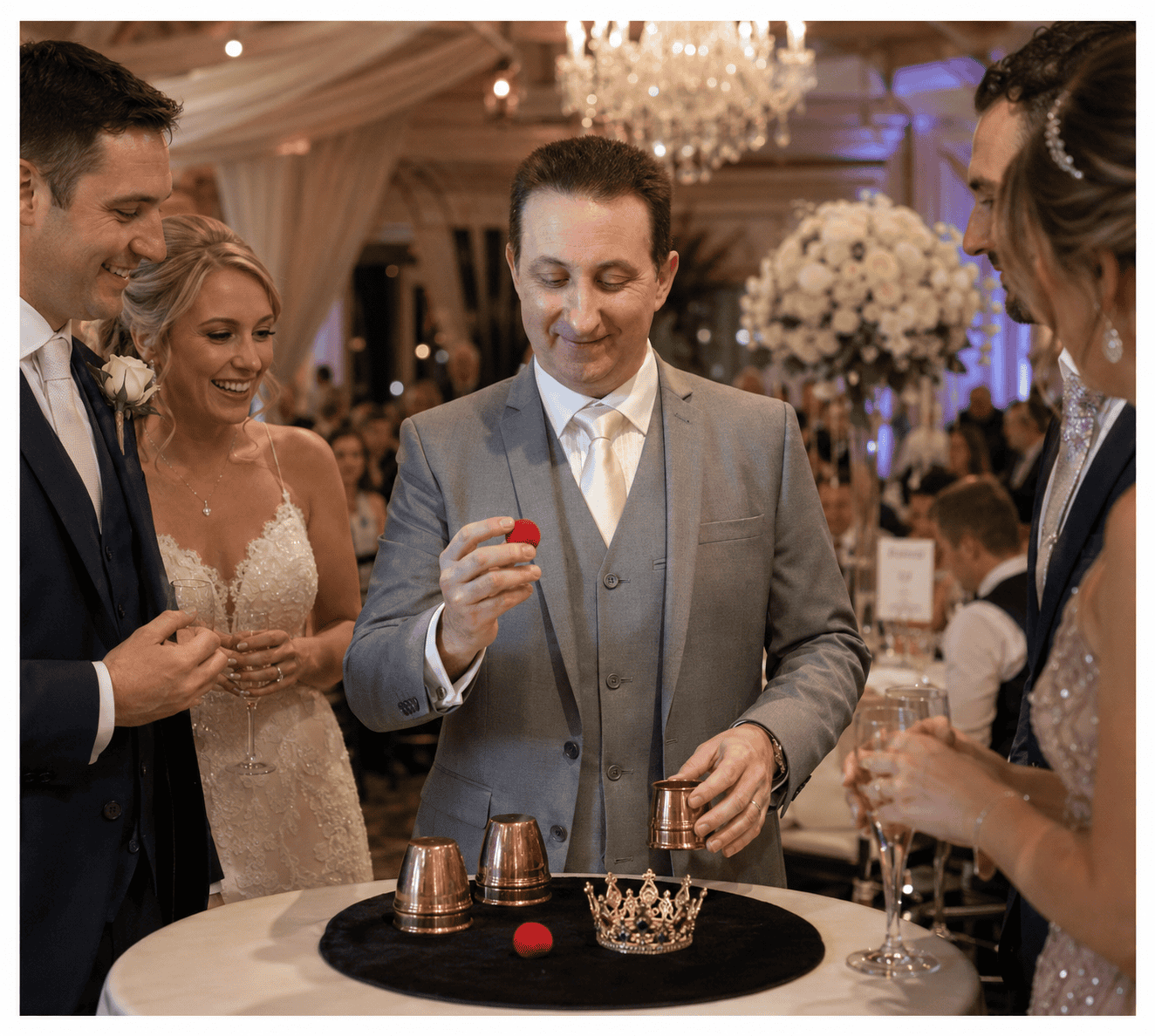
Close-up magic relies on psychology, attention, body language and timing to shape what spectators notice and how they interpret what happens.
People often imagine misdirection as a magician waving one hand around while secretly doing something sneaky with the other.
That can be part of it, but it is a very limited understanding of the subject.
Misdirection is not simply about making somebody look in the wrong direction. It is about influencing how they experience a performance.
That can involve where they look, what they think is important, what they expect to happen and how they interpret the events unfolding in front of them.
A magician can use conversation, humour, body language, timing and the structure of a routine to guide the audience's attention.
Sometimes the most effective approach is not to draw attention away from something, but to make a particular action seem entirely unimportant.
Consider a simple example involving a borrowed coin.
If I make a big announcement that I am about to make the coin vanish, the audience will probably watch my hands very carefully. They may tense up, lean forward and try to catch me doing something suspicious.
But if the coin is introduced naturally as part of an entertaining conversation, the audience may approach the entire situation differently.
The same physical object can become part of a very different experience depending on how the performance is presented.
That is why I regard misdirection as a performance skill rather than merely a secret technique.
You can learn more in my article, Misdirection in Magic, where I explore how magicians influence attention and create the conditions for surprising revelations.
The important point is that misdirection should serve the effect. It should not feel like an awkward distraction inserted simply because the magician needs to do something secretly.
When it works well, the audience experiences a coherent, entertaining performance. They do not feel as though they are watching a series of unrelated movements.
And when the impossible moment arrives, the method is the last thing on their minds.
Why Humour Makes Surprise Even Better
Humour helps a close-up magician build rapport with spectators, create shared laughter and make surprising magical moments more memorable.
I have always believed that magic and humour work extremely well together.
Not every performance needs jokes, and not every magician has the same personality. But for my own style of close-up magic, humour is an important part of the experience.
A laugh can change the atmosphere of a group almost instantly.
People relax. They start talking to one another. They become more comfortable participating, and the interaction begins to feel like a shared experience rather than a formal demonstration.
That matters because close-up magic is personal.
I am not standing at the other end of a theatre, separated from the audience by a stage. I am working just inches away from people, often using ordinary objects and involving spectators directly in what happens.
The relationship between the performer and the audience is part of the entertainment.
A little humour can help establish that relationship.
It also creates opportunities for contrast. A light-hearted moment can be followed by an effect that nobody expected. A spectator who has been laughing at a joke may suddenly find themselves holding an object that appears to have behaved in an impossible way.
Their reaction can be all the more enjoyable because the atmosphere was so relaxed a moment earlier.
Of course, there is a difference between using humour to entertain people and trying to turn every second into a comedy routine.
The jokes need to suit the audience. The magic needs room to work, and the performance should never become so busy that the actual effect gets lost.
I have always preferred a natural approach. If something is funny, enjoy it. If a spectator makes an amusing comment, there is no reason to ignore it simply because the next part of the routine is supposed to happen according to a rigid script.
Live performance is about people, and people are wonderfully unpredictable.
Performing as a close-up magician in Cheltenham means being ready for different personalities, unexpected comments and the occasional spectator who is determined to catch me out.
Besides, if you have ever tried to make a room full of wedding guests pay attention while somebody is telling a story about the previous night's celebrations, you will appreciate that a magician sometimes needs every tool available!
The Difference Between Showing a Trick and Creating an Experience
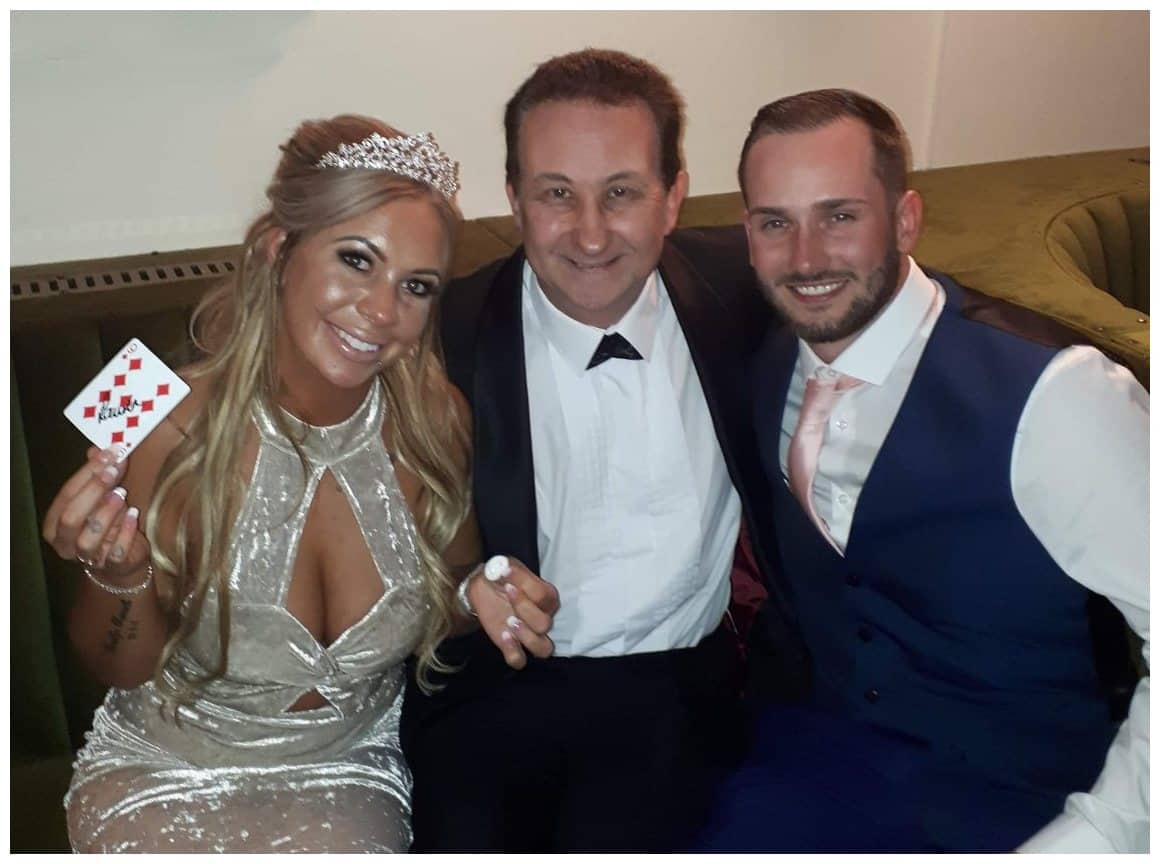
Great close-up magic combines surprise, humour and audience interaction to create a shared experience that guests remember long after the event.
There is an important distinction between demonstrating a magic trick and creating a memorable experience.
A demonstration might involve showing that a particular effect is possible. The magician performs it, the audience sees the result, and everybody moves on.
An experience involves the audience more deeply.
The spectators have a reason to become interested in what happens. They participate in the process, make decisions, hold objects or contribute something personal to the routine.
The effect then becomes something that happens to them, rather than something they simply watch.
This is one of the great strengths of close-up magic.
A spectator might sign a playing card. Somebody else might lend a ring. Another person might hold a coin, choose a number or make a decision that seems to determine the outcome of the trick.
Suddenly, the magic has a personal connection.
The audience knows that the object belongs to them, that they made the choice or that they were directly involved in what happened.
When the unexpected revelation arrives, the reaction can be particularly strong.
They are not just wondering how a magician could perform an impressive feat. They are trying to understand how it happened under circumstances in which they felt personally involved.
That is a very different experience.
It is also why I enjoy performing magic in people's hands whenever an effect allows it. The closer the experience feels to the spectator, the more immediate and personal the moment can become.
You can read more about this in Magic in the Spectators' Hands.
For me, the aim is not simply to make somebody say, "That was clever."
It is to give them a moment they genuinely enjoyed being part of, one they want to share with the people standing beside them.
And preferably one that leaves them with absolutely no sensible explanation.
Why Great Showmanship Matters
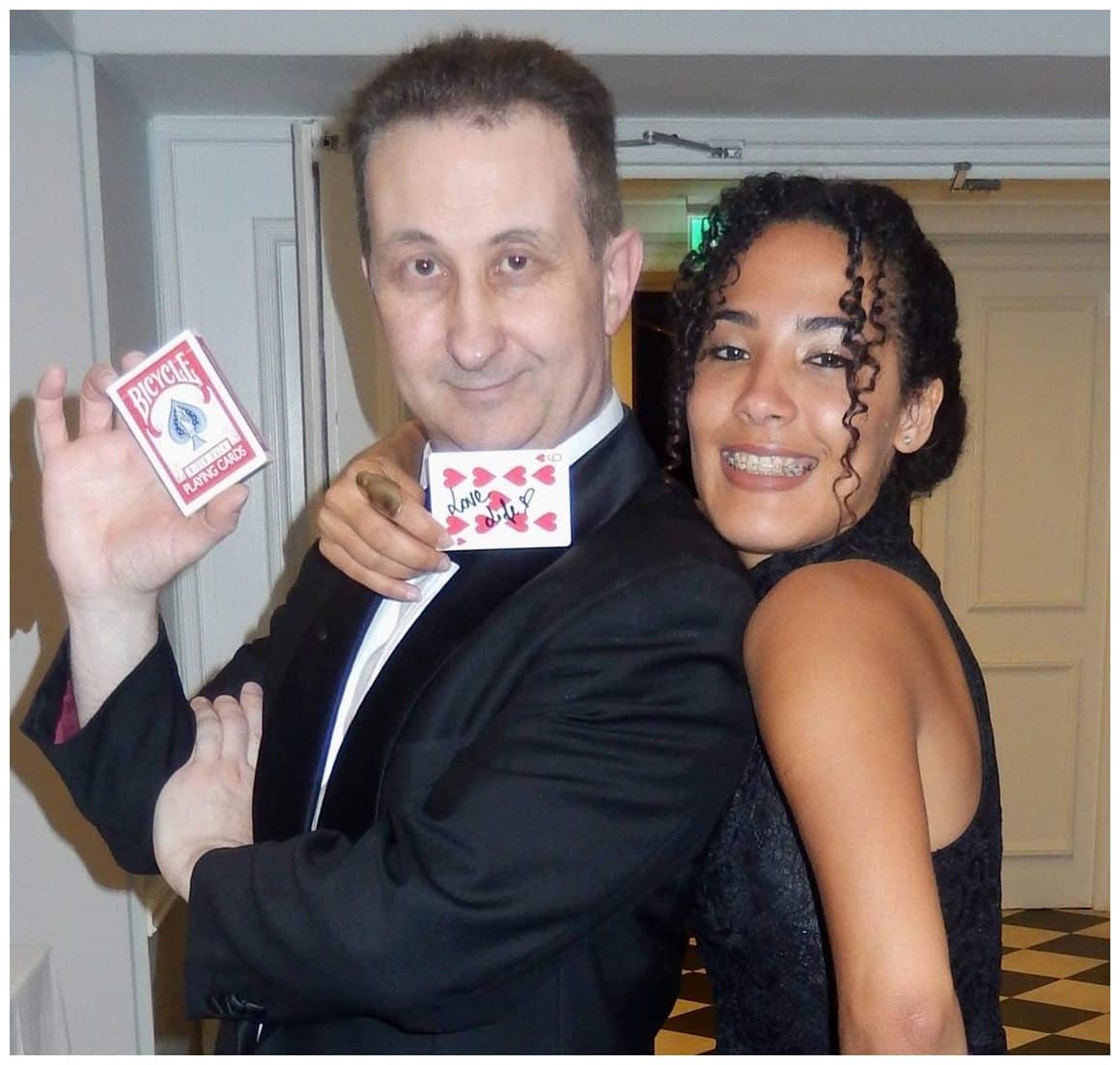
Strong showmanship brings close-up magic to life through confident delivery, expressive body language, humour and engaging interaction with the audience.
A magician can possess exceptional technical skill and still struggle to create an entertaining performance.
The reason is simple: technical ability and performance ability are not the same thing.
Sleight of hand is important. Practice is essential. Understanding the method behind an effect is part of the job.
But the audience does not book a magician to assess finger movements.
They want to be entertained.
They want to laugh, enjoy themselves and experience something extraordinary. They want the performance to feel natural, engaging and worth their attention.
That is where showmanship comes in.
Showmanship includes the way a magician communicates, uses their personality, builds interest and responds to an audience. It affects the pace of a routine, the clarity of the presentation and the atmosphere surrounding the effect.
It also involves knowing when not to do something.
A magician does not need to make every movement dramatic, explain every action or constantly remind spectators that they are watching a skilled performer.
Sometimes confidence means keeping things simple.
Sometimes a quiet moment is more effective than a big speech. Sometimes a joke will do more for the atmosphere than another display of technical ability.
And sometimes the most powerful thing a magician can do is allow the audience to react without immediately talking over them.
After more than 25 years of professional performance, I have learnt that there is no single formula that works for every group. A wedding reception, a corporate drinks event and a private birthday party can all have very different atmospheres.
A good performer needs to recognise those differences and adapt.
That is why I have written about Showmanship in Magic. The technical side of magic is only one part of the picture. How you present an effect can make an enormous difference to how it is received.
A technically perfect trick can be forgotten in minutes if the presentation is lifeless.
A well-presented effect, however, can create laughter, surprise and conversation long after the magician has moved on.
That flexibility matters whether I am entertaining guests at a wedding or performing as a magician for events in Swindon.
How Practice Makes the Unexpected Look Effortless
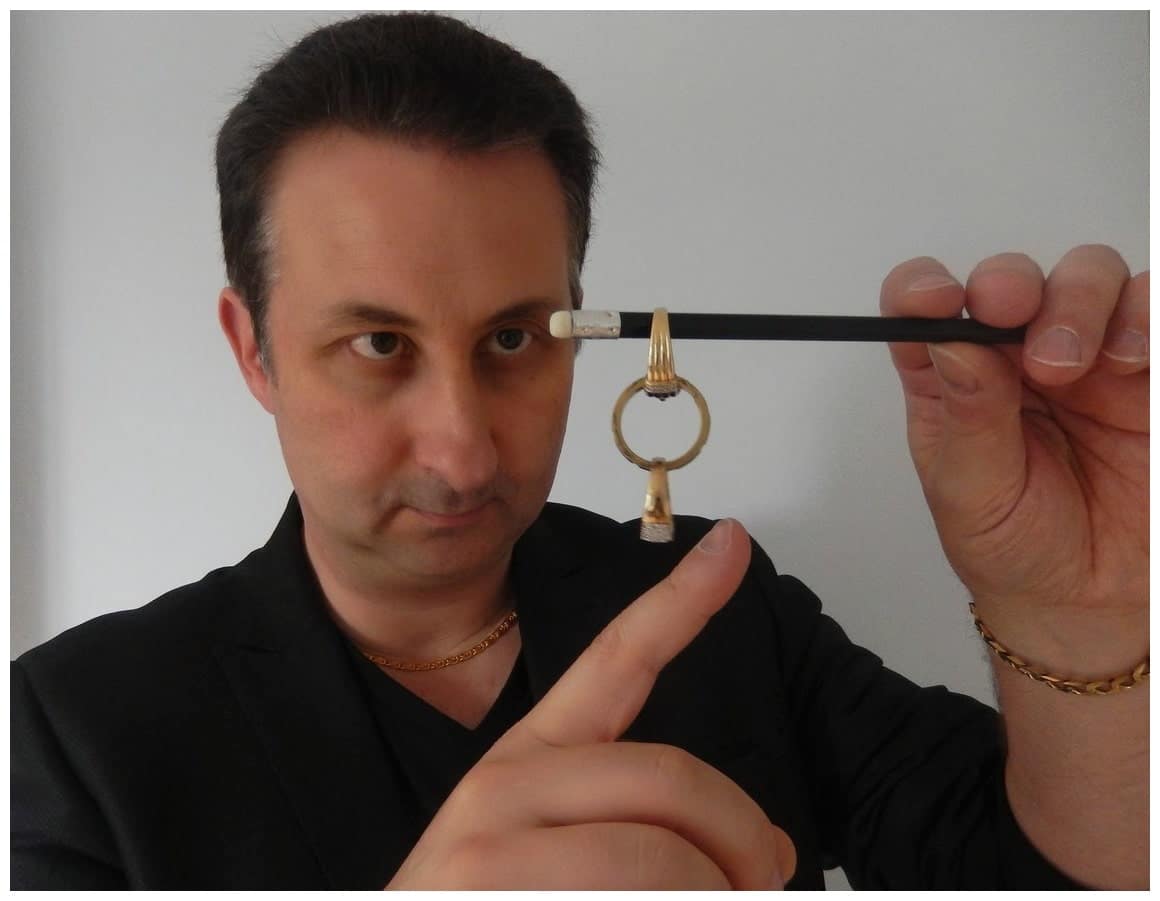
Behind every smooth close-up magic performance are hours of practice, refining sleight of hand, timing and presentation so the effect feels effortless.
There is an amusing contradiction at the heart of professional magic.
The audience wants to experience something that feels spontaneous, impossible and completely unexpected.
The magician may have spent hundreds of hours practising the technique that makes it possible.
That is the nature of the job.
An effect that looks effortless can involve an enormous amount of preparation. Handling needs to become reliable. Movements need to be natural. The performer needs to understand the routine well enough to concentrate on the audience rather than struggle with the mechanics.
Practice also creates freedom.
When the technical side becomes more dependable, a magician has more attention available for the things happening around them. They can listen to spectators, adjust the timing, respond to a joke or recognise when a moment needs more space.
Instead of concentrating entirely on what their hands are doing, they can focus on the experience they are creating.
That is particularly important in close-up magic because live audiences rarely behave exactly as expected.
Some people spot details others miss. Some ask questions. Some want to examine everything, while others prefer to sit back and enjoy the show.
A routine must be strong enough to survive the realities of a live performance.
This is where experience becomes valuable. Practice develops the technique, but performing in front of real people teaches you how to use it in different situations.
You learn which moments need more time, which explanations are unnecessary and which parts of a routine deserve greater emphasis.
You also learn that things do not always go exactly according to plan.
The trick might be carefully rehearsed, but the spectator's reaction is real. That is part of the pleasure of performing live.
The preparation happens behind the scenes. The audience gets to enjoy the result.
Why Unexpected Magic Works So Well at Weddings and Parties
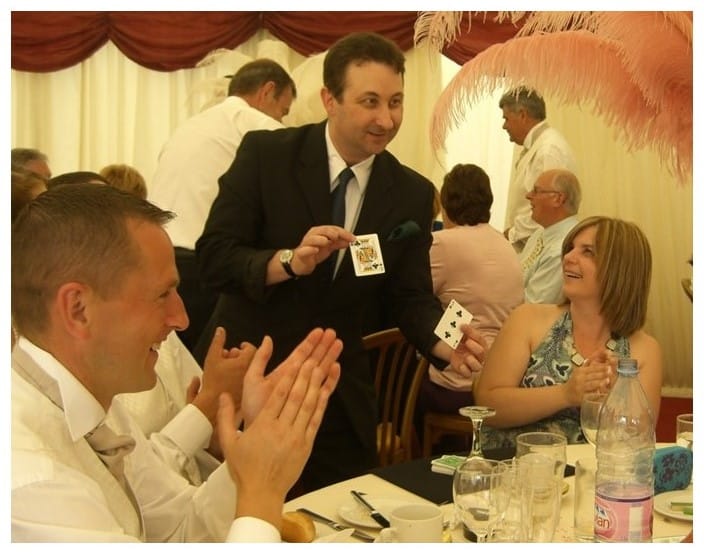
Close-up magic brings wedding guests together through shared laughter, surprising moments and interactive entertainment during drinks receptions and between courses.
There is a reason close-up magic can fit naturally into weddings, parties and corporate events.
These occasions bring people together, but they do not always give everyone an obvious way to interact.
At a wedding, some guests may know the couple extremely well while others have only just met. During a corporate event, people might be meeting clients or colleagues from different departments. At a birthday party, different friendship groups may be sharing the same room.
A shared experience can help break the ice.
Imagine a group of wedding guests chatting over drinks. A magician joins them, introduces a little humour and performs an effect using an ordinary playing card.
Within moments, the group has something to discuss.
One guest is trying to work out how the trick happened. Another is insisting that they watched every move. Somebody else is asking to see it again, despite having absolutely no chance of discovering the secret.
The conversation has changed.
People who might otherwise have remained in separate conversations are suddenly laughing together and comparing reactions.
That is one of the things I enjoy most about performing at weddings. The magic is not isolated from the celebration. It becomes part of the atmosphere.
The same principle applies to parties and corporate occasions. The unexpected moment gives people a shared talking point and can make the event feel more lively and sociable.
For couples planning a celebration, my article about how magicians create impossible moments at weddings explores this side of live entertainment in more detail.
The same principle applies when creating magic at weddings and parties in Somerset: the aim is to give guests a shared experience they can enjoy together.
The important thing is not the location itself. It is the opportunity to create moments that bring people together.
Why You Shouldn't Explain Everything
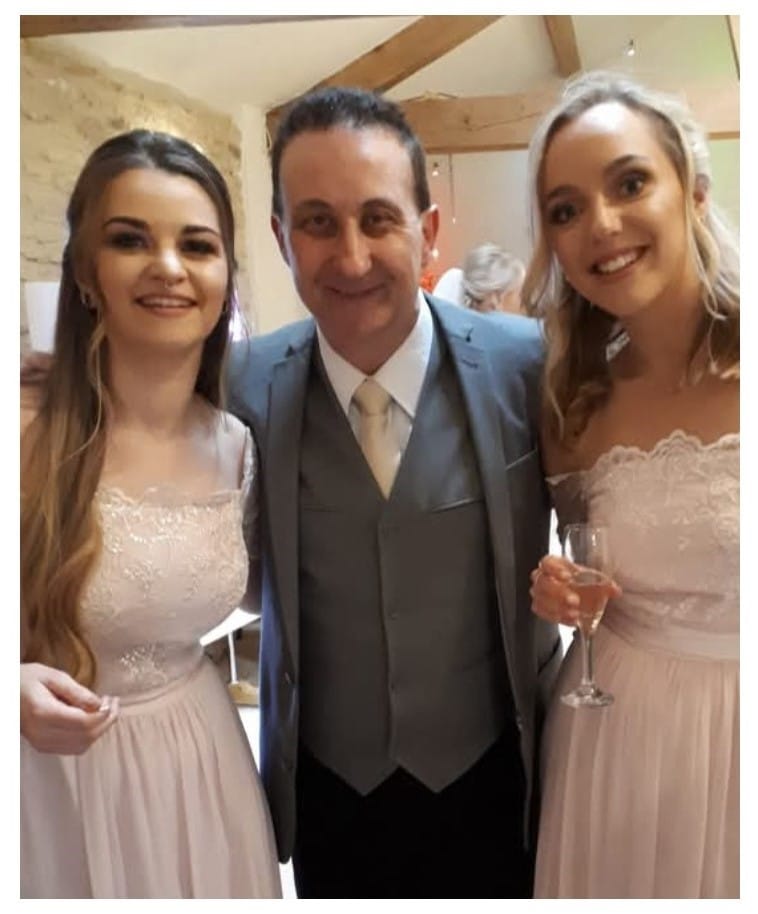 There is a temptation, particularly when people are fascinated by a magic trick, to keep explaining what happened.
A spectator might ask whether a particular move was responsible. Another might suggest a possible method. Somebody else may confidently announce that they know exactly how it was done.
Sometimes their theories are wonderfully imaginative.
But part of the pleasure of magic lies in the unanswered question.
We spend much of our lives trying to understand how things work. We look for explanations, identify patterns and make sense of what we see.
Magic gives us an opportunity to experience something that does not fit neatly into our expectations.
That does not mean people should never discuss methods or learn about the art. Understanding the techniques behind magic can be fascinating in its own right.
But during a performance, the experience does not need to be reduced to a technical explanation.
Think about a great film, a brilliant joke or a story with an unexpected ending. Knowing exactly how it was constructed does not always produce the same feeling as experiencing it for the first time.
Magic has a similar quality.
The moment of astonishment belongs to the spectator. They can laugh about it, debate it with their friends and spend the rest of the evening trying to work out what happened.
And sometimes, the best response a magician can give is a smile and a change of subject.
After all, if I explained everything, what would I do for the rest of the evening?
Why I Still Love That Moment After All These Years
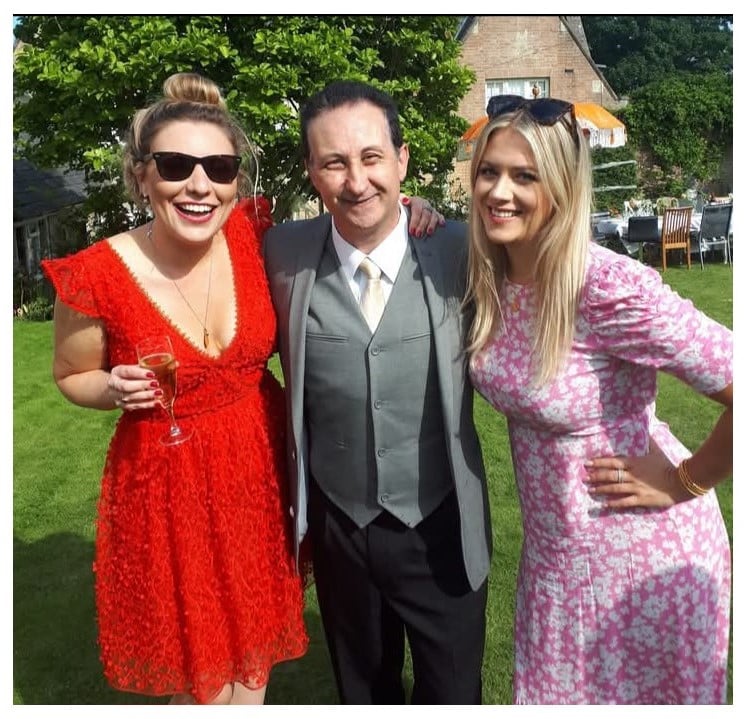
After more than 25 years of performing, the enjoyment of close-up magic comes from surprising people, sharing a laugh and seeing their genuine reactions when the impossible happens in their hands.
After more than 25 years of performing magic professionally, you might imagine that seeing the same types of reactions would eventually become routine.
It hasn't.
Every audience is different. Every event has its own atmosphere, and the people standing in front of me bring their own personalities, expectations and sense of humour.
The method behind an effect might be familiar to me, but the experience is new to the people watching it.
That is what keeps live performance interesting.
A spectator might burst out laughing. Somebody else might become completely silent. Another person may immediately turn to their friend and demand to know whether they saw the same thing.
Those reactions are part of the performance.
They remind me that magic is not simply about the technical challenge of achieving an impossible effect. It is about sharing that moment with somebody else.
Over the years, I have developed my own approach to close-up magic, combining sleight of hand with humour, psychology and showmanship. My experience as a two-time S.A.M.S. Champion of Close-Up Magic, along with my work as a magic consultant and hand double for the BBC drama Hustle, has contributed to my understanding of the craft.
But qualifications and experience are only part of the story.
The real reward comes from seeing people enjoy themselves.
It might be a bride and groom watching their guests react during a drinks reception. It might be a group of colleagues laughing around a table at a corporate event. Or it might be a spectator who begins by insisting that they cannot possibly be fooled and ends up staring at a playing card in complete disbelief.
Those are the moments I enjoy.
That variety is part of what I enjoy about performing close-up magic in the Cotswolds and at events throughout the surrounding area. Different audiences bring different reactions, and that is part of what makes live performance so rewarding.
The real pleasure is never simply repeating a trick. It is creating a moment that feels fresh to the people experiencing it.
And they are the reason I believe that a great magic performance is about much more than the trick itself.
The Best Magic Is the Magic You Didn't See Coming
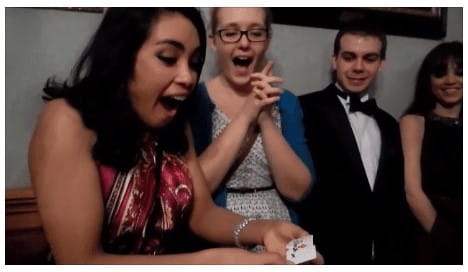 So, why does the best magic happen when you least expect it?
Because surprise changes the way we experience an event.
It interrupts our assumptions, challenges what we think we understand and gives us something unexpected to enjoy. When combined with good timing, skilful misdirection, humour and strong showmanship, it can turn a simple effect into a genuinely memorable experience.
The secret is not simply to make something disappear or cause an object to appear somewhere impossible.
It is to create the right conditions for the audience to experience that moment.
That takes practice, preparation and an understanding of people. It means knowing when to build anticipation, when to keep things relaxed and when to let an unexpected revelation speak for itself.
Most importantly, it means remembering that the audience is not there to admire the magician's technique. They are there to enjoy the experience.
For me, that is the real beauty of close-up magic.
A playing card, a coin or an ordinary borrowed object can become the centre of a moment that people share, laugh about and remember.
And the best part is that they never quite know when it is going to happen.
One minute, everything seems perfectly ordinary.
The next, somebody is looking at their own hands and asking the question every magician loves to hear:
"How on earth did you do that?"
I have been hearing that question for more than 25 years.
Long may it continue.
Andy Field Magician Service Areas
I regularly provide close up magic for weddings, parties, corporate events and special occasions across the South West and surrounding areas. You can find out more about my magic services in the following locations:
Magician Bristol Magician Gloucester Magician Cheltenham Magician Swindon Magician Somerset Magician Cotswolds
Magician Oxford Magician Bath Magician Worcester Magician Coventry Magician Leamington Spa Magician Leicester
Magician Warwickshire Magician Wiltshire
Explore More About Magic
Sleight of Hand Explained Psychology in Magic Explained Misdirection in Magic Explained Cups and Balls Close-up Magic Explained