Three Card Monte Explained: The Scam Behind the Trick

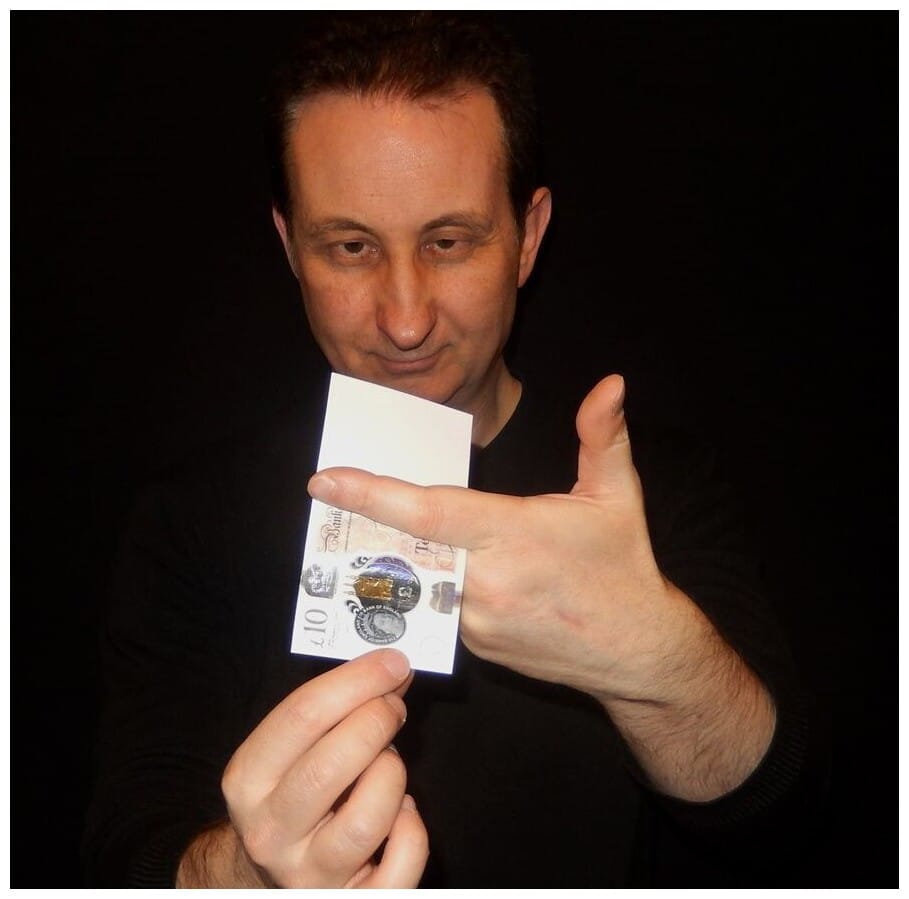
Andy Field is a professional UK magician, offering close up magic, sleight of hand illusions, mind reading and more, for a variety of occasions. Over the years Andy has built a strong global following,with millions of views on his YouTube channel and an array of reviews across multiple platforms. Having amassed experience as a wedding magician, party magician & close up magician, Andy is seen as one of the industries most tried and tested professional magicians.
The Three Card Monte Scam Trick Explained

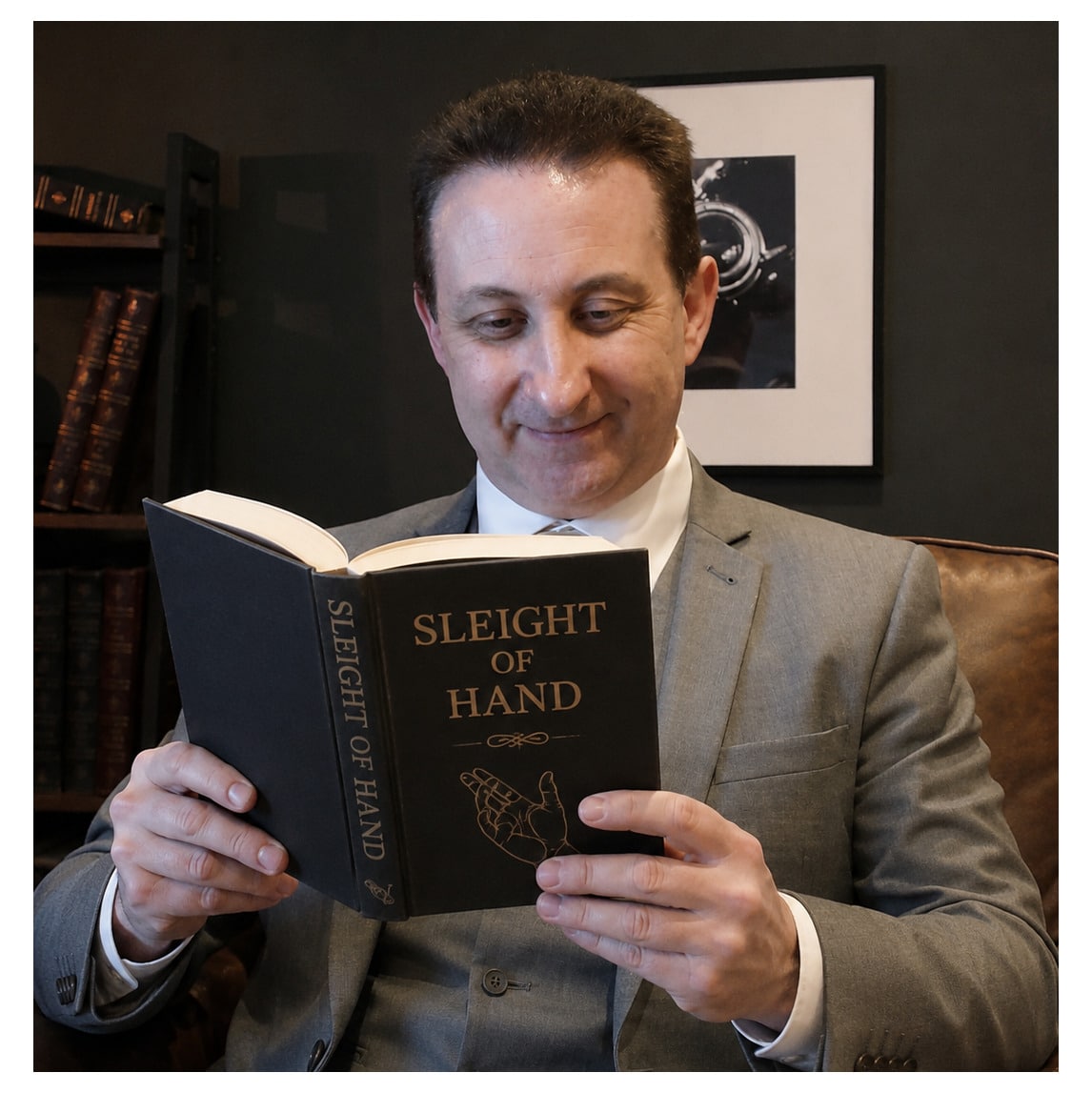
Professional magician Andy Field reading a book about magic.
By Andy Field - Professional Close-Up Magician
- A quarter of a century of experience performing professional magic
- 20,000,000+ YouTube views
- 400+ Facebook recommendations
- Hundreds of Google reviews
- SAMS Champion of Close-Up Magic (Twice)
- Consulted for BBC's Hustle
- Professional close-up magician specialising in cards, coins, borrowed objects, mind-reading effects and sleight of hand
If you've ever walked through a busy town centre and seen a group of people gathered around somebody apparently making easy money with three playing cards, there's a good chance you've witnessed Three Card Monte.
And if you thought, "That looks easy. I could probably win that," congratulations.
You've just walked directly into the trap.
Three Card Monte is one of the most famous confidence tricks in the world. It looks like a simple card game. The victim is apparently given a perfectly fair chance to follow one particular card while it is moved around with two others.
The problem?
It isn't a fair game.
The real skill isn't simply moving three cards quickly. The real skill is controlling what people believe they have seen.
And that is where Three Card Monte becomes fascinating from a magician's point of view.
It's a brilliant example of sleight of hand, misdirection, psychology, attention management and human behaviour all working together.
It's also a very good reminder that when somebody standing in the street tells you that you can make easy money by guessing where the Queen is...
You probably aren't about to become financially independent.
Unless your definition of financial independence is losing £50 in under three minutes.

Andy Field demonstrates Three Card Monte with three playing cards.
What Is Three Card Monte?
Three Card Monte is a confidence trick traditionally performed with three playing cards.
The basic presentation appears incredibly simple.
One card is designated as the target card. The other two cards act as decoys. The cards are mixed around, and the spectator is asked to identify the target.
Sounds easy.
That's because the trick isn't really about the cards.
It's about creating the illusion that the spectator has a genuine opportunity to win.
The person running the game may appear to place a particular card in a specific position before moving the cards around.
The spectator watches carefully.
The cards are mixed.
The spectator points.
A card is turned over.
Wrong!
At this point, the person running the game might say something like:
"You were looking at the wrong card."
Or perhaps:
"I told you to watch the Queen."
And then comes the interesting part.
The spectator often believes they simply made a mistake.
But the deception is much deeper than that.
The spectator has been encouraged to believe that they were playing a game of observation.
In reality, they were being manipulated into believing they had seen something that they didn't actually see.
Why Is Three Card Monte So Famous?

Lisa Field stands behind the table illustrating the classic Three Card Monte card scam.
Three Card Monte has been around for generations and has become one of the classic examples of a confidence game.
It has appeared in films, television programmes, books, magic performances and demonstrations of deception.
You may also have heard it called:
- Three-Card Trick
- Find the Lady
- Follow the Queen
- The Three Card Scam
- Three Card Hustle
- Find the Queen
The names can vary, but the basic idea remains similar.
Three cards.
One target.
Two distractions.
And one very unhappy wallet.
The reason the trick has survived for so long is simple.
People genuinely believe they can beat it.
That is the clever part.
If somebody simply walked up to you and said:
"Give me £50 and I'll take it."
You'd probably decline.
But if they say:
"Watch carefully. You can win £50 if you spot the Queen."
Suddenly your brain treats the situation differently.
You're not being asked to hand over money.
You're being offered an opportunity.
And humans are naturally attracted to opportunities.
Especially opportunities that appear to require skill rather than luck.
The Three Card Monte Scam Is Not Really About Speed

Holly slowly mixes three playing cards demonstrating how misdirection and psychology can be used to deceive the spectator.
One of the biggest misconceptions about Three Card Monte is that the person running the scam wins because they are incredibly fast.
Speed can certainly be involved.
But speed alone isn't the secret.
A professional magician will tell you that clarity of attention is far more important than simply moving your hands quickly.
The person performing the routine wants you to look at exactly the thing they want you to look at.
They also want you to believe you are following something else.
That distinction is incredibly important.
Imagine I place three cards on a table.
I tell you:
"Watch the Queen."
Your brain immediately locks onto the Queen.
You feel confident.
You've been given a clear instruction.
You might even say:
"Don't worry, I've got it."
That's exactly when things become interesting.
Because while you're concentrating on the Queen, I can influence what you notice, what you ignore and what you remember.
The deception isn't necessarily happening where you think it is.
How Does Three Card Monte Work?

Holly and Lisa are secretly in on the psychology of the scam
At its most basic level, Three Card Monte relies on a combination of sleight of hand and psychology.
I'm not going to turn this article into a street-hustling instruction manual, because the important thing about Three Card Monte isn't learning how to take somebody's money.
The interesting part is understanding why people can be fooled even when they are staring directly at the cards.
And that's something magicians have studied for centuries.
The performer creates a situation where the spectator believes they have complete information.
But they don't.
They may see the cards or see the movements.
They may even believe they know exactly where the target card is.
Yet their interpretation of what they saw can be completely wrong.
That's the magic.
And, unfortunately, in the hands of a con artist, it isn't magic at all.
It's a scam.
The Psychology Behind Three Card Monte

Lisa helps encourage people to place bets during a Three Card Monte scam.
This is where Three Card Monte becomes particularly interesting.
The human brain doesn't record everything it sees like a video camera.
We select information or ignore information.
We make assumptions and fill in the gaps.
Plus, we constantly try to predict what is going to happen next.
Magicians take advantage of these natural processes.
Not because we're evil.
Well...
Most of us.
We're simply interested in how perception works.
Three Card Monte exploits several psychological principles.
1. Selective Attention
You cannot consciously pay attention to everything around you at once.
If I tell you:
"Watch the Queen."
you'll probably focus heavily on the Queen.
That sounds helpful.
It isn't necessarily.
The stronger your concentration becomes, the more likely you are to ignore other things happening around it.
It's a bit like somebody saying:
"Whatever you do, don't look at that elephant."
And suddenly you're wondering why there's an elephant in the room.
Actually, if there is an elephant in the room, forget the cards.
Watch the elephant.
2. Confidence
A Three Card Monte operator often appears extremely confident.
That's important.
People naturally take confidence as a signal of competence.
If somebody speaks quickly, moves confidently and behaves as though they are completely in control, we may assume they know what they're doing.
The operator isn't standing there looking confused.
They're not saying:
"I have absolutely no idea what I'm doing, mate. Fancy giving me £20?"
They're creating an atmosphere in which the game appears legitimate.
Confidence can make a dishonest situation appear trustworthy.
That's why confidence tricks work far beyond street gambling.
3. Social Proof
This is one of the cleverest parts.
You may see other people apparently winning.
Someone might put down money and then collect winnings.
Another person might play.
Someone else might shout:
"I had that one!"
Now the situation looks real.
You aren't simply watching a stranger with three cards.
You're watching what appears to be a little community of people participating in a game.
Your brain thinks:
"Other people are doing it, so perhaps this is legitimate."
But there's a problem.
You don't necessarily know who those people are.
They may be part of the setup.
This is one reason confidence tricks can involve multiple people.
The crowd itself can become part of the deception.
4. The Near-Miss Effect
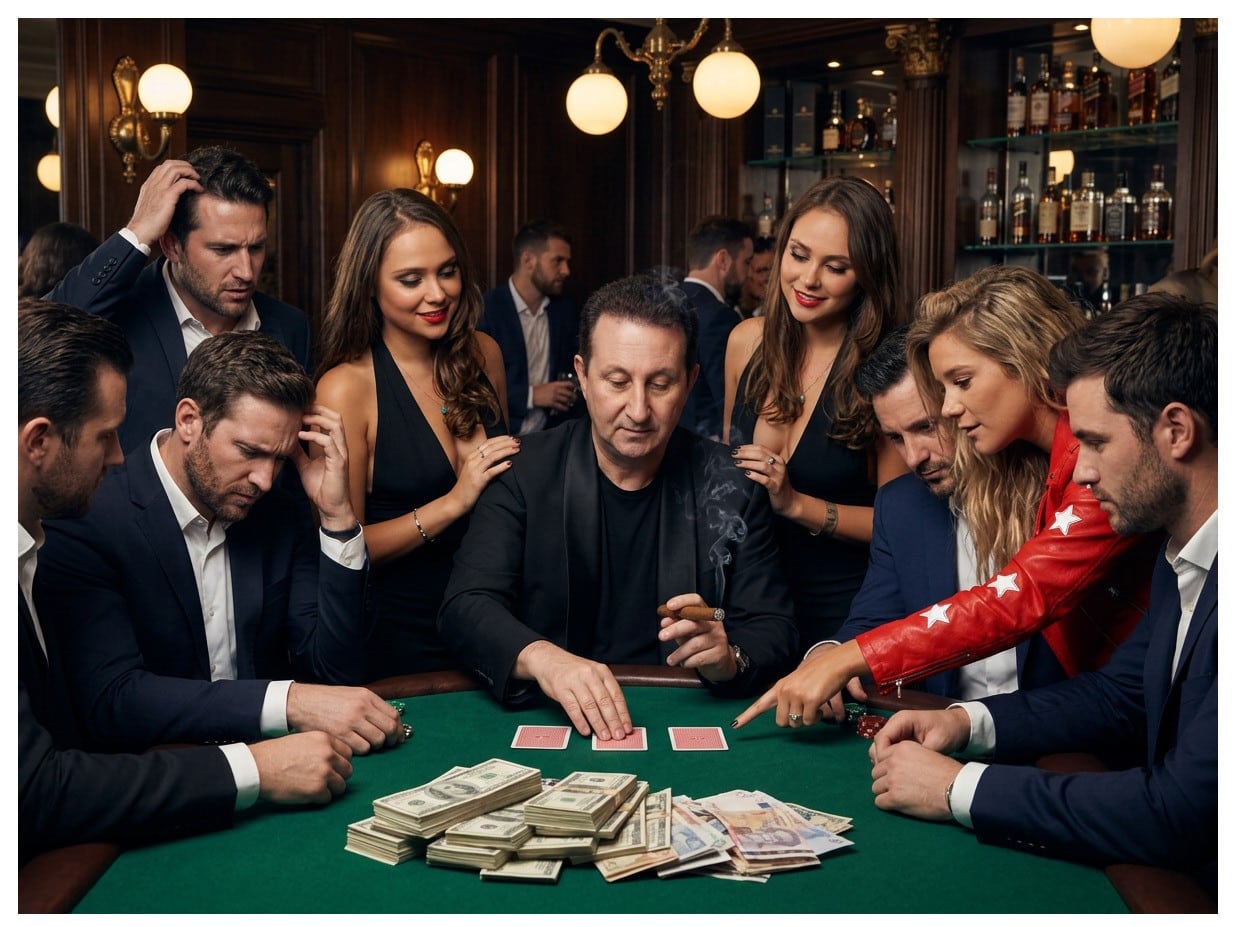
People continue gambling during a Three Card Monte scam because they believe they are close to winning.
Imagine you've just lost.
You genuinely believe you almost got it right.
You might think:
"I knew it was that card. I just pointed at the wrong one."
That feeling can be incredibly powerful.
Because now you don't think the game is impossible.
You think you're nearly there.
And if you're nearly there, perhaps one more attempt will work.
This can encourage people to continue playing.
The problem is that the person running the game controls the circumstances.
You're not gradually getting better.
You're being encouraged to believe you're getting better.
There's a rather large difference.
5. The Ego Factor

Lisa and Holly throw money into the air after their Three Card Monte scam, while the disappointed players realise that nobody likes discovering they have been conned.
Here's another one.
Nobody likes being told they've been fooled.
Especially when the trick looks easy.
You might watch somebody perform Three Card Monte and think:
"I'm not falling for that."
Excellent.
You've just become emotionally invested in proving it.
And that can make you even easier to manipulate.
The operator wants you to think:
"I'm smarter than this."
Because now you're not simply watching.
You're competing.
And once money enters the equation, pride can become surprisingly expensive.
Why Watching Closely Doesn't Always Help

Holly operates the Three Card Monte. Even careful observation cannot help them spot the deception.
This is perhaps the most fascinating lesson from Three Card Monte.
People often assume that the answer to deception is simply:
Pay more attention.
Unfortunately, it's not always that simple.
You can stare directly at something and still misunderstand what you're seeing.
Magicians use this principle constantly.
When I perform close-up magic, people can be standing only inches away from my hands.
They can watch every movement.
They can even hold the cards themselves.
And yet something impossible appears to happen.
That's because seeing isn't the same as understanding.
Your eyes collect information.
Your brain interprets it.
And the interpretation can be manipulated.
Three Card Monte and Sleight of Hand

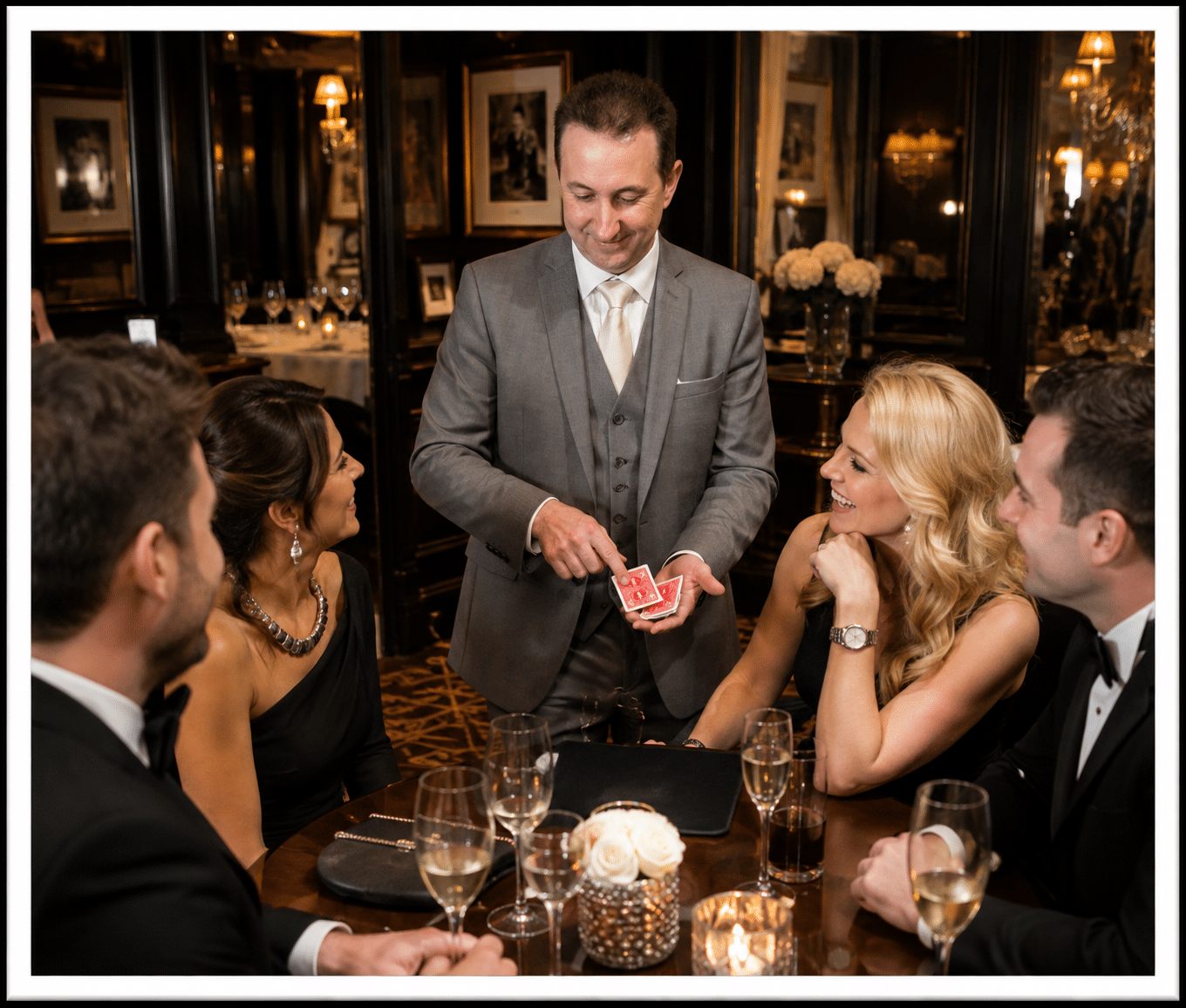
Andy Field performs a close-up card trick, demonstrating the skill used by a professional magician.
Three Card Monte is closely associated with the world of sleight of hand.
Sleight of hand is the ability to manipulate objects in ways that are difficult for an observer to detect.
Cards can be concealed, switched, controlled or apparently moved under conditions that seem impossible.
But again, the important point isn't simply finger speed.
Good sleight of hand is about making a secret action look completely ordinary.
That's a major distinction.
A suspicious movement attracts attention.
A natural movement doesn't.
Plus, a skilled magician doesn't want you thinking:
"That was an unusual movement."
They want you thinking:
"He's just putting the card down."
The secret action becomes hidden inside a perfectly normal action.
And that's where magic becomes much more interesting than simply being fast with your fingers.
Misdirection Is More Than Looking Somewhere Else

Andy, Lisa and Holly celebrate their scam winnings.
People often think misdirection means:
"Look over there while I do something sneaky."
Sometimes it can be that simple.
But professional misdirection is considerably more sophisticated.
It can involve:
- What you are looking at
- What you are thinking about
- What you expect to happen
- What you believe has already happened
- The rhythm of the performance
- Body language
- Speech
- Timing
- Social expectations
- Your own assumptions
The best misdirection doesn't feel like misdirection.
You don't think:
"Ah! I'm being misdirected."
You think:
"I'm watching exactly what I need to watch."
And that is precisely why it works.
Sometimes it can be that simple. But professional misdirection is considerably more sophisticated.
I've written more about the psychology behind this in my guide to how misdirection works in magic
Why Three Cards Are Enough

Lisa proudly holds up her winnings after the Three Card Monte scam.
You might wonder why Three Card Monte uses three cards.
Why not five?
Why not ten?
Because three is psychologically perfect for creating the illusion of simplicity.
Three cards are easy to understand.
One is the target.
Two aren't.
That's it.
There's no complicated board.
No complicated rules.
No fifty-page instruction manual.
You think you know everything that's happening.
And that simplicity is part of the deception.
The fewer variables you believe there are, the more confident you become.
The Street Hustle
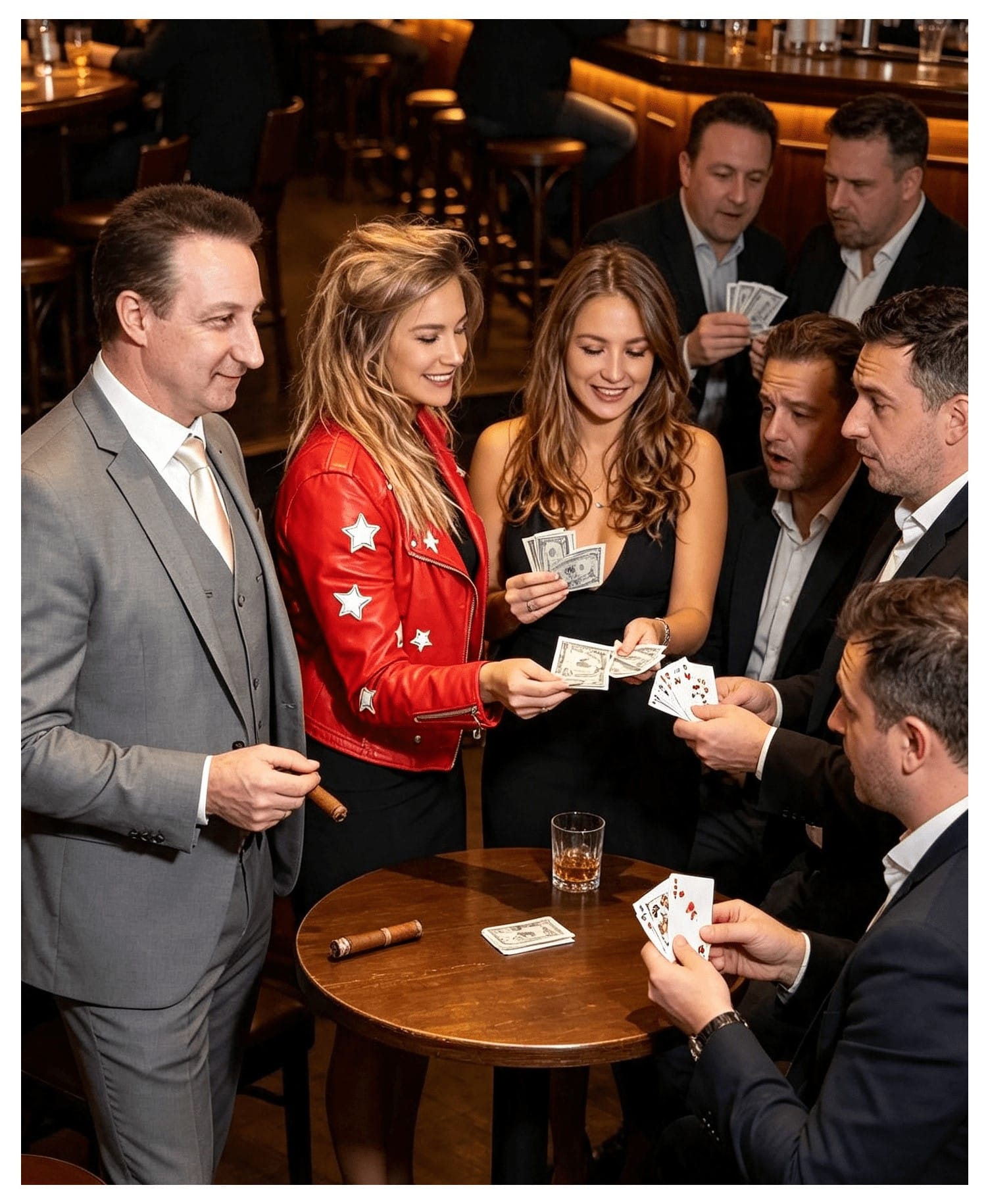 Historically, Three Card Monte has often been associated with street hustling.
The performance might attract a crowd.
The operator creates excitement.
People appear to win.
Someone gets involved.
Money changes hands.
And eventually somebody discovers that the game isn't quite as fair as it appeared.
That's why it's important to distinguish Three Card Monte as a magic demonstration from Three Card Monte used as a scam.
A magician might demonstrate the principles to show how perception and sleight of hand work.
A con artist uses those principles to take your money.
Same basic concept.
Very different purpose.
The "Shills" and the Crowd
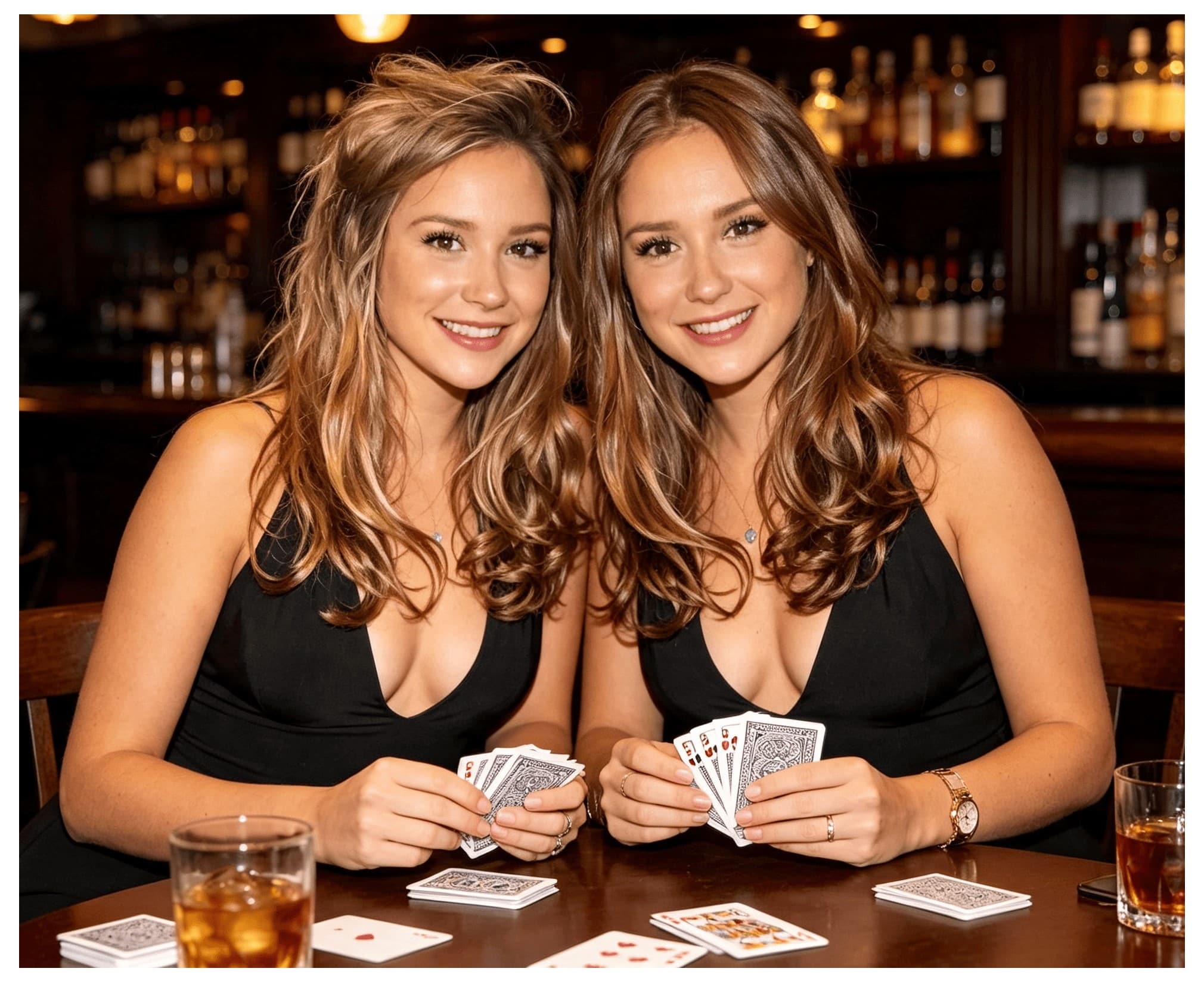
Lisa and Holly are secret assistants. They are called "Ropers" They pull people in.
One of the more interesting elements associated with traditional confidence games is the use of people who appear to be ordinary members of the public.
These people may pretend to play. On top of that they appear to win.
They may encourage others to participate.
This creates social proof.
The person watching thinks:
"If that bloke can win, so can I."
And that's the trap.
The crowd isn't necessarily evidence that the game is legitimate.
Sometimes the crowd is part of the performance.
It's an important lesson in everyday life.
Never assume something is genuine simply because other people appear to be participating.
Why People Keep Playing After Losing

Players continue gambling on Three Card Monte even after losing, showing how confidence, hope and the belief that they can win can keep people playing.
This is one of the biggest psychological questions.
If somebody loses once, why would they play again?
Because losing doesn't necessarily feel like losing if you believe you were close.
Suppose you think you followed the correct card almost perfectly.
Your brain may interpret the result as:
"I made one small mistake."
That is completely different from:
"This game is designed so that I cannot win."
The first interpretation encourages another attempt.
And another.
Before long, the person who thought they were going to make £20 has made somebody else considerably richer.
It's a very expensive lesson in optimism.
The Difference Between Magic and a Scam
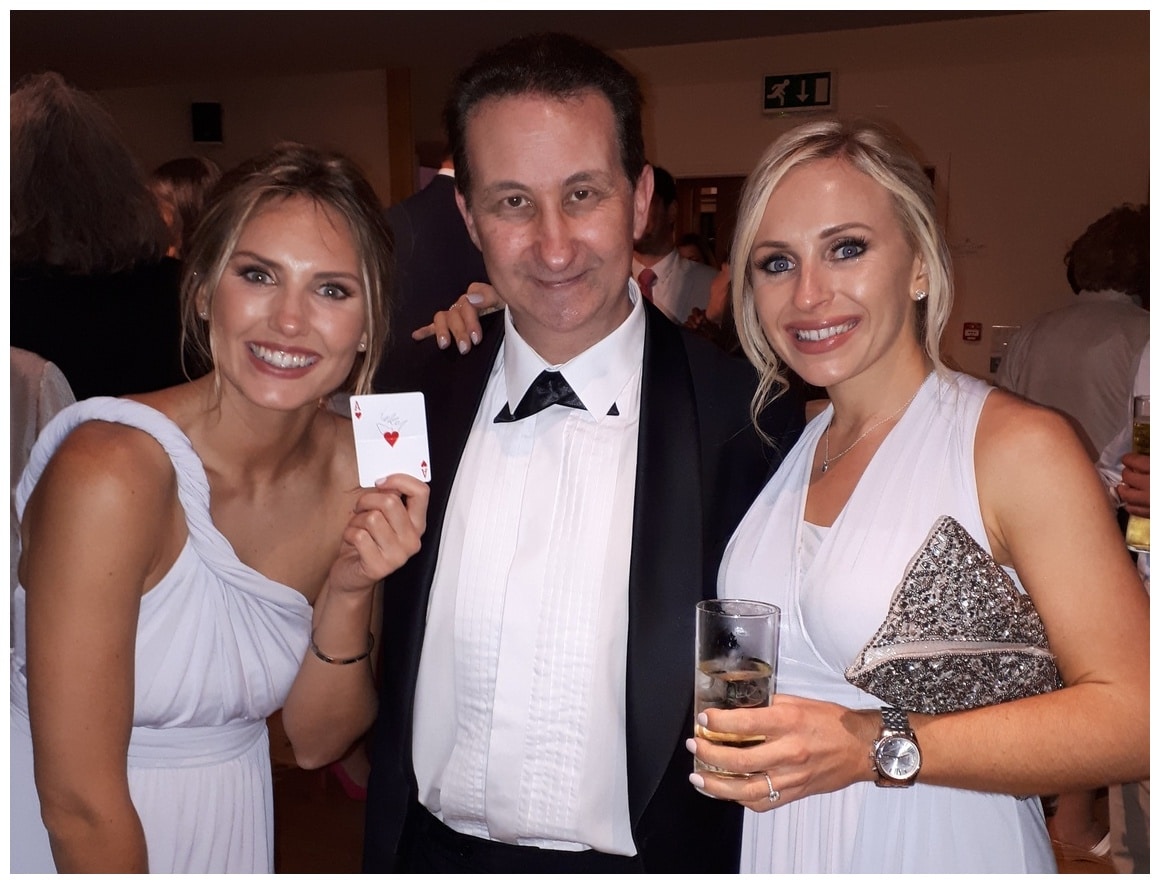
Two ladies enjoy a card trick
This distinction is important.
A magician wants you to be fooled.
But you know you're watching a magic performance.
That's the agreement.
You sit down expecting to see something impossible.
The magician creates a mystery.
You enjoy trying to work it out.
That's exactly what I enjoy about performing close-up magic in Bristol— the audience knows they're watching a magician, but they still have absolutely no idea how the impossible just happened.
The magician doesn't secretly take your wallet while you're concentrating on a card.
At least, I don't.
I should probably make that clear.
Please keep your wallet in your pocket.
A scammer, however, creates deception for financial gain.
That's fundamentally different.
The same psychological principles can exist in both situations, but the intention changes everything.
What Three Card Monte Teaches Us About Magic
 For me, this is where the subject gets really interesting.
Three Card Monte demonstrates that magic isn't simply about tricks.
It's about people.
A magician has to understand how spectators see the world.
You need to know what attracts attention.
You need to know what people expect.
More importantly to understand how memory works.
And you need to know when to move. When to speak and when to remain completely still.
The cards are only props.
The real performance happens inside the spectator's mind.
You Can See Something Without Seeing It

Lisa and Holly help create confusion around the Three Card Monte game, distracting the marks and making it harder for them to follow what is really happening.
That sounds contradictory.
But think about walking through a busy street.
Your eyes are receiving thousands of pieces of information.
Cars.
People.
Buildings.
Signs.
Sounds.
Movement.
Yet you aren't consciously processing every detail.
Your brain filters the information.
That's useful.
Without that filtering system, you'd probably spend your entire day overwhelmed.
Magicians work within that filtering system.
We create moments where something important is happening in plain sight, but the spectator doesn't recognise its significance.
That is one of the foundations of close-up magic.
Three Card Monte and Close-Up Magic
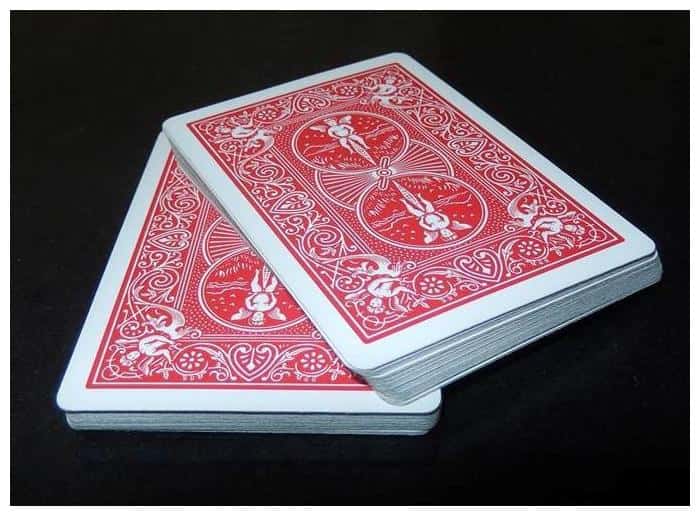 Three Card Monte is particularly relevant to close-up magic because everything happens at close range.
There's nowhere for the magician to hide. Plus the cards and hands are right there.
The spectator is right there.
And yet the illusion can still be incredibly convincing.
That's one of the reasons I love performing close-up magic in Gloucester. The magic happens right in front of the spectators, often just inches away, with nowhere for the magician to hide behind elaborate stage equipment.
That's why sleight of hand magic is so fascinating.
There's no giant stage.
No elaborate lighting.
No dramatic smoke machine.
Just a magician, a spectator and perhaps a pack of cards.
And occasionally a spectator saying:
"Hang on... do that again."
Which is magician language for:
"I have absolutely no idea what just happened."
Is Three Card Monte Really Magic?

Teamwork is vital to the The Card Monte Scam
Technically, no.
Three Card Monte is generally a confidence game rather than a traditional magic trick.
But the techniques involved overlap with the techniques used by magicians.
Sleight of hand.
Misdirection.
Timing.
Psychology.
Attention management.
Presentation.
These are all important parts of professional magic.
The difference is what the performer is trying to achieve.
A magician creates an entertaining mystery.
A scammer creates a financial loss.
How to Avoid a Three Card Monte Scam
Andy is "The Inside Man"
The easiest way to avoid losing money to Three Card Monte is wonderfully simple:
Don't play.
If somebody approaches you in the street and offers you an easy opportunity to win money by following a card, don't try to prove how clever you are.
Walk away.
Don't become part of the crowd.
Never assume the apparent winners are genuine players.
Don't hand over money because somebody tells you that you're "good at this."
And don't let somebody turn it into a challenge.
Because the moment you think:
"I'll show you I can do it,"
you're playing the game on their terms.
The safest bet is the one you never make.
Three Card Monte in Movies and Popular Culture
 The scam has become so famous that many people recognise the basic setup without ever having encountered it in real life.
Films and television often use card hustlers because the visual nature of the trick is perfect for storytelling.
Three cards.
A crowd.
Money.
A confident operator.
A suspicious character.
And somebody who is about to learn an expensive lesson.
It has become shorthand for deception.
When people hear "Three Card Monte", they often immediately understand what is being suggested:
Something isn't quite as fair as it looks.
The Real Secret of Three Card Monte
 So, what is the real secret?
Is it incredibly fast hands? Or a special deck?
Is it a secret card?
Perhaps there some mysterious method that allows the operator to control everything?
The answer is more interesting.
The real secret is that the spectator believes the wrong thing.
That's the foundation.
Once someone believes they know exactly what is happening, they stop questioning the situation.
And that is when deception becomes powerful.
The cards are merely the props.
The real action takes place in the spectator's perception.
Why Magicians Study Tricks Like Three Card Monte
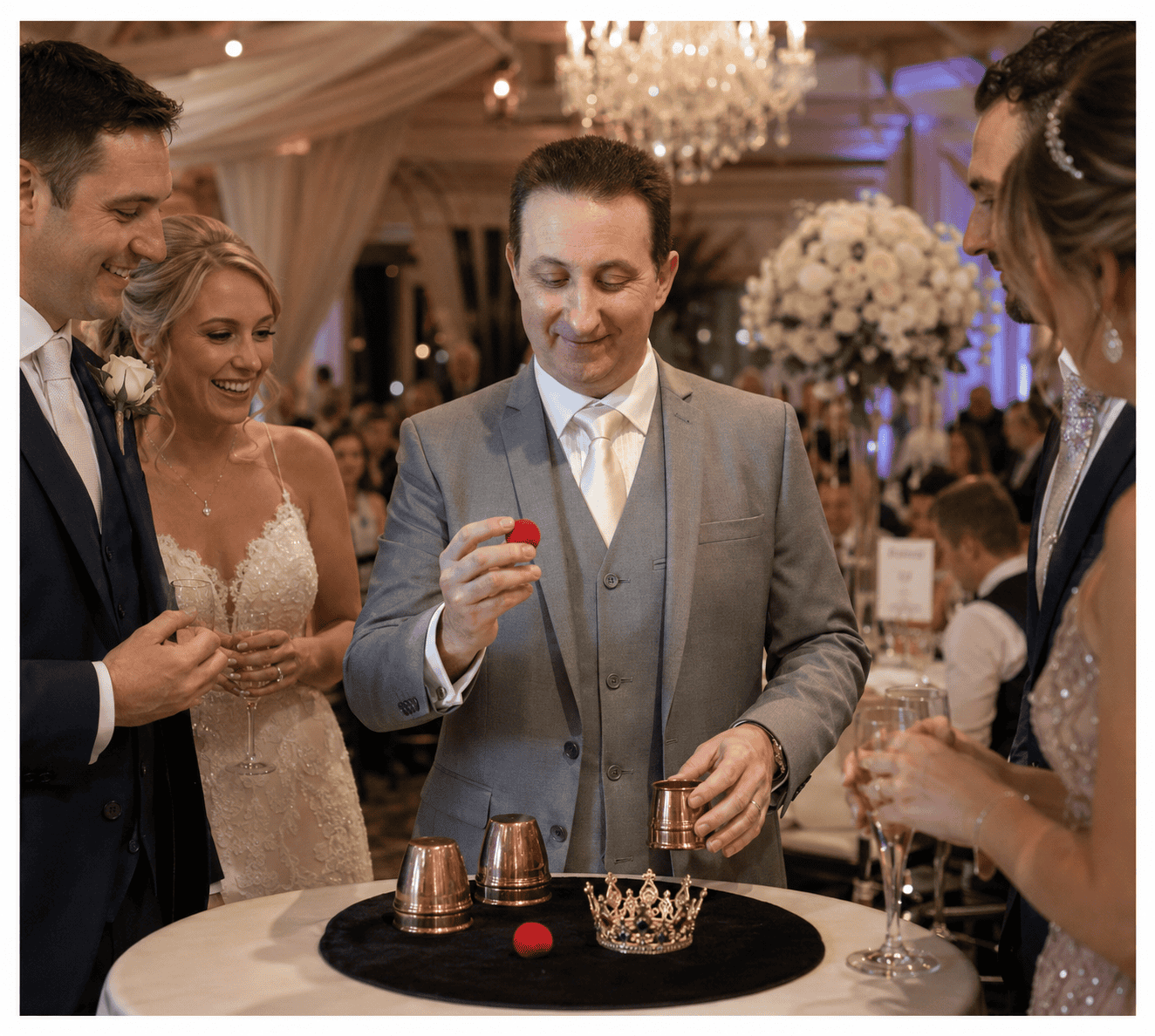
Andy performs The Cups and Balls
Professional magicians are fascinated by deception because understanding deception makes us better performers.
If you understand attention, you can create stronger magic.
Understand timing and you can create better surprises.
If you understand psychology, you can construct more convincing performances.
And if you understand how people remember events, you can make a magical moment stick in their memory long after you've packed away the cards.
That's why the study of magic goes far beyond learning secret moves.
A magician isn't just learning how to make a card disappear.
They're learning why the audience believes it disappeared.
That's a much more interesting question.
The same principles can be seen in one of magic's oldest and most deceptive routines, the Cups and Balls, where misdirection, timing and audience expectations all play a crucial role.
Three Card Monte, Misdirection and the Human Brain
The biggest lesson from Three Card Monte is that our brains aren't faulty.
They're doing exactly what they're designed to do.
We make predictions and filter information.
We rely on previous experience and trust social cues.
People concentrate on things that appear important.
Plus we fill in missing information.
All of those things are useful in everyday life.
But put them together with a skilled performer and something extraordinary can happen.
You can watch a card.
You can swear you never took your eyes off it.
And still be completely wrong.
That's not because you're stupid.
It's because you're human.
And that's exactly why good magic works.
Three Card Monte vs Genuine Close-Up Magic
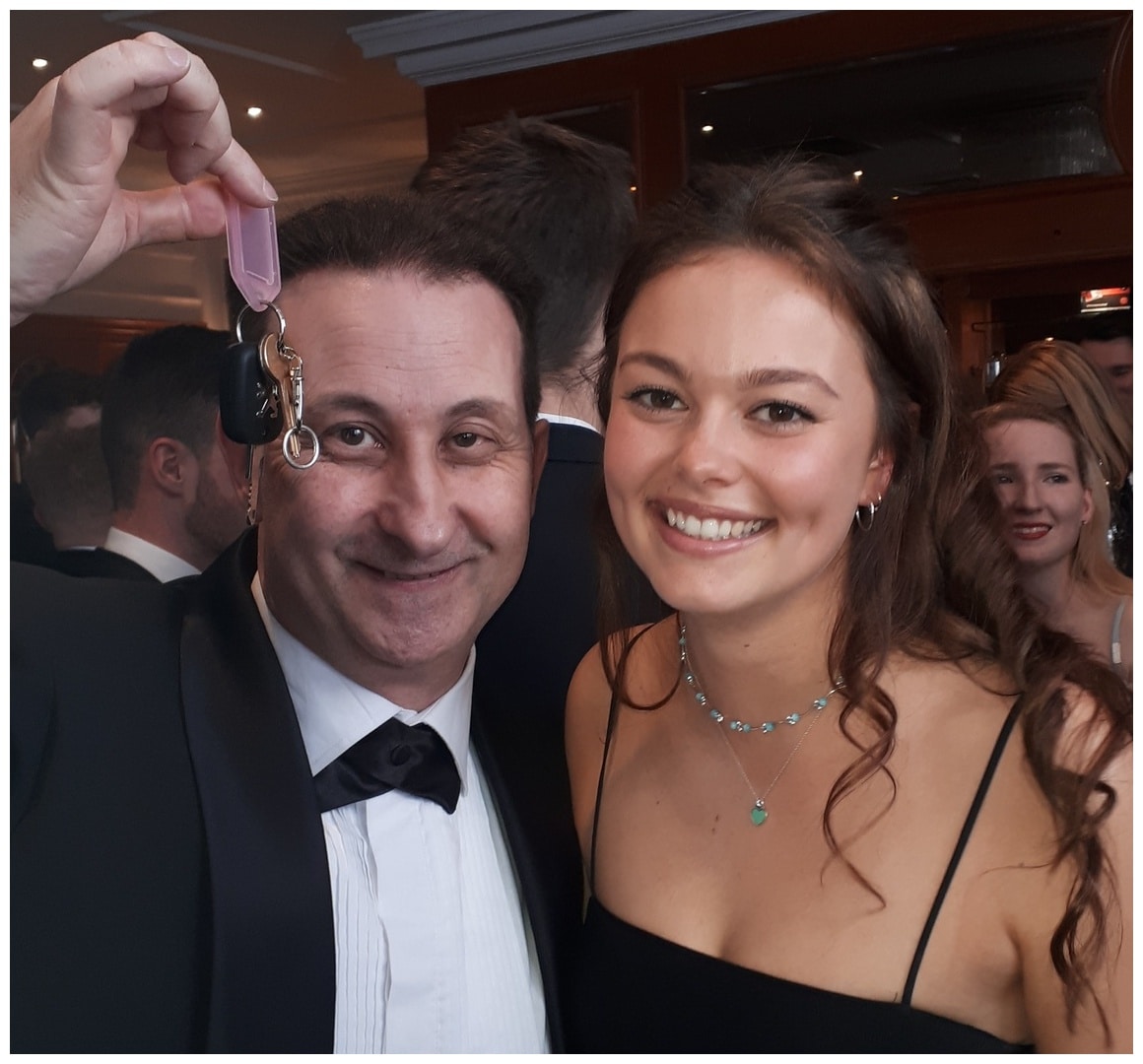
Andy Field performs a genuine close-up magic trick, showing the difference between professional magic and the deception used in a Three Card Monte scam
There is a fascinating contrast between the street scam and professional close-up magic.
With a genuine close-up magician, the goal is entertainment.
You might watch a card travel from one hand to another.
A borrowed ring might disappear. Or a coin might seemingly pass through a solid object.
A spectator might think of a word and somehow the magician reveals it.
This is the kind of intimate entertainment I provide as a close-up magician in Bath, where the magic happens right among the guests rather than on a distant stage.
The methods may involve some of the same fundamental principles found in deception.
But the audience isn't being financially exploited.
Instead, they're being invited to experience something impossible.
That's what I love about close-up magic.
You know you're being fooled.
I know you're being fooled.
And for a few minutes, we're both perfectly happy about it.
Final Thoughts: Don't Follow the Money
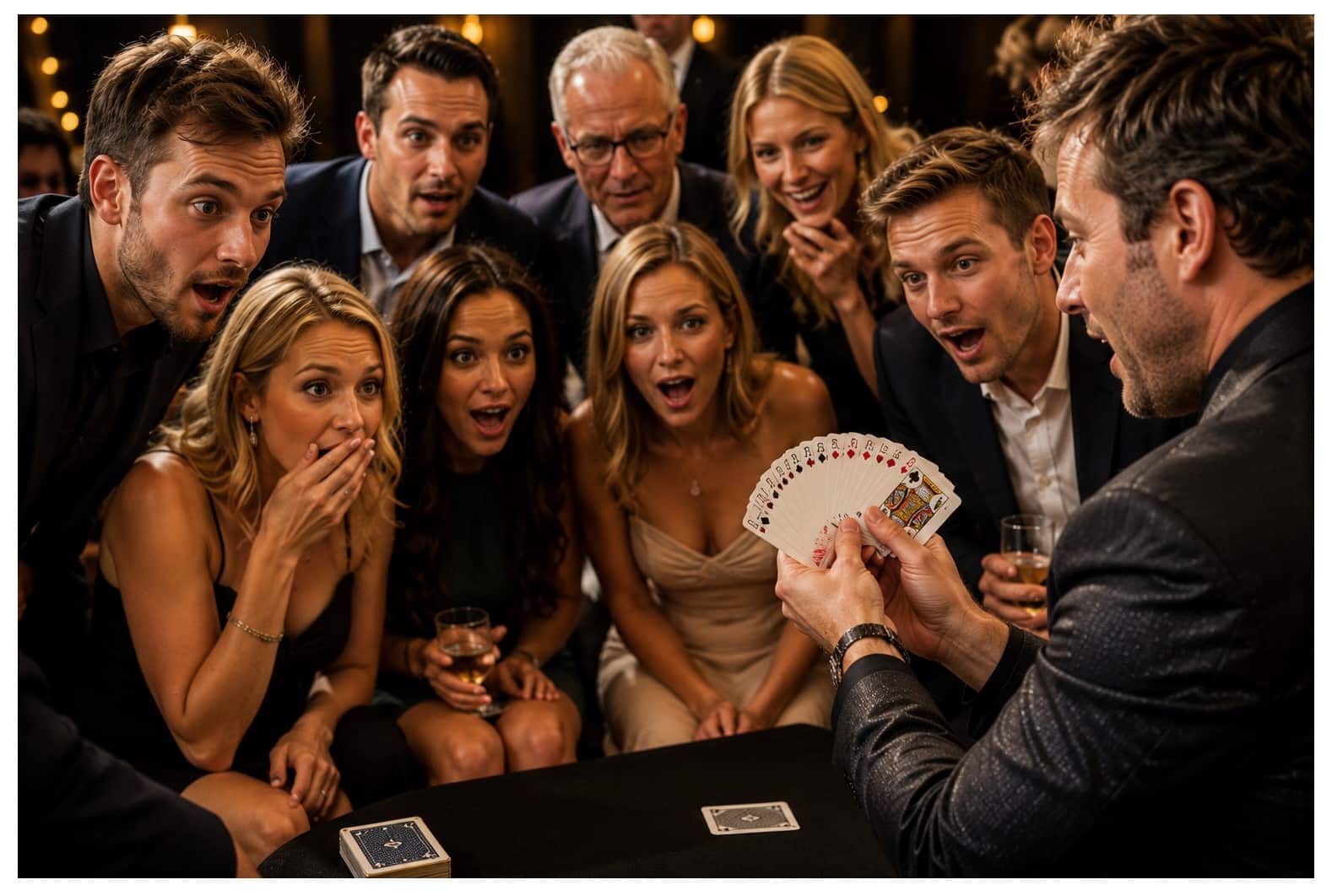 Three Card Monte has survived for generations because it understands something fundamental about human nature.
We like to believe we're observant.
We like to believe we're clever.
Or we like to believe we can spot the trick.
And we especially like to believe we've found an opportunity that everybody else has missed.
That combination can be dangerous.
The next time you see three cards being shuffled around on a street corner, remember that you're not simply watching a card game.
You're watching a demonstration of sleight of hand, misdirection, psychology and human perception.
And if somebody tells you that you can make easy money by guessing where the Queen is...
Take my professional advice.
Keep your money in your pocket and enjoy the show from a safe distance.
Because when it comes to Three Card Monte, the only person who is guaranteed to know where the money is...
is the person who already has yours.
And that's not magic.
That's the hustle.
Frequently Asked Questions About Three Card Monte
What is Three Card Monte?
Three Card Monte is a traditional confidence trick involving three playing cards. A target card is apparently mixed with two other cards, and the spectator is challenged to identify it. Although it appears to be a simple game of observation, the setup is designed to deceive the participant.
Is Three Card Monte a real game?
It can be presented as a magic demonstration, but historically Three Card Monte is strongly associated with confidence tricks and street scams. If someone is asking you to gamble money on it in the street, you should assume the game is not fair.
How does Three Card Monte fool people?
The deception can involve sleight of hand, misdirection, psychology, social pressure and manipulation of attention. The spectator may believe they have followed the target card when their perception has actually been influenced.
Why is Three Card Monte so difficult to beat?
The fundamental problem is that the participant is not necessarily being given a fair opportunity to win. The performer controls the conditions and may manipulate what the spectator sees and believes.
Is Three Card Monte the same as magic?
Not exactly. Three Card Monte is traditionally a confidence trick, whereas professional magic is performed as entertainment. However, magicians may study similar principles of sleight of hand, misdirection, psychology and attention.
What should I do if somebody asks me to play Three Card Monte?
The safest option is simply not to participate. Don't gamble money on a street card game, even if other people appear to be winning.
Discover More About the Psychology of Magic
Three Card Monte is only one example of how magicians can influence perception.
If you'd like to understand more about what is really happening when a magician fools you, explore my other articles on sleight of hand, close-up magic, misdirection and the psychology behind magic.
Because once you understand how the magician controls your attention, you begin to realise something fascinating:
The magician isn't really controlling the cards.
They're controlling the experience.
And that is where the real magic happens.
About Andy Field
 Andy Field is a professional close-up magician with a quarter of a century of experience performing at weddings, parties, corporate events, restaurants and private functions.
He also performs as a professional magician in Oxford, bringing close-up magic directly to guests at weddings, parties, corporate events and private functions.
His magic combines sleight of hand, psychology, misdirection, audience participation and plenty of humour.
With more than 20 million YouTube views, hundreds of Google reviews and 400+ Facebook recommendations, Andy has entertained audiences throughout the UK.
He has also been a SAMS Champion of Close-Up Magic and was consulted for the BBC television series Hustle.
If you're looking for a professional magician who brings close-up magic directly to your guests rather than disappearing behind a stage curtain, Andy Field specialises in creating memorable moments that happen right in front of you.
Just don't ask him to play Three Card Monte for money.
He's seen that one before.
Andy Field Magician Service Areas
I regularly provide professional close-up magic for weddings, parties, corporate events and special occasions across the South West and surrounding areas. You can find more information about my magician services in the following locations:
- Bristol Magician
- Gloucester Magician
- Cheltenham Magician
- Swindon Magician
- Somerset Magician
- Magician Oxford
- Magician Bath
- Magician Cotswolds
Explore More About the art of magic
Book a Professional UK Magician
I'm fortunate that I don't have to rely on magic to pay the bills. This means I don't need to charge inflated Saturday-night fees. I can concentrate on what I really enjoy — performing powerful, entertaining magic — while keeping my prices competitive.