Do TV Magicians Use Camera Tricks and Secret Stooges?

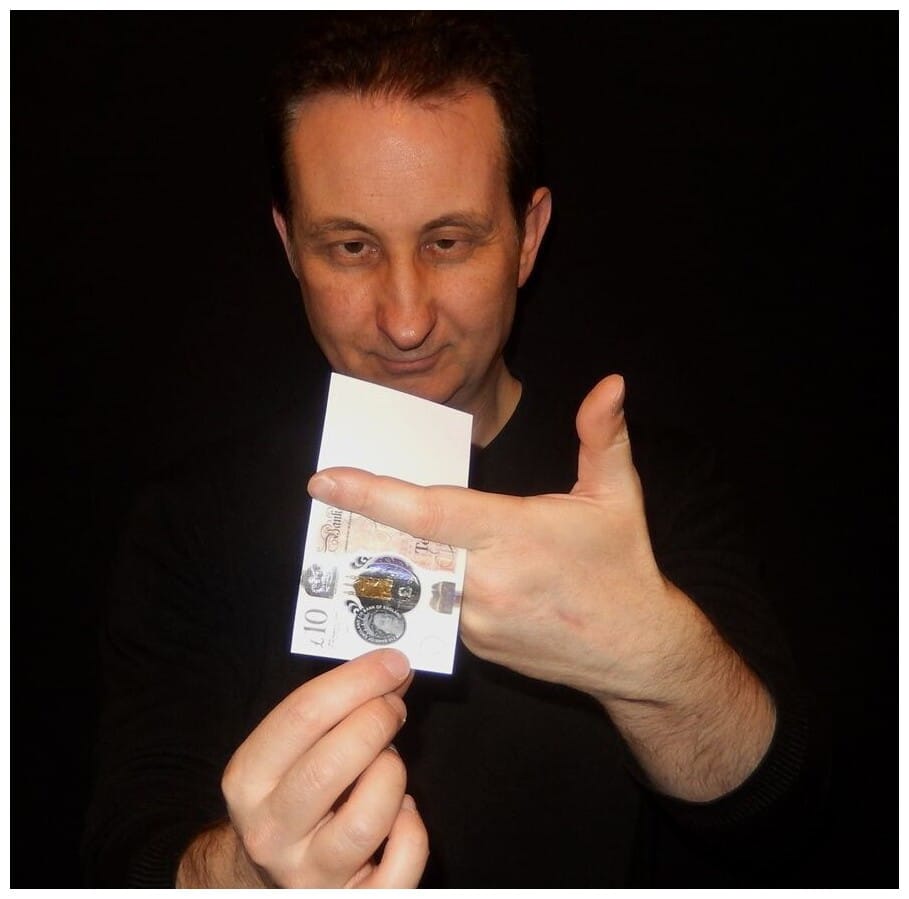
Andy Field is a professional close-up magician with more than a quarter of a century of experience performing close up magic at weddings, parties, corporate events and private celebrations. He has performed at more than 1,000 weddings and is a two-time S.A.M.S. Champion of Close-Up Magic with more than 20,000,000 views on his YouTube and an array of Google reviews.
Camera Tricks and Secret Stooges?
Have you ever watched a magician perform an incredible sleight of hand trick on television and wondered whether what you were seeing was actually happening?
Perhaps a playing card appears in an impossible location, a borrowed ring vanishes, or a magician seems to read someone's mind. The reactions are extraordinary, the magic looks completely impossible, and everything appears to happen right in front of the camera.
But there's a question that regularly comes up whenever people watch magic on television:
Do TV magicians use camera tricks, clever editing and secret stooges to make their magic look more impressive than it really is?
It's a fair question.
After all, television is a very different environment from performing magic in front of a live audience. A television magician has cameras, directors, editors, lighting technicians and an entire production team available to help create an entertaining experience.
A magician performing close-up magic at a wedding doesn't have those luxuries. There's nowhere to hide, no opportunity to edit out an awkward moment and certainly no director telling the guests where to stand.
So what's really going on behind the scenes?
Let's take a closer look at television magic, the role of the camera, the use of editing and the subject of secret stooges.
1. Television Magic Is Not the Same as Live Magic
The first thing to understand is that television magic and live close up magic are two very different forms of entertainment.
When a magician performs on television, the performance is being created for an audience watching through a screen. The director decides what the viewer sees, the camera operator chooses the angles, and the editor decides which footage eventually makes it into the finished programme.
This creates opportunities that simply don't exist when performing in front of a live audience.
Imagine a magician making a playing card disappear.
On television, the production team might use several cameras, close-up shots and carefully selected angles to capture the moment. The finished sequence can be edited to make the disappearance look particularly mysterious.
A live close-up magician has a different challenge.
The spectators are standing inches away. They can look at the magician's hands, watch the props and move their heads to get a better view. There's no convenient camera angle to control their perspective.
The magician has to make the magic work under those conditions.
Neither approach is automatically better than the other. Television is a medium in its own right, and some television magic is genuinely remarkable.
However, it's important to recognise that watching something on television isn't quite the same as witnessing it happen in front of you.
2. Do TV Magicians Use Camera Tricks?
Sometimes television production techniques can play a significant role in how a magical effect is presented.
That doesn't necessarily mean the magician is using digital special effects or deliberately deceiving the viewer through camera trickery.
There is an important distinction between using television techniques to present magic and using those techniques to create an illusion that wouldn't otherwise be possible.
For example, consider the following production techniques.
Camera angles
The position of a camera can influence what the viewer sees.
A camera positioned directly in front of a magician might show something differently from one positioned to the side. The director chooses which angle to use, and the viewer doesn't have the freedom to walk around the performance.
This is particularly relevant with close-up magic, where the position of the spectator can be important.
Cutting between cameras
Television productions frequently use multiple cameras.
The editor can move between different shots, showing the magician's face, the audience's reactions and close-ups of the props.
These cuts can make a performance more dramatic, but they can also mean that the viewer doesn't see every moment continuously.
Editing
Editing is one of the biggest differences between television and live performance.
A television programme can remove pauses, mistakes, interruptions and unsuccessful attempts.
A performance that might have taken several minutes can be condensed into a much shorter sequence.
This doesn't automatically mean anything dishonest has happened. It's simply how television production works.
However, the finished programme is a carefully constructed piece of entertainment rather than necessarily being an uninterrupted record of everything that happened.
Camera positioning
The director controls where the audience at home is looking.
In a live performance, spectators can choose where to look. They can watch the magician's left hand, right hand, face or the surrounding environment.
A television viewer generally sees only what the director chooses to show.
That is a significant difference.
3. What About Secret Stooges?

Andy never uses secret assistants in his act
This is probably one of the most interesting questions in the world of television magic.
A stooge is someone who secretly assists a magician during a performance.
In some circumstances, that person may be pretending to be an ordinary member of the audience while actually knowing what's going to happen.
The term is often associated with the idea of a magician having someone planted in the audience to help make an effect possible.
For example, imagine a magician asking someone to think of a playing card.
The magician appears to reveal the chosen card in an impossible way.
A viewer might wonder whether the spectator was genuinely selected at random or whether they were secretly working with the magician.
It's a reasonable suspicion, particularly when the effect seems almost too perfect.
But there is an important distinction here.
The fact that a magician could use a stooge doesn't mean that they actually did.
There are many legitimate methods of performing seemingly impossible effects without requiring a planted audience member.
Magicians spend years developing techniques involving psychology, sleight of hand, misdirection, audience management and carefully constructed routines.
A secret assistant is only one possible approach to creating an illusion.
It's also worth remembering that television productions sometimes use actors or participants who have agreed to take part in a particular scenario. That isn't necessarily the same thing as secretly planting someone to deceive the audience.
Without reliable evidence about a particular performance, it's impossible to say whether a stooge was involved.
4. Are the People on Television Really Random Members of the Public?
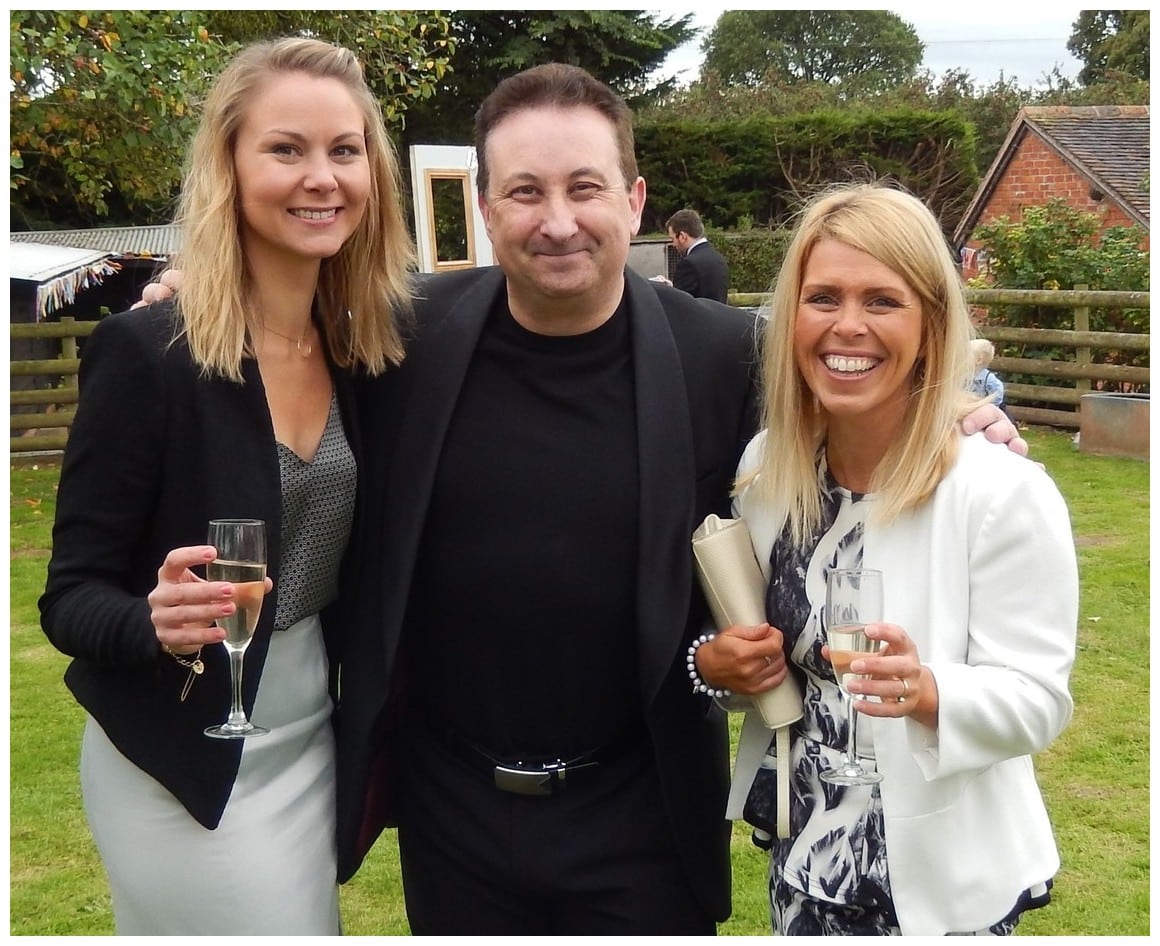
Andy Field performing live close-up magic at a wedding, entertaining guests with astonishing magic and humour without camera tricks or secret stooges.
Another question audiences often ask is whether the people appearing alongside television magicians are genuine members of the public.
Sometimes they are.
Television programmes regularly film members of the public in streets, restaurants, shopping centres and other public places.
However, finding people to appear on television isn't always as straightforward as it might seem.
Production teams may approach people beforehand, arrange filming permissions and ask participants to sign release forms.
There can also be practical considerations involving scheduling, locations and the availability of participants.
This means that someone appearing on television might have been selected by a production team before the magician even begins performing.
That doesn't mean they know how the trick works.
It's important not to confuse someone being selected for a television appearance with someone secretly assisting the magician.
The two things are very different.
A person can be a genuine member of the public, have no knowledge of the method and still have been specifically chosen to appear in a television programme.
5. Can Editing Make a Magic Trick Look Better?
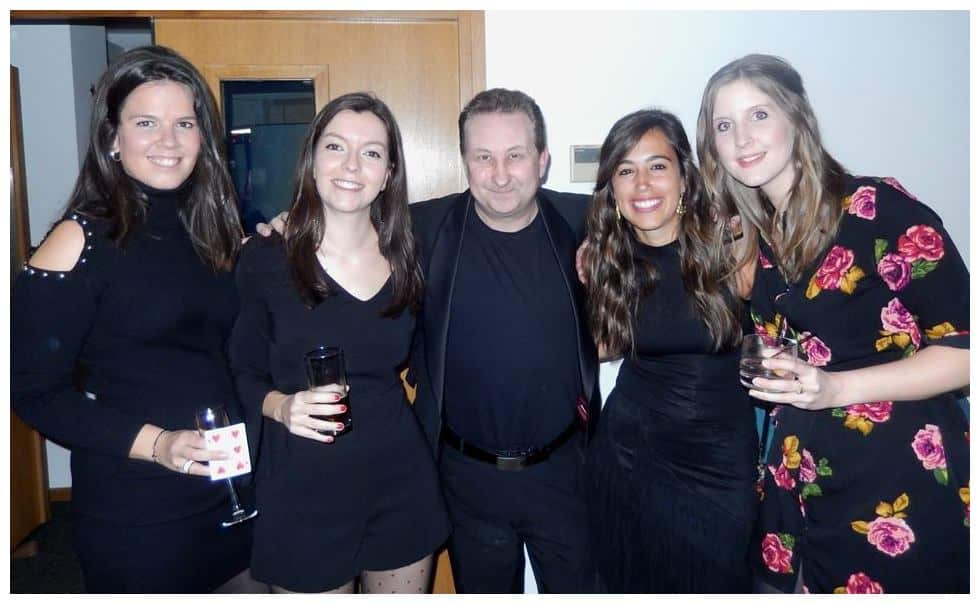
Andy Field creating genuine moments of astonishment in real time without camera tricks, editing or second takes.
Absolutely.
Editing is a powerful tool in television entertainment.
Imagine filming a magician performing the same routine several times.
Perhaps one performance gets a particularly strong reaction. Another has a better camera angle. A third has a particularly funny exchange between the magician and a spectator.
The production team has to decide which material works best in the finished programme.
They might use the strongest performance, combine different shots or shorten sections to maintain the pace of the show.
This is normal television production.
However, it does mean that the finished programme might not represent one continuous performance exactly as it happened.
There is also a difference between editing a programme for entertainment and editing footage in a way that changes the apparent circumstances of an effect.
For example, a cut between two camera angles doesn't necessarily mean the trick was achieved through editing. But a carefully constructed sequence can make an effect appear more impossible than it might have looked in real time.
This is why I think viewers should approach television magic with a little perspective.
Enjoy the entertainment, appreciate the performance and remember that you're watching a produced television programme.
6. Why Live Close-Up Magic Is a Different Challenge
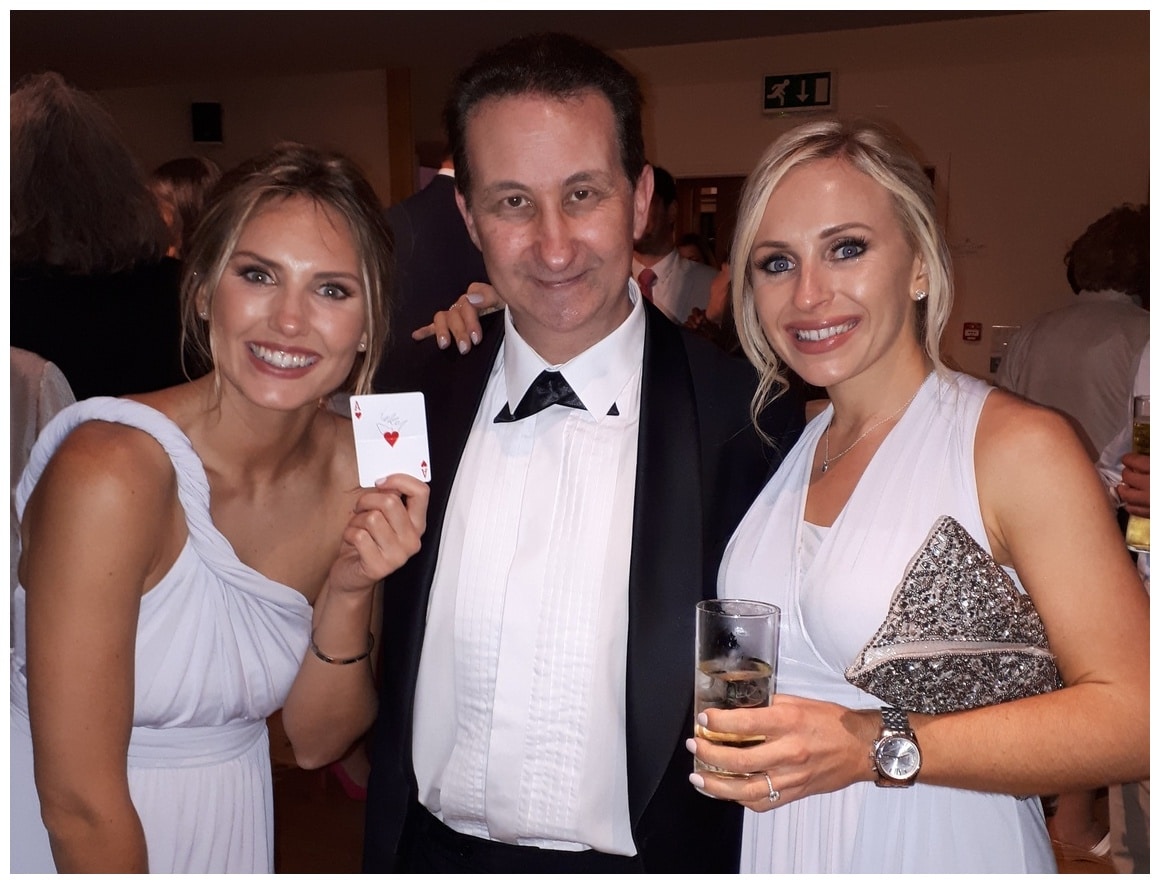
Live close-up magic presents unique challenges, requiring skill without editing, camera tricks or second takes.
This is where things become particularly interesting.
When I perform close-up magic at weddings, private parties and corporate events, the circumstances are completely different from those of a television production.
There are no cameras controlling the audience's perspective.
There is no editing room.
There are no second takes.
And there isn't a production team deciding which reaction looks best.
The spectators are standing right in front of me.
Whether I'm performing at a wedding in Coventry or entertaining guests at a private celebration in Leamington Spa, the challenge is always the same: creating genuine moments of surprise for people standing just inches away.
One of the things I particularly enjoy about close-up magic is allowing spectators to become directly involved in what happens.
In fact, some of the most memorable moments occur when the magic takes place in the spectators' hands, rather than simply being something they watch from a distance.
They can see my hands, examine the props and watch everything from their own individual viewpoints.
If somebody lends me a ring, they know it's their ring. If somebody chooses a playing card, they know the choice was theirs.
The magic has to happen in real time, under ordinary conditions, with people who have no idea what's coming next.
That's one of the things I particularly enjoy about performing close-up magic.
The reactions are genuine and immediate.
You might have somebody laughing because they cannot believe what they've just witnessed, another person looking completely baffled, and somebody else insisting that they want to see the trick again.
Sometimes the best reactions come from people who are initially convinced they know exactly how the trick was done.
Then something happens that completely changes their minds.
There is nowhere for a magician to hide when the audience is standing a few feet away.
7. Does That Mean Television Magicians Are Cheating?
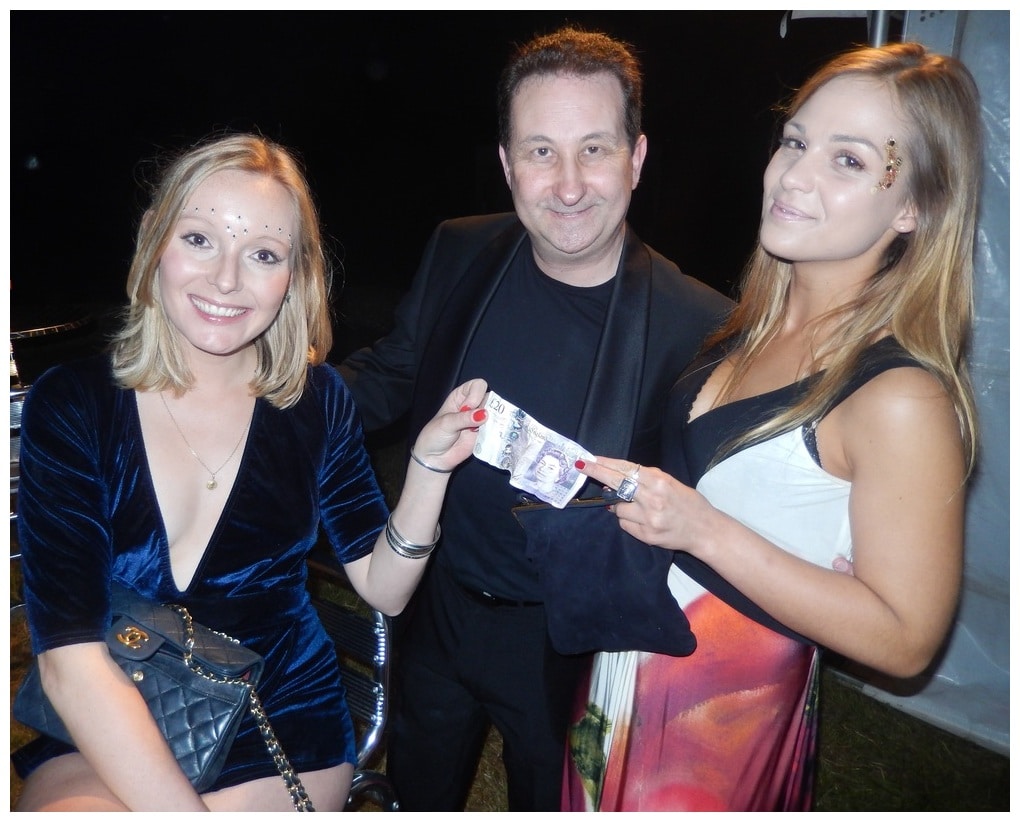
Exploring whether television magicians use camera tricks, clever editing and secret stooges to create seemingly impossible magic effects.
Not necessarily.
I think it's important to be fair here.
Television magic is entertainment, and the people producing these programmes are trying to create something that audiences will enjoy watching.
There are television magicians who are extraordinarily skilled performers.
Some have spent decades developing their knowledge of magic, psychology, presentation and audience management.
A camera doesn't automatically make someone a good magician, and having a production team doesn't mean the magic itself is fake.
In fact, some television magicians perform effects that are every bit as impressive as anything you might witness live.
The important thing is to distinguish between the method used to create an illusion and the production techniques used to present it.
A magician might perform an entirely genuine piece of sleight-of-hand magic, while the television director uses several cameras and clever editing to make the finished sequence more entertaining.
There's nothing inherently wrong with that.
The problem only arises when viewers are led to believe that something happened under conditions that weren't actually present.
And without knowing what happened behind the scenes, we shouldn't automatically assume that a particular magician has used camera tricks or secret helpers.
8. The Importance of Misdirection
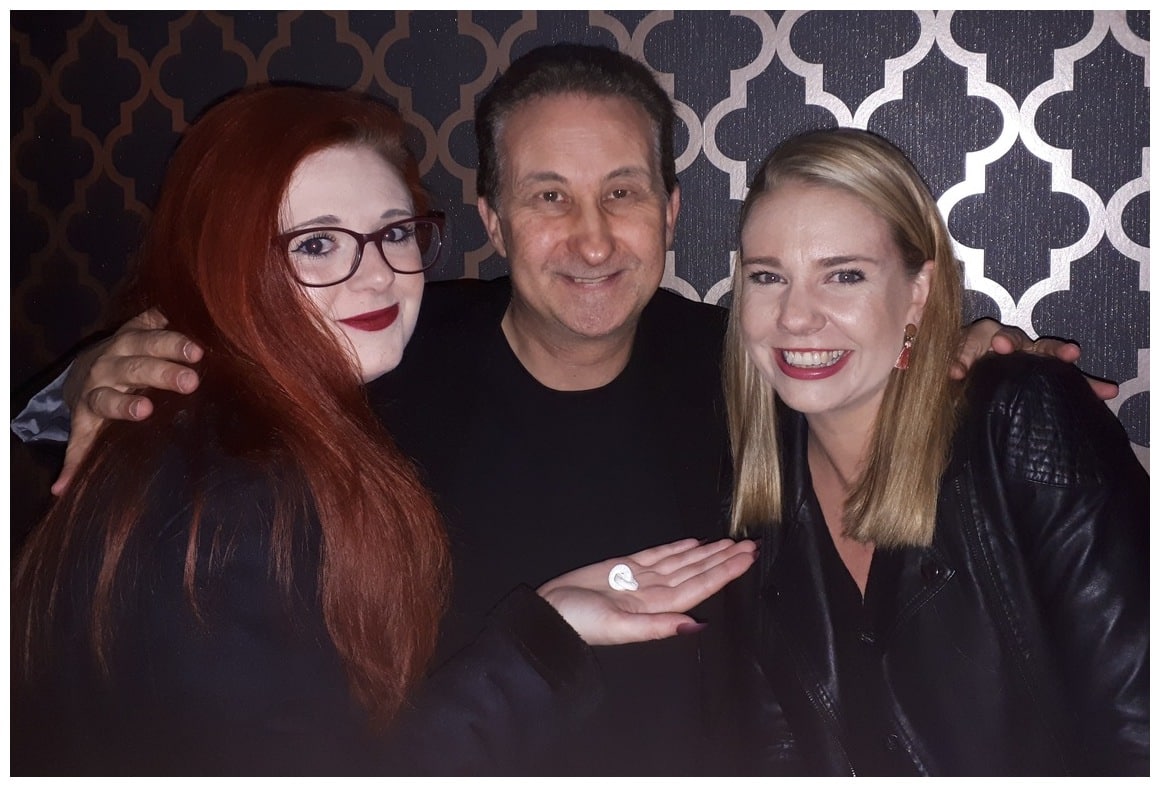
Misdirection is an essential skill in close-up magic.
One of the most misunderstood aspects of magic is misdirection.
Many people assume that a magician's success depends entirely on having incredibly quick hands.
Sleight of hand certainly plays an important role in many forms of magic, but it's only part of the picture.
Misdirection is about controlling attention.
A magician understands that people cannot consciously focus on everything happening around them at the same time.
Our attention is selective.
We naturally concentrate on things that appear important, particularly when someone directs our attention towards them.
A magician can use movement, conversation, eye contact, timing and body language to influence where spectators look and what they notice.
Sometimes the most important moment in a trick happens when the audience believes nothing particularly interesting is happening.
This is one reason why good magic can be so convincing.
The audience isn't necessarily looking in the wrong direction. They're simply concentrating on something that seems more important.
And this is just as relevant when performing for television as it is when performing in front of a live audience.
In fact, understanding how people pay attention is one of the most important skills a magician can develop.
9. Why Some Magic Looks More Impressive on Television
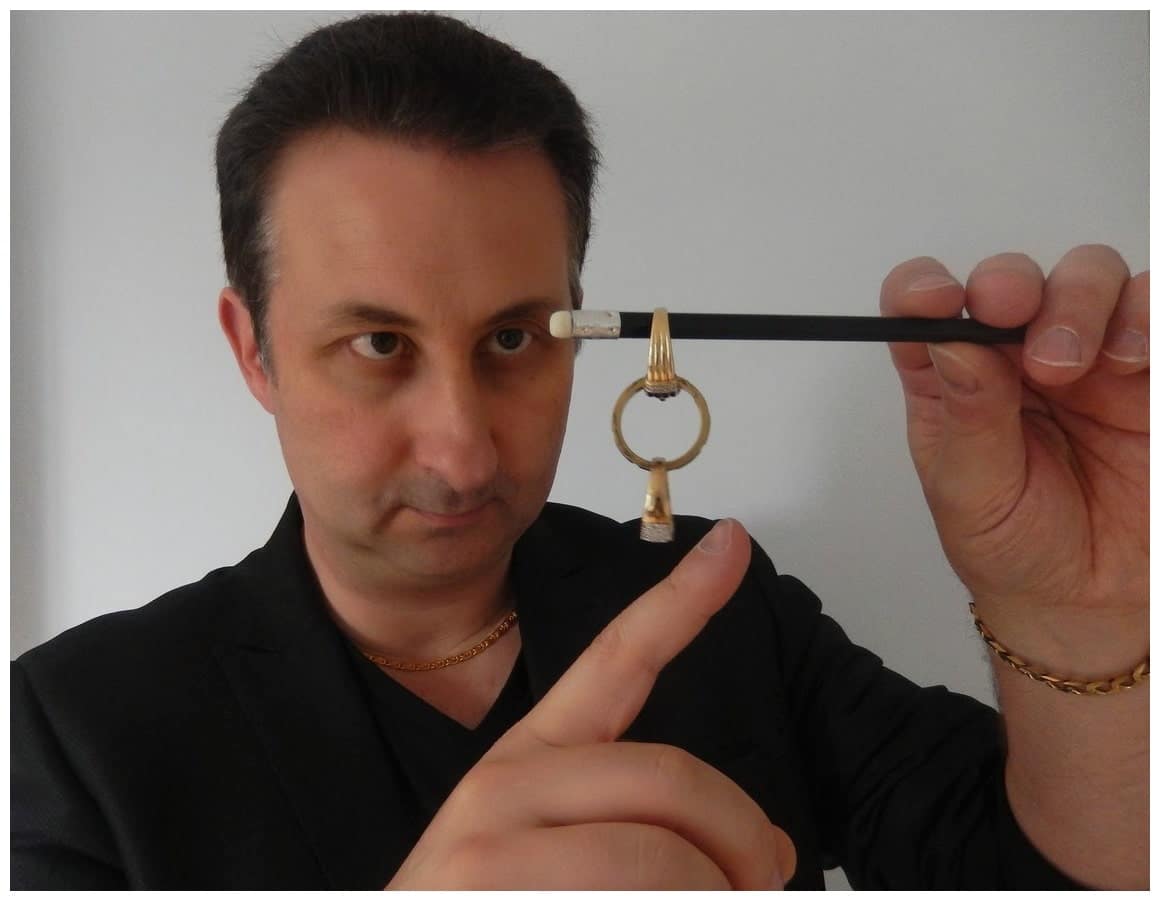
Andy is unable to use camera tricks in a live performance. Plus he only gets one attempt.
Television has several advantages when it comes to creating a memorable magical experience.
Close-up cameras can show details that people sitting further away in a theatre might struggle to see.
Sound effects and music can build anticipation.
Lighting can create atmosphere.
An editor can build suspense before revealing the final surprise.
All these elements can contribute to a fantastic piece of entertainment.
But there is another factor that shouldn't be overlooked.
When watching television, you are experiencing the performance from a position chosen by somebody else.
You cannot move closer, walk around the magician or inspect the surroundings.
You are seeing a carefully selected viewpoint.
When you watch live close-up magic, you have a completely different experience.
You are part of the performance.
You can ask questions, examine objects and interact directly with the magician.
The experience is unpredictable because the spectators themselves become part of what happens.
A good close-up magician doesn't simply demonstrate tricks. They create moments that people share with one another.
That's something television can capture, but it cannot entirely reproduce.
10. What Makes a Good Magician?
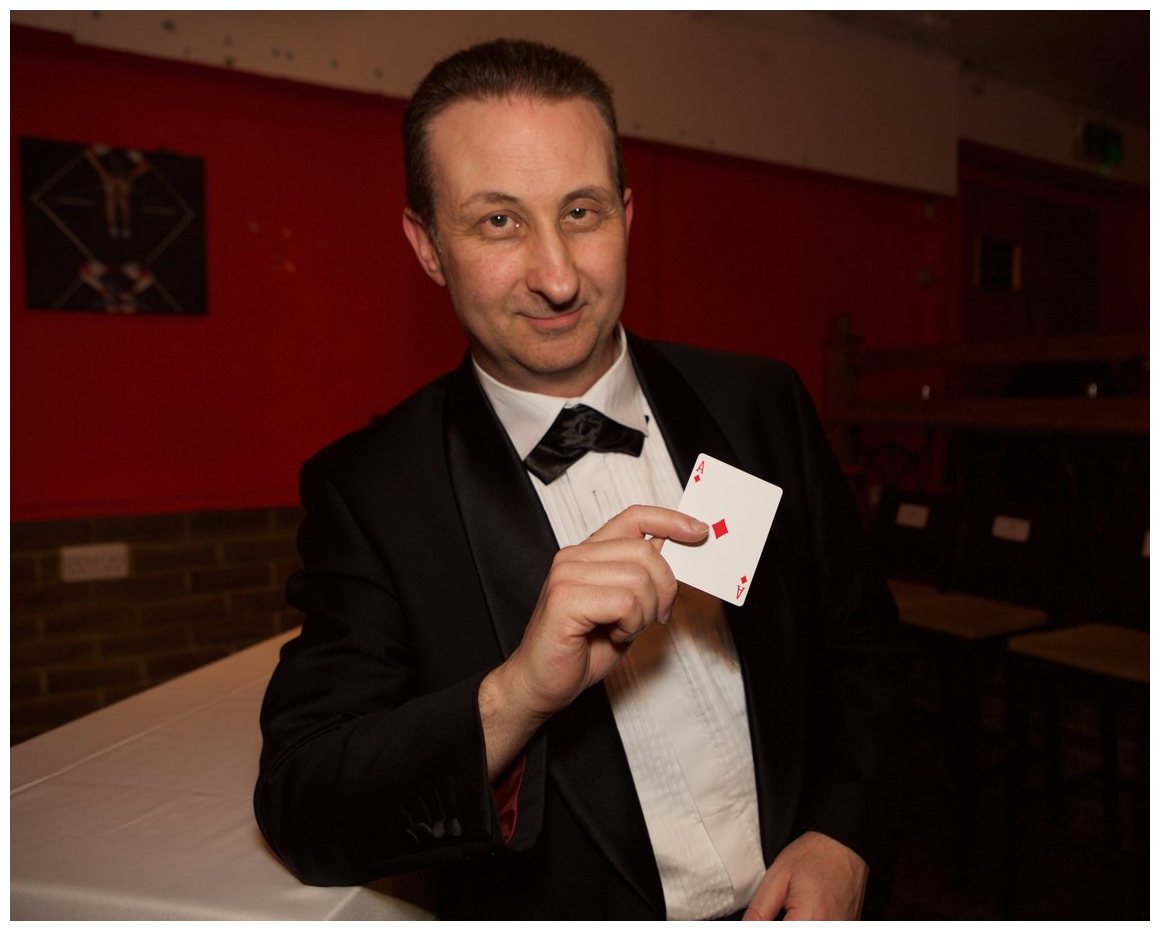
A good magician combines technical skill, sleight of hand, misdirection, showmanship, personality and humour to create memorable magical experiences for an audience.
Personally, I think the question of whether television magicians use camera tricks or stooges misses something important.
The real question should be:
What makes a magician genuinely entertaining?
It's not simply about producing an impossible visual effect.
A magician could perform the most technically complicated trick in the world, but if the audience isn't interested, the performance might fall flat.
Magic is about much more than the secret behind the trick.
A successful magic performance involves much more than knowing how to perform a trick. There's a great deal of thought behind the structure, timing and presentation, something I explore in How Magicians Build a Great Magic Performance.
It's about presentation, timing, personality, confidence and understanding the people you're performing for.
It's something I bring to every performance, whether I'm entertaining guests at corporate events in Leicester or providing close-up magic for weddings and parties in Worcester.
I've always believed that the audience should be enjoying themselves just as much as they are being amazed.
A little humour can make an enormous difference.
People remember the laughter, the unexpected moments and the reactions of the friends standing beside them.
That's particularly important when performing at weddings and corporate events, where the magic is part of a much bigger occasion.
The aim isn't simply to fool somebody.
It's to create an experience that makes people smile, laugh and talk about what they've just witnessed.
That's what makes the difference between somebody who can perform a trick and somebody who can entertain an audience.
11. Can You Tell When a TV Magician Is Using Camera Tricks?
 Not always.
In fact, that's part of what makes television magic so interesting.
Without seeing the original footage, knowing how the production was arranged or having reliable information about the performance, it's often impossible to determine precisely how an effect was achieved.
There are some things viewers can bear in mind, though.
- Does the footage appear to show one uninterrupted performance?
- Are there frequent cuts immediately before or after the magical moment?
- Does the camera show the important objects clearly?
- Are you seeing the entire performance or only selected close-up shots?
- Has the production explained whether the participants were selected beforehand?
None of these things proves that a trick involved camera manipulation.
A camera cut is not evidence of cheating, and a particularly enthusiastic spectator isn't automatically a stooge.
Sometimes a magician really has performed something astonishing.
And sometimes the explanation is much more ordinary than viewers imagine.
The difficulty is that the audience at home doesn't have all the information available to make a definite judgement.
That's why I would avoid making accusations about individual performers without evidence.
12. Why I Still Love Performing Magic in Front of a Live Audience
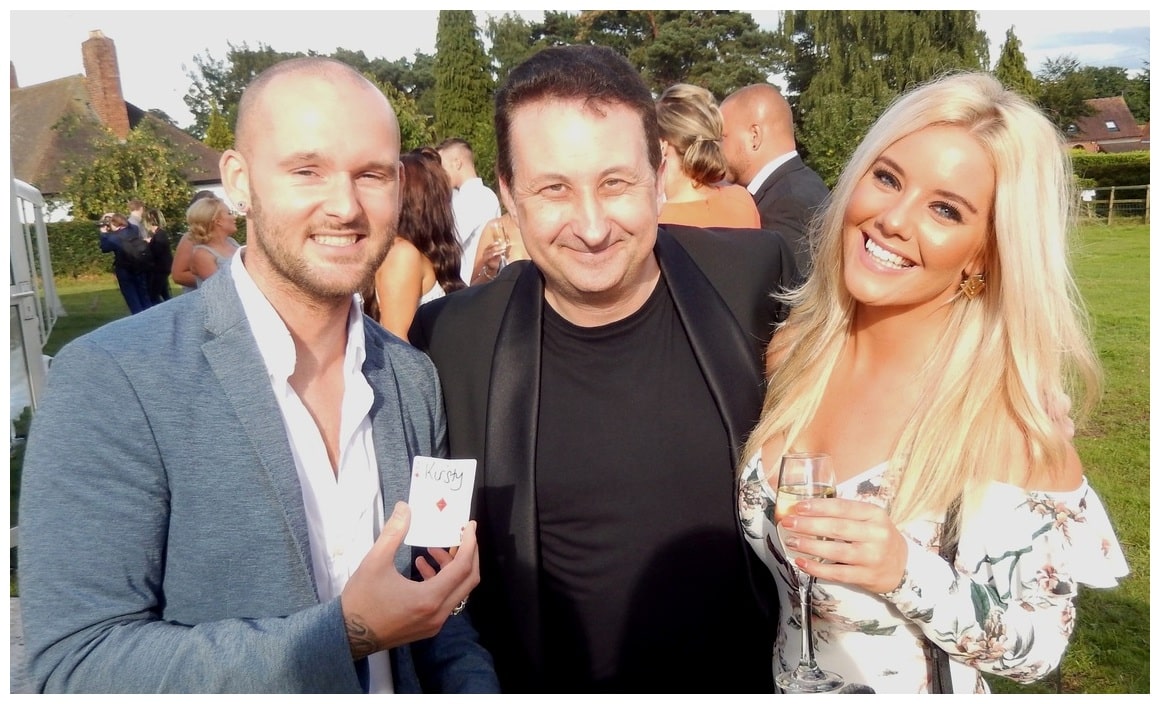
Andy Field shares his passion for performing close-up magic, creating spontaneous moments of laughter, surprise and amazement at weddings, parties and corporate events.
For me, one of the most rewarding things about being a magician is the unpredictability of live performance.
I've been performing professionally for a quarter of a century, and I've performed at more than a thousand weddings.
Every event is different.
I've enjoyed bringing that experience to weddings, parties and corporate events across the region, including performances in Oxford and Bath.
Different people, different personalities, different reactions and different circumstances.
You never quite know what's going to happen next.
A routine that gets a huge laugh at one table might produce complete astonishment at another.
Someone might challenge you, someone else might insist on examining everything, and occasionally somebody will come up with an explanation that is so imaginative that you almost wish it were true!
That's part of the fun.
When you're performing close-up magic, you have to be able to adapt to the people in front of you.
You cannot rely on a carefully edited sequence to create the perfect moment.
You have to create it yourself.
And when somebody genuinely cannot believe what they've just witnessed, you know you've achieved something special.
There is something particularly satisfying about performing a piece of magic for somebody who has absolutely no idea what's about to happen.
The reaction is immediate, personal and completely unpredictable.
That's why I enjoy live close-up magic so much.
So, Do TV Magicians Use Camera Tricks and Secret Stooges?
The honest answer is that television magic can involve camera techniques, editing and carefully arranged production, but that doesn't mean every television magician relies on them.
Some magical effects are created using extraordinary skill and traditional methods of magic. Others may incorporate television production techniques to enhance the experience. Without evidence, it's impossible to know exactly how a particular effect was achieved.
Secret stooges are a recognised possibility in magic, but we shouldn't assume that a spectator is a planted assistant simply because an effect looks impossible.
Ultimately, television magic and live magic are two different experiences.
Television gives the magician the advantages of cameras, editing and production.
Live close-up magic gives the audience something different: the opportunity to experience the magic personally, right in front of their eyes, with no television screen between them.
And for me, there's nothing quite like seeing somebody's face when they realise that the impossible has just happened a few inches away from them.
That's real entertainment.
Andy Field Magician Service Areas
I regularly provide close up magic for weddings, parties, corporate events and special occasions across the South West and surrounding areas. You can find out more about my magic services in the following locations:
Magician Bristol Magician Gloucester Magician Cheltenham Magician Swindon Magician Somerset Magician Cotswolds
Magician Oxford Magician Bath Magician Worcester Magician Coventry Magician Leamington Spa Magician Leicester
Magician Warwickshire Magician Wiltshire
Explore More About Magic
Sleight of Hand Explained Psychology in Magic Explained Misdirection in Magic Explained Cups and Balls Close-up Magic Explained